

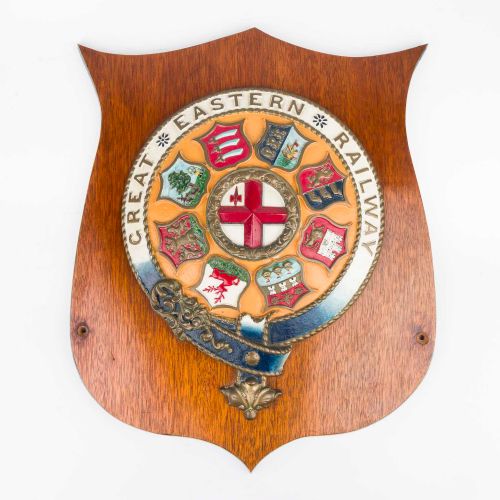


Wooden Heraldic Shield
A wooden heraldic shield carries centuries of lineage and craft, offering a striking focal point for a traditional interior.
Wooden Heraldic Shield
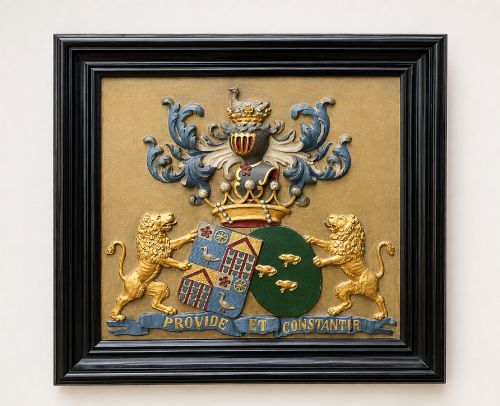
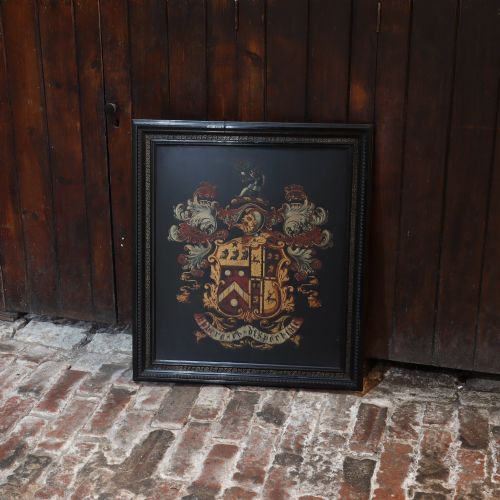
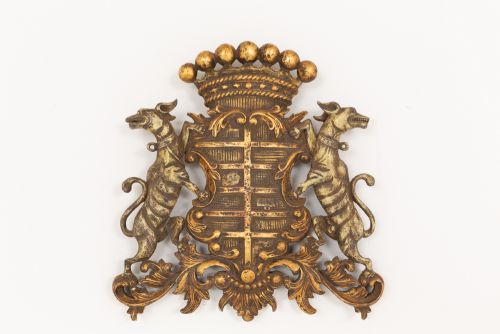
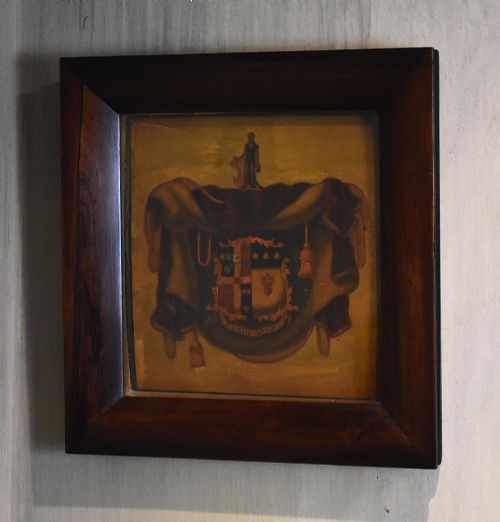
A wooden heraldic shield represents carved armorial bearings, painted coats of arms and genealogical panels created for display. When searching for a wooden heraldic shield, a buyer encounters architectural salvage, wall plaques and carved wall sculptures spanning several centuries.
The selections on this page range from nineteenth-century Dutch marriage plaques and Regency Georgian coach panels to seventeenth-century architectural elements and early twentieth-century wall shields. Oak, hardwood and polychrome paint feature prominently across these heraldic forms.
Victorian, Baroque, Gothic Revival and Jacobean styles appear frequently, showing the enduring British and European fascination with heraldry and lineage. These objects served originally as commemorative pieces, civic markers, railway crests and family memorials.
How they were made
Carvers shaped these armorial panels from solid timbers such as oak and tiger oak, utilising hand-carving techniques to achieve high-relief lions, crests and scrollwork. The underlying wood was often prepared with gesso before receiving intricate hand-painted polychrome decoration and gold leaf gilding.
Coach panels and marriage plaques relied on skilled painters working with oil-based pigments directly onto prepared wooden supports. Architectural finials and sculptural shields combined deep-relief carpentry with applied mouldings and metallic finishes to create durable, dimensional symbols of status.
Wooden Heraldic Shield Retail Price Guide 2026
Typical asking prices for wooden heraldic shield among the pieces listed under this phrase on Sellingantiques today, from the lower quarter to the upper quarter. They describe what is for sale here now, not the wider market.
Listings feature oak, carved wood, paint, gilt, gold leaf, gesso, and polychrome finishes across multiple centuries.
What varies in quality
The distinction between ordinary and exceptional armorial carvings lies in the crispness of the chisel work and the fidelity of the heraldic design. Master carvers achieved anatomical precision in lions and heraldic beasts, whereas lesser pieces show softer contours and hurried execution.
The survival and application of original polychrome paint and gold leaf also determine the standing of a piece. Work retaining undisturbed nineteenth-century or earlier surface decoration commands greater interest than examples with crude modern repainting.
The Wooden Heraldic Shield Glossary
- Heraldry
- The system by which coats of arms and other armorial bearings are devised, described, and regulated. This tradition forms the visual basis for almost every carved shield.
- Coat of arms
- A unique design painted or carved on a shield, surcoat, or tabard, used to identify individuals, families, or institutions. Many panels on this page display these specific familial bearings.
- Polychrome
- Painted, printed, or decorated in several colours. This finish brings life to carved wooden lions and armorial shields.
- Gesso
- A plaster mixture used as a smooth base for painting on wood. Artisans applied this foundation before laying down gold leaf and fine pigments.
- Newel post finial
- A decorative ornament placed at the top of a stair post. Seventeenth-century examples sometimes incorporate heraldic carvings such as lions.
Wooden Heraldic Shield: Frequently Asked Questions
What is a wooden heraldic shield?
A wooden heraldic shield is a carved and painted panel displaying a family coat of arms, civic crest, or lineage symbol. These pieces were traditionally mounted in great halls, public buildings, and private residences to signal status and heritage.
Today, buyers acquire them as decorative wall art, architectural focal points, or historical artefacts. They range from small commemorative marriage plaques to large nineteenth-century panels.
How were these shields displayed originally?
Historically, heraldic shields and armorial panels were hung above fireplaces, mounted on library walls, or incorporated into architectural woodwork. Some items, such as coach panels, were originally affixed to horse-drawn carriages before being preserved as wall art.
In domestic settings, they served as proud declarations of family lineage or corporate identity. Modern collectors continue this tradition by hanging them as statement pieces in hallways and studies.
How do I date a wooden heraldic shield?
Dating relies on examining the timber species, carving style, and pigment composition. Seventeenth-century pieces often feature robust oak framing and deep, muscular chisel work, while nineteenth-century Gothic Revival items show Pugin-inspired precision.
Secondary clues include the type of gesso preparation, the wear patterns on the polychrome paint, and documentary evidence such as inscribed names or dates.
Are these pieces purely decorative?
While utilised primarily as wall sculptures and plaques in modern homes, these shields carry genuine historical and genealogical significance. Many record specific historical marriages, railway companies, or aristocratic families such as the Bath family of Wales.
Their dual nature as fine woodworking and historical documents gives them lasting appeal for collectors of antique furniture and architectural salvage.