


Wooden Hanging Shelves
Wooden hanging shelves bring vertical storage and display to walls, drawing on centuries of cabinet-making traditions in oak, mahogany, and walnut.
Wooden Hanging Shelves
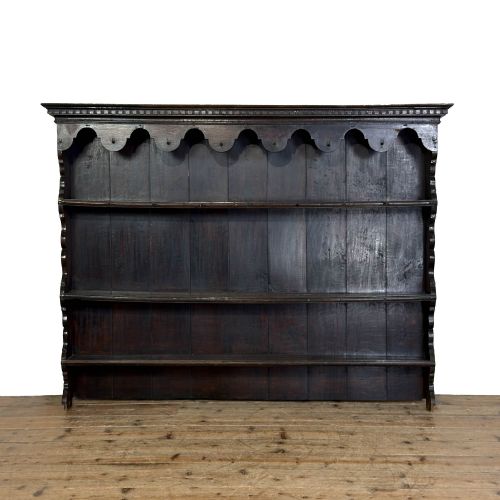
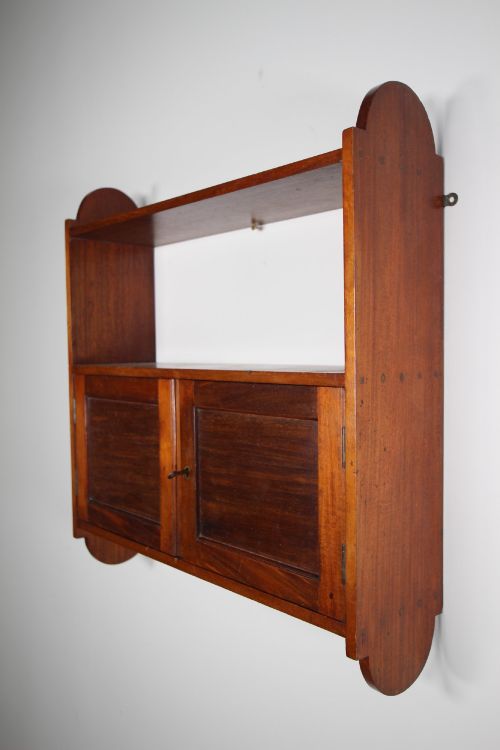
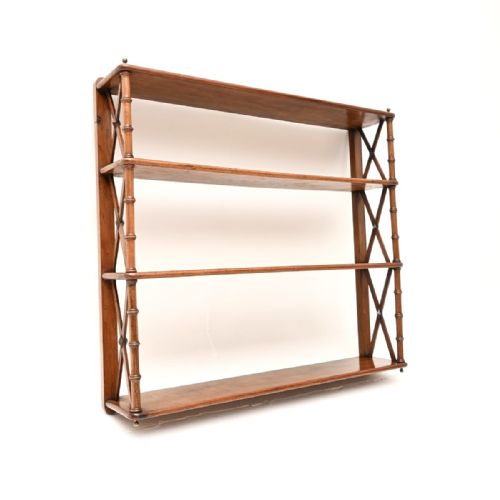
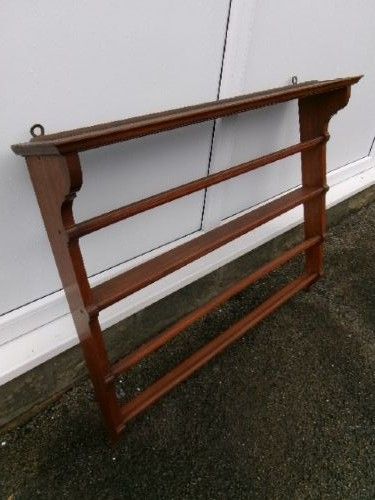
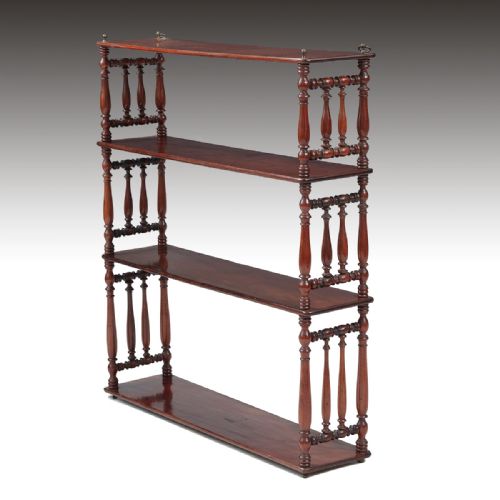
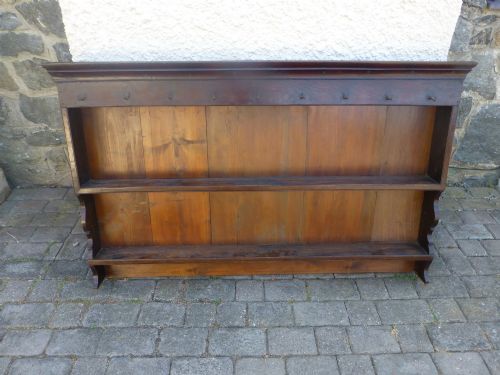
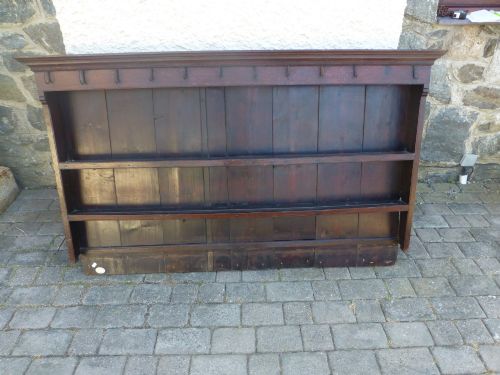
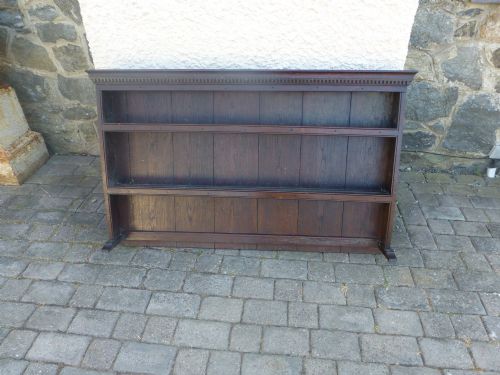
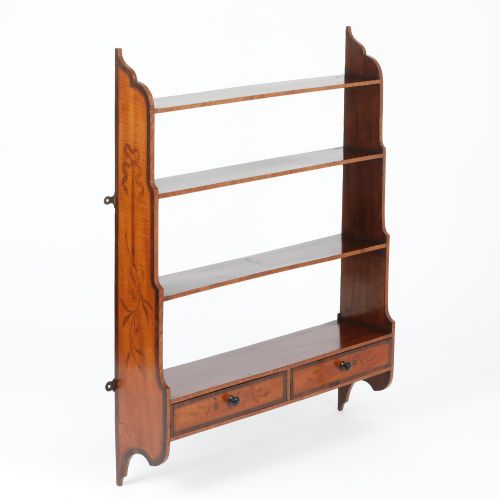
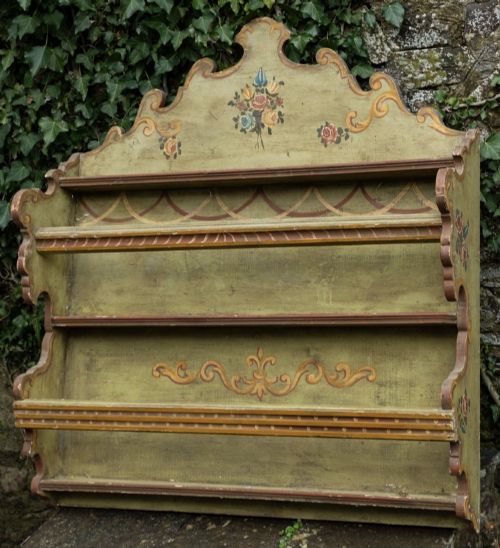
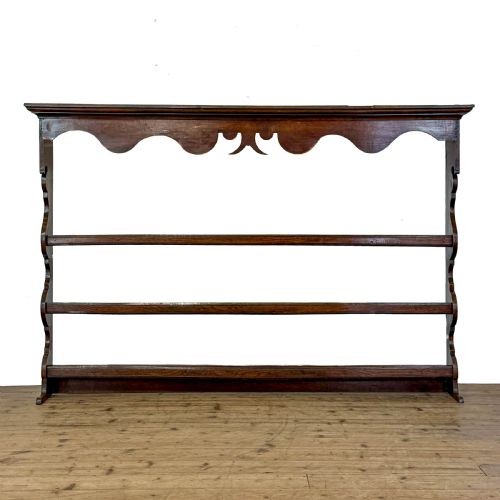
Wooden hanging shelves encompass wall-mounted bookcases, plate racks, display cabinets, and tiered brackets designed to utilise vertical space efficiently. When looking at wooden hanging shelves, buyers encounter pieces spanning from the seventeenth century through the Edwardian era, with Georgian and Regency examples appearing frequently.
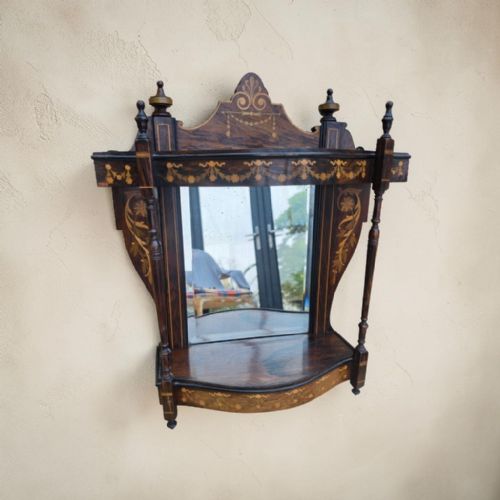
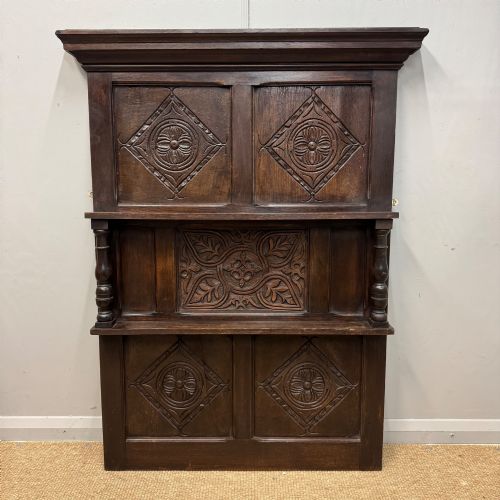
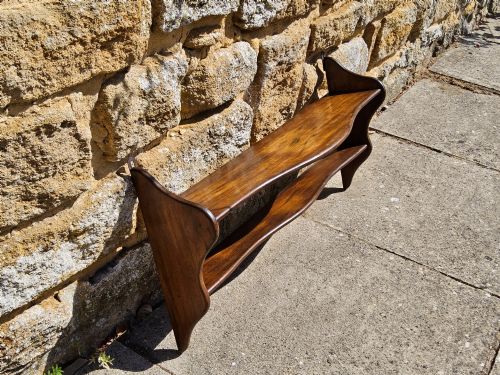
Forms range from simple open mahogany racks and waterfall bookshelves to complex walnut wall cabinets, oak plate racks, and inlaid corner units. These pieces served diverse domestic functions across parlours, halls, bedrooms, and kitchens, offering compact storage without occupying floor space.
How they were made
Cabinet makers utilised solid timbers and veneers such as mahogany, oak, walnut, satinwood, limewood, and olive wood, often combining structural woods with decorative grain patterns. Construction techniques involved dovetail joints, pegged framing, and panel assembly, supplemented by brass fixings and iron hardware.
Surface ornamentation included intricate marquetry, hand-painted finishes, carved details, and inlaid banding. Back panels frequently employed tongue-and-groove boarding, while shelving supports ranged from simple bracket ledges to graduated stepped tiers.
Wooden Hanging Shelves Retail Price Guide 2026
Typical asking prices for wooden hanging shelves among the pieces listed under this phrase on Sellingantiques today, from the lower quarter to the upper quarter. They describe what is for sale here now, not the wider market.
Listings feature woods including oak, mahogany, walnut, satinwood, limewood, and olive wood, spanning the 17th to the 20th century.
What varies in quality
Quality rests in the selection of timber figures, the precision of joinery, and the restraint or ambition of decorative elements like inlay and carving. Superior pieces demonstrate crisp moulding profiles, harmonious proportions, and intact original structural mounts that secure the item safely to the wall.
The sophistication of secondary woods, the execution of hand-cut joints, and the integrity of historic finishes distinguish standard utility pieces from exceptional cabinet-maker productions.
Heals·Arthur Simpson
The Wooden Hanging Shelves Glossary
- Delft rack
- A wall-mounted wooden rack specifically designed to display ceramic plates and platters upright along slotted shelves.
- Waterfall bookshelves
- Graduated tiered shelving units where each tier steps back progressively from the bottom to the top.
- Marquetry
- Decorative veneer work forming pictorial or geometric patterns using various coloured wood veneers.
- Bracket
- A projecting support member fixed beneath a shelf to bear vertical weight against a wall.
- Overmantel
- A decorative wooden frame or shelving structure mounted specifically on the wall above a fireplace mantelpiece.
Wooden Hanging Shelves: Frequently Asked Questions
How do I hang antique wooden shelves securely?
Wall-mounted shelves require sturdy fixings suited to the specific wall construction, whether plaster, brick, or stud work. Original hanging brackets or reinforced back plates determine the primary mounting points.
Distributing weight evenly across the fixing screws ensures the antique timber and joints sustain no undue stress once loaded with books or ceramics.
What periods do these wooden hanging shelves represent?
The selection spans multiple centuries, incorporating seventeenth-century carved designs, eighteenth-century Georgian and Regency pieces, and nineteenth-century Victorian and Arts and Crafts productions. Edwardian and early twentieth-century examples also appear regularly.
Stylistic shifts trace the evolution from heavy, carved oak forms towards lighter mahogany tiers and inlaid satinwood aesthetics.
Were these shelves made for specific rooms?
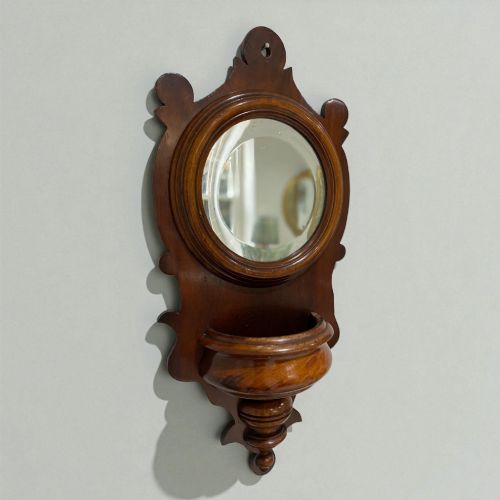
Original uses varied widely according to the form and domestic context of each piece. Plate racks served kitchens and dining areas for displaying delftware, while smaller cabinets and bracket mirrors functioned in hallways, bedrooms, and bathrooms.
Bookcases and tiered shelves provided compact reading storage in studies and parlours where floor space remained limited.
How do I care for antique wood surfaces?
Maintaining wooden hanging shelves involves dusting regularly with a soft, dry cloth and avoiding excessive moisture or direct sunlight. Preserving the historic polish requires occasional applications of appropriate wax rather than modern silicone sprays.
Keeping pieces away from direct heat sources prevents the timber from drying out and guards against veneer lifting or splitting.