

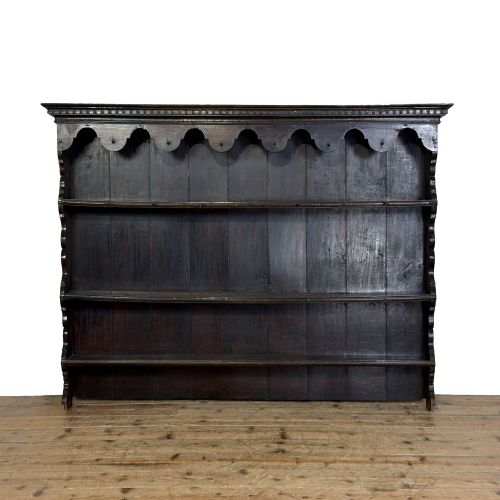
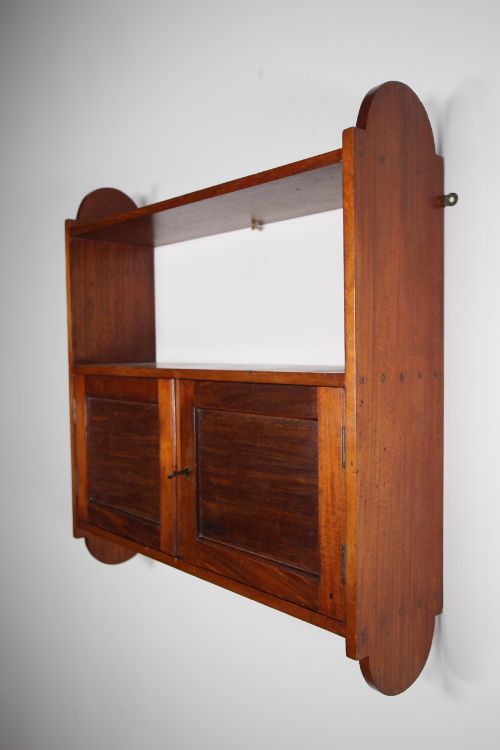
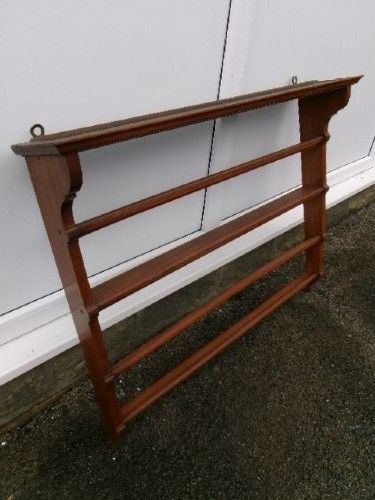
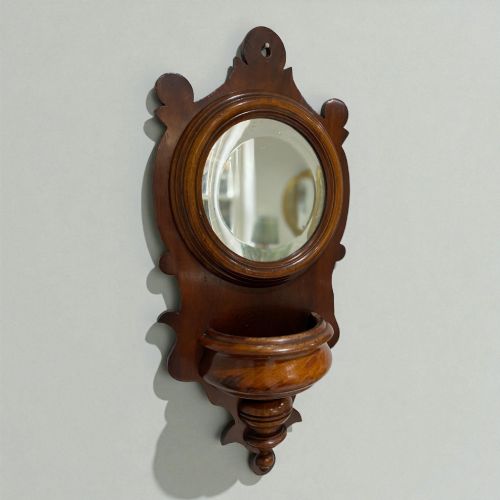


Wooden Hanging Shelf
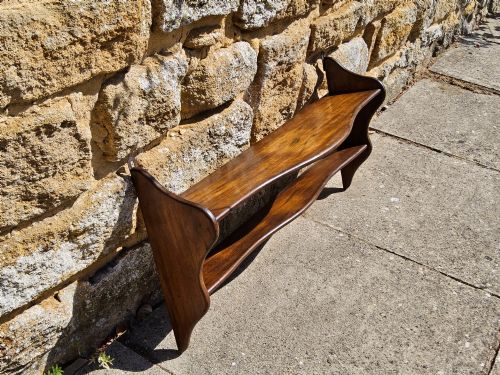
A wooden hanging shelf organises wall space with simple ledges, offering practical storage and display for books or ceramics.
Wooden Hanging Shelf
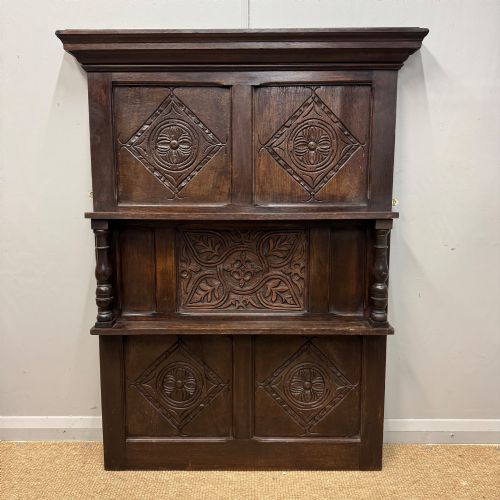
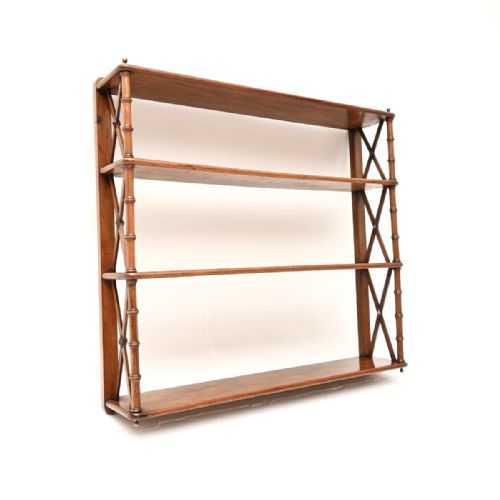
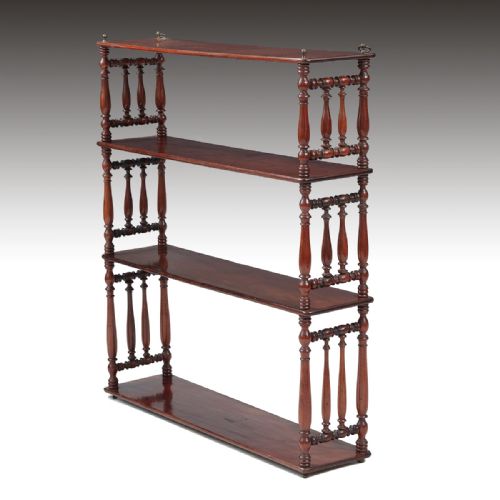
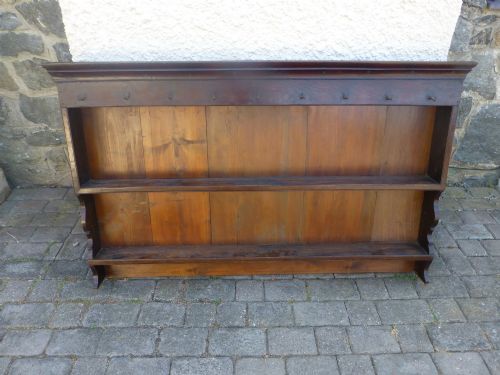
A wooden hanging shelf is a wall-mounted piece designed to hold books, plates, or decorative objects without taking up floor space. When searching this phrase, buyers encounter varied forms ranging from simple open shelves to cabinet combinations.
The selections span multiple eras, notably the 18th century, Georgian, Regency, Victorian, and Edwardian periods. Most examples meet the eye as mahogany or oak structures intended for domestic display.
Makers utilised various secondary elements, integrating brass details, glass panels, and mirrors into the design of these wall fixtures. One frequently meets compact hanging bookshelves, corner brackets, and delft racks among the listed items.
Materials and construction
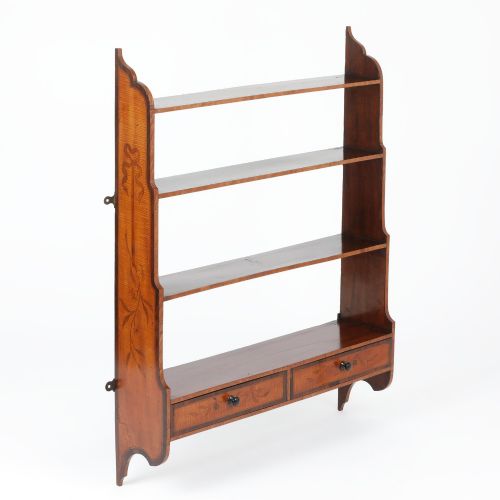
Carpenters built these pieces primarily using hardwoods such as mahogany, oak, and walnut, frequently enhancing them with satinwood, olive wood, or limewood veneers. Inlay, marquetry, and hand-painted finishes appear on decorative examples from later periods.
Structural integrity relied on pegged joints, dovetailing, and sturdy wall brackets designed to support the weight of books or ceramics safely over time. Brass fixings and iron hardware provided secure hanging points for the heavier cabinets and mirror combinations.
Wooden Hanging Shelf Retail Price Guide 2026
Typical asking prices for wooden hanging shelf among the pieces listed under this phrase on Sellingantiques today, from the lower quarter to the upper quarter. They describe what is for sale here now, not the wider market.
Even a modest wall shelf sometimes managed to incorporate a hidden cabinet, a folding desk, or a mirror for checking one's hat.
Judging the work
Quality rests on the selection of timber grain, the crispness of carved details, and the integrity of the original joints rather than mere age. Pieces featuring subtle inlay or balanced proportions demonstrate superior craftsmanship compared to plain utility items.
The preservation of original surfaces, such as undisturbed polish or period paint, distinguishes better examples from those altered or overly restored in subsequent decades.
Arthur Simpson
The Wooden Hanging Shelf Glossary
- Delft rack
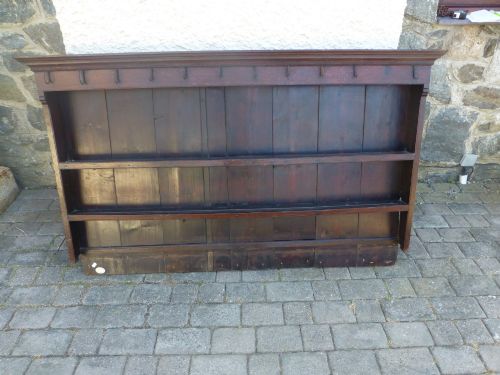
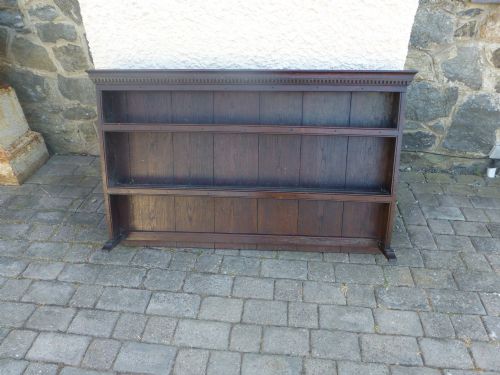
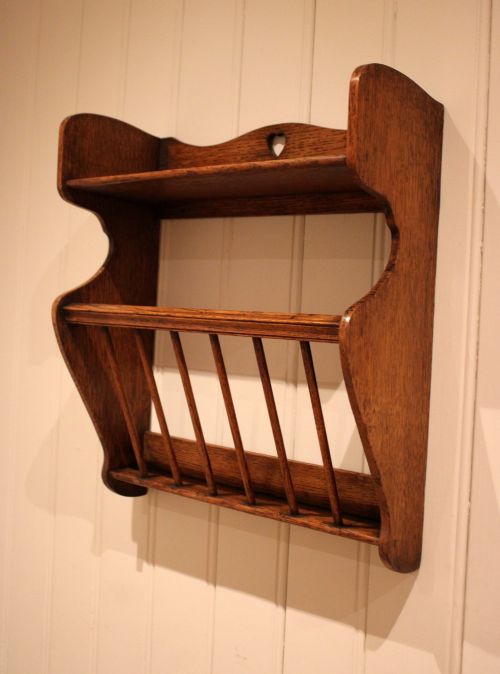
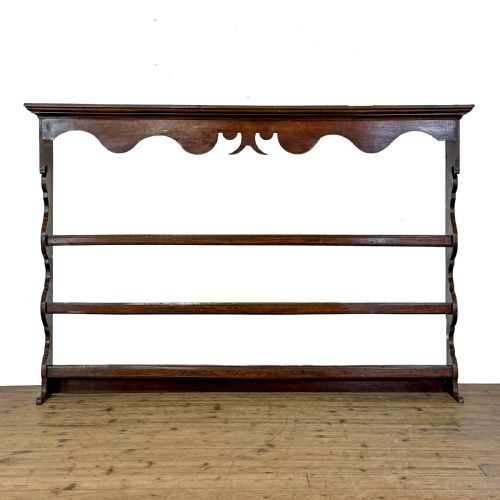
- A wall-mounted wooden shelf featuring narrow tiers and plate grooves designed specifically to display earthenware plates. These racks originated in the 18th century.
- Waterfall bookshelves
- Graduated hanging shelves where each tier steps back from the one below it, creating a cascading profile. They appear in mahogany and satinwood.
- Inlay
- A decorative technique where contrasting pieces of wood or other materials are inserted into recesses within a solid wooden surface. This method decorates Regency and Edwardian pieces.
- Overmantel
- A large mirror or shelving unit designed to hang directly above a fireplace mantelpiece. Some examples incorporate small display shelves into the wooden frame.
Wooden Hanging Shelf: Frequently Asked Questions
What is a wooden hanging shelf?
A wooden hanging shelf is a wall-mounted furnishing designed to hold books, plates, or decorative objects off the floor. These pieces use brackets or hanging loops to secure directly to wall surfaces.
Such fixtures range from simple open board ledges to enclosed cabinets with glass doors or mirrors. They provide accessible storage in compact domestic spaces.
How were they used historically?
Historically, these shelves served practical storage needs in kitchens, hallways, and libraries. Delft racks held ceramic plates upright, while smaller cabinets stored shaving gear or keys.
In living areas, hanging shelves displayed prized books and small ornaments. Their elevated placement kept everyday items within arm's reach while preserving floor space.
Where should I hang one?
These shelves suit rooms requiring vertical storage, such as narrow hallways, kitchens, or above desks. Ensure the wall structure can support the weight of the timber and its contents.
Matching the wood tone of the shelf to existing furniture helps integrate the piece into the room. Secure fixing to wall studs remains essential for heavier hardwood bookcases.
How do I date a wooden shelf?
Dating relies on timber choices, construction methods, and decorative styles characteristic of specific eras. Georgian and Regency pieces often feature solid mahogany with simple bracket fixings.
Later Victorian and Edwardian examples introduce richer inlays, painted finishes, or mixed media like mirrors and brass hooks. Examining the backboards and fixings provides clues regarding age.