



Wooden Hand Toy
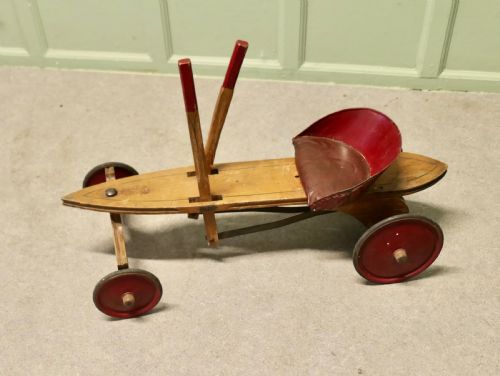
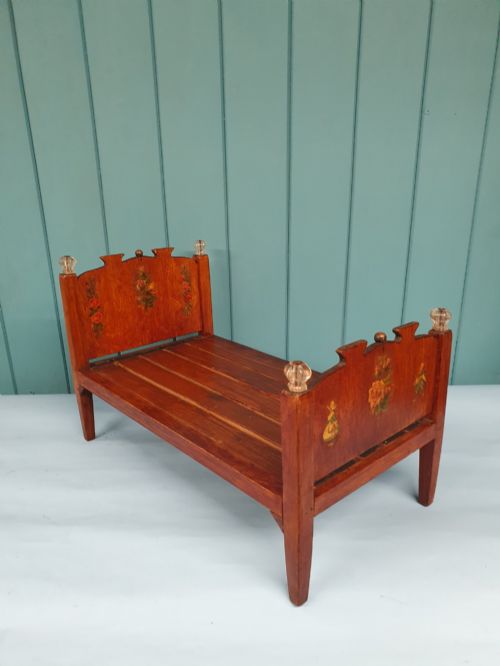
These wooden hand toy examples span antique folk art figures, carved animals, and children's playthings from the nineteenth and early twentieth centuries.
Wooden Hand Toy
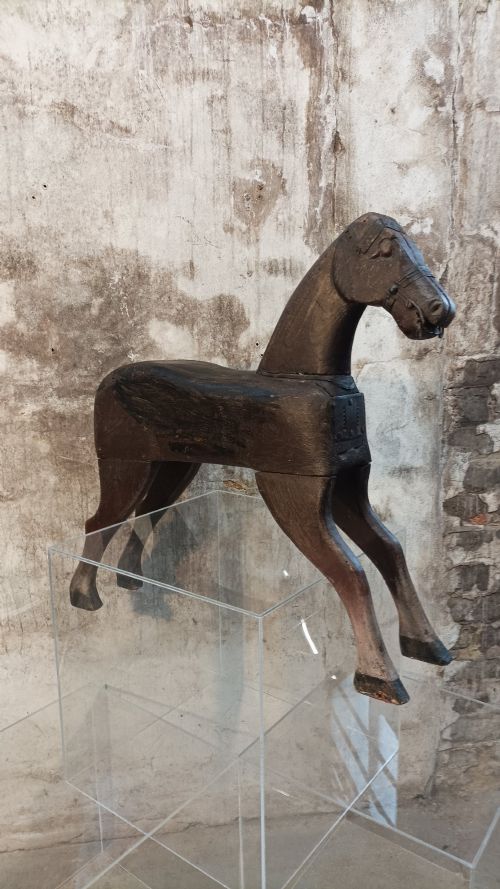
The most common forms on this page include carved wooden horses, animal groups such as Noah's Ark sets, and articulated figures. These pieces represent both British and American vernacular traditions, featuring items made for children alongside decorative wooden carvings.
Makers focused on utilitarian play and whimsical display, utilising traditional carpentry methods to produce durable items. Surviving examples retain traces of early use, showing the hand of the maker and the patina of age across diverse domestic settings.
Materials and construction methods
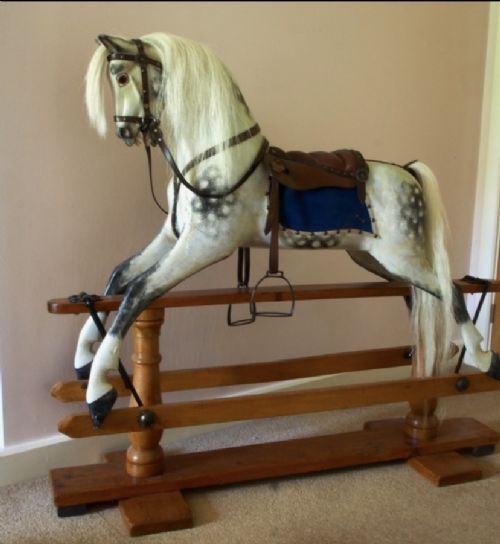
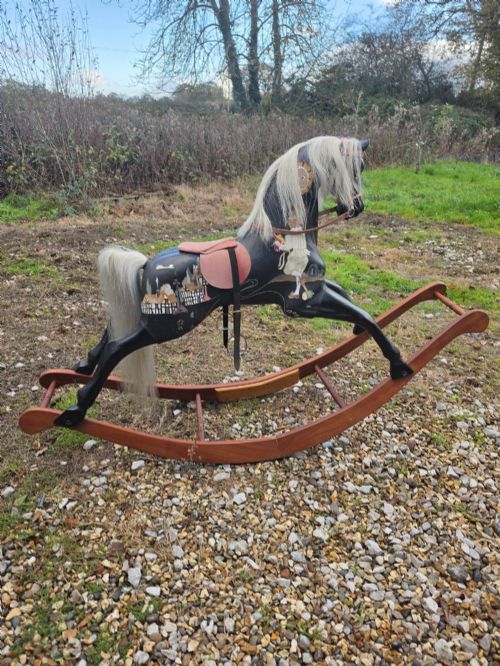
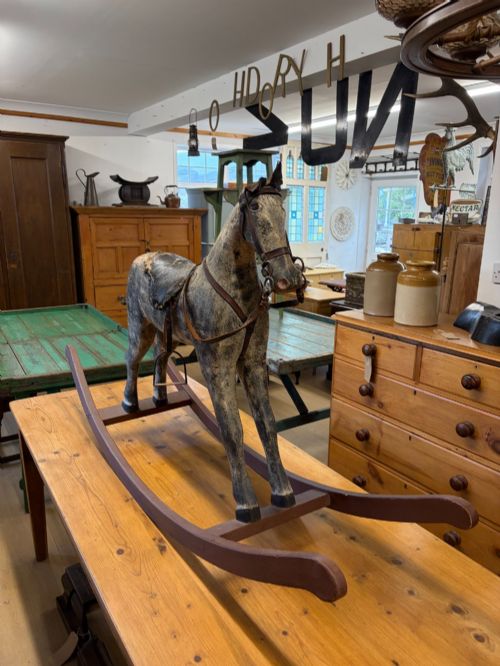
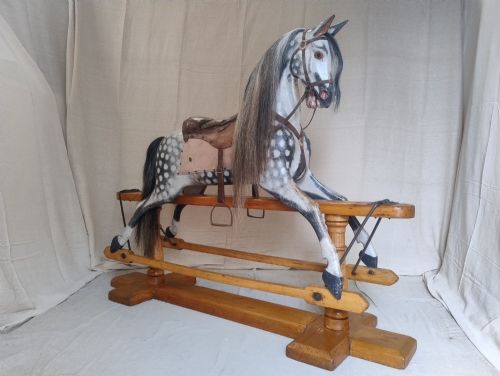
Makers utilised simple hand tools to carve forms from blocks of wood, finishing surfaces with primitive paint or leaving the grain exposed in treen items. Horsehair occasionally appears on larger rocking horses, complementing the wooden bodies and iron framework.
Wooden Hand Toy Retail Price Guide 2026
Typical asking prices for wooden hand toy among the pieces listed under this phrase on Sellingantiques today, from the lower quarter to the upper quarter. They describe what is for sale here now, not the wider market.
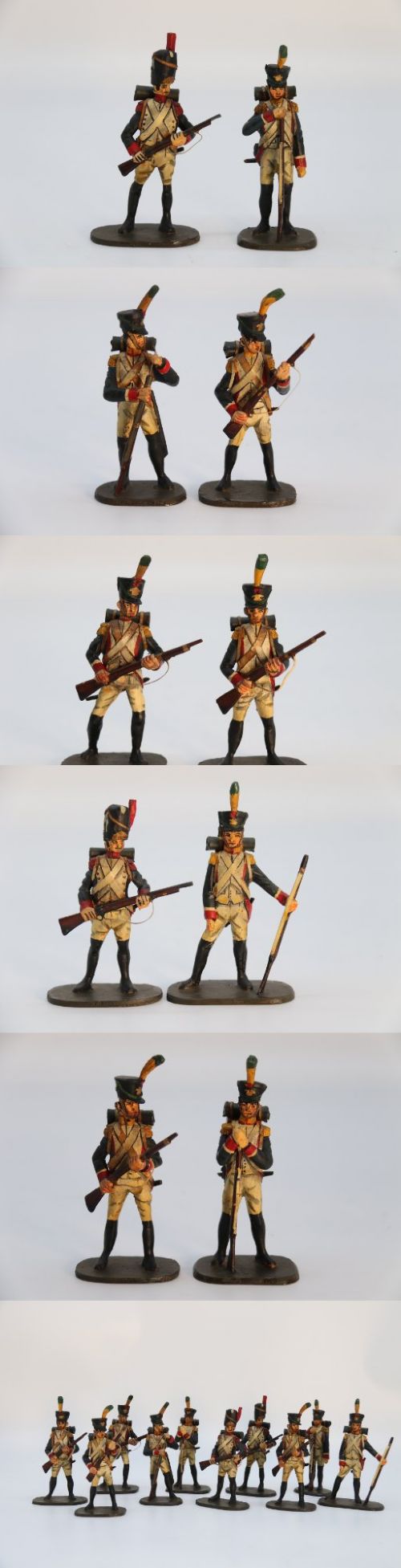
Ignatz the painted wooden mouse keeps watch alongside a collection of Napoleonic soldiers.
Distinctions in quality and execution
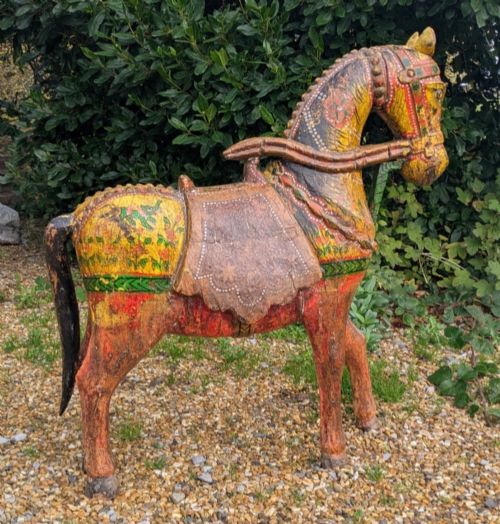
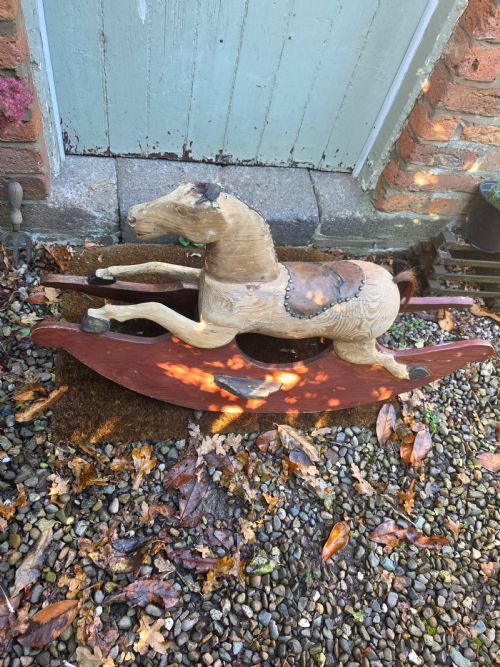
Quality in these pieces rests upon the expressive character of the carving and the survival of original surface paint. Finer examples display confident proportions and detailed hand-painting, whereas simpler objects rely on rustic, naive execution.
The integrity of original surfaces determines much of the visual interest, with untouched paint layers holding greater historical coherence than later overpainting. Mechanical elements, where present, should operate with the simplicity intended by the original maker.
F.H.Ayres
The Wooden Hand Toy Glossary
- Treen
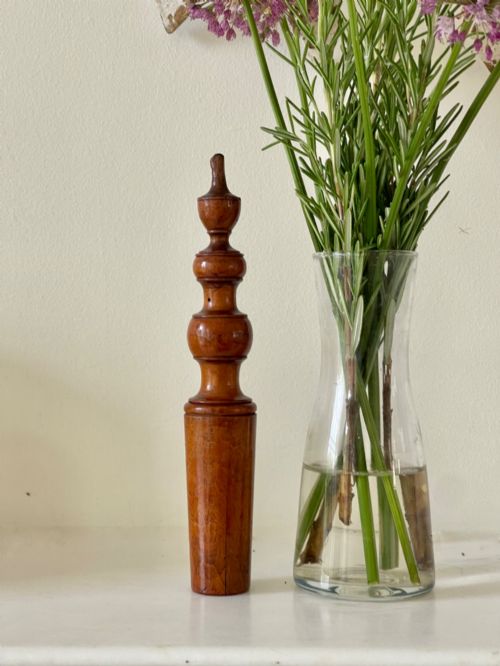
- Small handmade wooden domestic objects. The term derives from the old English word for tree.
- Jigger doll
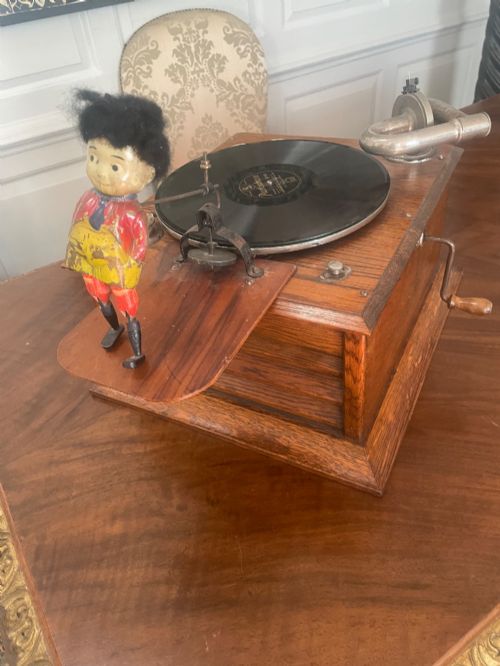
- A traditional mechanical toy featuring a jointed figure that dances on a board when tapped by hand. They were popular in rural communities during the nineteenth and early twentieth centuries.
- Whirligig
- A toy or decorative wind-powered contraption with rotating parts. Air movement causes the attached wooden figures to motion.
Wooden Hand Toy: Frequently Asked Questions
What is a wooden hand toy?
A wooden hand toy encompasses historical playthings, carved animal figures, and interactive novelties designed for manipulation by children or adults. These items include traditional rocking horses, articulated dolls, and carved figures from past centuries.
Most pieces reflect regional folk art traditions, utilising simple carpentry and hand-carving techniques rather than industrial mass production.
How do I identify nineteenth century pieces?
Nineteenth-century items typically display hand-cut joinery, older paint layers with natural crackle, and dense pine or hardwood construction. Tool marks left by gouges and saws provide clues to the age and manual production methods.
Examining the wear patterns on high-touch areas helps confirm the historical handling of these antique playthings.
Were these toys meant for children?
Many objects on this page served as functional children's toys, such as rattles, rocking horses, and Noah's Ark animal sets. Other items functioned as decorative sculptures or mechanical novelties for general amusement.
Folk art figures and display pieces often bridged the gap between functional playthings and decorative household items.
How should I care for antique wooden toys?
Keep wooden toys away from direct sunlight and fluctuating humidity to prevent the wood from splitting and the original paint from flaking. Gentle dusting with a dry, soft cloth preserves the delicate surfaces without introducing moisture.
Avoid using modern cleaning chemicals on painted folk art, as these substances can strip historical finishes.