


Wooden Hallway Tree
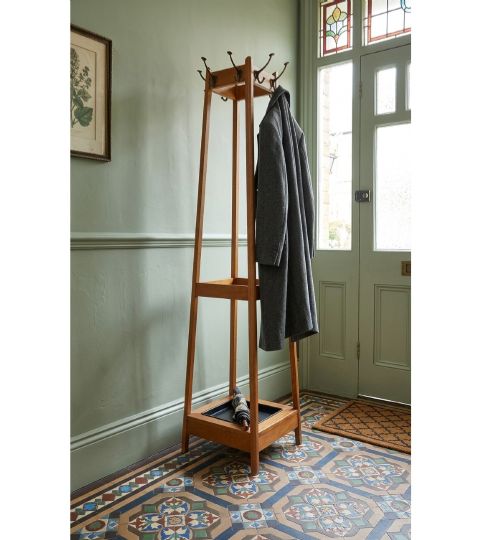
A wooden hallway tree is a practical piece designed for hats, coats and umbrellas, offering immediate storage as you step inside.
Wooden Hallway Tree
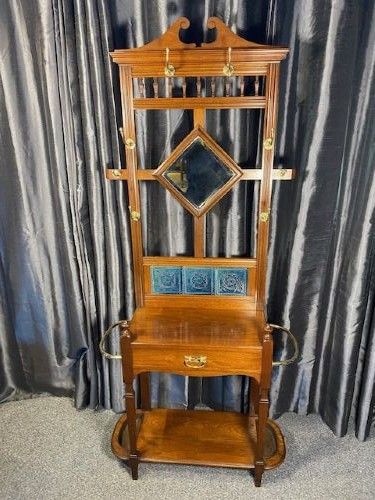
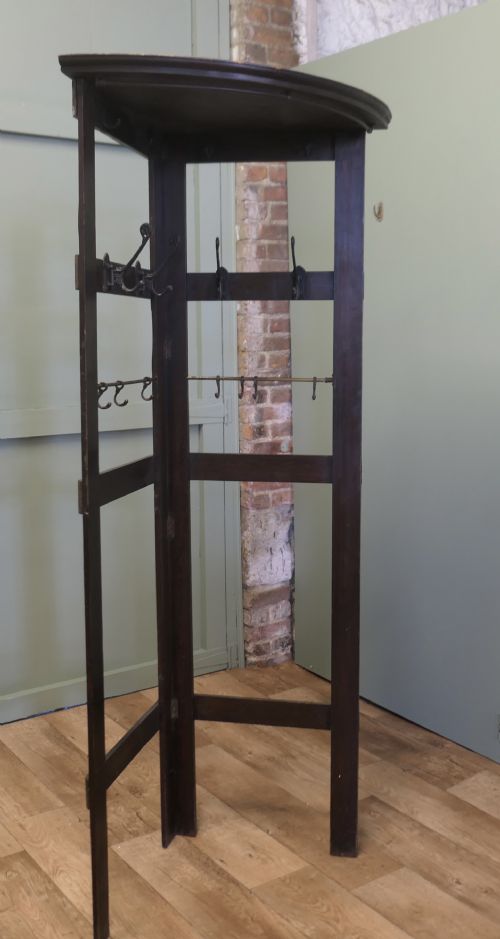
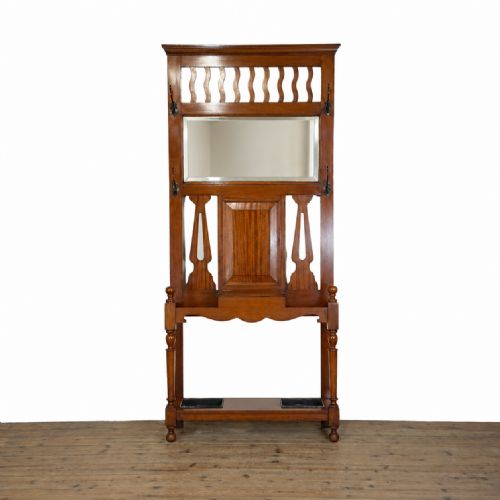
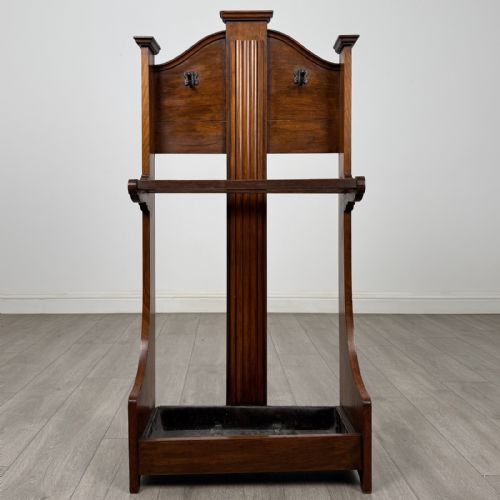
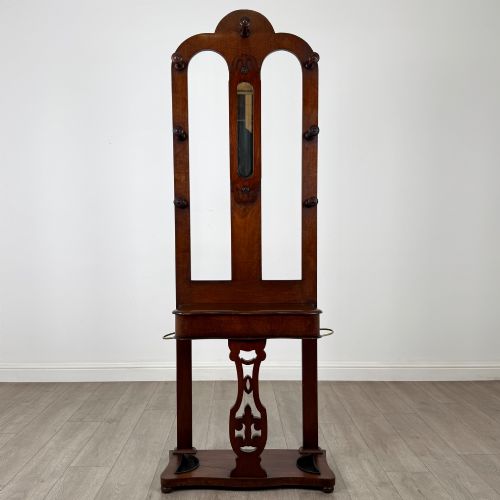
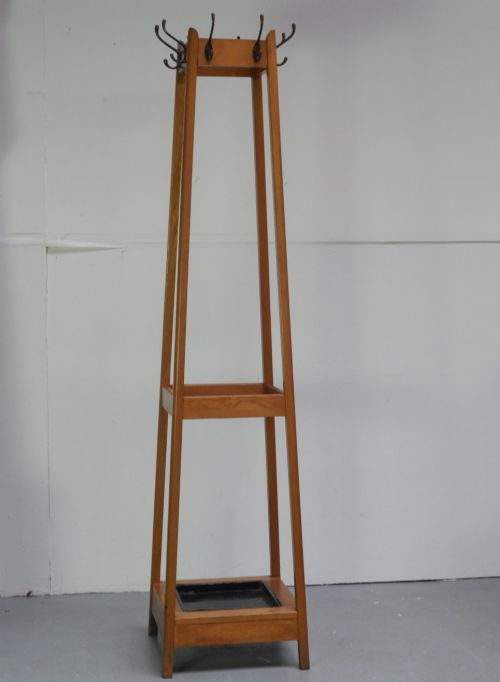
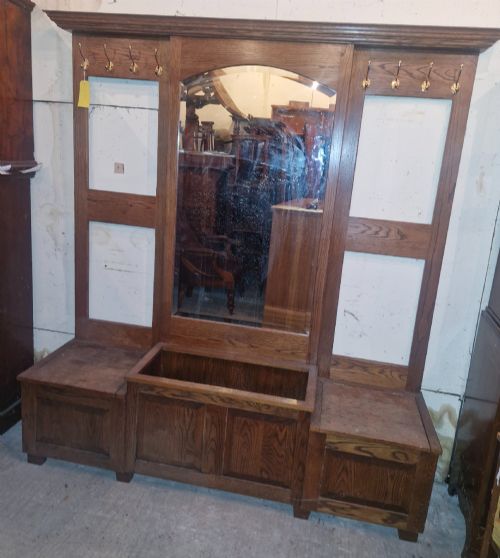
A wooden hallway tree combines hooks, mirror plates and umbrella storage into a single upright piece of furniture. When you search for a wooden hallway tree, you encounter sturdy Victorian and Edwardian examples built to organise an entrance hall.
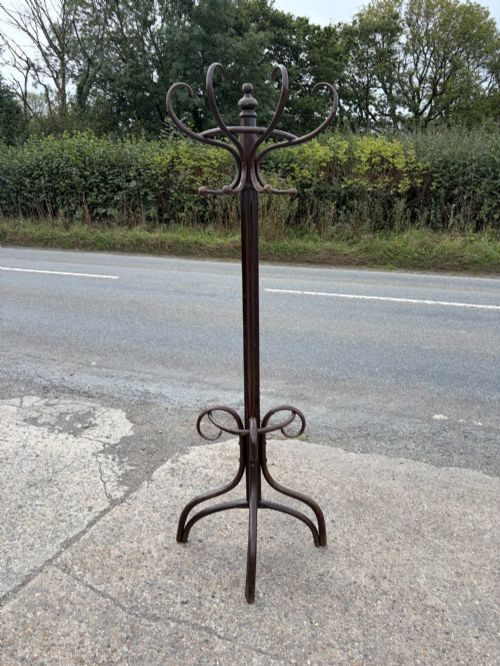
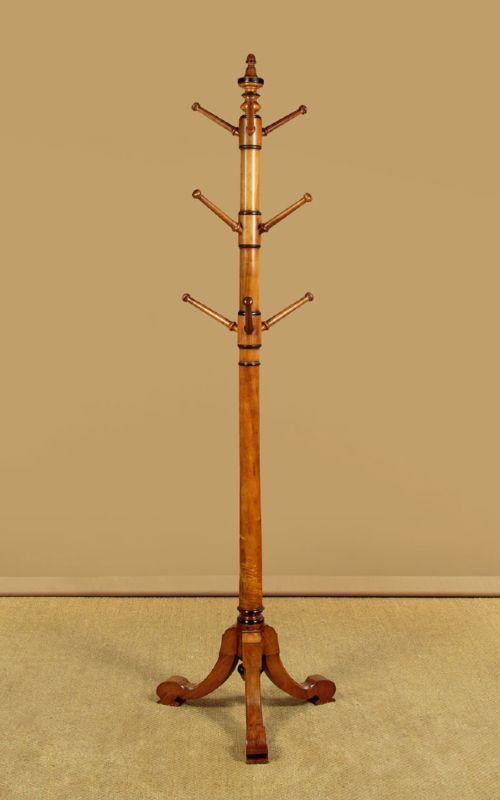
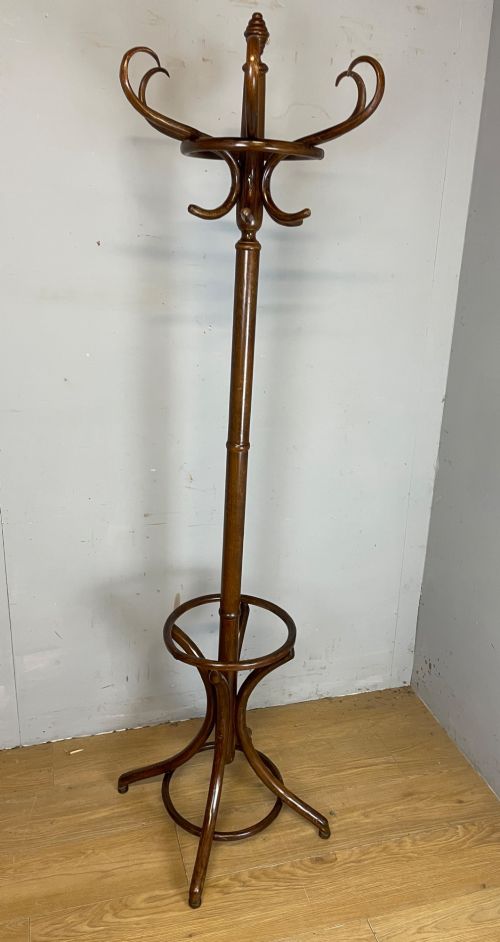
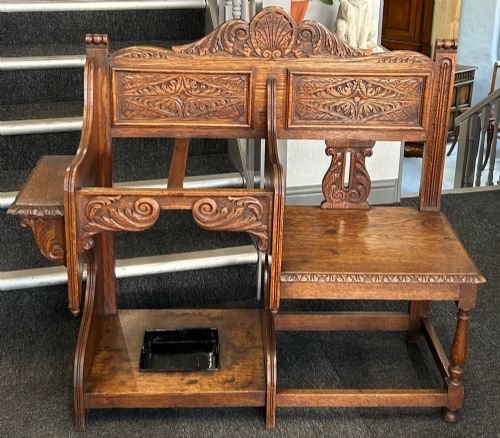
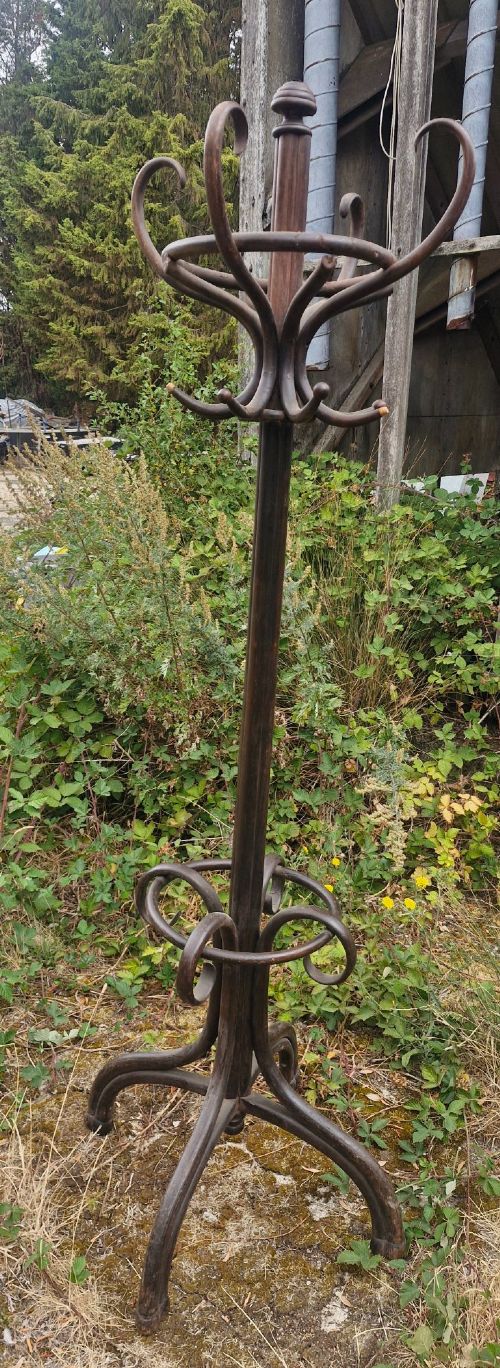
Many variants include hinged seats with hidden storage compartments and metal drip trays at the base. Simpler forms take the shape of bentwood coat stands designed with curved profiles for lighter garments.
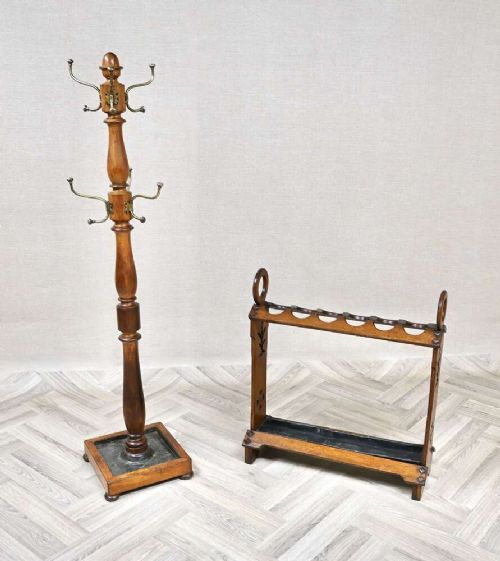
The materials reflect domestic utility, employing heavy hardwoods alongside steam-bent construction. Pieces range from carved oak seat stands to revolving hat and stick holders.
Materials and Technique
Makers utilised solid oak, walnut and mahogany for structural stability, applying carved panels and applied mouldings for architectural presence. Timber sections were joined using traditional mortise and tenon construction to withstand the daily weight of winter garments.
Bentwood examples rely on steam-heated beech rods pulled into graceful curves and secured with screw fastenings. Metal components such as brass coat hooks and cast iron drip trays were integrated to handle wet umbrellas.
Glass mirrors, often bevelled, were fitted into the central backboards of larger hall stands to bounce light into narrow corridors.
Wooden Hallway Tree Retail Price Guide 2026
Typical asking prices for wooden hallway tree among the pieces listed under this phrase on Sellingantiques today, from the lower quarter to the upper quarter. They describe what is for sale here now, not the wider market.
Certain Victorian hallways featured dedicated revolving boot stands designed to help household members pull off muddy riding boots after a wet ride.
Standards of Craftsmanship
The distinction between ordinary and superior pieces rests on the weight of the timber and the depth of the carved detail. Heavier walnut and golden oak structures with fielded panels represent a more ambitious standard of joinery than basic pine-backed variants.
The retention of original brass hardware, detachable metal drip trays and intact mirror plates marks a better-preserved survival. Steam-bent pieces depend on the smoothness of the curves and the tightness of the original mechanical joints.
Proportion dictates visual success, separating congested decorative schemes from balanced designs that suit confined entrance spaces.
The Wooden Hallway Tree Glossary
- Hall Stand
- A tall piece of hallway furniture combining coat hooks, a mirror and umbrella compartments. Many incorporate a hinged seat over a storage box.
- Bentwood
- Wood softened by steam and bent into curved shapes. This technique creates lightweight yet robust coat and hat stands.
- Drip Tray
- A removable metal tray placed at the base of a stand to catch water from wet umbrellas and walking sticks.
- Arts and Crafts
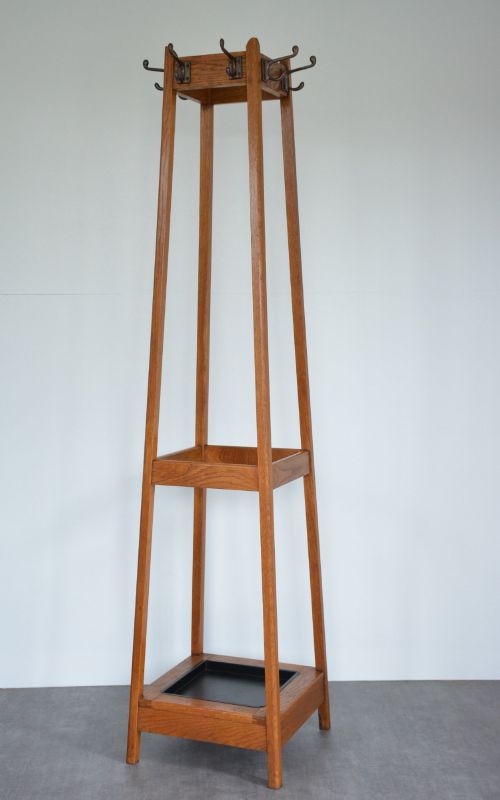
- A design movement favouring plain surfaces, visible construction methods and honest materials. It produced robust oak furniture with minimal ornament.
Wooden Hallway Tree: Frequently Asked Questions
What is a wooden hallway tree?
A wooden hallway tree is an upright piece of furniture designed to hold coats, hats and umbrellas in an entranceway. These items combine vertical storage with mirrors and sometimes a seat.
They emerged as essential household furniture during the Victorian and Edwardian eras to keep hallways tidy.
How do I identify a bentwood hall stand?
Bentwood stands are characterised by curved wooden poles and looped branches formed through steam-heating. They often feature a lighter silhouette made from beech.
These pieces typically date from the late nineteenth or early twentieth century and include revolving or half-round designs.
Do hall stands include storage seats?
Many larger hall stands incorporate a bench seat with a hinged lid that opens to reveal a box underneath. This compartment was traditionally used for storing rugs or overshoes.
Such multi-functional pieces combine seating with the standard arrangement of coat hooks and umbrella wells.
How do I care for antique oak?
Antique oak furniture benefits from occasional application of quality wax to nourish the grain and protect the finish. Avoid placing wooden pieces near direct heat sources to prevent timber splitting.
Regular dusting with a soft cloth maintains the surface sheen without building up residue.