

Wooden Hallway Rack
A wooden hallway rack organises coats, hats and umbrellas while setting a welcoming tone in an entrance.
Wooden Hallway Rack
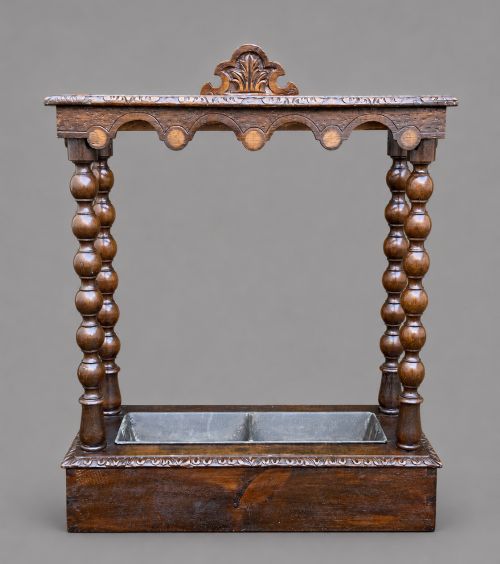
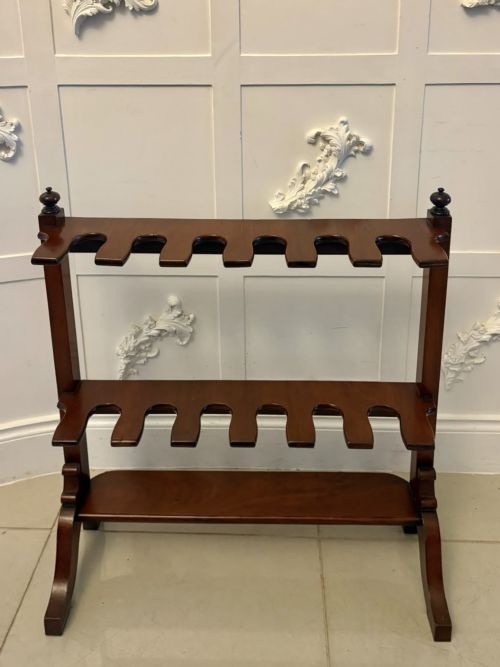
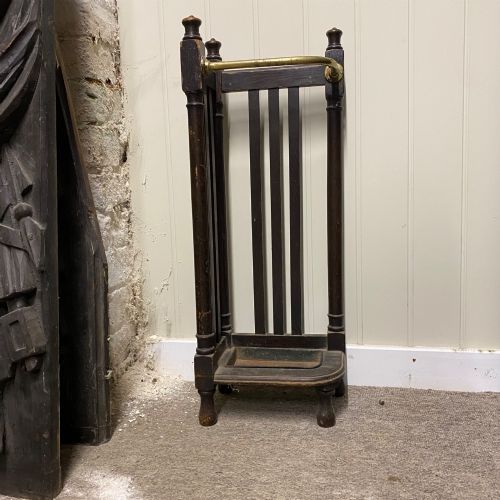
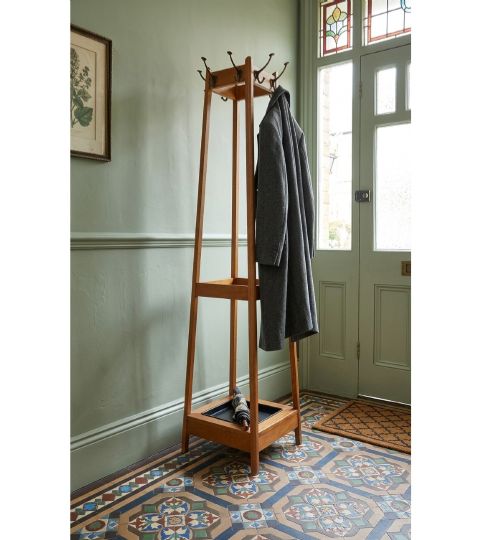
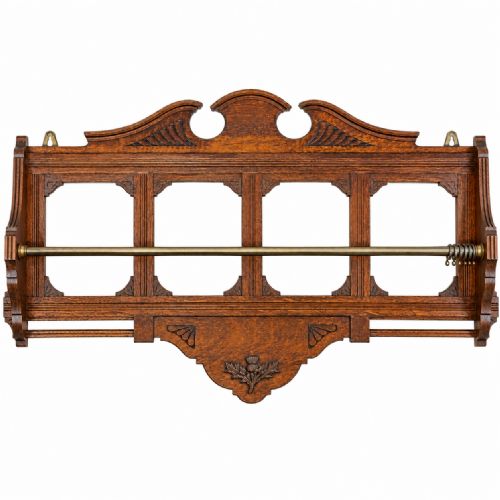
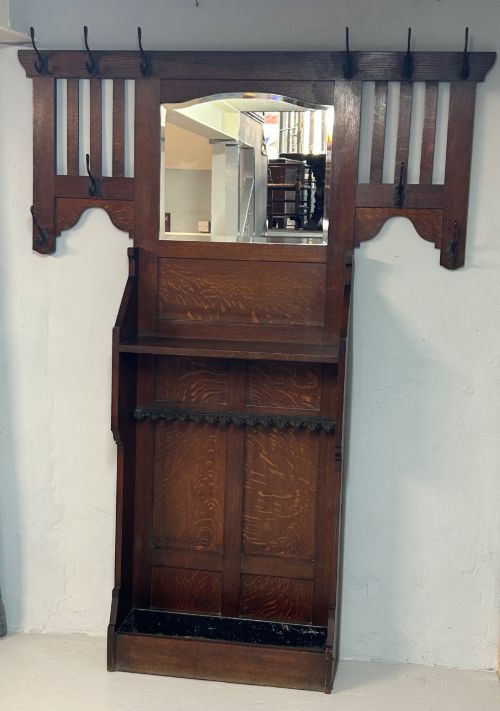
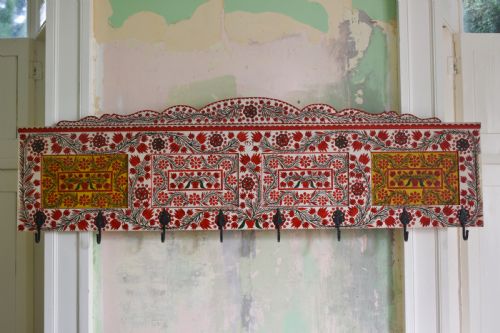
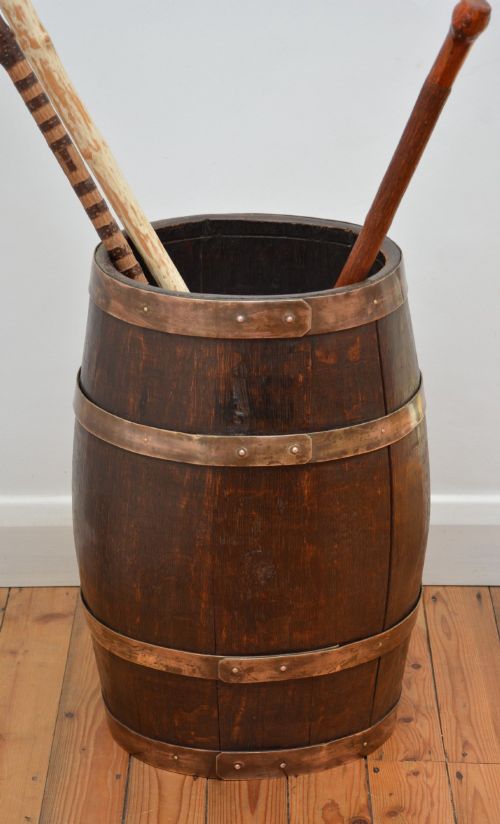
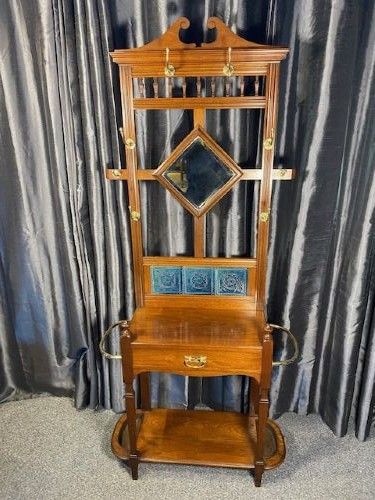
When searching for a wooden hallway rack, buyers encounter a diverse selection of entryway furniture designed for domestic organisation. The listings feature various forms, including wall-mounted coat rails, freestanding coat stands, and multi-functional hall stands incorporating umbrella holders.
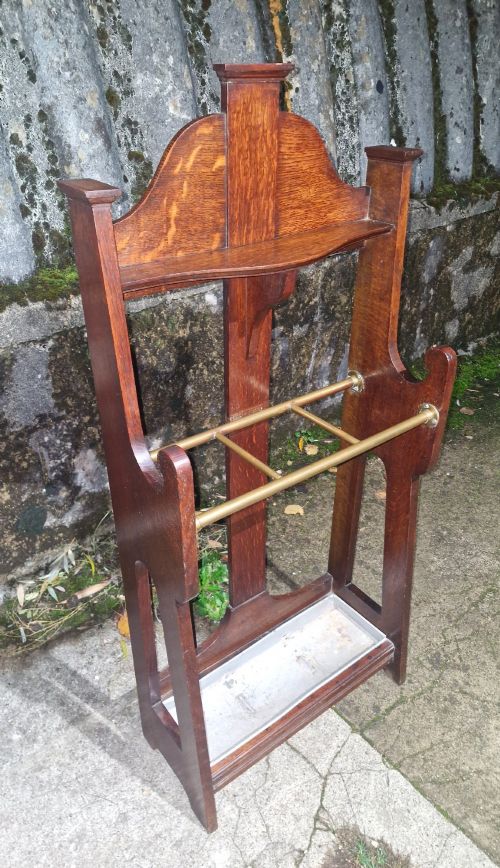
Originating from the nineteenth and early twentieth centuries, these items reflect the practical domestic requirements of their respective periods. Pieces span from plain utility designs in pine to decorative Arts and Crafts oak stands and lightweight Austrian bentwood hat stands.
Materials and Construction
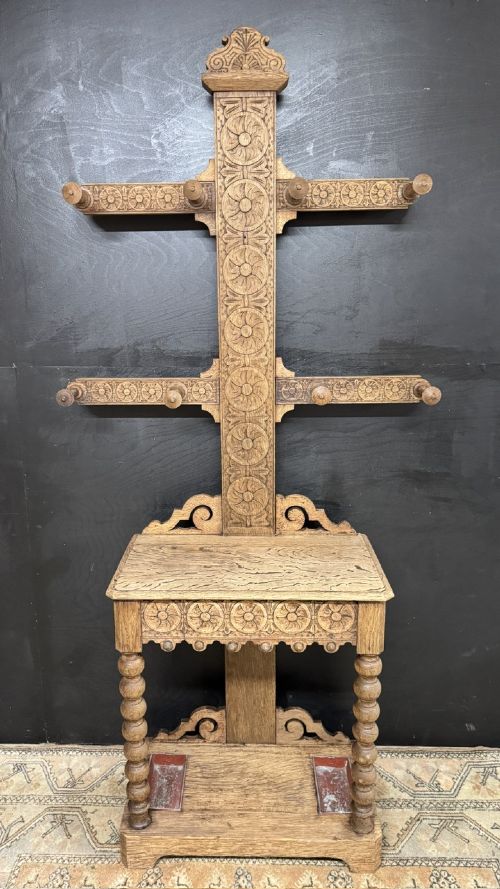
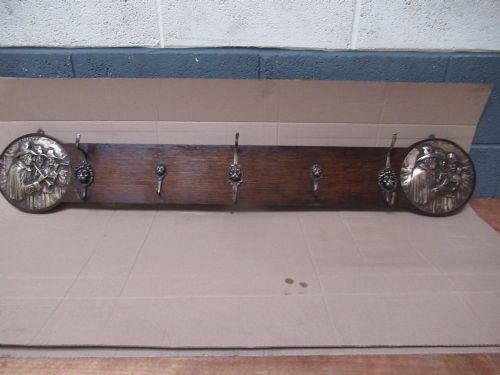
Carpenters utilised sturdy hardwoods such as oak, mahogany, walnut, and pine to construct the main frames, often applying carving, barley twist turnings, or faux bamboo styling for decoration. Wall racks typically consist of a solid wood backboard mounted with metal, cast brass, or ceramic hooks.
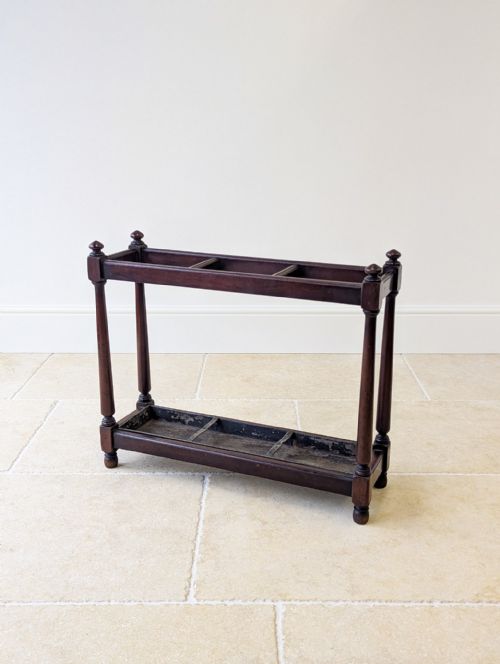
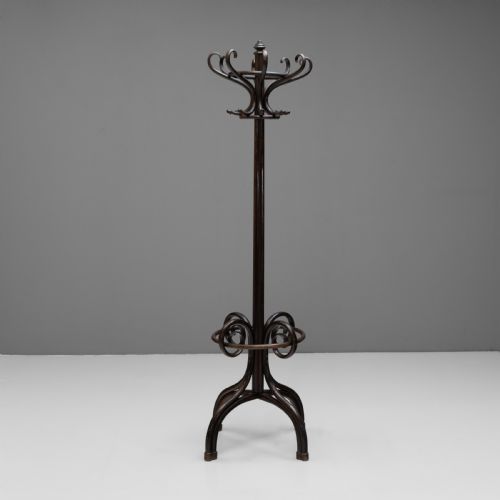
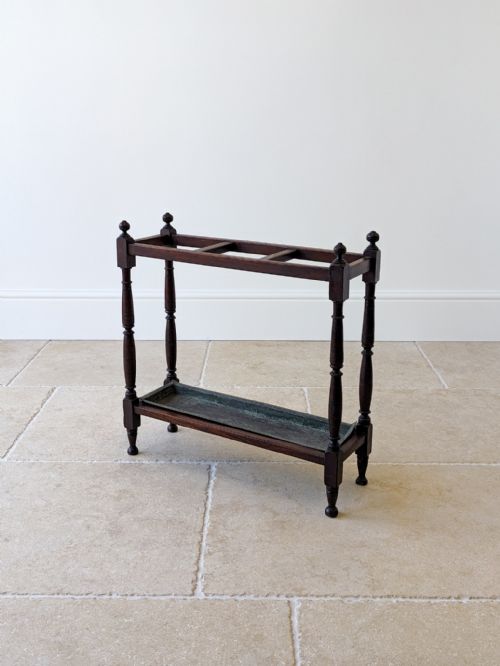
Freestanding umbrella and stick stands frequently incorporate iron or brass drip trays to catch moisture from wet weather gear. Bentwood items employ steaming techniques to curve beech or similar woods into flowing, lightweight vertical structures.
Wooden Hallway Rack Retail Price Guide 2026
Typical asking prices for wooden hallway rack among the pieces listed under this phrase on Sellingantiques today, from the lower quarter to the upper quarter. They describe what is for sale here now, not the wider market.
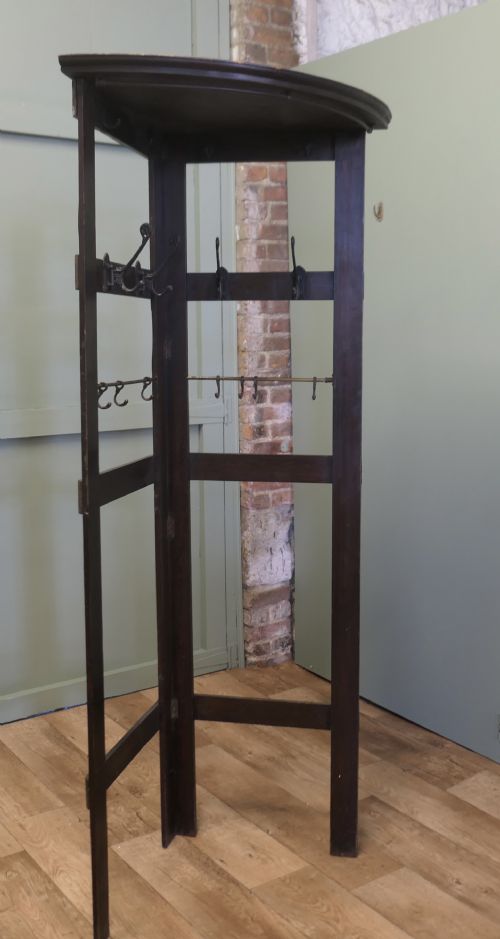
Some Edwardian pieces served as portable folding sports wardrobes, proving that changing rooms on the go is not a modern invention.
Variations in Quality
The distinction between standard and superior pieces rests upon the choice of timber and the sophistication of the joinery. Dense, figured hardwoods like quarter-sawn oak or rich mahogany indicate a higher standard of manufacture than utilitarian pine.
Hardware selection also marks the grade of an object, with cast brass hooks and matching ceramic inserts demonstrating superior craftsmanship compared to plain or replacement metal fittings.
Thonet·Liberty Design
The Wooden Hallway Rack Glossary
- Hall Stand
- A large piece of hallway furniture combining a coat rack, mirror, umbrella holders, and frequently a glove box or seat. These items served as central entry point organisers in period homes.
- Bentwood
- Wood softened by steam and bent into curved shapes using moulds. This technique created lightweight, durable coat and hat stands during the nineteenth and twentieth centuries.
- Stick Stand
- A receptacle designed specifically for walking sticks, canes, and umbrellas. They often feature segmented upper dividers and a metal base tray to retain water.
- Backboard
- The flat wooden plank that forms the structural base of a wall-mounted coat rack. It provides stability for the attached hooks and allows secure fixing to hallway walls.
- Barley Twist
- A type of woodturning resembling a spiral rope. This decorative motif appears frequently on the vertical supports of Edwardian and Victorian hall furniture.
Wooden Hallway Rack: Frequently Asked Questions
How do I secure a wall rack?
Wall-mounted racks require sturdy fixings into wall studs or masonry to support the weight of heavy winter coats. Ensure the screw holes in the wooden backboard align with appropriate wall anchors.
For older pieces with fixed span mounting points, measure carefully before drilling to guarantee a secure installation in your hallway.
What maintenance do wooden racks need?
Protect the wood surface by applying a quality beeswax periodically to maintain the finish and prevent dryness. Avoid placing damp items directly onto unsealed wooden shelves.
Check metal and brass hooks occasionally to ensure the fixing screws remain tight within the wooden backplate.
Where should I place a hall stand?
Position freestanding hall stands near the primary entrance of the home for convenient access to coats and umbrellas. Ensure adequate clearance for doors and drawers if the piece includes a seat or glove box.
Keep wooden furniture away from direct heat sources to prevent the timber from warping or splitting over time.