



Wooden Haberdashery Chest
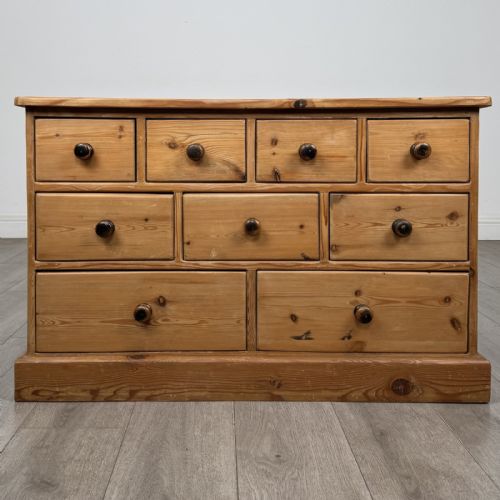
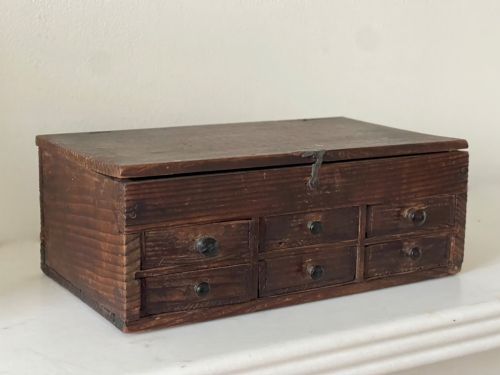
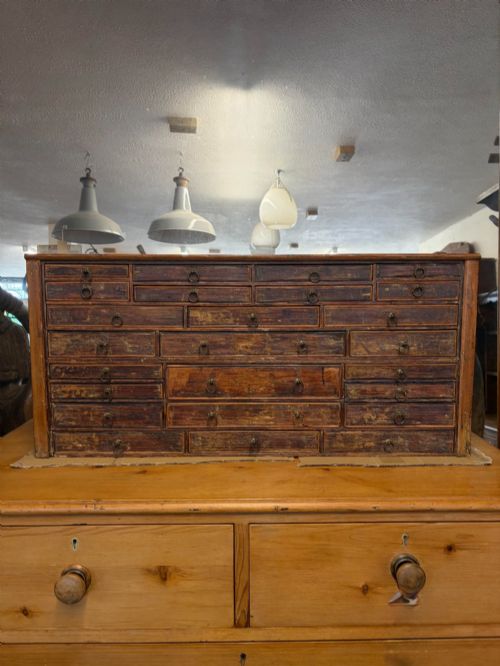
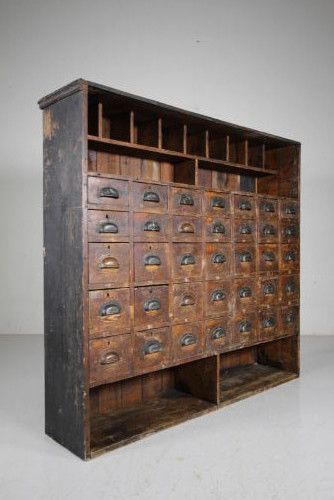
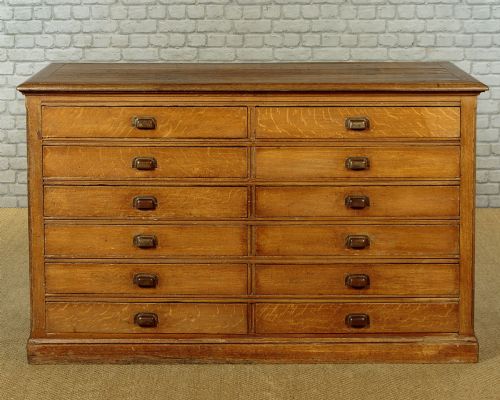
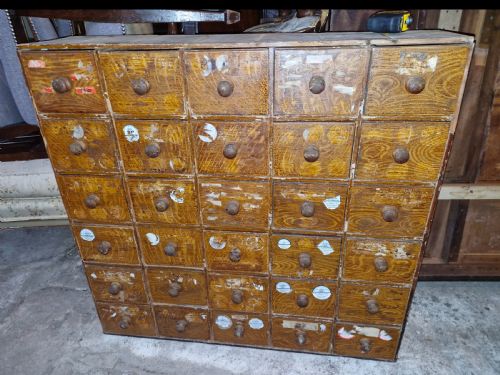
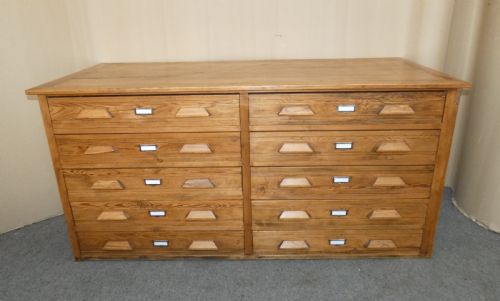
A wooden haberdashery chest is a practical storage piece designed with multiple shallow drawers, prized by collectors for organising small items.
Wooden Haberdashery Chest
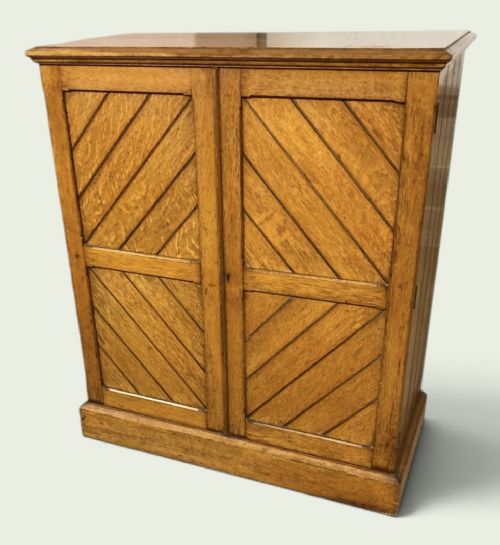
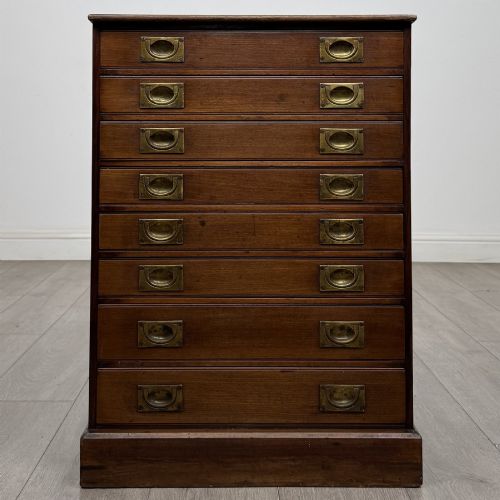
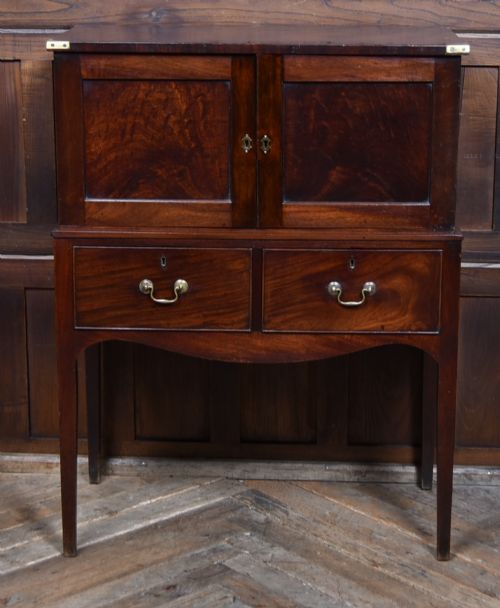
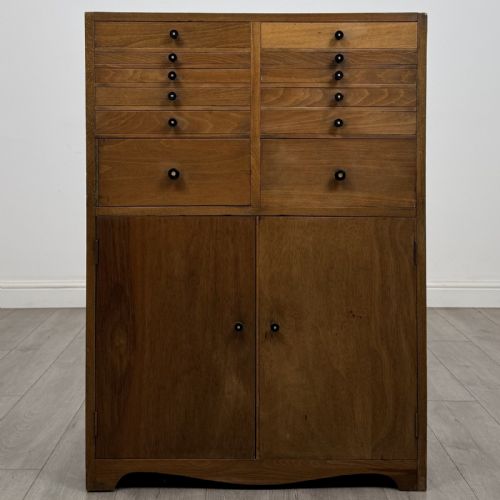
A wooden haberdashery chest serves as a functional storage piece, most frequently appearing as a bank of drawers, a shop cabinet, or a filing cabinet. These forms derive from commercial and domestic settings spanning the nineteenth century through the early twentieth century.
Buyers browsing this selection will encounter pieces originating from Victorian and Edwardian periods, alongside industrial and utilitarian examples. Oak, mahogany, and pine form the predominant structural woods for these multi-drawer units.
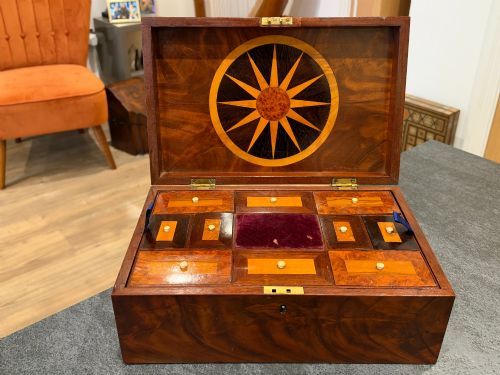
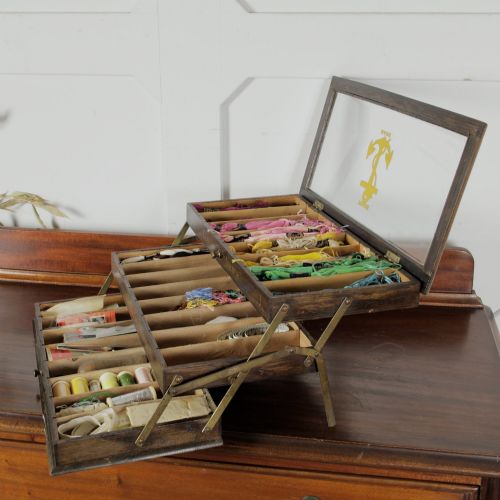
The inventory includes specialised variations such as apothecary chests, watchmakers boxes, and drapers display cases. These diverse objects share a characteristic multiplicity of drawers designed originally for retail stock or workshop organisation.
Materials and Construction
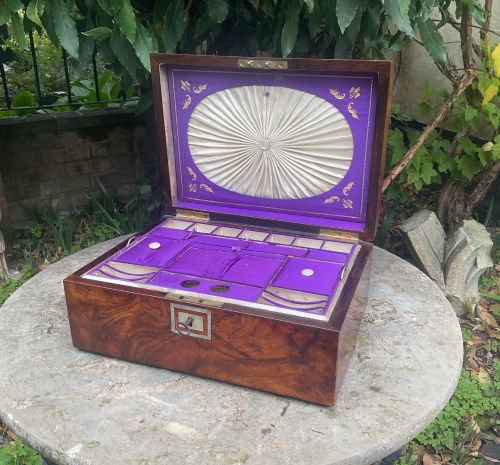
Craftsmen built these chests primarily using hardwoods like mahogany, oak, and walnut, alongside utilitarian softwoods such as pine and deal. Brass handles, label holders, and ironmongery furnish the drawer fronts and doors.
Joinery techniques prioritize utility and durability, utilising sturdy drawer construction to withstand frequent commercial use. Surfaces receive varying finishes, from polished walnut and painted wood to stained deal and raw timber.
Wooden Haberdashery Chest Retail Price Guide 2026
Typical asking prices for wooden haberdashery chest among the pieces listed under this phrase on Sellingantiques today, from the lower quarter to the upper quarter. They describe what is for sale here now, not the wider market.
Listings feature woods including mahogany, oak, pine, walnut, and fruitwood across the Victorian, Edwardian, and 1930s periods.
Standards of Execution
Quality in a wooden haberdashery chest rests upon the integrity of the timber selection and the precision of the multi-drawer construction. Pieces built from dense hardwoods like mahogany or walnut generally represent finer cabinetmaking than standard pine variants.
The scale and complexity of the drawer configuration dictate the character of the piece, with larger banks featuring numerous uniform compartments commanding greater attention. Original hardware, such as brass label pulls and patent mechanisms, preserves the authentic utility of the object.
Luxmore's of Ilfracombe·Ermen & Roby
The Wooden Haberdashery Chest Glossary
- Bank of drawers
- A chest featuring a high volume of horizontal drawers stacked vertically, typically utilised in retail or workshop environments. These units provide extensive compartmentalized storage.
- Haberdashery cabinet
- A display or storage chest originally built for drapery shops to hold ribbons, threads, and small garments. They often incorporate glazed fronts or numerous shallow drawers.
- Apothecary chest
- A multi-drawer cabinet designed for pharmacies and chemists to store medicinal herbs, powders, and bottles. These pieces feature dense arrangements of small labeled drawers.
- Campaign chest
- A portable storage unit made in sections with recessed brass fittings, designed for easy transport by military officers. Pitch pine and mahogany serve as common woods for these items.
- Collectors cabinet
- A small wooden chest created for housing natural history specimens, coins, or small artefacts. They contain shallow, dust-proof drawers tailored for delicate objects.
Wooden Haberdashery Chest: Frequently Asked Questions
What were wooden haberdashery chests used for?
These chests served primarily in retail shops and businesses to organise small merchandise like sewing cottons, ribbons, and hardware components. Their numerous shallow drawers kept stock visible and sorted for customers and clerks.
Over time, domestic spaces adopted them for similar organizational purposes, storing collections, stationery, or craft supplies in studies and workshops.
How do I date a wooden haberdashery chest?
Dating relies on identifying the primary wood species, construction methods, and hardware styles typical of specific eras like the Victorian period or the early twentieth century. Examining drawer dovetails and interior secondary woods provides clues to the manufacturing decade.
Patent marks, maker plaques, and retail labels stamped onto the cabinet frame offer direct historical context for the piece.
Where can I place a multi-drawer chest at home?
A multi-drawer chest fits well in a study, hallway, or kitchen where small items require systematic organisation. Their vertical proportions make them efficient space savers against empty walls.
Living rooms and bedrooms also accommodate smaller banks of drawers as statement furniture pieces that double as bedside storage.