




Wooden Glass Showcase
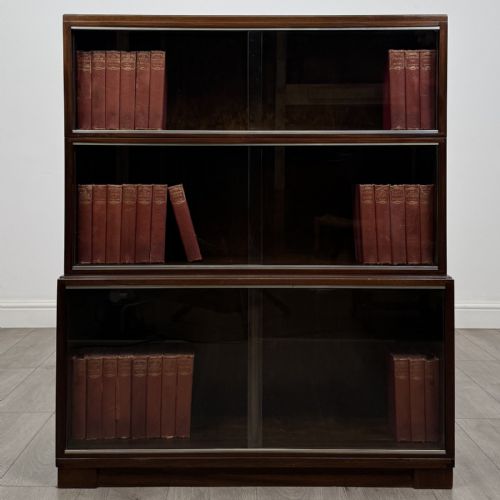
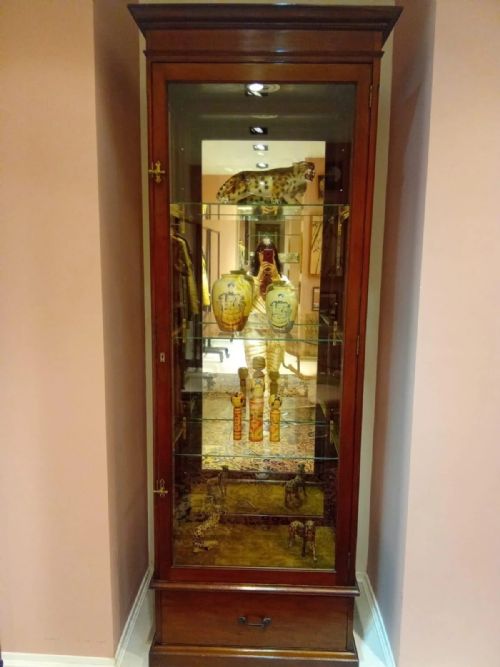
These wooden glass showcase pieces combine timber frames with transparent glazing to present objects cleanly.
Wooden Glass Showcase
A wooden glass showcase serves to protect and present items ranging from shop stock to delicate specimens. Buyers seeking a wooden glass showcase encounter forms that include countertop cabinets, tall display furniture, and glass domes with wooden bases.
The selections span Victorian, Edwardian, and Art Deco periods, drawing on English, French, and Anglo-Indian origins. Countertop cabinets and display domes dominate the available selections.
Cabinet styles range from utilitarian shop counters to refined inlaid mahogany display tables and vitrines. Each piece provides a clear view through glazed panels while housing treasures securely within wood structures.
Materials and construction methods
Makers utilised solid timbers such as mahogany, oak, beech, pine, and cedar, often pairing them with ebonised finishes or delicate inlay work. Structural integrity relied on traditional joinery to support heavy glass panels and shelves.
Glazing techniques secured glass panes within rebated wooden frames, sometimes supplemented by brass hardware or fabric linings. Countertop and wall-mounted models incorporated adjustable glass shelves and hinged or sliding doors for access.
Wooden Glass Showcase Retail Price Guide 2026
Typical asking prices for wooden glass showcase among the pieces listed under this phrase on Sellingantiques today, from the lower quarter to the upper quarter. They describe what is for sale here now, not the wider market.
One cheerful 1920s oak countertop cabinet bears later sign-writing for Cadburys Chocolate, reminding us of its sweet former life.
Factors of quality and finish
The refinement of timber selection and cabinet joinery distinguishes finer examples from utilitarian shop fittings. Intricate inlay, choice wood veneers, and well-fitted brass hinges elevate the visual standard of a piece.
The clarity and thickness of the original glass, alongside the condition of internal fabric linings such as felt, influence the overall presentation. Superior craftsmanship ensures doors hang true and glass panels remain secure within their frames.
The Wooden Glass Showcase Glossary
- Vitrine
- A glass-fronted display cabinet used for showing fine objects or porcelain. These French-influenced pieces often feature decorative woodwork and glazed sides.
- Cloche
- A bell-shaped glass cover set over a base to protect delicate items or taxidermy. They are typically paired with wooden bases made from pine, oak, or beech.
- Bijouterie table
- A glass-topped display table designed for small valuables, jewellery, and curiosities. They frequently date from the Edwardian period and employ inlaid mahogany.
- Collector’s cabinet
- A specialised storage piece fitted with multiple internal drawers for specimens or small artefacts. These items often showcase fine 19th-century timber craftsmanship.
- Countertop cabinet
- A compact glazed display unit designed to sit upon shop counters or tables for retail merchandising. Many surviving examples hail from the Edwardian era and the 1920s.
Wooden Glass Showcase: Frequently Asked Questions
Where were countertop cabinets used?
These glass and wood units sat upon retail counters in shops and apothecaries to present goods directly to customers.
They allowed merchants to display confectioneries, stationery, or small wares securely while keeping items visible.
What items belong inside display domes?
Display domes and cloches typically house delicate taxidermy specimens, clocks, and fragile ornaments. The glass cover protects sensitive items from dust and handling.
Wooden bases anchor the glass securely, ranging from simple pine rounds to polished oak plinths.
How do I distinguish Edwardian from Victorian cabinets?
Victorian display pieces often feature heavier timber frames and darker finishes, reflecting mid to late 19th-century interior tastes. They prioritise sturdy construction for domestic and commercial utility.
Edwardian and later examples tend towards lighter mahogany or inlaid decoration, pointing to more delicate proportions and neoclassical revival styles.
Are shelves in these cabinets adjustable?
Many countertop and wall display cabinets feature adjustable glass shelving supported by internal brackets. This adaptability accommodated varying heights of merchandise or collection pieces.
Fixed shelving appears more frequently in smaller wall-mounted units or specialised collector's cabinets.