

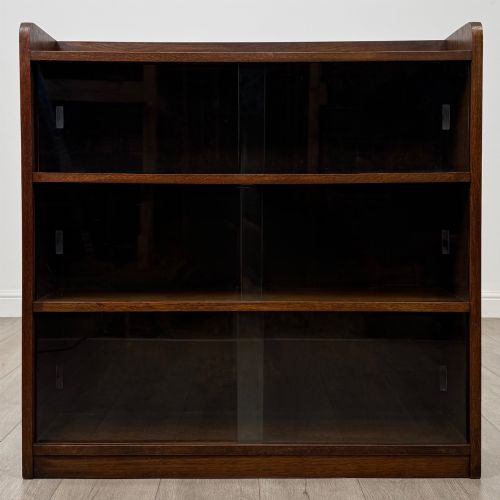

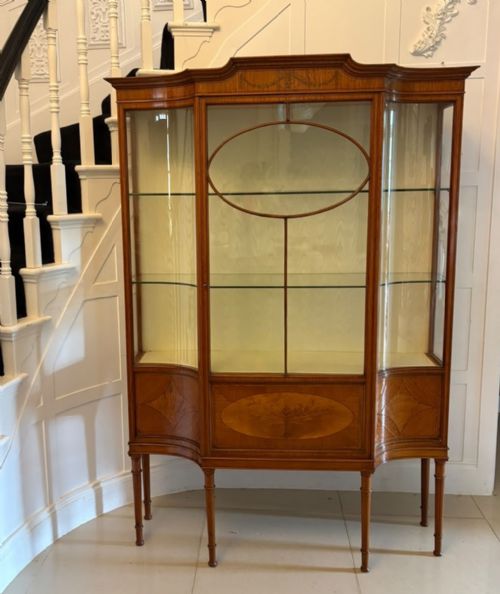


Wooden Glass Front Cabinet
A wooden glass front cabinet brings together visible storage and timber craft, offering a practical way to display and protect books or collections.
Wooden Glass Front Cabinet
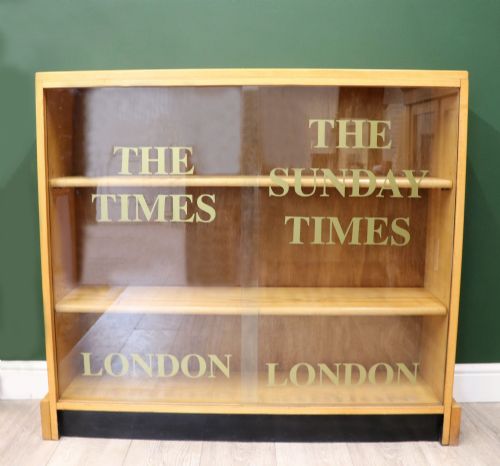
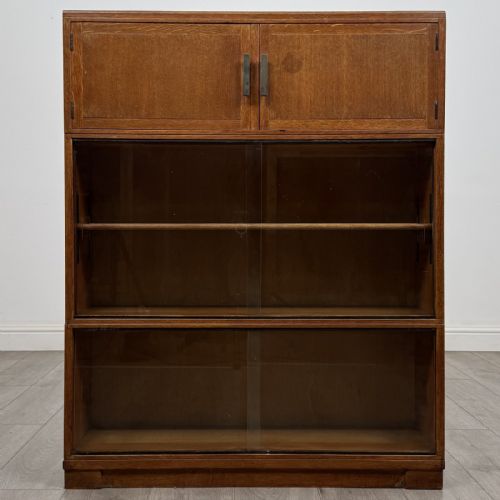
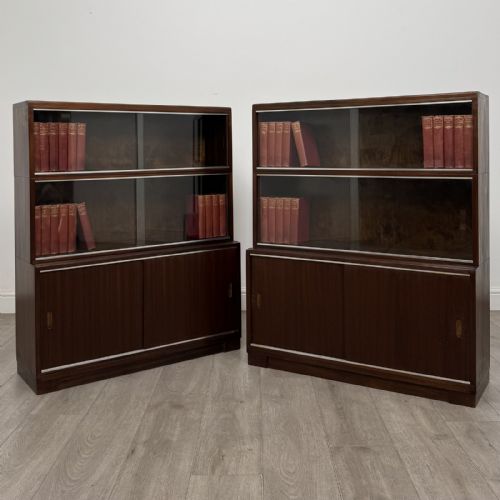
A wooden glass front cabinet serves primarily to house books, specimens, or decorative objects while keeping dust at bay. You will encounter several distinct forms on this page, ranging from tall library bookcases to wall-mounted display cases and specialised collectors' chests.
The materials span traditional hardwoods like mahogany, oak, walnut, and satinwood, often enhanced by intricate marquetry or brass hardware. Pieces appear across various periods, from 19th-century Victorian examples to Edwardian designs and 1930s modernist interpretations.
Bookcases and display cabinets form the majority of the selection, alongside corner cabinets and haberdashery units. Each style reflects the domestic or institutional needs of its era, from formal drawing room vitrines to utilitarian barristers' sections.
Factors of quality
The standard of timber selection and veneer matching defines the initial visual impact of the piece. Superior examples display thoughtful grain continuity across doors and drawers, alongside precise joinery in the framework.
Hardware integrity and glass clarity further distinguish the range. Original brass fittings, smooth-operating doors, and clear, mouth-blown or early plate glass indicate careful maintenance and higher original manufacture standards.
Wooden Glass Front Cabinet Retail Price Guide 2026
Typical asking prices for wooden glass front cabinet among the pieces listed under this phrase on Sellingantiques today, from the lower quarter to the upper quarter. They describe what is for sale here now, not the wider market.
Listings feature mahogany, oak, walnut, and satinwood across Victorian, Edwardian, and 1930s periods.
Edwards & Roberts·Ermen & Roby
The Wooden Glass Front Cabinet Glossary
- Vitrine
- A glass-fronted cabinet or display case designed specifically for showing porcelain, curiosities, or fine objects. These pieces often feature glazed sides as well as front panels to maximise light penetration.
- Breakfront
- A cabinet design where the central section projects forward from the flanking wings. This architectural arrangement creates depth and visual rhythm on larger bookcases and display units.
- Marquetry
- The art of applying pieces of veneer to a structure to form decorative patterns or pictures. Craftsmen utilised various coloured woods to achieve pictorial or geometric surface designs.
- Humidor
- A specialised storage chest designed to maintain optimal humidity for cigars. Examples often feature tightly sealed timber interiors and multiple internal drawers.
- Barrister bookcase
- A modular bookcase featuring stacked sections with upward-lifting glass doors. This design allowed legal professionals to transport their libraries easily.
Wooden Glass Front Cabinet: Frequently Asked Questions
What is a glass front cabinet used for?
These cabinets serve to store and exhibit books, ceramics, and personal collections while protecting them from dust and handling. They function effectively in living areas, studies, and hallways.
Different interior configurations, from adjustable shelves to specialised drawers, accommodate specific items such as microscope slides, sheet music, or textiles.
How do I date a wooden cabinet?
Dating relies on observing construction methods, timber choices, and stylistic markers characteristic of specific periods like the Victorian, Edwardian, or Arts and Crafts eras. Hardware types and secondary woods inside drawers also provide chronological clues.
Proportions and decorative motifs, such as Sheraton revival inlay or mid-century minimalism, align each piece with the design vocabulary of its decade of origin.
How do I care for antique wood and glass?
Maintain timber surfaces by applying appropriate furniture wax sparingly and avoiding direct sunlight, which can fade delicate veneers like satinwood or mahogany. Glass panels require gentle cleaning with standard window solutions applied to a cloth rather than sprayed directly.
Stable room temperatures and consistent humidity prevent the timber from warping and protect historical glues or joints from failing over time.
Are sliding glass doors original to older cabinets?
Sliding glass doors appear on both early twentieth-century pieces and later interpretations, designed specifically to save space in compact rooms. Hinged doors remain more typical of nineteenth-century Victorian and Edwardian tall bookcases.
Examining the runner tracks and timber surrounds reveals whether sliding mechanisms were integrated during the original manufacture or added later.