

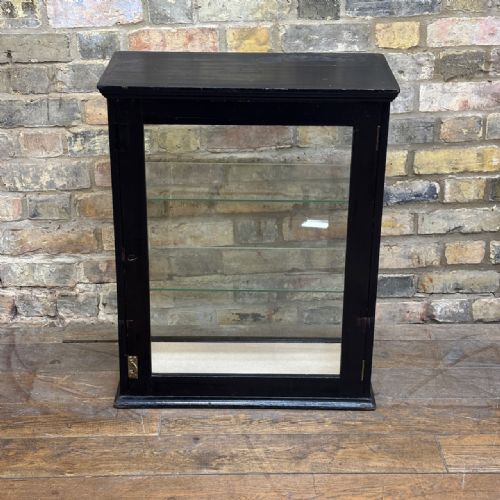
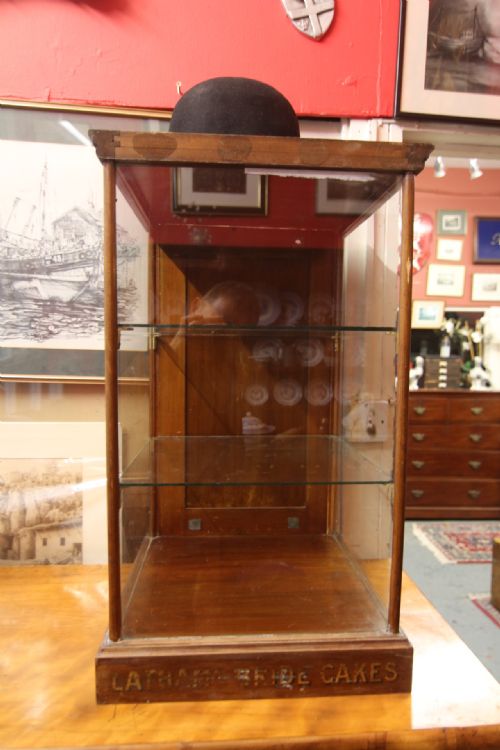
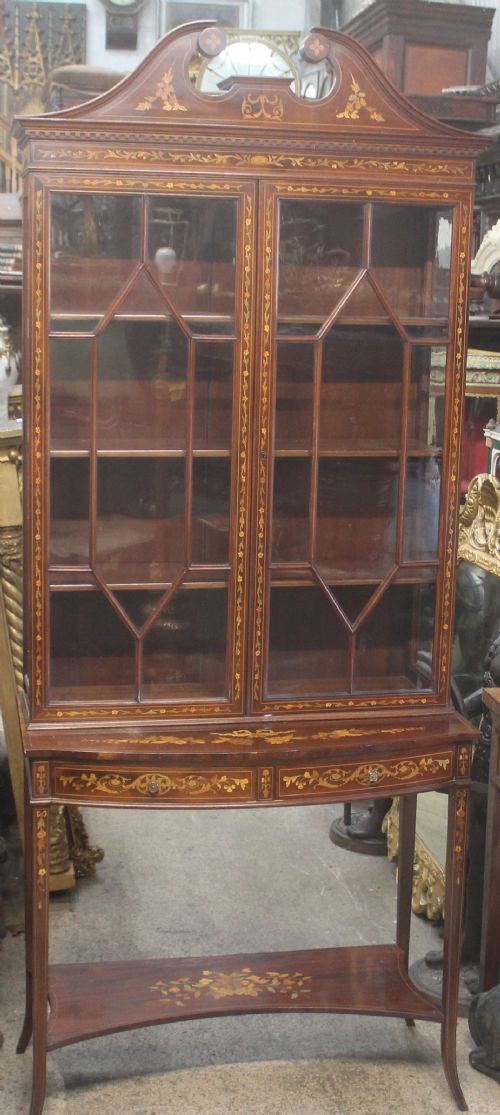
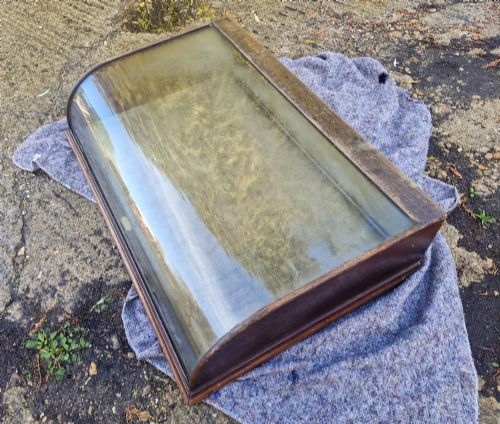
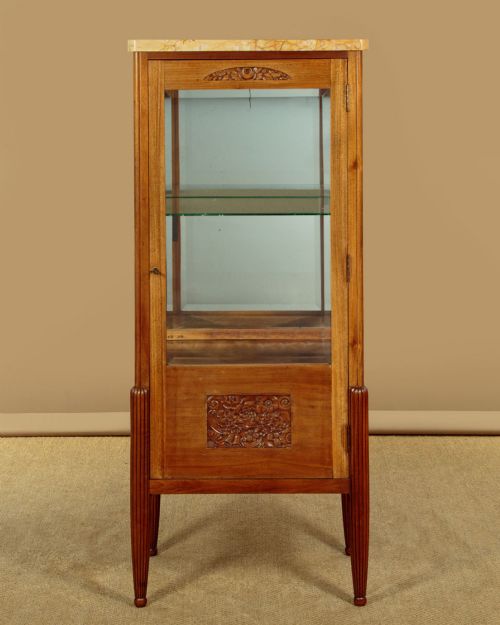
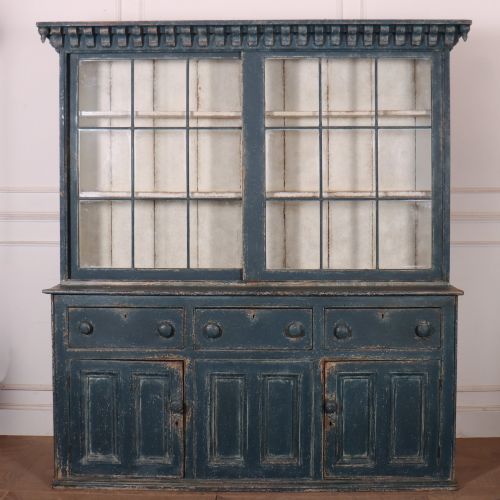
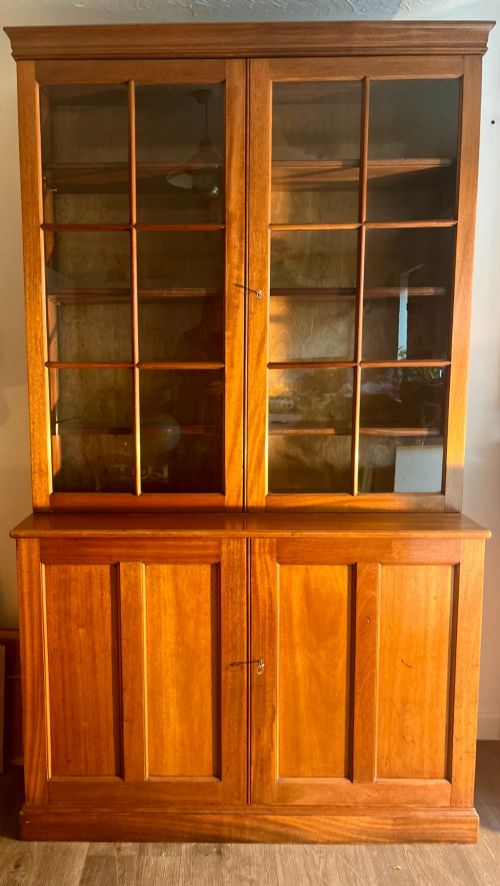
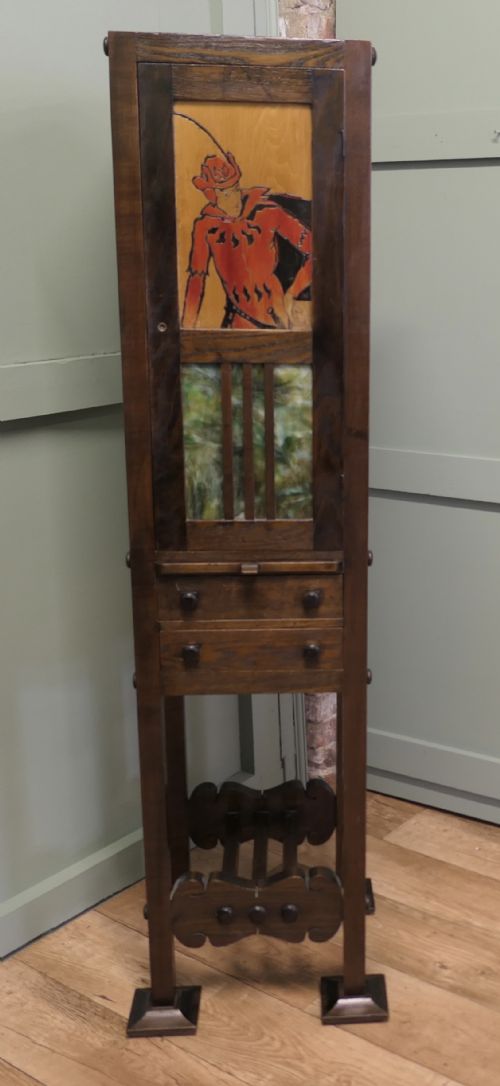
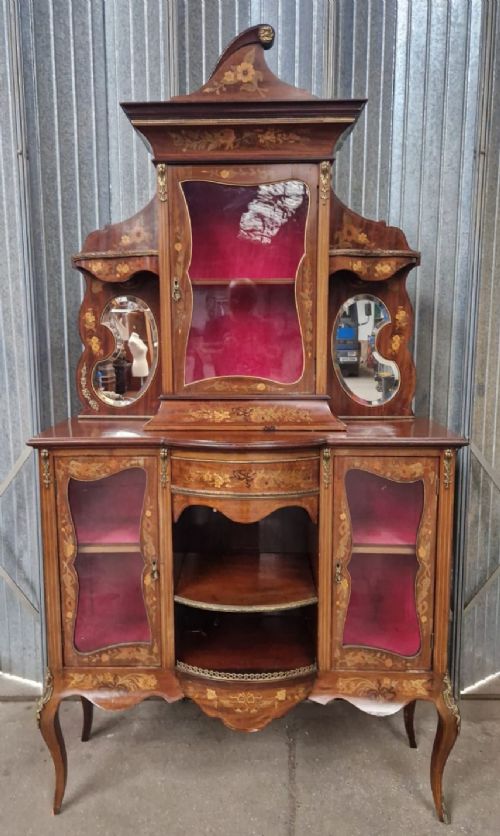
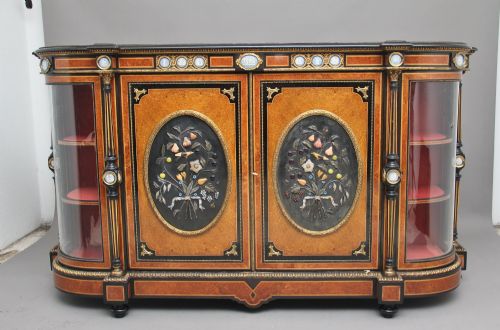
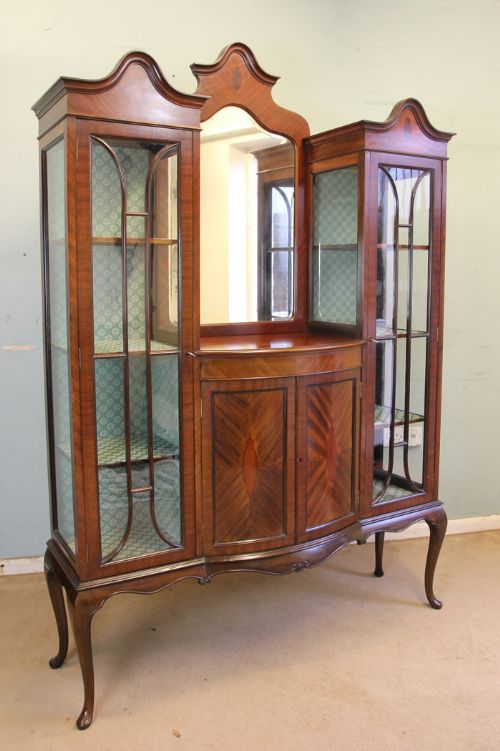
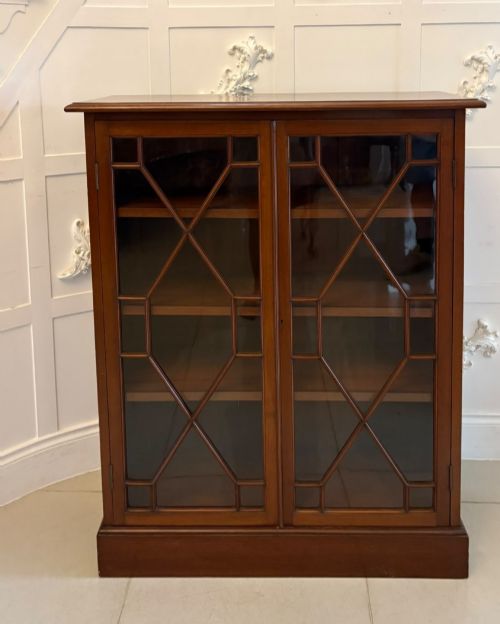
Wooden Glass Display Cabinet
When you choose a wooden glass display cabinet, you bring home a structured vessel built to safeguard and present cherished collections.
Wooden Glass Display Cabinet
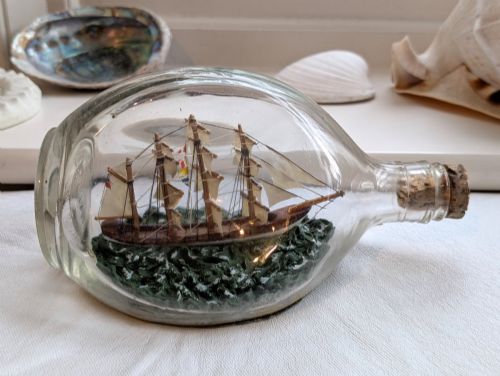
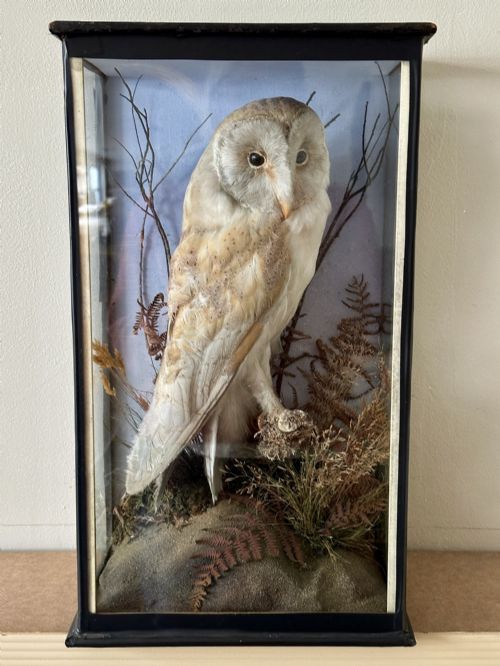
A wooden glass display cabinet combines timber framing with transparent panels to protect contents from dust while offering clear sightlines from multiple angles. These pieces serve primarily to hold books, curiosities, shop goods, and taxidermy specimens in domestic or commercial spaces.
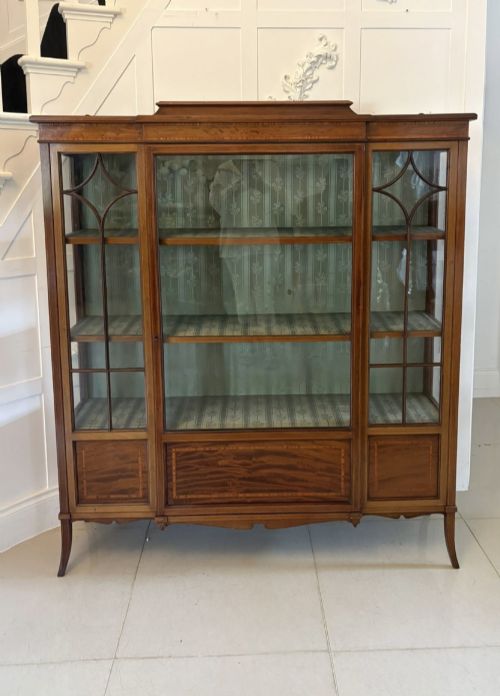
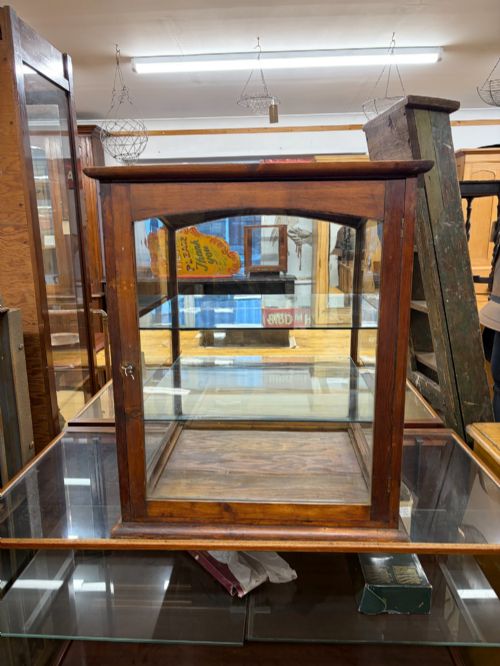
The selections available span several distinct eras, stretching from mid-nineteenth-century creations through the Edwardian period and into 1920s commercial designs. Forms range from tall stacking bookcases and slim credenzas to tabletop cases and broad breakfront cabinets.
Makers and workshops of the past utilised prevailing aesthetic movements such as Sheraton Revival, Arts and Crafts, and Rococo to ornament the timber frames. Buyers encounter everything from simple oak shop fixtures to intricately inlaid satinwood and mahogany vitrines.
Construction and Materials
Cabinet makers relied heavily on robust timbers like mahogany, oak, and walnut for structural integrity, occasionally employing exotic veneers such as amboyna, satinwood, and burr yew for decorative surfaces. Marquetry inlay, brass hardware, and ormolu mounts frequently accent the primary wood bodies.
Glazing techniques allow light to penetrate the interior chambers, utilising fitted glass doors, sliding panes, and glass domes supported by wooden frames. Interior arrangements often incorporate adjustable wooden or glass shelving to accommodate objects of varying height.
Wooden Glass Display Cabinet Retail Price Guide 2026
Typical asking prices for wooden glass display cabinet among the pieces listed under this phrase on Sellingantiques today, from the lower quarter to the upper quarter. They describe what is for sale here now, not the wider market.
Listings feature woods such as mahogany, oak, walnut, satinwood, and ormolu across Victorian, Edwardian, and 1920s periods.
Distinctions in Quality
Superior examples demonstrate precision in timber selection, utilising richly figured veneers and delicate marquetry work that align seamlessly across doors and panels. Finer pieces often bear attribution to notable makers or retail houses, reflecting superior cabinet-making traditions.
The integration of functional elements - such as smoothly operating sliding glass doors, adjustable shelving systems, and sound structural joints - separates standard commercial utility furniture from exceptional commission pieces. The crispness of carved details and the retention of original glass panes also influence the standing of an individual cabinet.
Minty of Oxford·Maple and Co·Shapland and Petter·Cullingford of Durham
The Wooden Glass Display Cabinet Glossary
- Vitrine
- A glass-fronted cabinet designed specifically for displaying fine objects or porcelain. These pieces typically feature extensive glazing on the sides as well as the doors.
- Credenza
- A low cabinet originating as a side table, frequently featuring doors and central shelving. Victorian and nineteenth-century iterations often incorporate mirror backs and inlaid walnut.
- Marquetry
- The art of applying pieces of veneer to a structure to form decorative patterns and pictures. Makers utilised contrasting woods like satinwood and mahogany to achieve intricate surface designs.
- Breakfront
- A cabinet design where the central section projects forward from the flanking wings. This architectural arrangement adds depth and visual interest to large bookcase combinations.
- Chiffonier
- A small sideboard or low cupboard equipped with shelves or drawers. Nineteenth-century versions often include enclosed lower storage beneath an upper display surface.
Wooden Glass Display Cabinet: Frequently Asked Questions
What periods do these cabinets represent?
The pieces span the nineteenth and twentieth centuries, encompassing Victorian, Edwardian, and 1920s commercial eras. Styles range from classical revival forms to utilitarian stacking designs.
Craftsmanship reflects the prevailing aesthetic movements of each decade, including Arts and Crafts principles and Sheraton Revival ornamentation.
How were stacking bookcases used?
Stacking bookcases provided modular storage for expanding personal libraries, allowing owners to add individual tier sections as needed. Minty of Oxford produced notable examples of this flexible shelving.
Users could access books through individual glass-fronted lifting doors on each modular tier.
How do I identify a shop display cabinet?
Shop display cabinets often feature mechanical dispensing elements, specific advertising text, or heavy-duty construction built for commercial retail environments. Examples include specialised pastry, chocolate, and soap dispensary units.
These utilitarian pieces prioritize maximum visibility and sturdy sliding or hinged glass doors for daily merchant use.
What woods appear most frequently?
Mahogany, oak, and walnut form the primary structural timbers across the majority of surviving examples. Cabinet makers selected these hardwoods for their strength and durability.
Finer decorative pieces often feature satinwood, amboyna, and marquetry veneers to enhance the visual appeal of the exterior.