







Wooden Glass Case
A wooden glass case gives precious objects and curiosities the quiet stage they deserve.
Wooden Glass Case
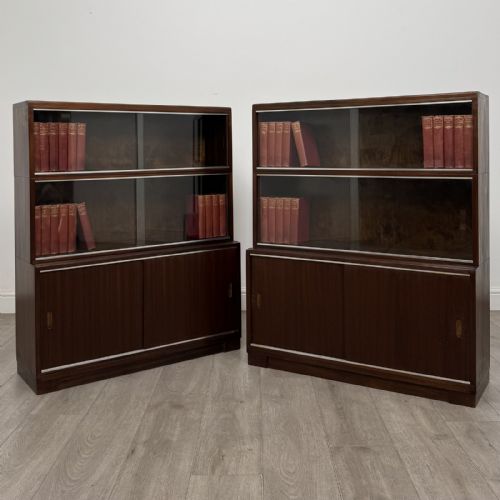
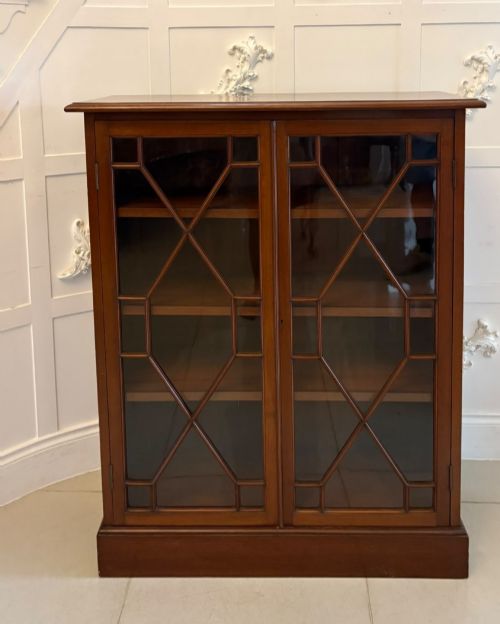
A wooden glass case serves to protect and exhibit items ranging from literature and collectables to natural specimens. When searching for a wooden glass case, buyers encounter items built from the Victorian period through to the nineteen-thirties.
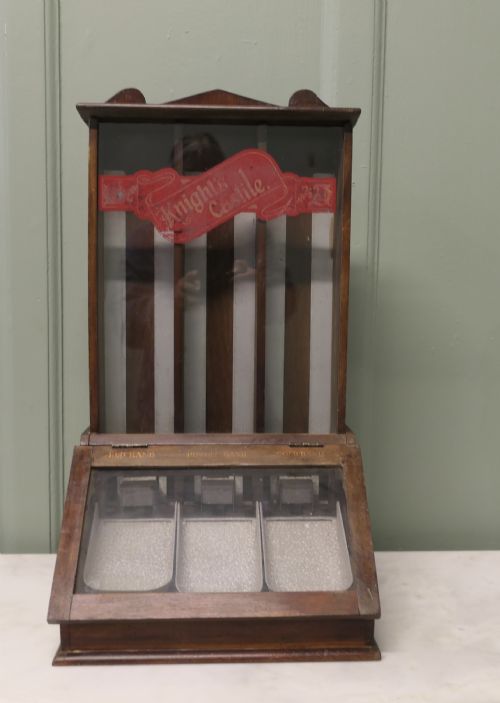
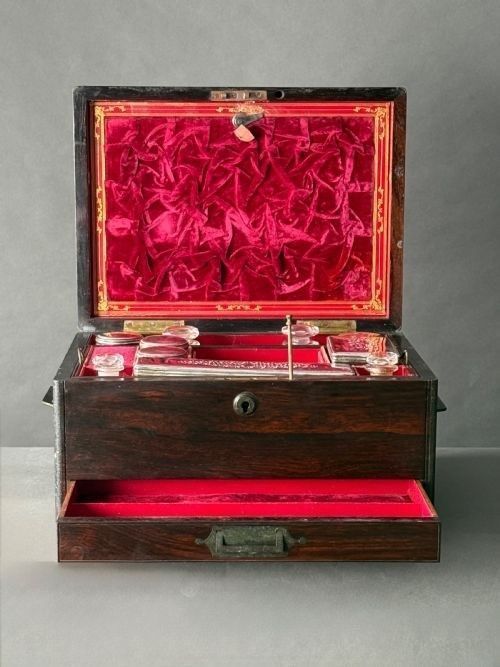
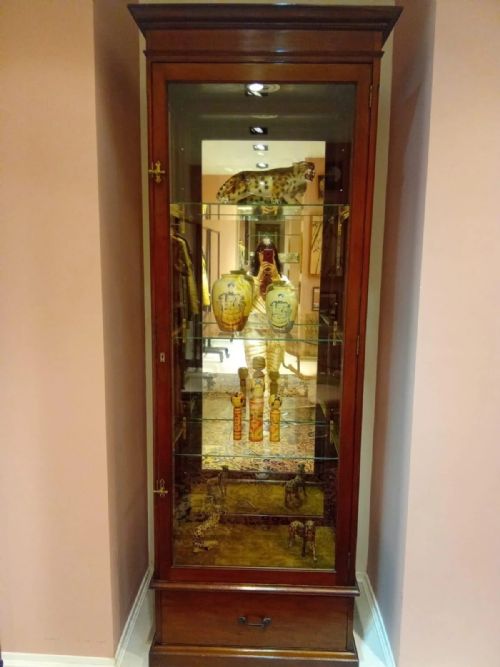
The form spans large floor-standing glazed bookcases, wall-mounted display cabinets, countertop shop fittings and tabletop domes. Mahogany and oak dominate the selection, frequently paired with brass hardware and velvet linings.
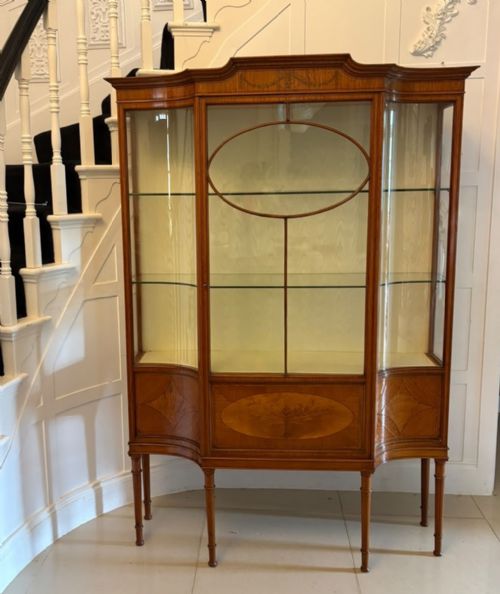
Domestic display cabinets and shop counters represent the most common forms available on this page. Pieces date from the nineteenth century into the mid-twentieth century, encompassing Edwardian satinwood and Art Deco influences.
Assessing quality and craftsmanship
Quality rests upon timber selection, cabinet-making joints and the clarity of the glass. Superior pieces display precise dovetailing, well-fitted doors that swing or slide smoothly, and thoughtful decorative additions like marquetry or ormolu mounts.
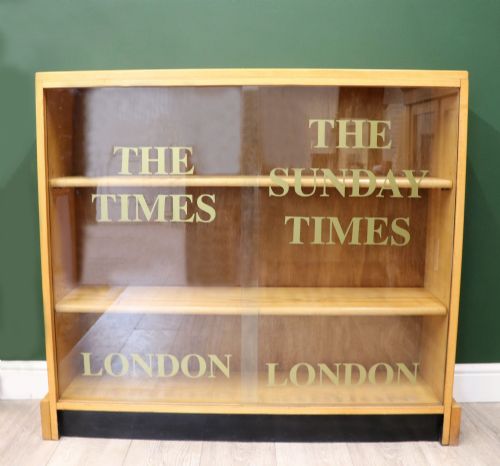
Commercial utility influences construction, as seen in shop display counters built for daily service alongside delicate domestic vitrines. The integration of original hardware, working locks and intact glass panes elevates a piece above standard utility items.
Wooden Glass Case Retail Price Guide 2026
Typical asking prices for wooden glass case among the pieces listed under this phrase on Sellingantiques today, from the lower quarter to the upper quarter. They describe what is for sale here now, not the wider market.
Listings feature woods including mahogany, oak, walnut, satinwood and coromandel, spanning Victorian, Edwardian and nineteen-twenties periods.
T. E. Gunn·S. King·Rowland Ward of London·Saml. Elliott & Sons
The Wooden Glass Case Glossary
- Vitrine
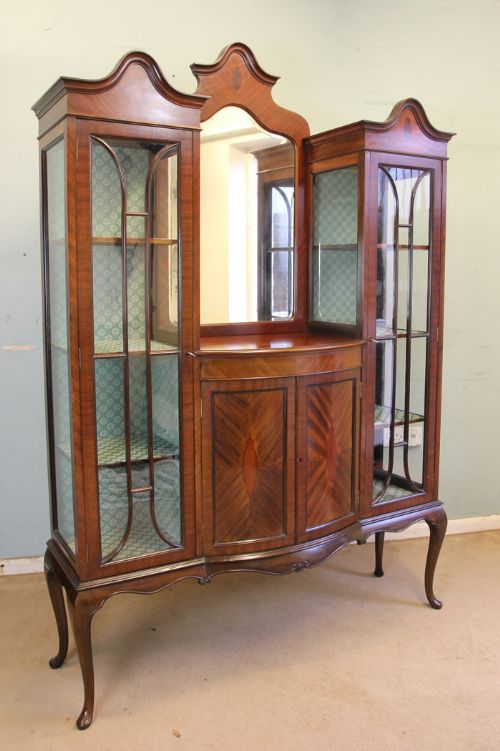
- A glass display cabinet designed specifically to showcase porcelain, curiosities and fine objects. These freestanding or wall-mounted cases utilise glass on multiple sides to maximise light.
- Tantalus
- A locking wooden case holding decanters or bottles visible behind bars or glass. The mechanism prevents unauthorized access while displaying the contents within.
- Diorama
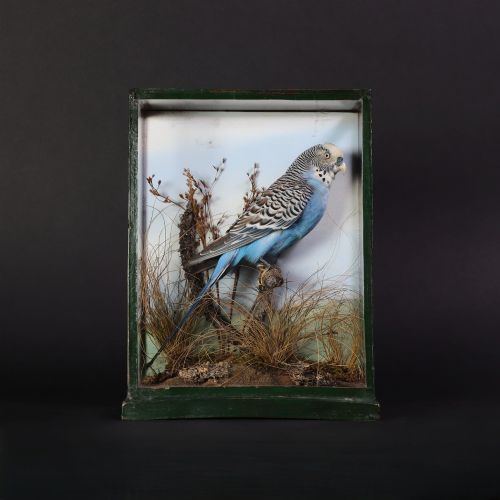
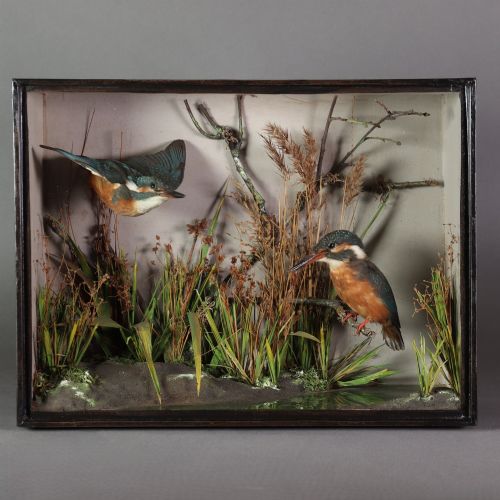
- A three-dimensional scene enclosed within a glass case, frequently depicting historical events, maritime subjects or taxidermy specimens in naturalistic settings.
- Marquetry
- Decorative woodwork where pieces of veneer are fitted together to form geometric or pictorial patterns on the surface of a cabinet.
- Ormolu
- Gilded bronze mounts applied to furniture and display cases for decorative effect during the nineteenth century.
Wooden Glass Case: Frequently Asked Questions
How do I clean the inside of an antique case?
Use a soft, dry cloth for wooden surfaces to avoid disturbing aged polishes. Glass cleaner applied to a cloth rather than sprayed directly prevents moisture from reaching vulnerable wooden frames.
Take care around delicate linings such as velvet or antique paper. Regular dusting prevents the accumulation of grime in corners and hinges.
Were these cases meant for homes or shops?
Makers produced both domestic and commercial versions to suit different environments. Shop counters and mechanical dispensing cabinets served retail spaces, while vitrines and bookcases furnished Victorian and Edwardian sitting rooms.
Commercial pieces often feature robust oak frames and sliding doors for frequent access. Domestic cabinets prioritize refined timbers like satinwood and decorative inlays.
How can I date my wooden glass case?
Examine the timber, construction methods and hardware styles for clues to the period of origin. Victorian and Edwardian examples often feature specific revival styles, such as Sheraton Revival satinwood inlay.
Commercial retail pieces from the nineteen-twenties and thirties display heavier industrial framing or brass edges. Dovetail joints and screw types also offer reliable indicators of age.
Can shelves be adjusted in older display cabinets?
Many Edwardian and Victorian cabinets feature fixed wooden supports or early adjustable rack systems. Shop display fittings commonly include movable brackets for glass shelves to accommodate varying stock heights.
Inspect the interior pilasters or uprights to see if wooden notches or metal track systems were installed by the maker. Alterations made later in the life of a piece are usually visible upon close inspection.