

Wooden Glass Cabinet
A wooden glass cabinet serves to display prized possessions while keeping dust at bay, drawing the eye across rich timber and transparent panes.
Wooden Glass Cabinet
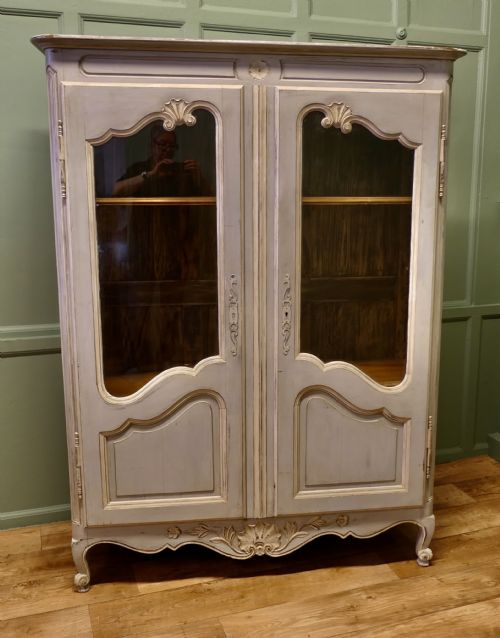
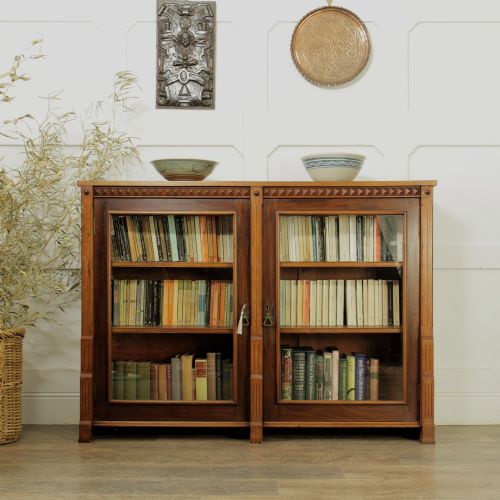
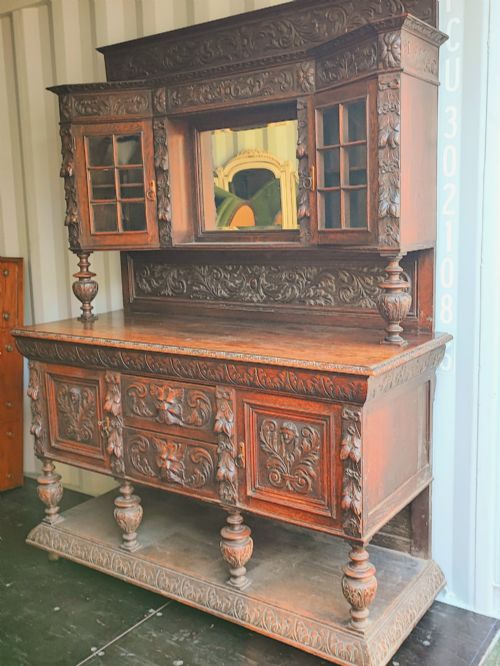
A wooden glass cabinet combines timber frames with transparent panels to showcase books, ceramics, or collectibles, bridging practical storage and visual display. Pieces matching a wooden glass cabinet on this page span the Victorian and Edwardian eras alongside early twentieth-century examples.
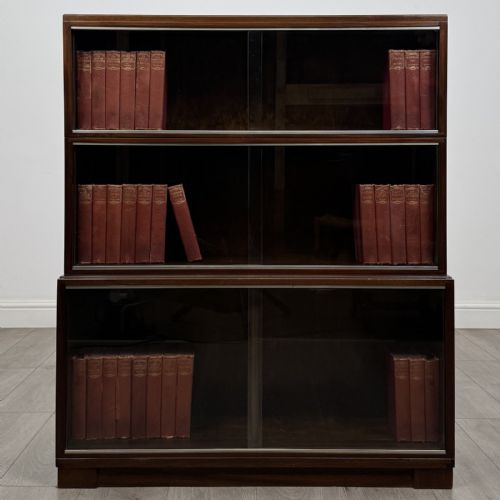
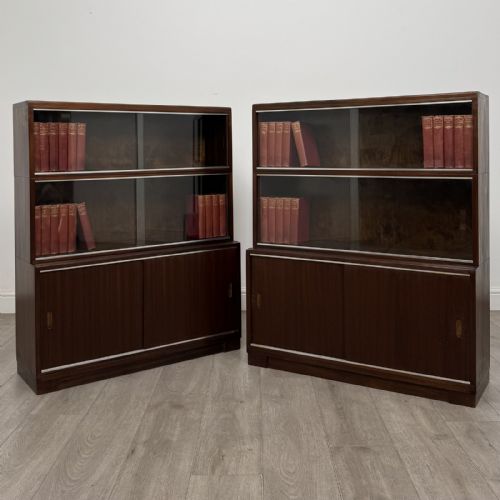
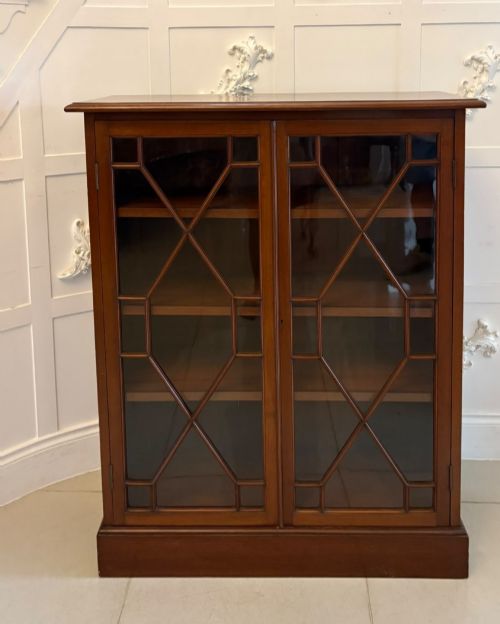
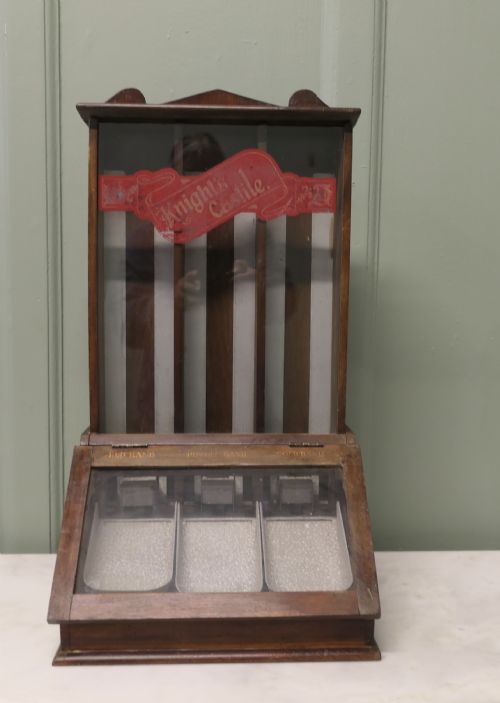
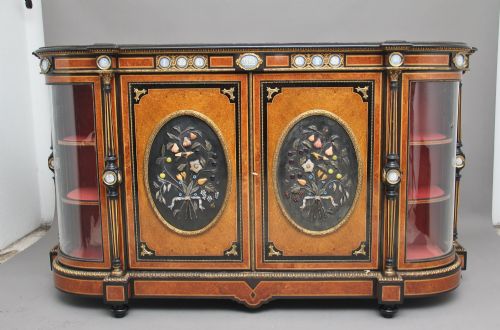
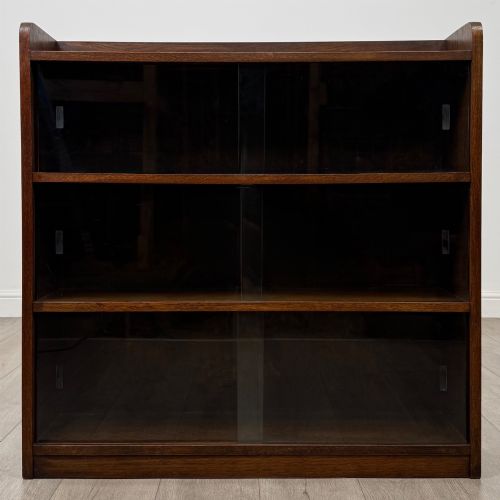
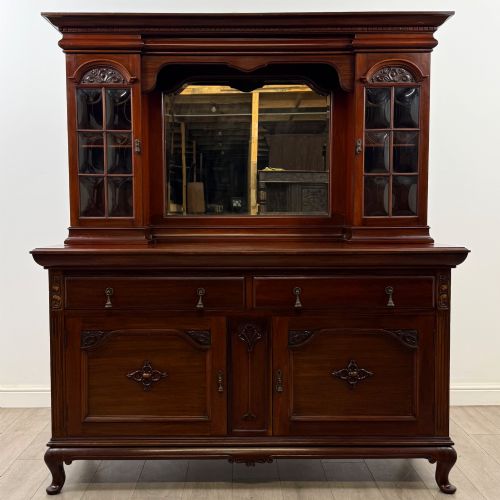
The selection ranges from tall bookcases and narrow shelf units to shop counters, credenzas, and specialised tantalus bars. Mahogany, oak, and walnut form the primary structures, often featuring glazed doors or entire glass enclosures designed to protect contents from the room.
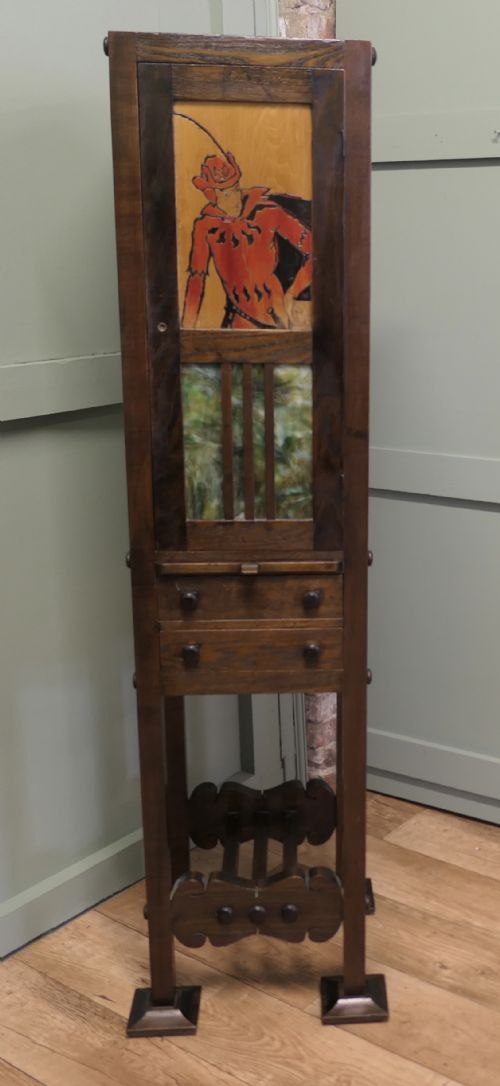
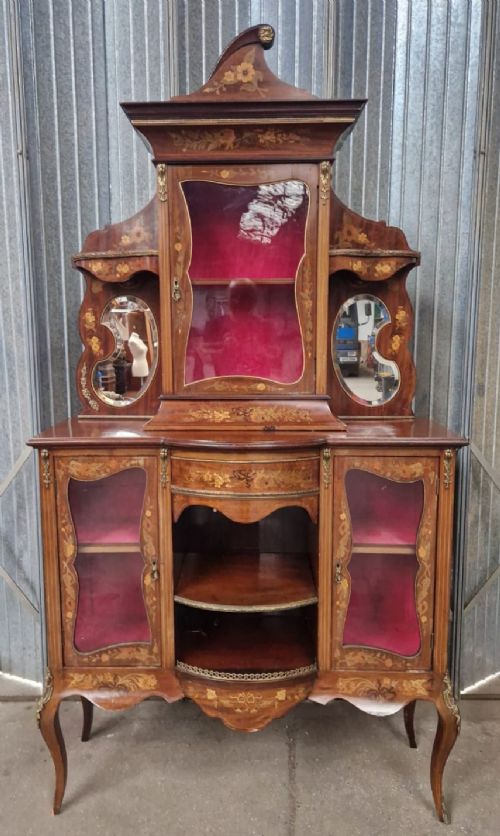
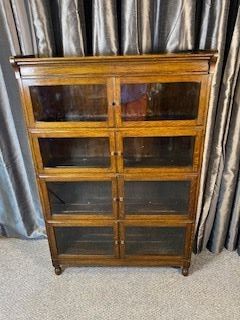
Edwardian satinwood and Sheraton Revival models sit alongside robust Arts and Crafts oak designs and utilitarian stacking bookcases. Each variation reflects the domestic or commercial habits of its period, prioritising either grand presentation or modular utility.
Materials and construction
Cabinet makers built these pieces using dense hardwoods such as mahogany, oak, walnut, and satinwood, frequently applying decorative veneers like burr elm or amboyna to primary surfaces. Brass hardware, ormolu mounts, and mirrored glass backs completed the interiors, reflecting light through the displayed objects.
Joinery techniques ranged from traditional dovetailing in drawer construction to specialised stacking frames in barrister bookcases and mechanical dispensing actions in shop cabinets. Glazing relied on timber framing or slender metal bars to hold large glass panes securely in place.
Some cabinets hid miniature games compendiums beside the crystal decanters for evening entertainment.
Distinctions in quality
Quality rests upon the selection of timber grain, the precision of inlaid woodwork, and the structural integrity of the frame. Superior examples display carefully matched veneers and subtle hand-carved details rather than mass-produced uniformity.
Hardware weight and the clarity of original glass panes also separate standard commercial items from finer workshop pieces. Well-fitted doors and smooth sliding or mechanical actions indicate superior original craftsmanship.
Shapland and Petter·Maple and Co·Minty
The Wooden Glass Cabinet Glossary
- Tantalus
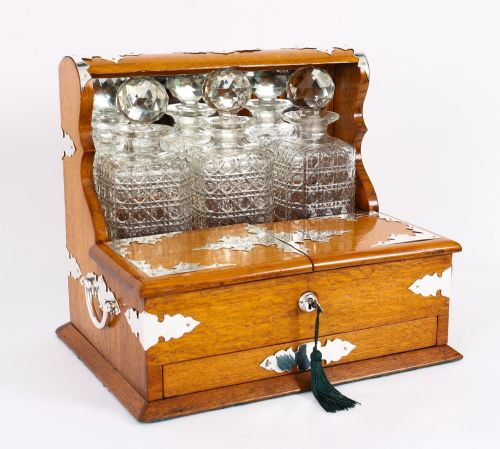
- A locked wooden frame securing decanters to prevent unauthorized drinking while displaying the contents through glass or open bars. These typically include games compendiums or compartments for crystal glassware.
- Vitrine
- A glass-sided cabinet designed specifically for displaying porcelain, curiosities, or decorative objects. The term derives from the French word for glass.
- Credenza
- A low cabinet or sideboard, often featuring glazed side cupboards or a mirrored back, developed during the nineteenth century for formal dining rooms. They provide surface space above enclosed storage.
- Sheraton Revival
- A late nineteenth and early Edwardian style emulating the neoclassical furniture designs of Thomas Sheraton. Pieces often feature delicate satinwood inlay, tapered legs, and refined proportions.
- Barrister Bookcase
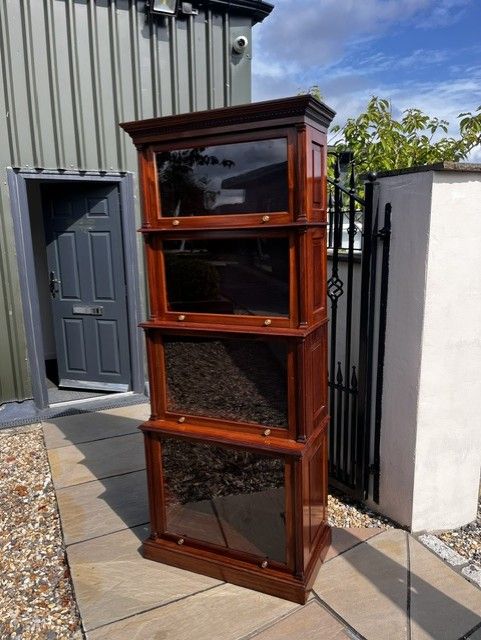
- A modular shelving unit with glass-fronted doors that lift and slide inward above each tier. This design allows sections to stack vertically without taking up excessive floor space.
Wooden Glass Cabinet: Frequently Asked Questions
What is a tantalus cabinet?
A tantalus cabinet holds glass decanters securely within a wooden frame, often equipped with a locking mechanism. The design allows people to see the bottles while stopping guests from pouring drinks without the key.
These pieces frequently incorporate storage compartments for playing cards, counters, or crystal glasses, making them popular for nineteenth-century entertaining.
How do I date a wooden glass cabinet?
Dating relies on examining the timber types, decorative styles, and construction methods used in the frame. Victorian pieces often use heavy carved mahogany, whereas Edwardian cabinets frequently display lighter satinwood inlay and Sheraton Revival motifs.
Marks, hinges, and the clarity or slight waviness of older glass panes also help narrow down the decade of manufacture.
Where were stacking bookcases used?
Stacking bookcases were designed for offices, libraries, and studies where book collections grew gradually over time. The modular sections allowed owners to add new shelves to the top without buying an entirely new piece of furniture.
Glass fronts protected valuable volumes from dust while keeping titles clearly visible across the room.
Can I adjust the shelves in these cabinets?
Many display cabinets and shop cases feature adjustable shelf supports fixed to the interior walls. This system allowed owners to change shelf heights depending on the size of the books or ceramics inside.
Older pieces generally rely on wooden ratchets or metal track brackets to hold the glass or timber shelves securely at different levels.