

Wooden Full Length Mirror
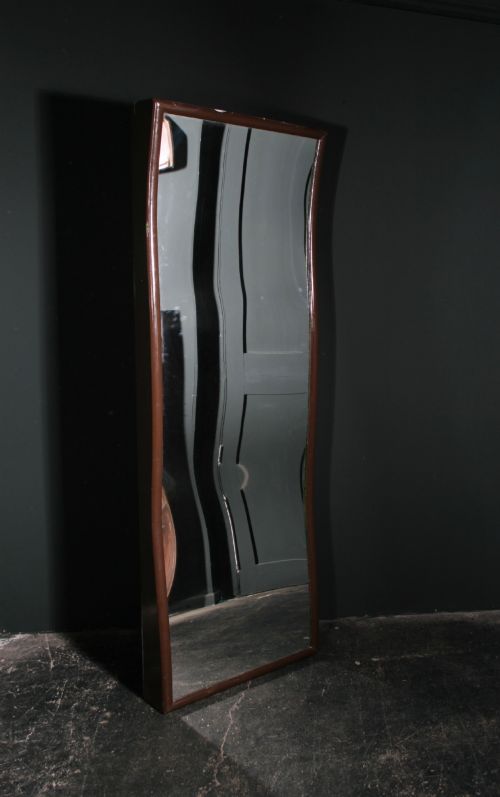
A wooden full length mirror brings height and a clear vertical line to a room while offering a practical full-length reflection.
Wooden Full Length Mirror
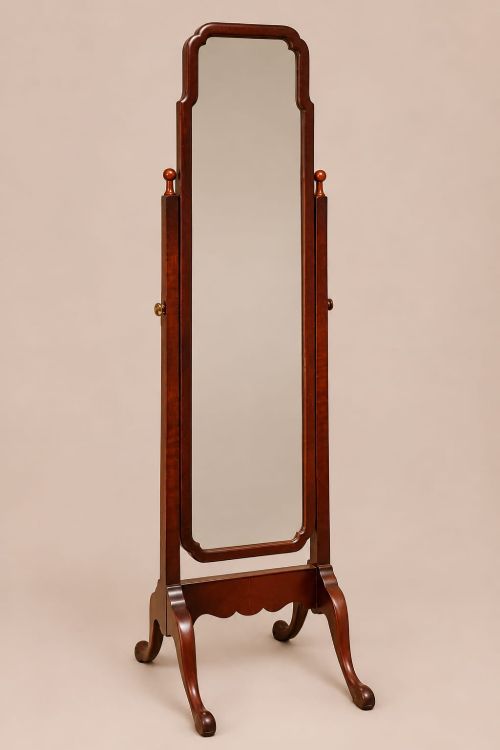
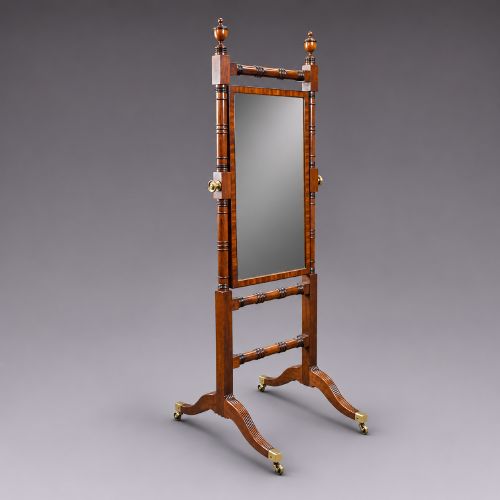
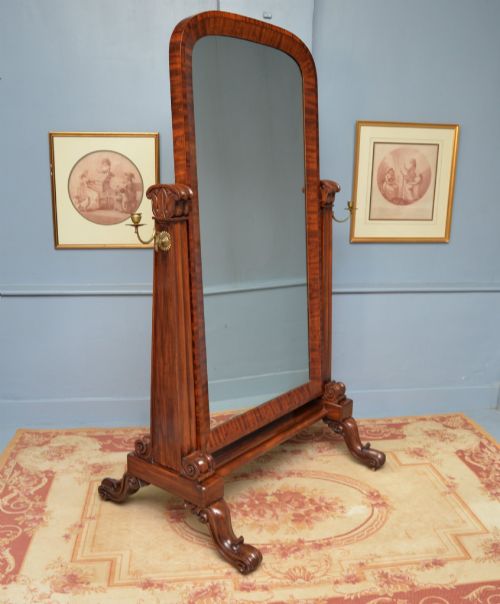
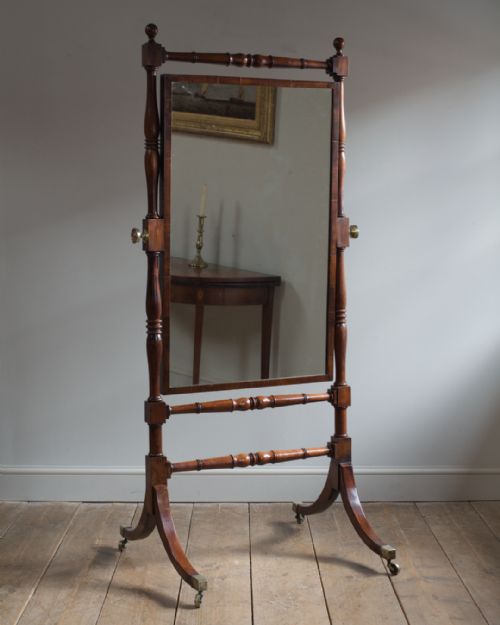
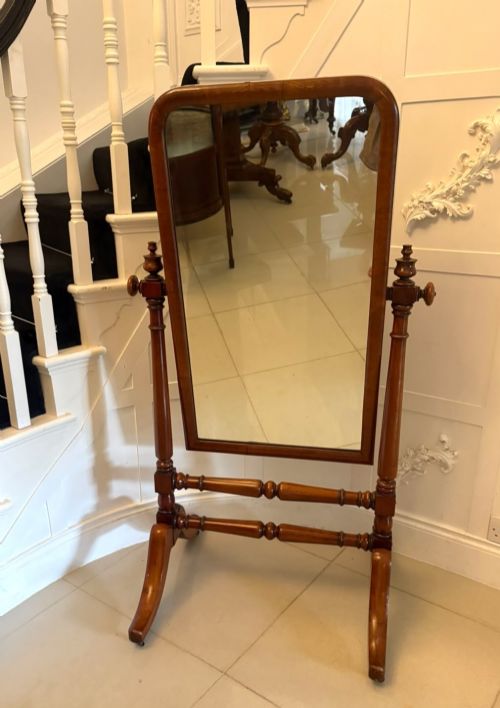
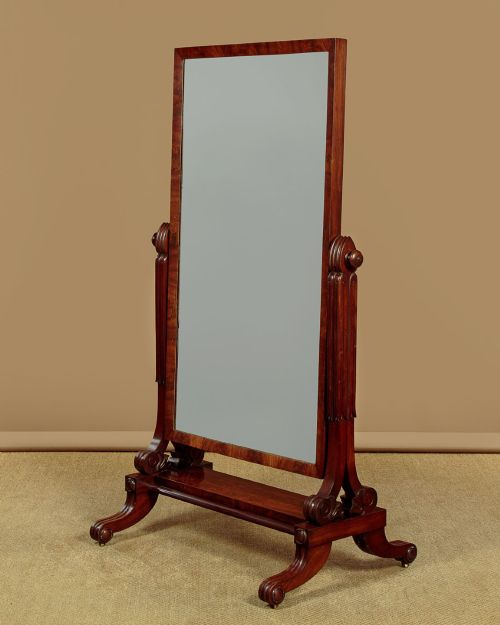
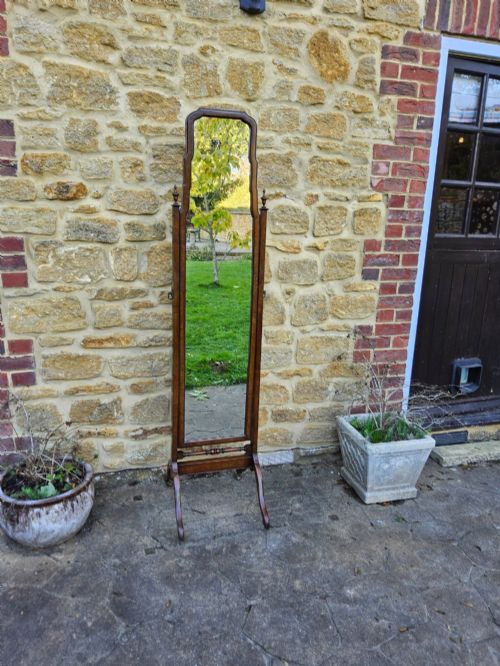
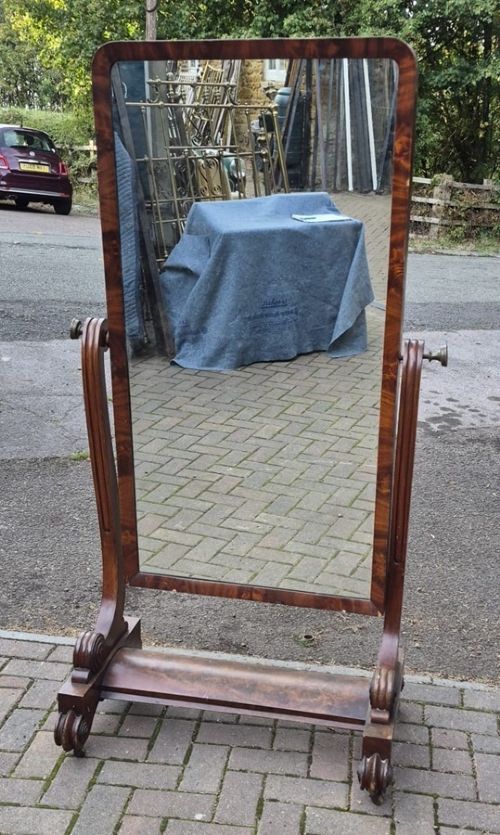
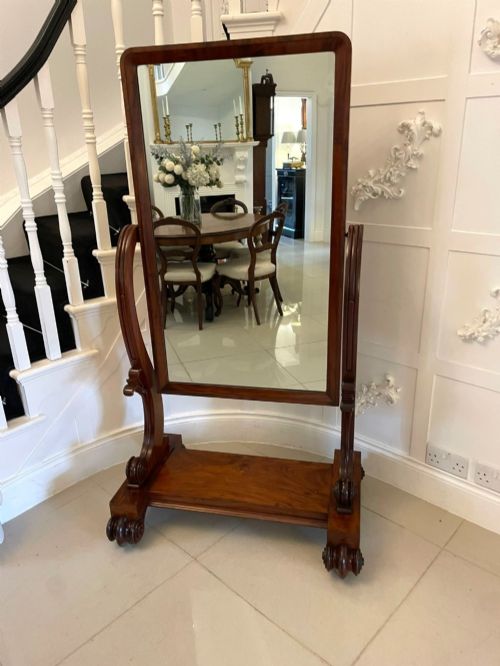
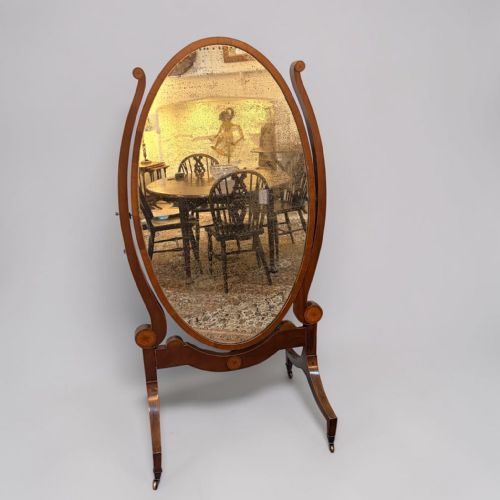
A wooden full length mirror primarily takes the form of a cheval mirror, a freestanding design supported on a frame that allows the glass to tilt. These pieces date across the nineteenth century and into the early twentieth century, spanning Victorian, Edwardian and Regency periods.
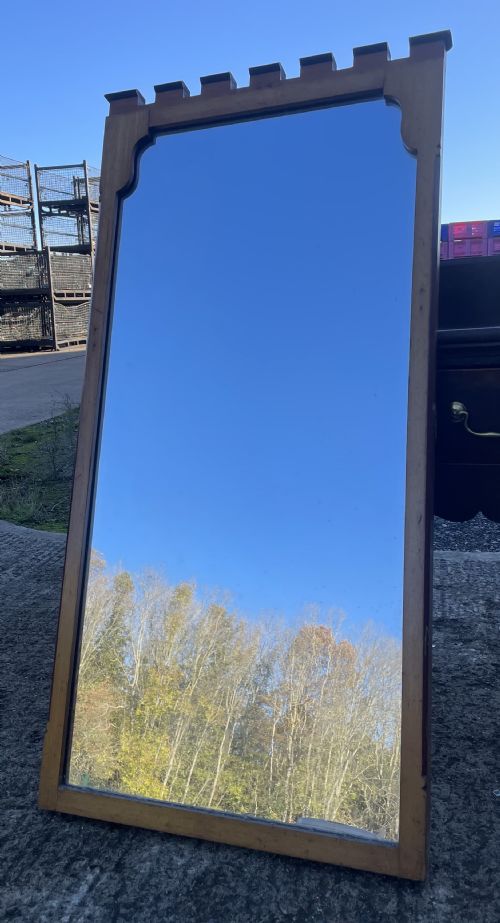
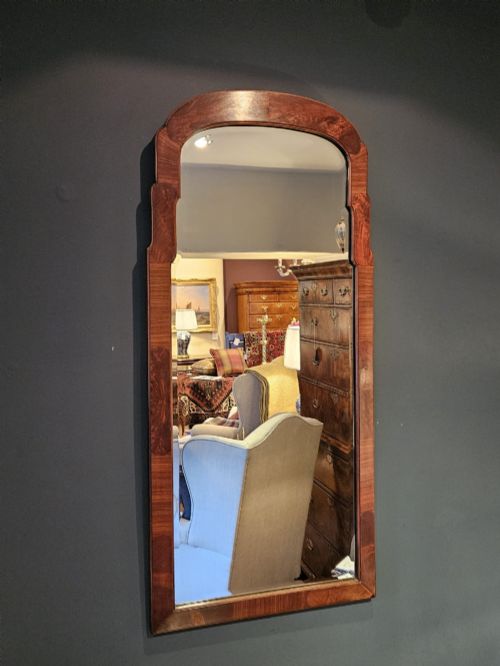
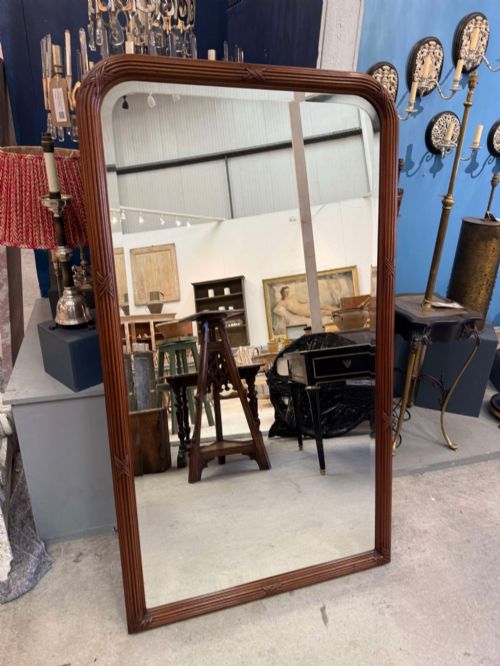
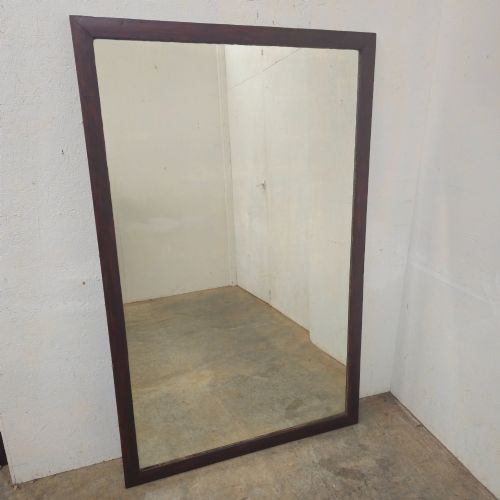
Buyers will encounter substantial floor-standing examples made of mahogany, oak and walnut, alongside tall wall mirrors and shop fitting mirrors from tailors and outfitters. The selection includes architectural frames with carved details, barley twist supports and simple rectangular formats.
Origin varies from English workshops to French provincial and chateau styles, offering everything from heavy Victorian dressing mirrors to lighter Edwardian oak frames.
Materials and construction
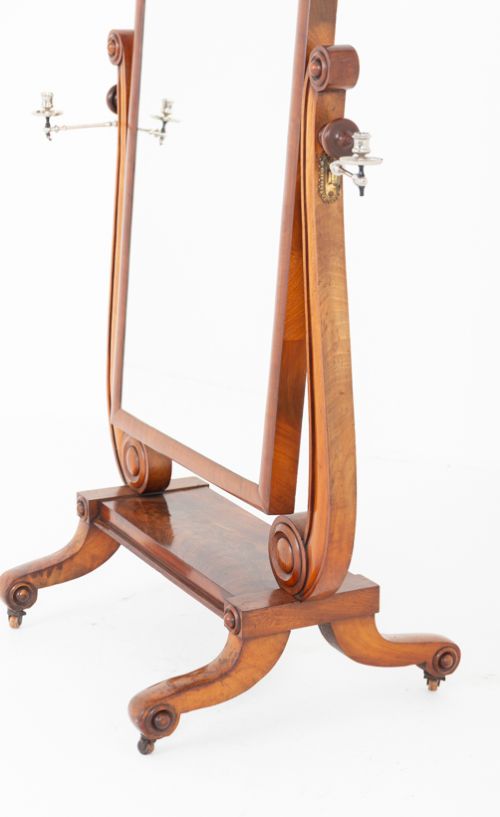
Frames are built from solid and veneered timbers including mahogany, walnut, satin birch, oak and pine, frequently finished with carved wooden details, gesso, ebonisation or paint. Glass panels are set into these heavy wooden structures, sometimes accompanied by brass pivot hardware on freestanding cheval designs.
Joinery relies on traditional cabinet-making techniques to support the considerable weight of tall glass plates, utilising sturdy floor bases, trestles or wall-mounting fixtures.
Wooden Full Length Mirror Retail Price Guide 2026
Typical asking prices for wooden full length mirror among the pieces listed under this phrase on Sellingantiques today, from the lower quarter to the upper quarter. They describe what is for sale here now, not the wider market.
Several mirrors spent their early mornings inspecting waistcoats in nineteenth-century tailors' workshops before retiring to domestic hallways.
Assessing quality
Quality rests in the choice of timber and the depth of carving, moving from plain utilitarian shop fittings to exhibition-grade pieces with burr walnut veneers, fine inlay and elaborate crests. The proportion of the frame to the glass plate dictates the visual balance of the object.
The integrity of the pivoting mechanism on freestanding cheval frames and the clarity of the original or period mirror glass also distinguish superior examples from standard utility pieces.
The Wooden Full Length Mirror Glossary
- Cheval mirror
- A freestanding full-length dressing mirror suspended on a vertical frame with side pivots. This design allows the user to tilt the glass plate to various angles.
- Ebonised
- Wood stained or painted black to imitate ebony. This finish appeared frequently on Victorian shop fittings and decorative frames.
- Gesso
- A plaster-like material applied to wood frames before gilding or painting. It provides a smooth base for intricate carved relief work.
- Vitruvian scroll
- A classical repeating scroll ornament resembling a wave pattern. Carvers applied this motif to architectural mirror frames.
Wooden Full Length Mirror: Frequently Asked Questions
Where should I place a freestanding mirror?
Position the piece against a solid wall where it receives adequate natural light to reflect across the room.
Ensure the floor surface is level so the freestanding frame rests evenly without straining the side pivot joints.
How do I identify a Victorian cheval mirror?
Look for dense timber framing in mahogany or walnut, often featuring turned supports, carved crests or brass hardware.
These nineteenth-century pieces typically rely on sturdy floor trestles designed to bear the heavy weight of thick glass.
Can these mirrors be mounted on a wall?
Certain tall formats are built as leaner or wall mirrors designed specifically for vertical hanging.
Freestanding cheval designs require their original floor stands and should not be stripped of their frames for wall mounting.
What is the difference between a dressing mirror and a cheval mirror?
Dressing mirrors historically sat atop a chest of drawers or a dressing table for upper-body reflection.
Cheval mirrors stand directly on the floor to provide a complete head-to-toe view of attire.