

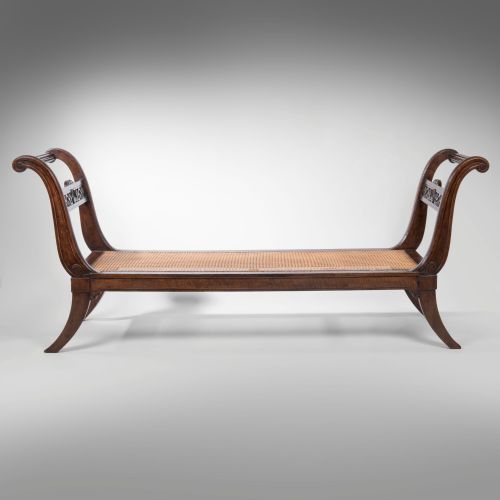


Wooden Framed Window
These wooden framed window and seat pieces bring architectural salvage and period joinery directly into domestic spaces.
Wooden Framed Window
A wooden framed window search reveals a varied mix of architectural salvage, structural panels, and upholstered seating designed for placement near window spaces. These items cross multiple eras, spanning pre-sixteenth century fragments up to early twentieth-century fixtures.
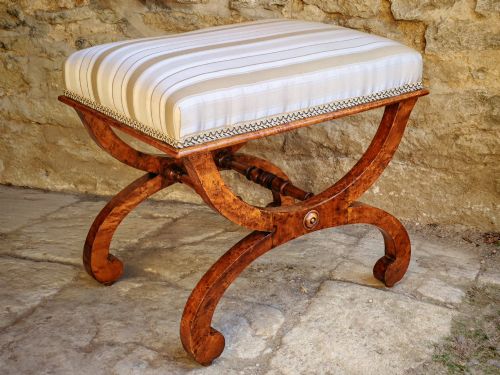
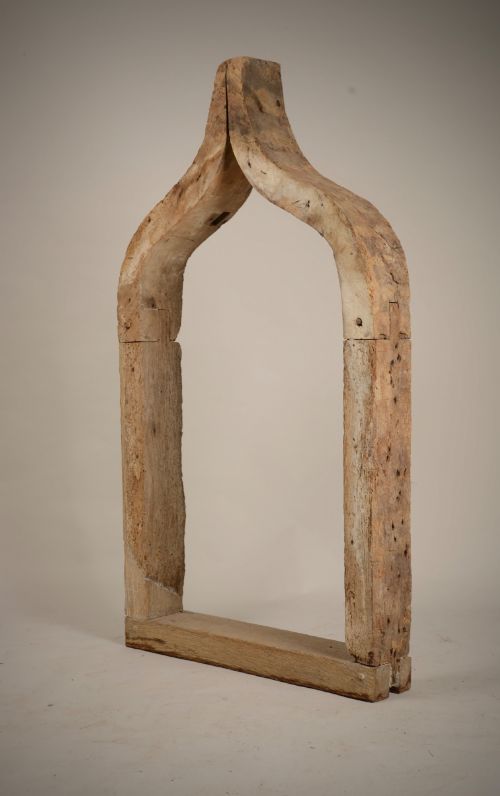
The objects appearing most frequently on this page combine architectural elements like arched frames and tracery panels with seating forms such as window seats, X frame stools, and benches. Many pieces utilise domestic timbers including oak, mahogany, and walnut.
Makers and builders from the Regency, Victorian, and Edwardian periods produced these items alongside medieval gothic survivals and ecclesiastical church panels. Buyers encounter both functional seating and decorative glazed windows or mirrors adapted from architectural salvage.
How they were made
Carpenters and joiners constructed these frames and seats using traditional solid woods such as oak, mahogany, walnut, and pine. Joints were typically pegged, mortised, and tenoned to withstand structural loads and environmental shifts.
Decorative surfaces often incorporate carved details, ebonised finishes, gilding, or inlaid veneers. Glazed elements feature etched and painted glass, while upholstered seating integrates materials like wool, fabric, and kilim coverings.
Wooden Framed Window Retail Price Guide 2026
Typical asking prices for wooden framed window among the pieces listed under this phrase on Sellingantiques today, from the lower quarter to the upper quarter. They describe what is for sale here now, not the wider market.
Listings span multiple historical periods from pre-sixteenth century medieval fragments up to Edwardian and early twentieth-century items.
What varies in quality
The standard of a wooden framed window or related seating piece rests upon the crispness of the original timber carving and the integrity of the joinery. Deeper relief work on ecclesiastical panels and architectural salvage indicates higher workshop input.
Materials dictate much of the inherent distinction, with burr maple, figured walnut, and solid mahogany holding greater visual presence than standard pine. The survival of original glass, gilding, or early upholstery fabric adds substantial historical weight to individual pieces.
The Wooden Framed Window Glossary
- Architectural salvage
- Building elements rescued from older structures for reuse or display. These items include window frames, tracery panels, and door frames.
- Tracery
- Stonework or timber framing supporting glass in a window, often taking decorative curved or geometric shapes. Ecclesiastical panels frequently display this Gothic style.
- X frame
- A furniture base formed by intersecting diagonal legs making an X shape. This configuration appears commonly on Regency and Victorian window stools.
- Kilim
- A flatwoven textile traditionally used as a rug or covering. Several nineteenth-century footstools utilise these wool fabrics for upholstery.
- Ebonising
- A finishing process that stains wood to resemble ebony. This treatment surfaces on Edwardian and Victorian ebonised window seats.
Wooden Framed Window: Frequently Asked Questions
What is a wooden framed window seat?
A wooden framed window seat is a form of furniture built to sit comfortably within a bay or low window recess. These pieces combine sturdy timber frames with upholstered tops.
Craftsmen shaped these seats during the Regency and Victorian eras to match interior joinery. They function as both practical seating and decorative architectural additions.
How do I date a wooden framed window piece?
Dating relies on identifying timber species, joinery methods, and stylistic cues such as Gothic Revival tracery or Edwardian inlay. Pre-sixteenth century fragments show heavy medieval hand-working.
Later nineteenth-century examples often adopt historical revivals like Empire or William IV styles. Comparing the secondary woods helps confirm the period of manufacture.
Where should I place architectural salvage windows?
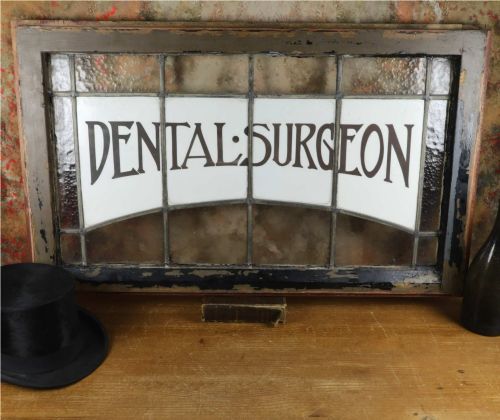
Architectural salvage window frames and glass signs work well mounted on interior walls or positioned as room dividers. They capture light and introduce historic texture to plain spaces.
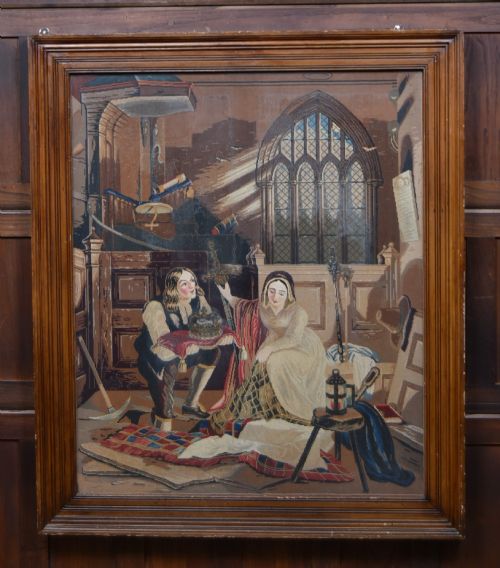
Heavier church tracery panels require secure wall fixings to support the dense carved pine or oak. Ensure the surrounding wall can bear the weight of solid timber elements.
How do I care for antique upholstered window stools?
Care involves protecting historic textiles like wool, kilim, and traditional fabric from direct sunlight to prevent fading. Regular gentle brushing removes dust from carved wooden frames.
Maintain stable indoor humidity levels to keep solid mahogany, walnut, and oak from splitting. Avoid harsh chemical cleaners on ebonised or gilded surfaces.