





Wooden Framed Engraving
These wooden framed engraving pieces are works on paper secured behind glass within timber mouldings, offering historical views and botanical studies that anchor a traditional interior.
Wooden Framed Engraving
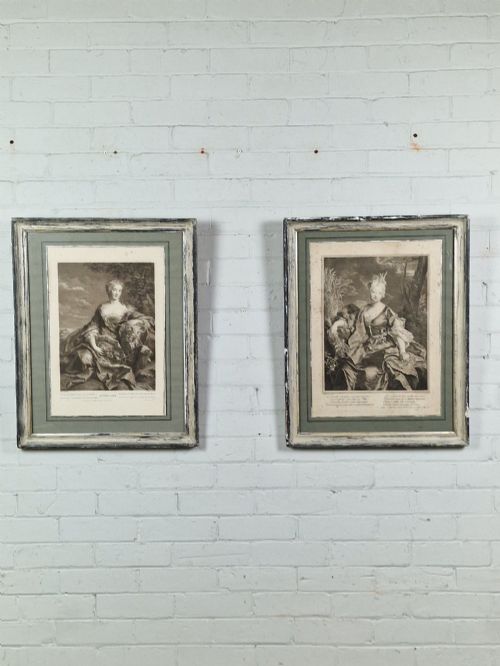
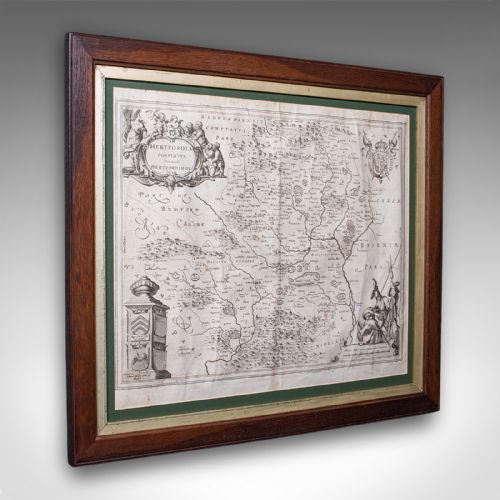
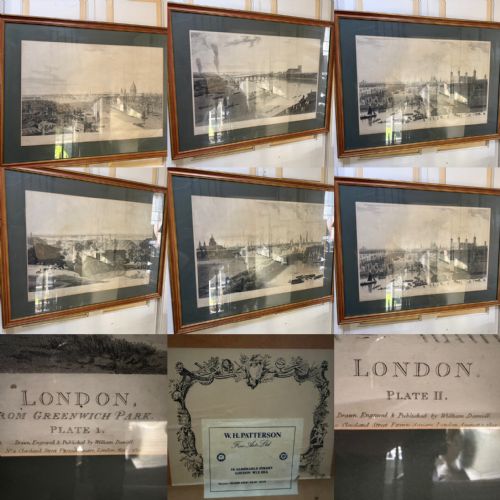
A wooden framed engraving brings together printed imagery on paper and a protective timber border, spanning periods from the seventeenth century through to the Edwardian era. Buyers seeking this phrase encounter a broad range of subjects, including county maps, racing scenes, botanical plates, and coastal views.
The selections on this page lean heavily towards nineteenth-century productions, alongside eighteenth-century pairs and seventeenth-century cartography. These works frequently appear as sets or individual plates, mounted behind glass to protect the paper from atmospheric damage.
Framing choices vary widely across the inventory, shifting from simple oak and mahogany mouldings to ornate French Rococo gilt-wood and carved frames. The interplay between the dark timber or gilded surround and the inked paper defines the visual weight of each wall art piece.
Materials and construction
Paper provides the base for the ink impressions, receiving engraved lines, etchings, aquatints, or mezzotints depending on the printmaker's chosen method. Wood serves as the primary material for the surrounds, utilising oak, mahogany, and giltwood to house the plate and its glass covering.
Makers shaped the timber into distinct styles, ranging from plain mouldings to heavily carved Rococo frames finished with gilding. Glass is fitted directly over the paper to shield the delicate ink and hand-applied colours from dust and moisture.
Wooden Framed Engraving Retail Price Guide 2026
Typical asking prices for wooden framed engraving among the pieces listed under this phrase on Sellingantiques today, from the lower quarter to the upper quarter. They describe what is for sale here now, not the wider market.
The site's listings feature wood, oak, mahogany, and giltwood frames housing paper prints behind glass.
Qualities of distinction
The clarity of the ink impression on the paper separates superior plates from softer, worn strikes pulled after the metal plate has degraded. Crisp lines in architectural views and fine details in botanical subjects indicate a stronger execution during the printing process.
The harmony between the paper and its wooden frame dictates the piece's overall integrity, with period-correct timber mouldings enhancing the historical context. Hand-coloured elements applied to nineteenth-century botanical or sporting prints also influence the visual depth and success of the work.
Blaeu·Robert Morden·John Curtis·William Daniell
The Wooden Framed Engraving Glossary
- Engraving
- A printmaking technique where an artist cuts lines directly into a metal plate with a burin. This process produces sharp, clean lines that hold ink securely for printing onto paper.
- Aquatint
- A variant of etching that uses powdered resin to create tonal areas resembling watercolours. It is frequently employed in coastal and landscape series to render subtle atmospheric effects.
- Mezzotint
- A tonal printmaking method where the copper plate is roughened uniformly to produce dark backgrounds, from which lighter areas are scraped out. This technique yields rich gradations of shadow and light.
- Cartography
- The study and practice of making maps, represented here by antique county maps framed behind glass. These sheets often feature hand-coloured borders and regional topography.
- Giltwood
- Wood, typically carved timber, coated with a thin layer of gold leaf or gilt gesso. It appears on decorative frames from various stylistic periods, including Rococo and Regency.
Wooden Framed Engraving: Frequently Asked Questions
How should I hang a wooden framed engraving?
Hang these pieces away from direct sunlight to prevent the ink and paper from fading over time. Use appropriate wall fixings that match the weight of the timber moulding and glass.
Ensure the wall is dry and stable, as damp environments can damage both the wooden frame and the paper print within.
Are these frames original to the prints?
Some pieces retain their period frames, while others have been paired with suitable antique timber mouldings over the years. Examining the fit, backing boards, and wood age helps determine the relationship between frame and print.
Variations in framing styles reflect the changing tastes of previous owners who sought to preserve and display the paper works.
How do I care for antique paper under glass?
Keep the glass clean using a dry microfibre cloth, avoiding liquid cleaners that might seep beneath the rebate and stain the paper. Maintain stable room temperatures to protect the paper fibres from expansion and contraction.
Professional framing shops can advise on acid-free backing materials if the piece requires conservation work.
What subjects are most common in these listings?
Botanical studies, county maps, sporting scenes, and architectural views dominate the selection of framed works on paper. Natural history plates and topographical views often appear in matching sets.
Each subject offers a distinct insight into the period in which the plate was published and circulated.