

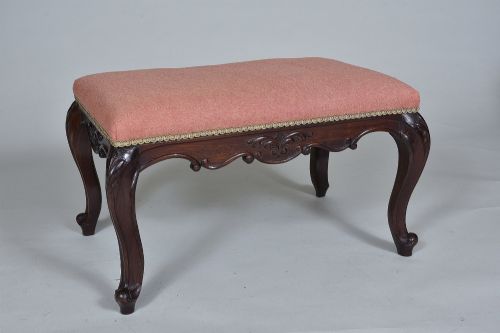


Wooden Footrest Bench
A wooden footrest bench offers low support for tired feet, pairing solid timber frames with upholstered tops.
Wooden Footrest Bench
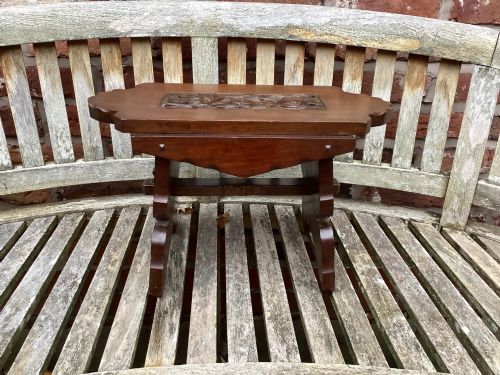
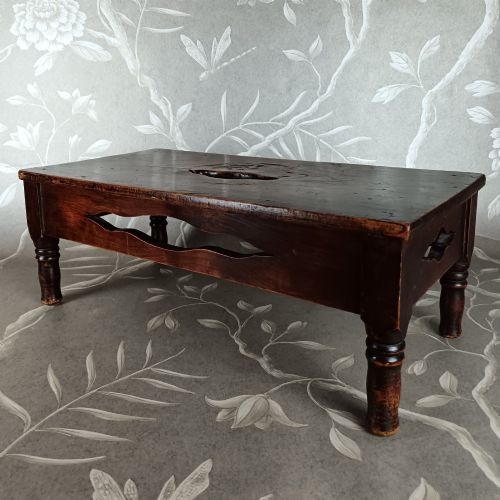
A wooden footrest bench encompasses low stools, fender stools, and long footstools originating from the eighteenth, nineteenth, and early twentieth centuries. These pieces appear in varied regional guises, from Georgian mahogany frames to Victorian walnut and Edwardian oak designs.
Distinctions in quality
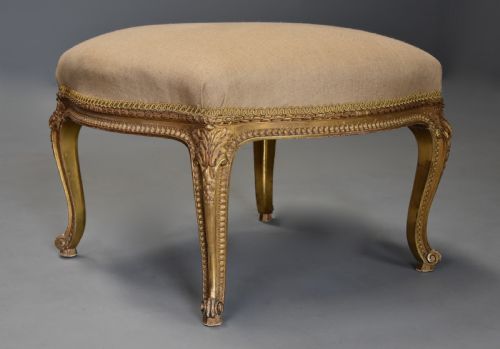
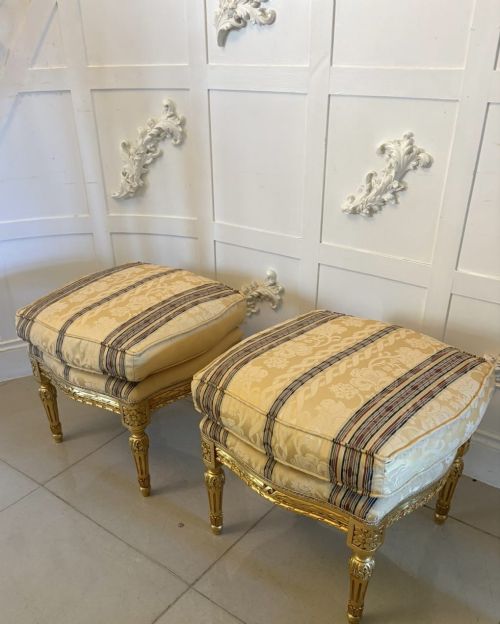
Quality rests in the crispness of timber carving, the selection of dense woods like mahogany and walnut, and the integrity of the frame joints. Finer pieces display sophisticated stylistic flourishes, such as French rococo or baroque carving, rather than plain utility.
The sophistication of the upholstery and the choice of covering material, from antique kilims to hand-stitched wool and brass-studded leather, elevate a piece above standard domestic seating.
Wooden Footrest Bench Retail Price Guide 2026
Typical asking prices for wooden footrest bench among the pieces listed under this phrase on Sellingantiques today, from the lower quarter to the upper quarter. They describe what is for sale here now, not the wider market.
Current listings feature pieces spanning the eighteenth to the early twentieth century, utilising mahogany, walnut, oak, brass, and woven rattan.
LOIDRAULT FRERES PARIS
The Wooden Footrest Bench Glossary
- Fender stool
- A long, narrow footrest bench designed to sit along the hearth in front of a fireplace fender. These pieces keep feet elevated away from cold stone hearths.
- Joint stool
- A sturdy wooden stool constructed with mortise and tenon joints using pegs. This form dates back centuries and provides a rigid, dependable base.
- Giltwood
- Timber coated with a thin layer of gold leaf or gesso and gold paint. It appears primarily on decorative revival pieces.
- Kilim
- A flat-woven rug or textile used historically to upholster seating. It adds distinct geometric patterns to nineteenth-century frames.
- X-framed stool
- A seating form featuring intersecting diagonal legs shaped like the letter X. This design often indicates higher status and continental influence.
Wooden Footrest Bench: Frequently Asked Questions
What is a wooden footrest bench used for?
These low benches provide support for the legs and feet while seated in a chair or by the fireside. They elevate the feet to improve comfort and warmth in traditional rooms.
Historically, larger versions also served double duty as low coffee tables or occasional seats in parlours and dressing rooms.
How do I date a wooden footrest bench?
Dating relies on identifying the timber species, joinery techniques, and stylistic revival motifs present in the frame. Eighteenth-century pieces typically show simpler, robust mahogany framing, while Victorian examples often feature heavy walnut or rosewood carvings.
Secondary woods, upholstery tacks, and wear patterns on the feet further assist in narrowing down the decade of manufacture.
Where should I place a footrest bench?
These benches fit naturally beside armchairs in living rooms, studies, or libraries to serve their original resting purpose. Their compact footprint also suits hallways or bedroom dressing areas.
Longer fender variants sit neatly before decorative fireplaces or beneath windows as low display surfaces.
How do I care for antique wood and upholstery?
Keep wooden frames nourished with appropriate wax polishes applied sparingly, avoiding excessive moisture. Protect the timber from direct sunlight to prevent the finish from fading.
Vacuum upholstered surfaces gently with a soft brush attachment to remove dust without disturbing older fabric weaves or brass studs.