





Wooden Folk Art Plaque
A wooden folk art plaque brings handmade regional character directly onto your wall through carved timber, paint and primitive detail.
Wooden Folk Art Plaque
When you search for a wooden folk art plaque, you encounter regional wall art, architectural salvage and carved panels spanning multiple centuries. These pieces originate from various traditions, including English fairground panels, American pyrography, German religious carvings and Dutch works.
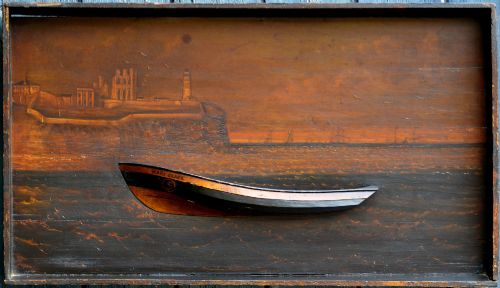
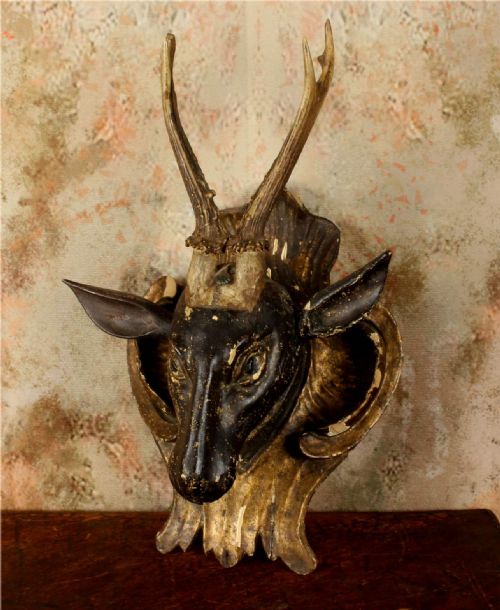
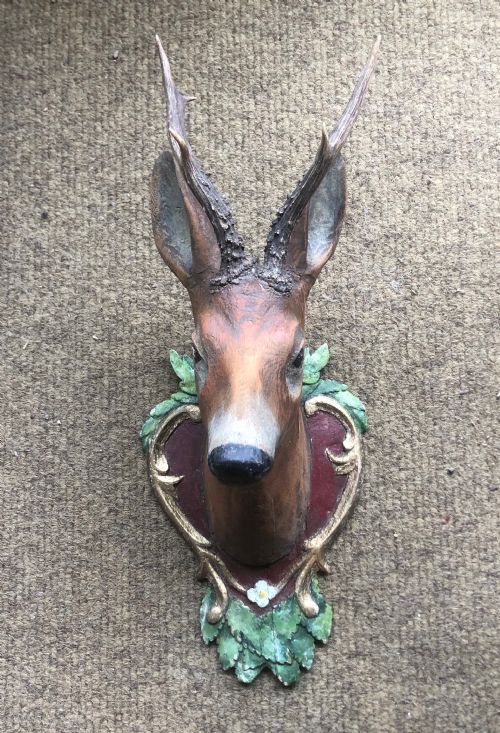
The selection on this page leans heavily towards nineteenth-century examples, alongside sixteenth-century oak panels and Edwardian display signs. Forms range from figurative wall sculptures and half hull ship models to animal plaques featuring deer heads with antlers.
Makers ranged from self-taught rural artisans to fairground craftsmen working in local timber. Their output served functional and decorative roles in homes, ships and public displays.
How they were made
Makers utilised available regional timber such as oak and pine, shaping them with hand tools to create panels and relief carvings. Techniques combined traditional woodworking with surface treatments like oil paint, parcel gilt and pokerwork pyrography.
Paint layers were applied directly to timber, often surviving in worn or patinated states that reflect decades of exposure and handling. Carvers also incorporated natural materials like antler into wooden mounts to build three-dimensional trophies and sculptures.
Wooden Folk Art Plaque Retail Price Guide 2026
Typical asking prices for wooden folk art plaque among the pieces listed under this phrase on Sellingantiques today, from the lower quarter to the upper quarter. They describe what is for sale here now, not the wider market.
Listings feature oak, pine and painted timber across the sixteenth, nineteenth and twentieth centuries.
What varies in quality
Quality rests in the strength of the carving and the preservation of original painted surfaces. Stronger examples display confident hand execution and clear regional identity, whether through detailed facial expressions on religious panels or crisp lettering on display signs.
Condition matters, with superior pieces retaining their early or original paint without heavy restoration masking the timber beneath. The character of the wood grain and the integrity of the original assembly elevate certain panels above standard decorative salvage.
The Wooden Folk Art Plaque Glossary
- Pyrography
- The art of decorating wood or other materials by burning a design on the surface with a heated metallic point. Also known as pokerwork, this technique appears on nineteenth-century American panels.
- Parcel gilt
- The practice of gilding only parts of an object rather than the entire surface. This technique highlights specific carved details on wooden plaques and frames.
- Half hull model
- A three-dimensional representation of a ship's starboard or port side mounted on a backboard. Shipwrights used these to test hull designs or display vessels like cobles.
- Fairground art
- Decorative carving and painting produced for amusement rides and carnival attractions. Edwardian carousel panels represent this vibrant, large-scale tradition.
- Primitive
- A term describing art produced by self-taught makers working outside academic traditions. Sixteenth-century oak snake panels often display these direct, unpolished stylistic qualities.
Wooden Folk Art Plaque: Frequently Asked Questions
What is a folk art wall plaque?
A folk art wall plaque is a decorative or functional carved wooden object made outside formal academic traditions. These pieces include painted panels, religious carvings and architectural fragments.
They reflect the domestic and regional tastes of makers from the sixteenth century onwards, serving as direct records of local craftsmanship.
How can I tell the period of a carved panel?
Dating relies on tool marks, timber species, style of carving and the composition of any remaining paint layers. Sixteenth-century pieces show deep hand-adzed or gouged surfaces in heavy oak.
Later nineteenth-century examples often incorporate machine-cut backing boards alongside distinct regional paint palettes and subject matter.
Are painted surfaces original on these plaques?
Many plaques retain their early or original oil paint, often showing natural wear, crazing and patination from age. Close inspection under natural light helps reveal underlying paint layers and subsequent touch-ups.
Original surfaces command greater interest from collectors who value authentic historical wear.