




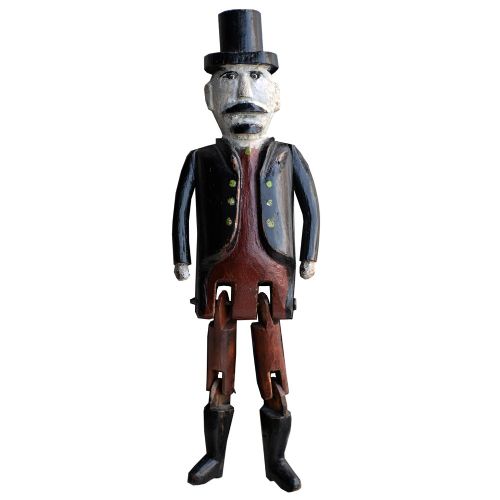

Wooden Folk Art Doll
These wooden folk art doll figures and related items offer charming hand-carved character for any collection.
Wooden Folk Art Doll
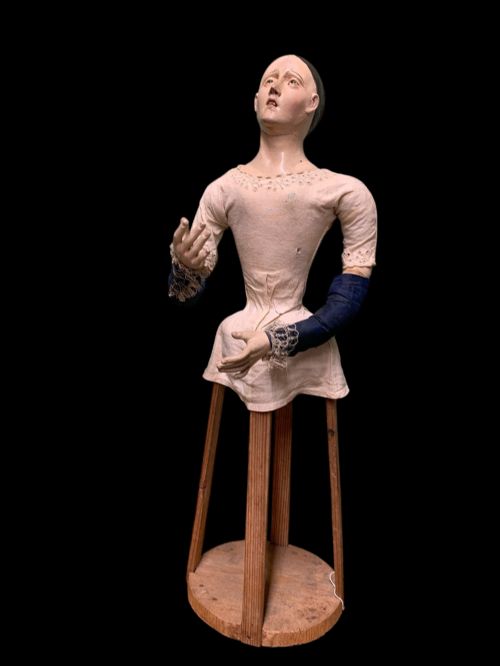
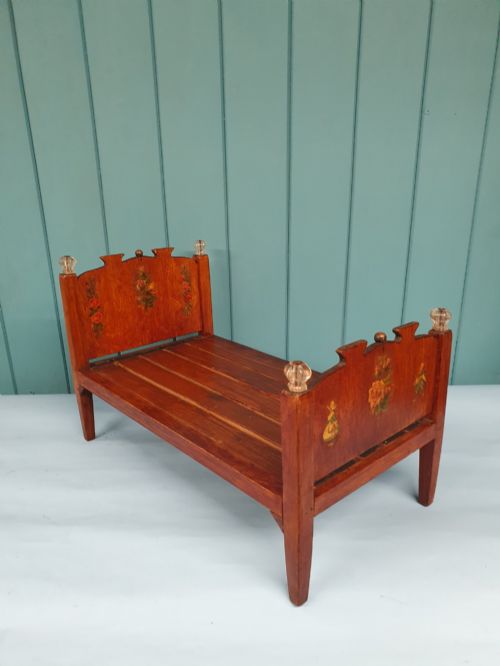
When you search for wooden folk art doll pieces, you encounter a fascinating range of hand-carved objects spanning the Georgian era through to the early twentieth century. The selection includes processional figures, jigger dolls, bedpost carvings, and miniature doll furniture created by anonymous makers.
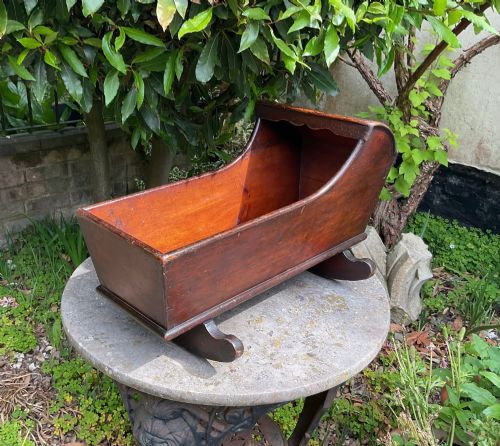
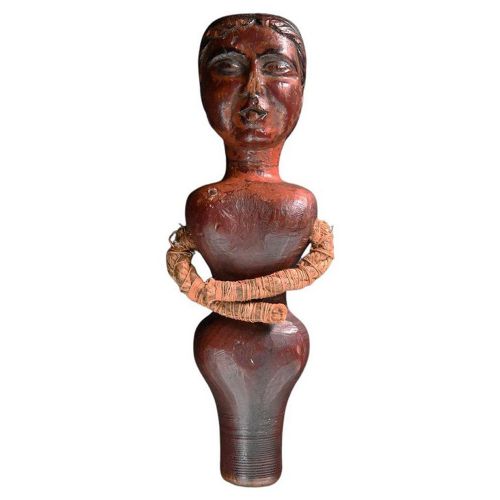
The English and American jigger dolls from the early twentieth century appear alongside nineteenth-century Italian Santos processional figures and Georgian pine cradles. These vernacular items reflect regional craft traditions rather than factory production.
Most pieces show simple carved wood construction, often enhanced with original paint or polychrome surfaces. Buyers find both decorative figures and utilitarian miniature furniture items that served as toys or devotional objects.
How they were made
Makers shaped these objects using basic hand-carving techniques on local timber, with pine appearing alongside other woods in items like doll cradles and figures. Surface decoration frequently involved hand-applied paint and polychrome finishes to bring expression to the carved details.
Some textile elements such as linen and lace appear on figures alongside metal and glass components, particularly in processional figures. The construction prioritised function and visual impact over refined cabinet-making standards.
Wooden Folk Art Doll Retail Price Guide 2026
Typical asking prices for wooden folk art doll among the pieces listed under this phrase on Sellingantiques today, from the lower quarter to the upper quarter. They describe what is for sale here now, not the wider market.
Listings feature items spanning the Georgian period, the nineteenth century, and the 1920s, constructed from carved wood, paint, metal, linen, lace, and glass.
What varies in quality
The strength of the carving and the preservation of original painted surfaces largely determine the appeal of these vernacular objects. Pieces retaining their early polychrome finishes or original textile elements command greater interest from collectors.
Proportion and expression also separate simpler utilitarian items from more expressive sculptural figures. Wear and surface patination from long use contribute to the character of each piece.
The Wooden Folk Art Doll Glossary
- Jigger doll
- A mechanical toy figure designed to dance on a board when tapped, usually operated by hand or vibration.
- Santos figure
- A carved religious statue representing a saint or holy figure, often used in processions or domestic devotion.
- Polychrome
- Decoration employing multiple colours, typically applied as paint to wooden surfaces.
- Vernacular art
- Objects made by ordinary people using traditional methods, outside the academic fine art tradition.
Wooden Folk Art Doll: Frequently Asked Questions
How old are these wooden items?
The pieces span from the Georgian period through the nineteenth century and into the early twentieth century. Dating relies on stylistic clues, construction methods, and material wear.
Earlier examples include Georgian pine cradles and nineteenth-century processional mannequins, while jigger dolls typically date from the 1920s.
Were these objects made as toys?
Some items like doll beds and jigger dolls served as children's toys or amusements, while others had entirely different purposes. Processional figures and Santos carvings were devotional objects used in religious contexts.
Bedpost figures and mannequins fulfilled decorative or architectural roles rather than functioning as playthings.
How should I care for painted wood?
Painted wooden folk art requires stable environmental conditions away from direct sunlight and excessive humidity. Fluctuations in temperature can cause wood to move and paint to flake.
Cleaning should be limited to gentle dusting with a soft, dry cloth without applying modern chemical polishes.