



Wooden Fireside Store
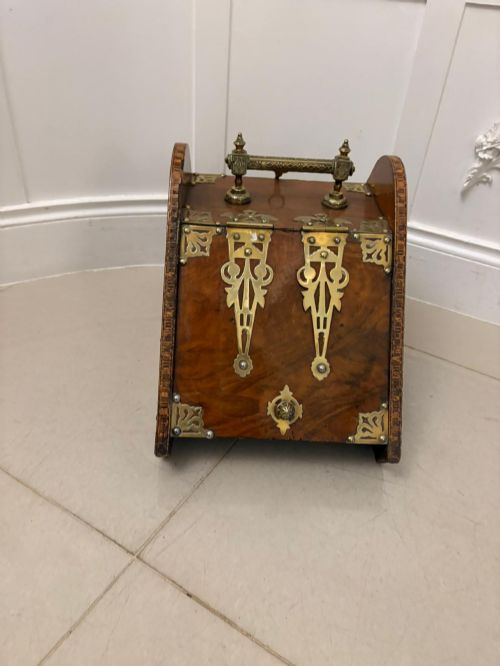
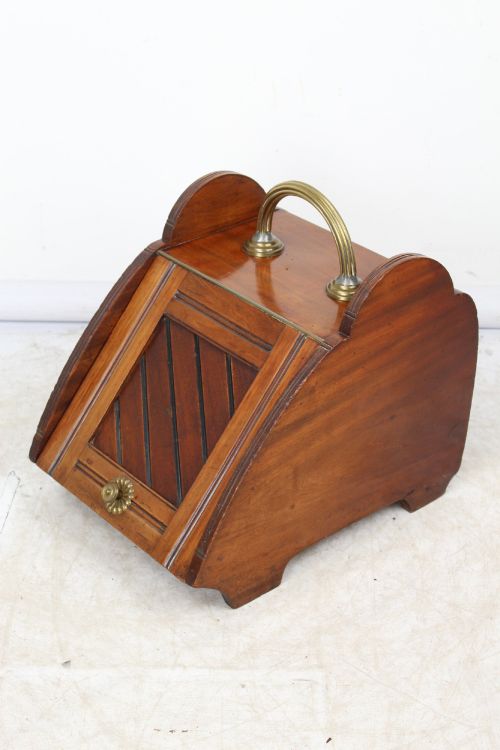
These wooden fireside store pieces are traditional hearthside containers for fuel, most commonly met here in Victorian and Edwardian oak, mahogany, and walnut.
Wooden Fireside Store
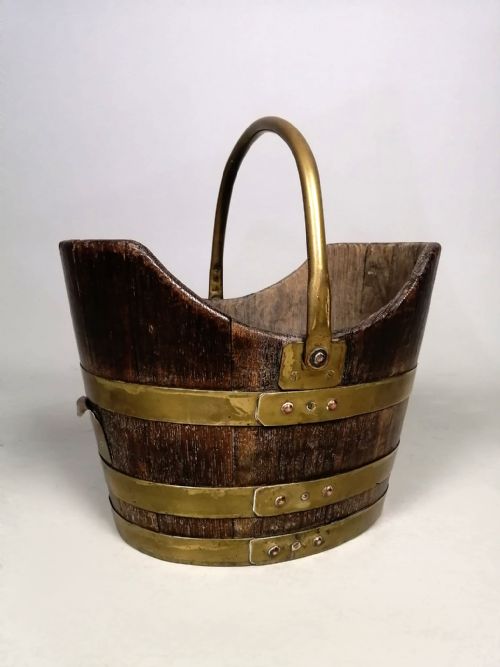
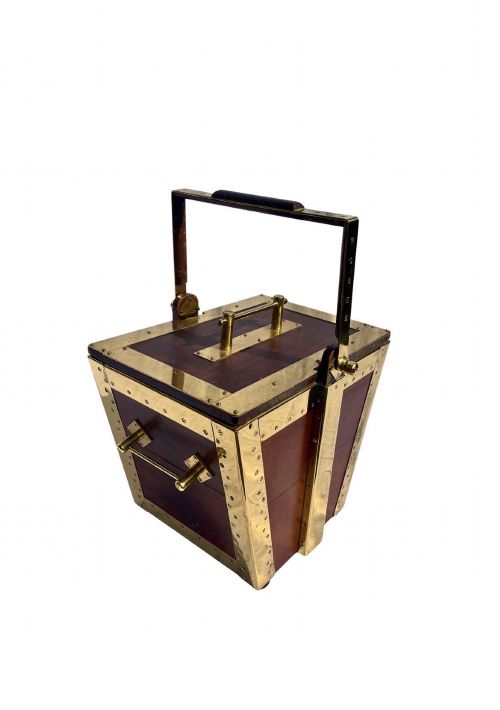
When you search for wooden fireside store, you look at functional containers designed to hold coal, logs, and kindling beside the hearth. The forms on this page span coal boxes, purdoniums, log bins, coal buckets, and adapted vessels such as well buckets and cellarettes.
Victorian and Edwardian examples dominate the selection, appearing in substantial woods like oak, mahogany, and walnut, often finished with brass mountings and handles. Earlier Georgian pieces also feature, including brass-banded buckets and coopered fire bins.
Country house styles sit alongside urban Victorian designs, ranging from rustic elm and pine boxes to carved and inlaid Edwardian models. Many double as general storage or planters, reflecting how these utilitarian items transitioned through different domestic roles.
How they were made
Makers utilised traditional cabinet-making techniques, joining dense hardwoods like oak, mahogany, and walnut through dovetailing, coopering, and panel construction. Coopered vessels employ tight wooden staves bound by metal bands, a method borrowed from barrel-making.
Metalwork played a structural and decorative role, with brass handles, hinges, straps, and liners fitted to protect the timber from moisture and ash. Carving and inlay added surface detail to formal Victorian and Edwardian pieces, contrasting with the simpler pegged construction of rustic country versions.
Wooden Fireside Store Retail Price Guide 2026
Typical asking prices for wooden fireside store among the pieces listed under this phrase on Sellingantiques today, from the lower quarter to the upper quarter. They describe what is for sale here now, not the wider market.
The listings show pieces spanning the 18th Century through the Edwardian period, utilising oak, mahogany, walnut, pine, and brass.
What varies in quality
The standard of timber selection and joinery separates everyday utility boxes from finer domestic pieces. Finer examples display carefully figured mahogany or walnut veneers, precise dovetail joints, and robust internal metal liners designed to contain coal dust.
Originality of hardware and mounts determines the standing of a piece. Retaining period brass handles, hinges, and fitted shovels maintains the integrity of the design, whereas later replacements shift the balance of the object.
LIBERTY LONDON 'LYNDHURST'
The Wooden Fireside Store Glossary
- Purdonium
- A specialised coal box featuring a sloping front or tipping mechanism designed to dispense fuel cleanly onto the fire. It frequently includes an internal metal scoop and brass carrying handles.
- Cellarette
- A lockable container originally built for storing wine bottles in the dining room, often adapted later for use as a fireside log or coal bin. These frequently date to the Georgian period and sit on sturdy feet.
- Coopered
- Constructed from vertical wooden staves fitted together and held securely by exterior metal bands, similar to the technique used for barrels and buckets.
Wooden Fireside Store: Frequently Asked Questions
What is a purdonium?
A purdonium is a dedicated Victorian coal box featuring a forward-tipping hopper or a sloping drop-front door designed to feed fuel directly onto the hearth. They often contain a removable metal liner and a matching shovel.
These units kept coal dust contained while presenting a tidy wooden cabinet to the formal Victorian drawing room or sitting area.
How do I use an antique log box?
These boxes function well beside modern wood-burning stoves or open fireplaces for holding dry logs, kindling, or peat briquettes. Placing seasoned firewood inside adds texture and practical warmth to a room.
Ensure the interior metal or wooden lining is clean and dry before loading fuel to protect the historic timber from moisture and bark debris.
How do I date an oak coal box?
Dating relies on examining construction methods, timber choice, and decorative style alongside hardware like brass handles and hinges. Victorian pieces often feature heavy machine-cut dovetails and dark finishes, while Edwardian versions lean towards lighter inlaid mahogany or simpler oak.
Earlier Georgian pieces, such as coopered buckets or cellarettes, show hand-planed surfaces and robust iron or brass binding rather than mass-produced fittings.
Can I use a well bucket by the fire?
Coopered wooden well buckets and planters make sturdy fireside storage bins for rolled-up blankets, magazines, or large logs. Their solid stave construction handles heavy items easily.
Check the interior for historic damp damage or old repairs before filling them, and line them if storing materials that might scratch the base.