


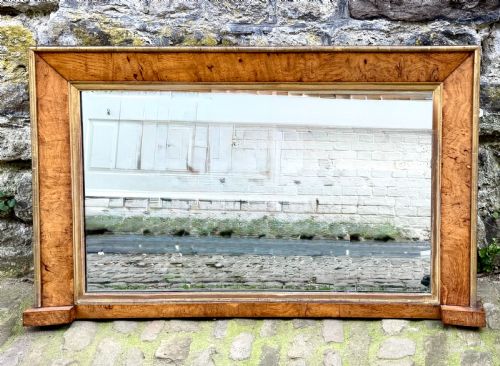


Wooden Fireplace Mantel
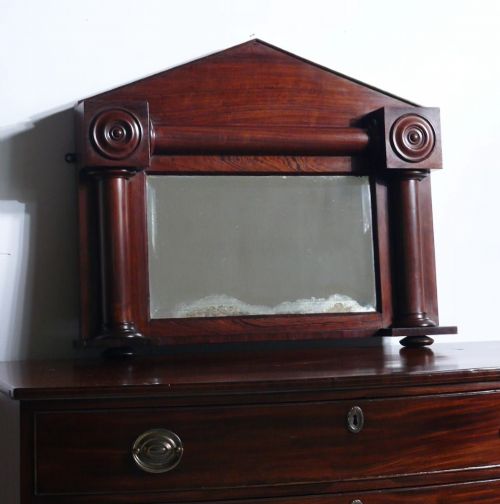
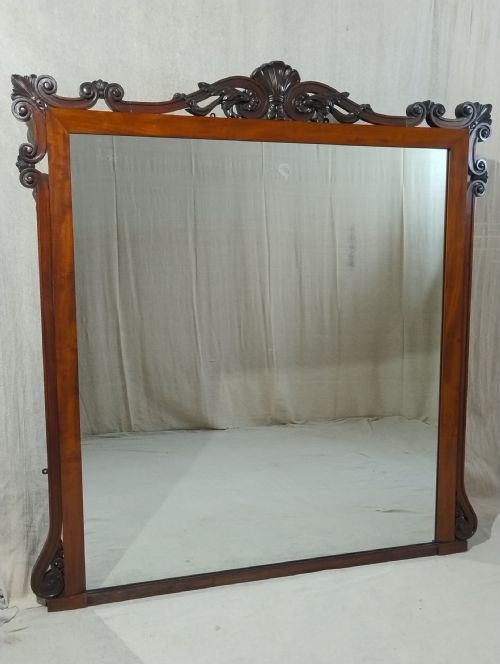
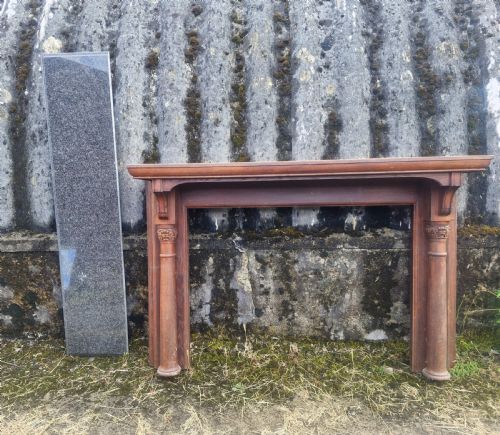
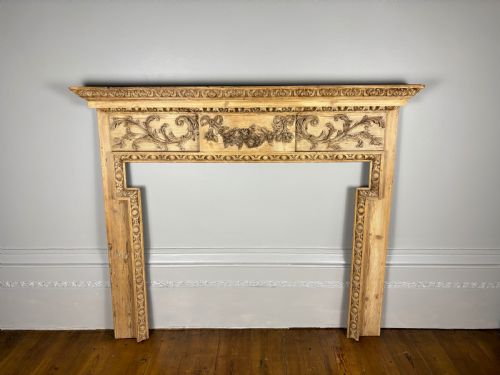
These wooden fireplace mantel pieces and mirrors bring architectural weight and rich grain into a room, anchoring the hearth.
Wooden Fireplace Mantel
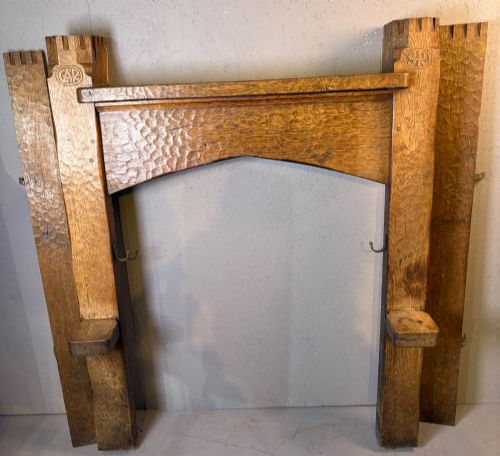
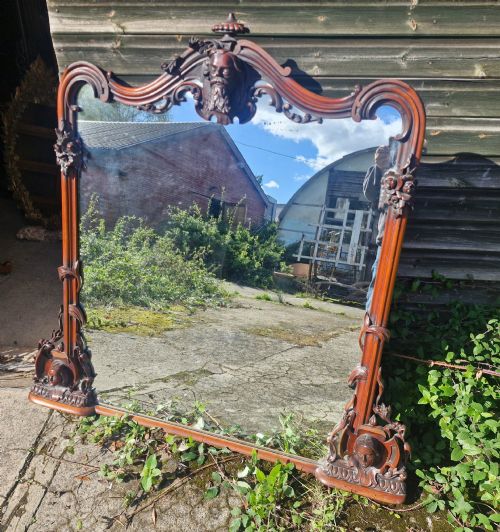
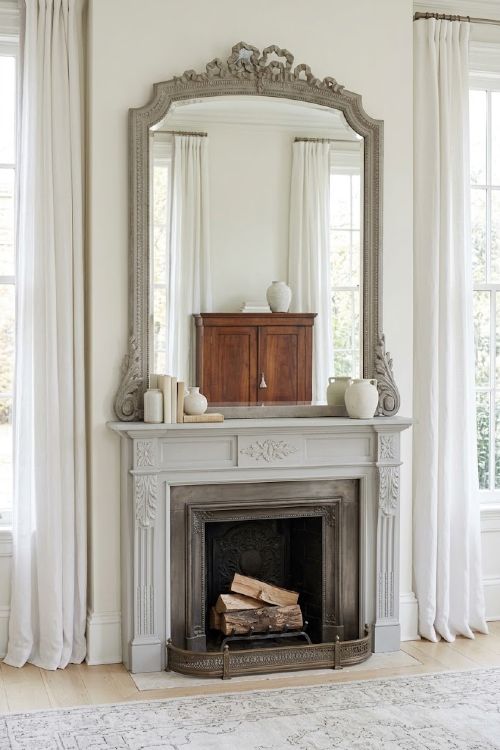
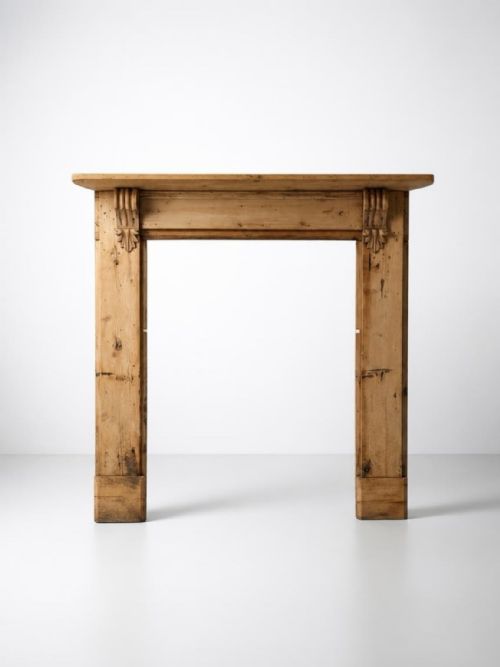
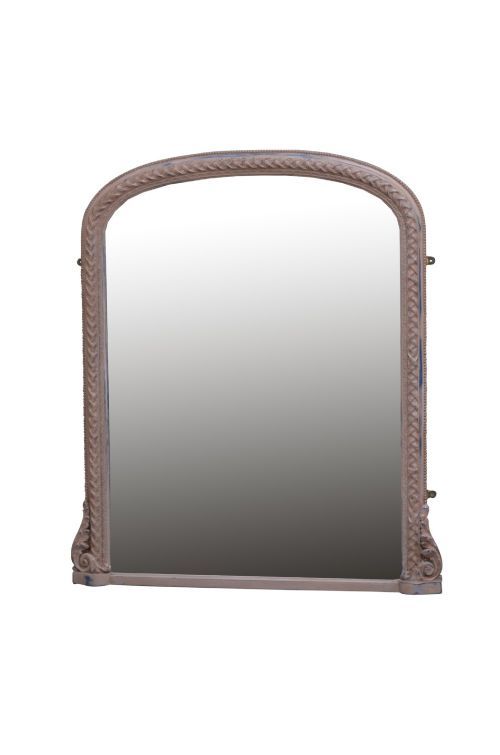
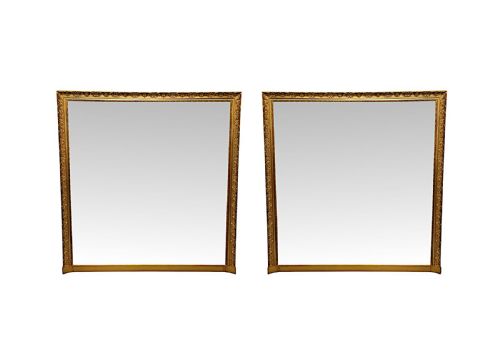
A wooden fireplace mantel encompasses both structural architectural surrounds and the decorative mirrors hung directly above the hearth. When searching for a wooden fireplace mantel, buyers encounter architectural fire surrounds alongside substantial overmantel mirrors designed to sit upon the chimney breast.
The selection ranges from Georgian pine and Regency gesso surrounds to Victorian and Edwardian oak, mahogany, and walnut overmantel mirrors. These pieces originate from the nineteenth and early twentieth centuries, spanning periods from Georgian craftsmanship through to Edwardian and later interpretations.
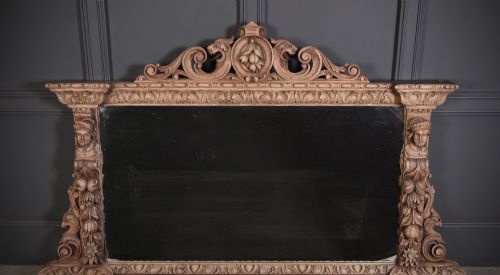
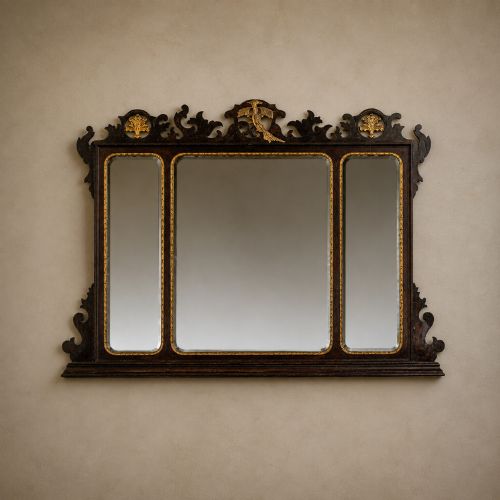
Overmantel mirrors dominate the selection, often featuring architectural mouldings, triptych glass, or carved crestings that reflect light and expand the sense of space above a fireplace. Surrounds provide the physical framework of the hearth, frequently incorporating granite tops, fretwork columns, or inlaid marquetry.
Materials and construction methods
Cabinet makers utilised a diverse palette of timbers, including solid oak, mahogany, walnut, rosewood, pitch pine, and burr yew-wood, often chosen for their pronounced grain patterns. Frames incorporate applied gesso, giltwood, brass detailing, and ormolu mounts to enrich the wooden surfaces.
Carving serves as a primary decorative technique, seen in hand-carved solid elm fretwork columns, Louis XV style motifs, and intricate crestings such as the Ho-Ho bird. Painted, ebonised, and polished finishes are applied directly to the wood, sometimes paired with mirror glass to create layered visual depth.
Wooden Fireplace Mantel Retail Price Guide 2026
Typical asking prices for wooden fireplace mantel among the pieces listed under this phrase on Sellingantiques today, from the lower quarter to the upper quarter. They describe what is for sale here now, not the wider market.
Listings feature oak, mahogany, walnut, and pine across periods spanning Georgian, Regency, Victorian, and Edwardian eras.
Distinctions in craftsmanship
The standard of carving dictates the visual strength of the piece, separating deep, crisp hand-carving from simpler or more mechanical mouldings. Superior examples display thoughtful integration of decorative elements, such as marquetry inlays or balanced triptych mirror divisions that complement the underlying timber grain.
The Wooden Fireplace Mantel Glossary
- Overmantel mirror
- A large mirror specifically designed to be hung or placed on the mantelpiece above a fireplace. These mirrors often repeat the architectural lines of the surround below.
- Fire surround
- The decorative architectural framework enclosing the fireplace opening, built from timber or stone. This structure defines the visual boundaries of the hearth.
- Triptych
- A mirror or artwork divided into three distinct panels, commonly seen in larger Victorian overmantel designs. This configuration widens the reflective surface.
- Gesso
- A plaster-based mixture applied to wood surfaces and carved or gilded. It provides a smooth base for intricate ornamentation.
- Marquetry
- The art of applying small pieces of veneer to a structure to form decorative patterns. It frequently appears on Edwardian rosewood furniture and frames.
- Ormolu
- Gilded bronze mounts applied to furniture and mirror frames for decorative accent. The technique adds metallic contrast to dark woods.
Wooden Fireplace Mantel: Frequently Asked Questions
How do I choose the right size overmantel mirror?
Match the width of the mirror to the dimensions of the mantel shelf below it, ensuring the frame does not exceed the hearth's footprint. Proportion governs whether a large arched design or a more restrained horizontal format suits the wall.
Consider the ceiling height and the presence of existing architectural mouldings when selecting between substantial triptych pieces and simpler rectangular mirrors. The visual weight of the timber should balance the scale of the fireplace.
What woods were commonly used for fireplace mantels?
Oak, mahogany, and walnut appear frequently across nineteenth-century pieces, prized for their durability and rich grain. Cabinet makers also utilised pine, rosewood, and exotic veneers like burr yew-wood for specific decorative effects.
Ebonised finishes and painted surfaces became popular during the Victorian era to mimic more costly materials or to provide a sharp contrast against gilt detailing. The choice of timber often reflects the prevailing style of the period, from Georgian pine to Edwardian inlaid rosewood.
Can an overmantel mirror be hung on an ordinary wall?
These mirrors are engineered to be heavy, substantial objects originally intended to rest securely on a mantel shelf while anchored to the wall. Hanging one independently requires robust wall fixings capable of supporting considerable weight.
Fixing brackets must engage with wall studs or masonry to ensure safety, as the solid wood frames and glass panels are exceptionally heavy. Professional installation is generally recommended for larger nineteenth-century examples.
How do I identify a Victorian overmantel mirror?
Victorian examples often display deep carvings, architectural cornices, and rich timber grains such as burr walnut or mahogany. Details like ebonised and gilt accents or specific crestings point directly to mid to late nineteenth-century manufacture.
Earlier Regency pieces lean towards gesso and classical lines, while Edwardian versions frequently incorporate marquetry and lighter rosewood tones. Examining the construction of the backboards and the silvering of the mirror glass provides further clues to the period.