


Wooden Figure Painting
These pieces unite carved timber and pigment, bringing centuries of character and hand-applied colour into a room.
Wooden Figure Painting
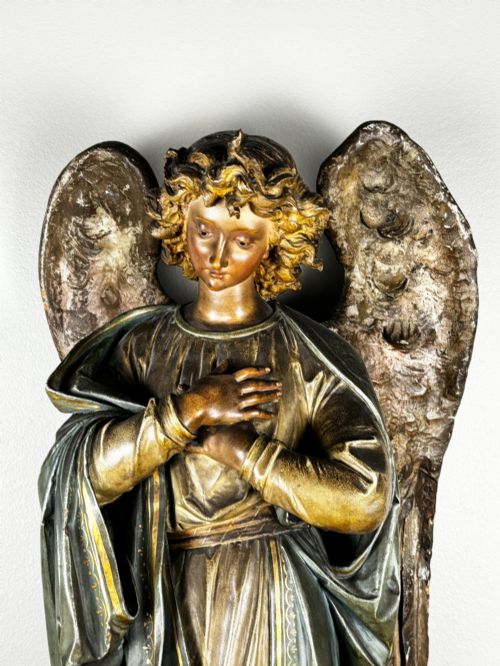
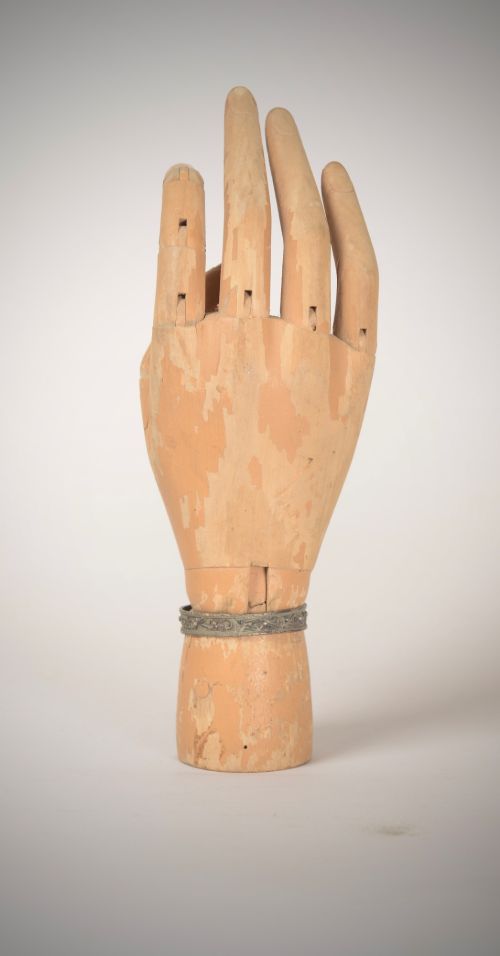
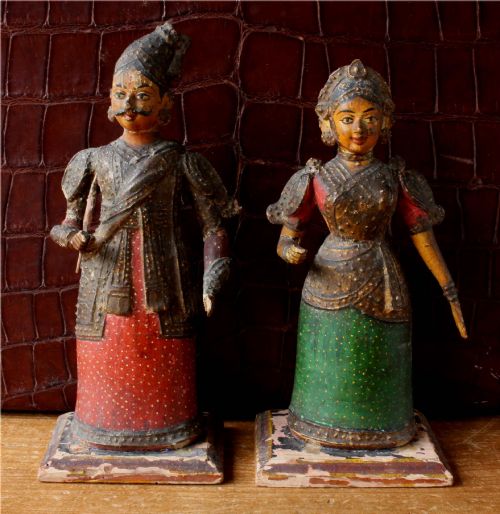
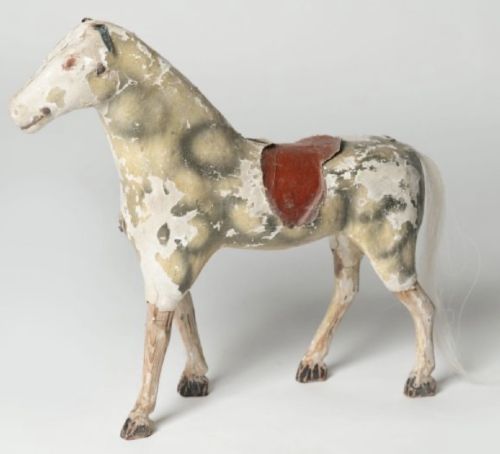
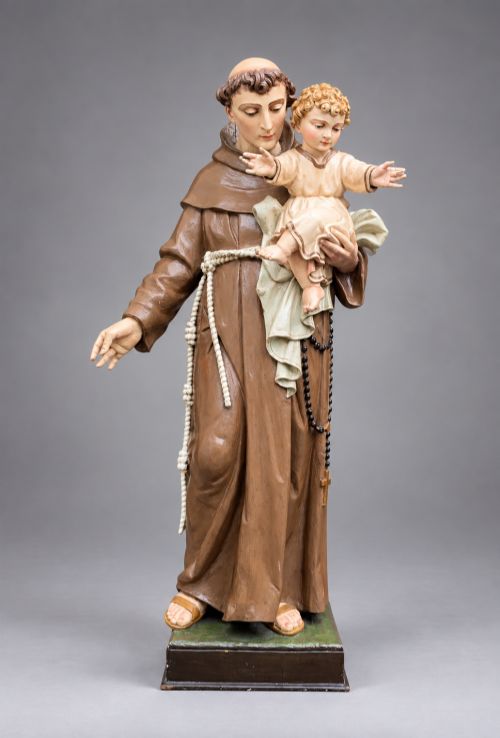
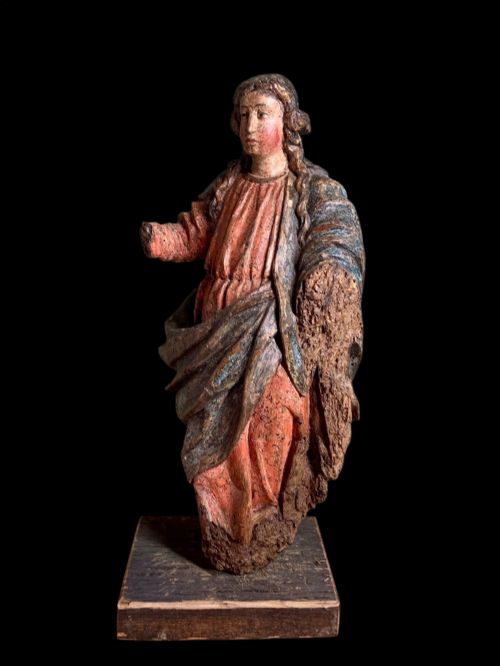
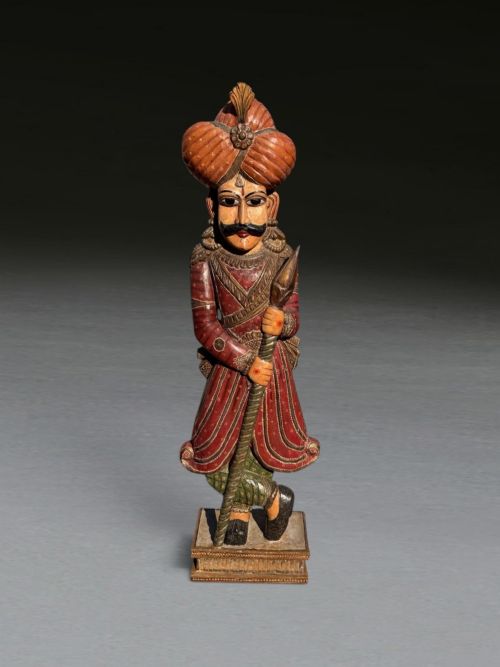
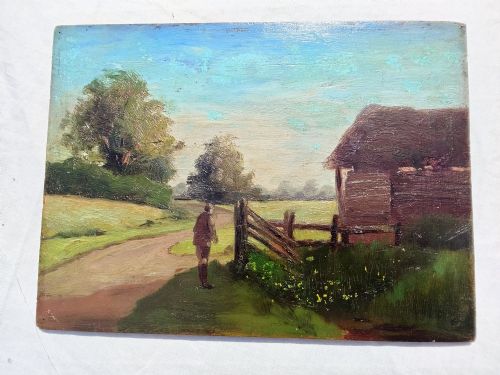
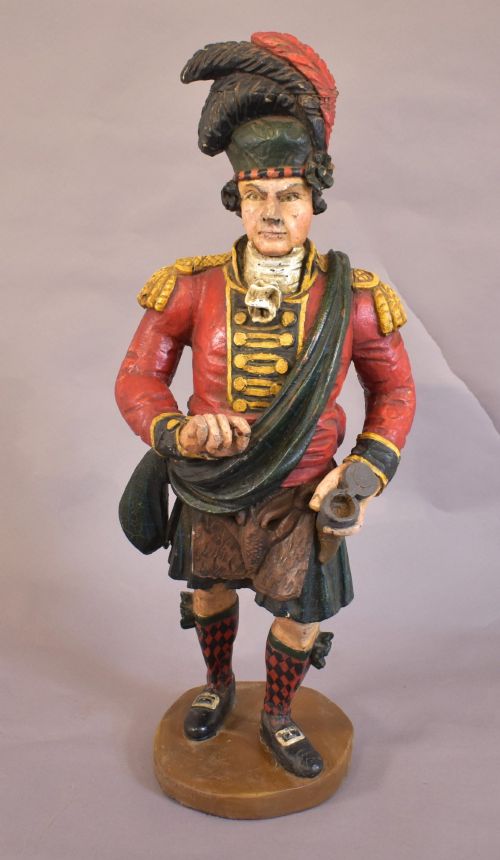
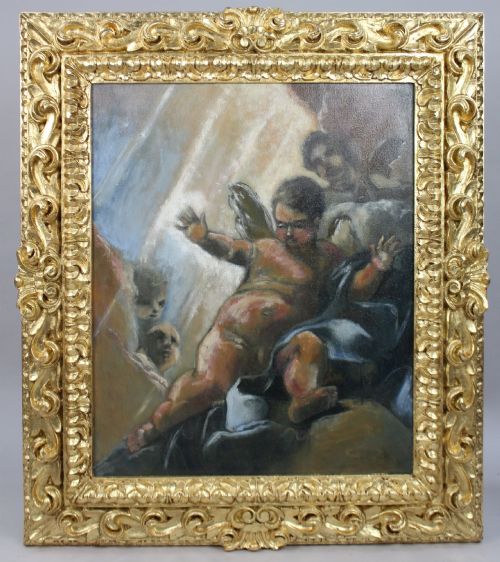
When you search for wooden figure painting, you enter a diverse field encompassing carved wooden sculptures enhanced with polychrome paint, gesso, and oil colour, alongside oil paintings on wooden panels and canvas depicting human and animal subjects. These works span centuries from the eighteenth through to the mid-twentieth, crossing folk art traditions, trade signs, devotional statues, and decorative figures from English, French, Italian, Chinese, and American origins.
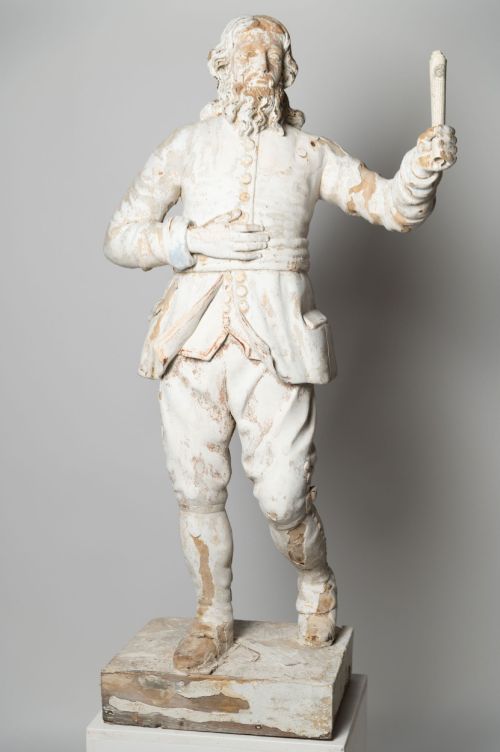
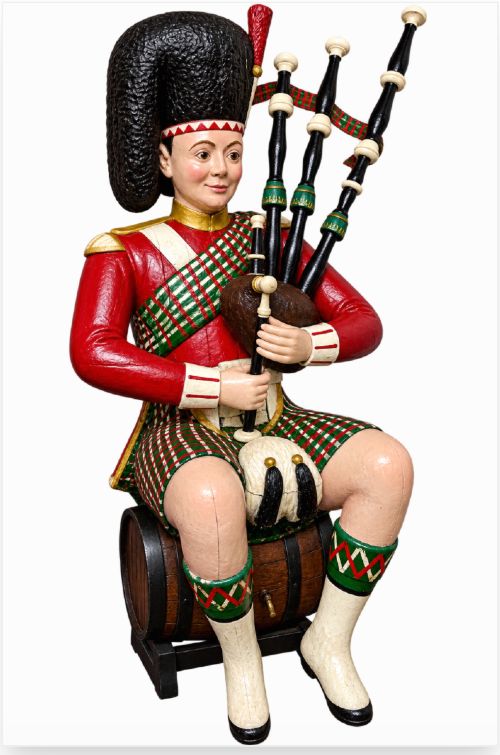
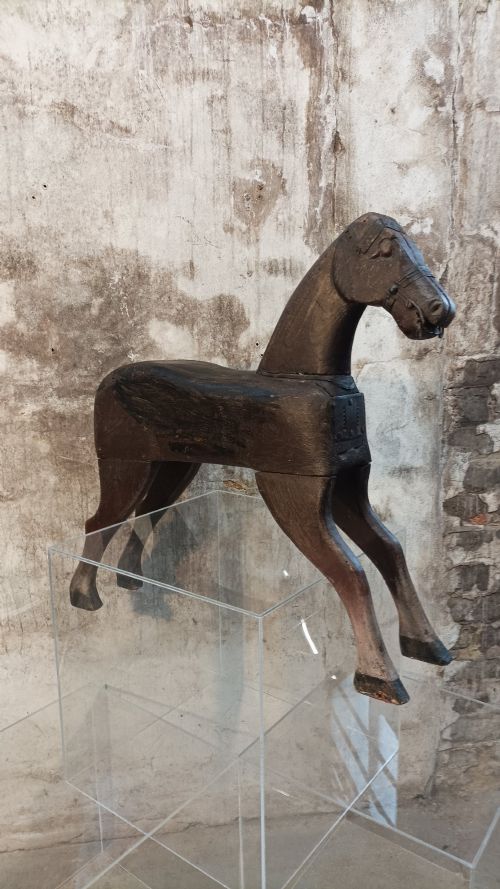
You are most likely to encounter nineteenth-century folk art sculptures, carved saints, trade figures, and early twentieth-century display pieces on this page. The forms range from life-sized animals and soldiers to intricate religious icons and architectural panels, reflecting both vernacular domestic use and commercial display.
The objects balance structural carving with surface decoration, where the hand of the maker remains visible in every brushstroke and chisel mark. Their appeal lies in this union of tactile form and weathered pigment, telling stories of workshop production and regional craft.
Materials and technique
Makers typically began with seasoned timbers such as pine, hardwood, or fruitwood, shaping the bulk of the form with gouges and chisels before applying a ground layer of gesso where finer surface detail was required. This preparatory layer provided a stable, smooth base for subsequent layers of oil paint, polychrome decoration, or lacquer.
Pigments were applied by hand using oil paints or distemper, sometimes sealed with varnish that has since mellowed and darkened with age. Metal elements, iron fixtures, or gilded highlights occasionally augment the wooden structures, particularly in trade signs, automata, and devotional figures.
Wooden Figure Painting Retail Price Guide 2026
Typical asking prices for wooden figure painting among the pieces listed under this phrase on Sellingantiques today, from the lower quarter to the upper quarter. They describe what is for sale here now, not the wider market.
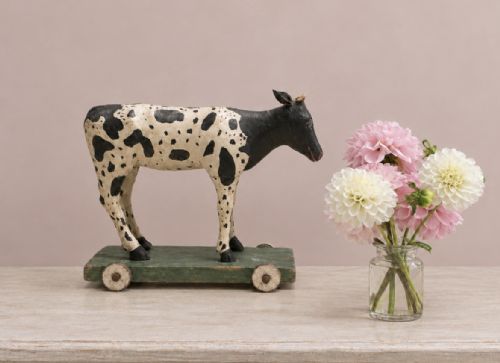
A wooden cow on wheels stands ready to roll into action, proving that even livestock needed transport in 1910.
Assessing quality
Preservation of the authentic polychrome surface dictates value, with untouched, layered paint finishes holding far greater aesthetic resonance than overpainted or stripped examples. The harmony between the sculptural form and its decorative pigment separates workshop masterworks from simpler vernacular items.
The Wooden Figure Painting Glossary
- Polychrome Paint
- Pigmentation applied in multiple colours to the surface of wood or gesso. This technique brings depth and realism to carved sculptures and religious icons.
- Gesso
- A plaster-like mixture applied to wooden bases as a smooth foundation for painting or gilding. It creates an even surface that holds fine detail.
- Dummy Board
- A flat, painted wooden figure cut to silhouette form, designed to stand illusionistically in a room. Also known as a silent companion, these pieces often date from the eighteenth and nineteenth centuries.
- Trade Sign
- A carved and painted wooden object or panel hung outside a shop to advertise wares or services. Examples include tobacconist figures and butcher displays.
- Folk Art
- Utilitarian or decorative objects created by self-taught or provincial artisans working outside academic traditions. These pieces prioritise expressive directness over classical proportion.
Wooden Figure Painting: Frequently Asked Questions
What is a wooden figure painting?
The term covers both three-dimensional carved wooden sculptures finished with paint and oil paintings executed directly on wooden panels or canvas. These works combine the carver's craft with the painter's brush.
You will find examples ranging from religious saints and folk art animals to trade signs and decorative panels across various centuries.
How were trade figures used?
Traders placed carved and painted wooden figures outside shops or inside premises to advertise specific businesses, such as tobacconists or butchers. They served as eye-catching commercial signposts.
These functional objects were subject to heavy wear and weather, making surviving examples with original paint particularly prized today.
How do I care for polychrome wood?
Keep painted wooden pieces away from direct sunlight and steady temperature fluctuations to prevent the wood from splitting and the paint from flaking. Gentle dusting with a soft brush is all that is required.
Avoid using liquid cleaners or chemical polishes, which can dissolve or discolour fragile historical paint layers.
How can I tell the age of these pieces?
Dating relies on examining the tool marks left by the carver, the composition of the underlying gesso, and the chemical ageing of the oil or polychrome paint. Wear patterns and timber shrinkage also offer clear clues.
Stylistic conventions of clothing, hair, and craftsmanship help narrow down the period of creation to specific decades or centuries.