

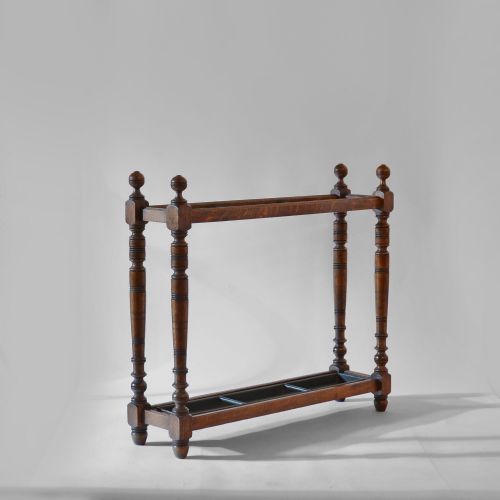
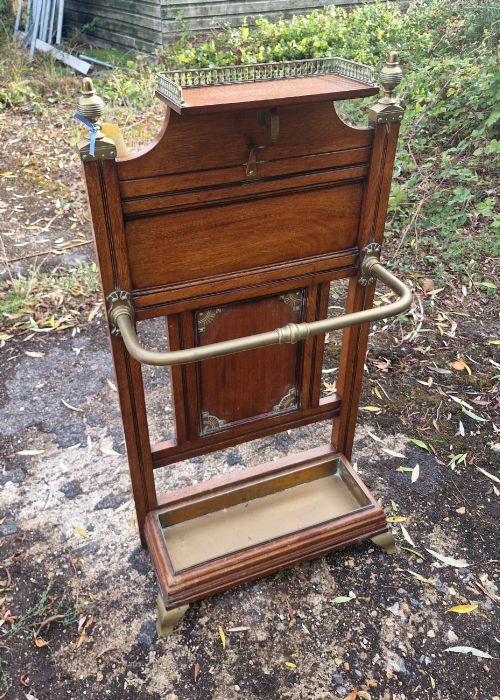
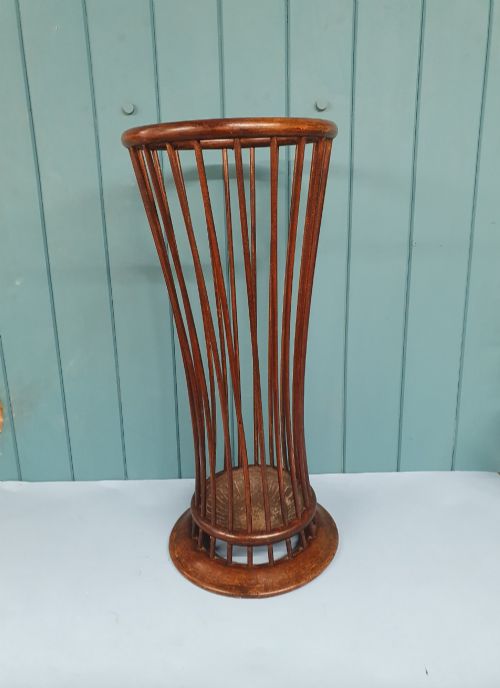
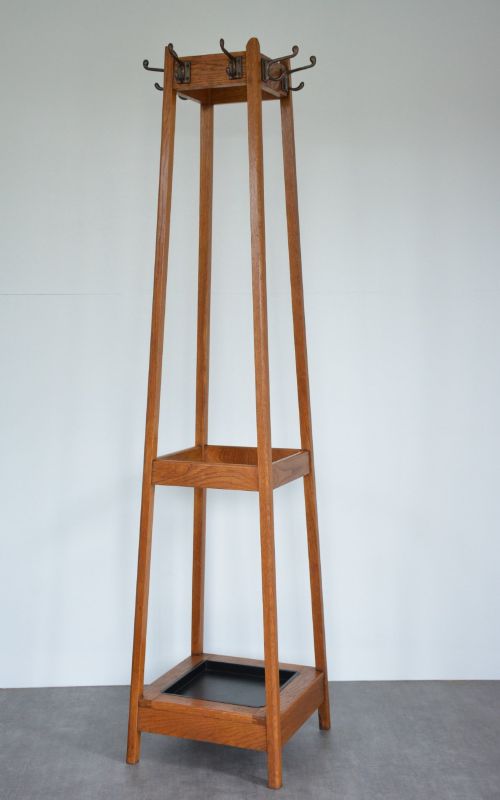
Wooden Drip Tray Stick Stand
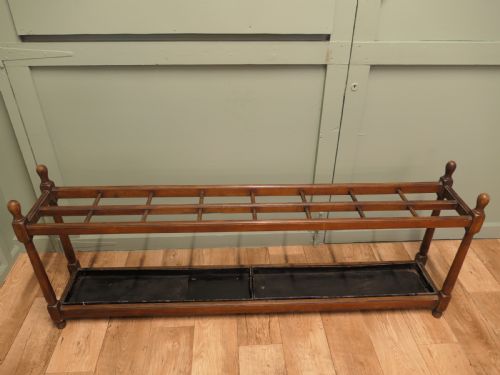
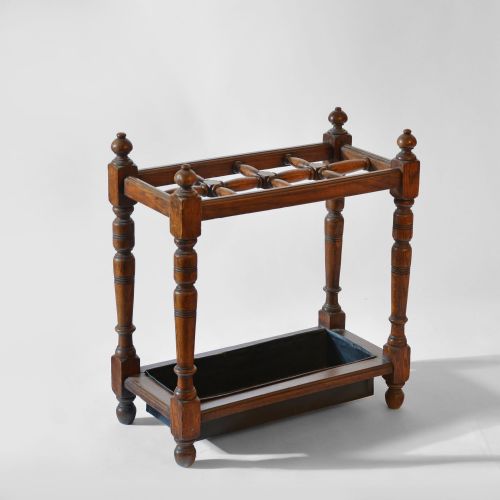
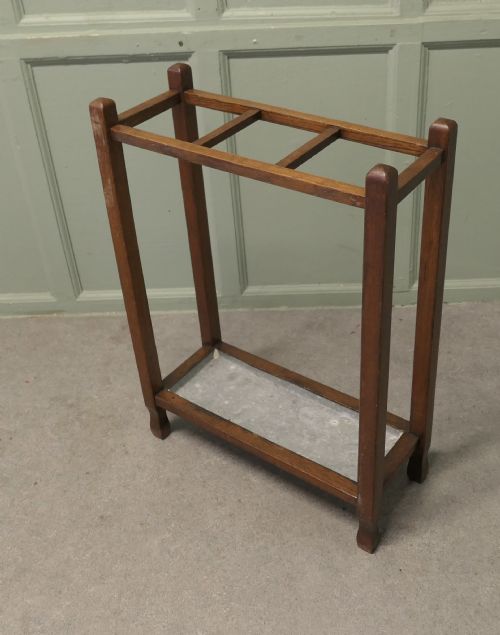
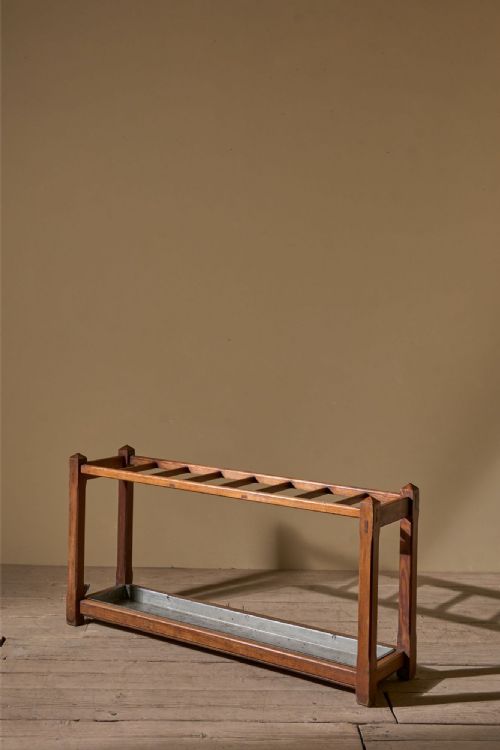
A wooden drip tray stick stand is a hall furnishing designed to hold wet walking sticks and umbrellas.
Wooden Drip Tray Stick Stand
A wooden drip tray stick stand combines a timber frame with a catchment pan to protect hallways from wet weather. These hallway furnishings appear across the nineteenth century, Victorian, and Edwardian periods.
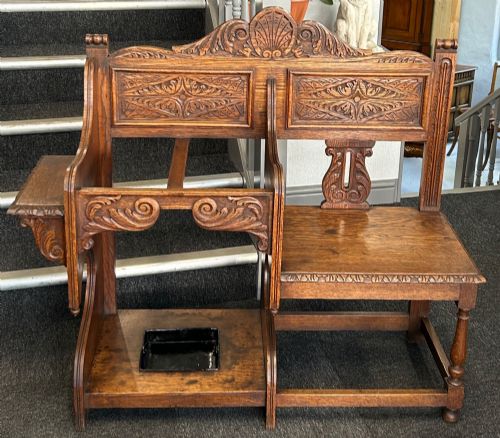
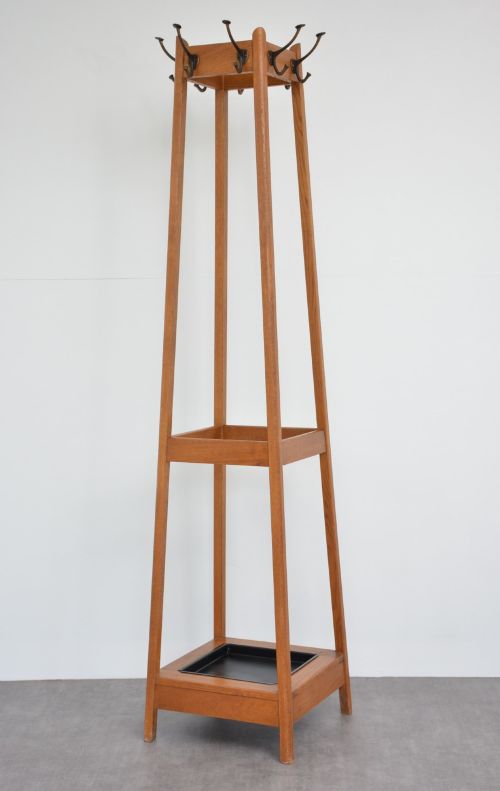
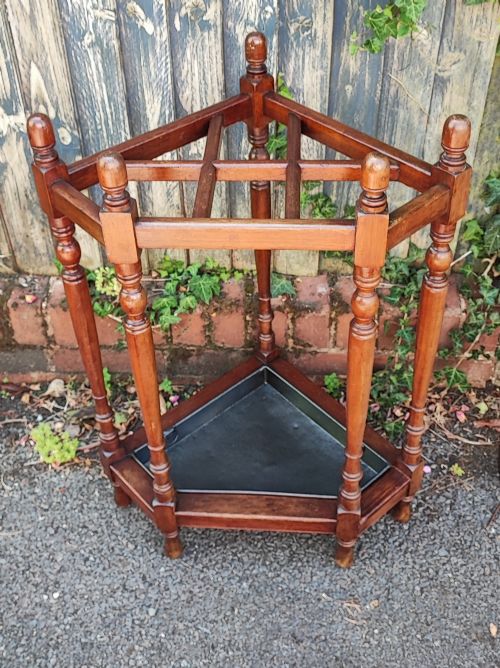
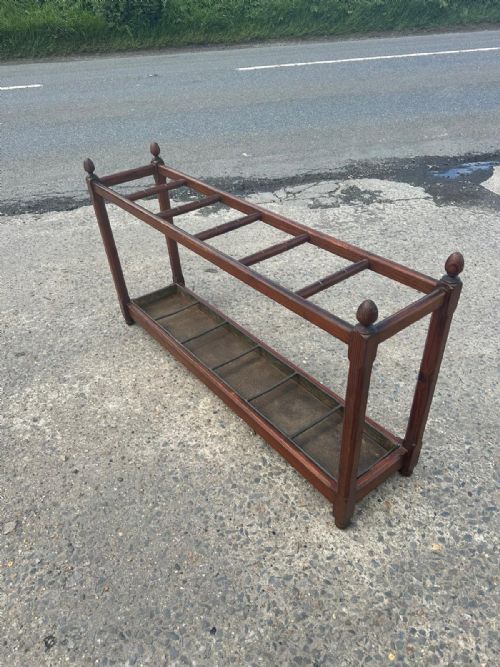
Makers integrated these practical receptacles into larger hall stands, corner units, and dedicated umbrella racks. Buyers encounter both compact domestic pieces and large twenty-four division country house examples.
How they were made
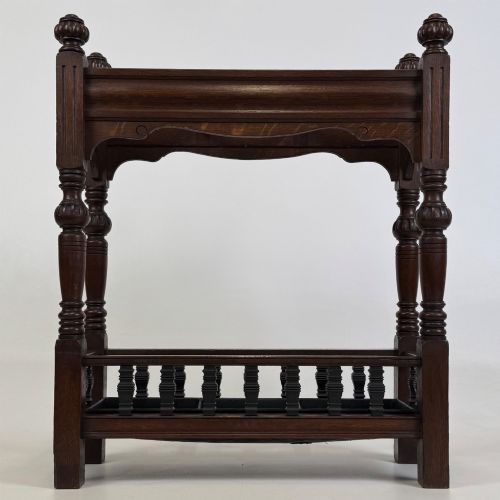
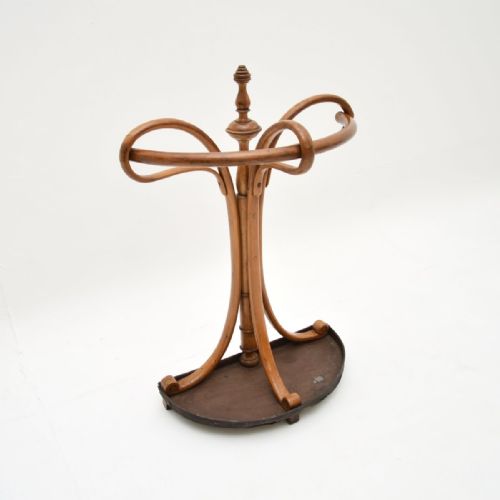
Cabinetmakers utilised solid timbers such as oak, pitch pine, and mahogany to construct the structural frames of these hall pieces. Carpenters often shaped these woods using Gothic revival, bentwood, or simple country joinery techniques.
Metal components played a critical role in the construction, featuring removable zinc, brass, or cast iron trays placed at the base. These catchments were fitted to protect the wooden floorboards from moisture retained by wet umbrellas.
Some twenty-four division stands could accommodate an entire Victorian household's collection of walking aids and weather gear in one grand hallway.
What varies in quality
The standard of timber selection and joinery distinguishes basic utility pieces from fine country house or designer examples. Superior stands display thoughtful detailing in carved panels, turned spindles, and integrated brass fittings.
The survival and originality of the internal drip tray heavily influence the integrity of the piece. Stands retaining their original metal pans demonstrate better preservation than those fitted with later replacements.
Thonet·Heals of London·GW Evans·Shoolbred
The Wooden Drip Tray Stick Stand Glossary
- Drip tray
- A removable metal basin located at the base of a stand. This component catches water draining from wet umbrellas to protect flooring.
- Arts and Crafts
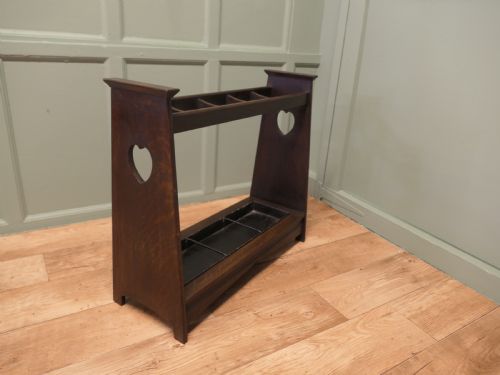
- A design movement favouring honest construction and simple craftsmanship. Pieces from this style often feature plain oak surfaces and minimal applied decoration.
- Demi Lune
- A half-moon shape used for hall stands designed to sit flat against a wall. This profile saves space in narrow hallways.
- Bentwood
- A technique of steaming and bending timber into curved shapes. Thonet utilised this method to create light umbrella stands.
- Gothic Revival
- An architectural and decorative style characterised by pointed arches and ecclesiastical motifs. Stick stands in this manner display medieval architectural influences.
Wooden Drip Tray Stick Stand: Frequently Asked Questions
Where should I place a wooden drip tray stick stand?
These items belong in an entrance hall, porch, or boot room where people enter the house from outside.
Positioning the stand near the front door allows family and guests to store wet umbrellas and walking sticks immediately upon arrival.
How do I maintain the metal drip tray?
Remove the zinc, brass, or cast iron tray periodically to empty accumulated water and clear out debris.
Dry the metal thoroughly before returning it to the wooden base to prevent moisture damage to the surrounding frame.
What periods do these stick stands come from?
The pieces span the nineteenth and twentieth centuries, encompassing Victorian, Edwardian, and later twentieth-century production.
Design characteristics often reflect the aesthetic preferences of these specific eras, such as Arts and Crafts simplicity or Gothic Revival detailing.
Are all these stands made entirely of wood?
While the primary frames consist of timber such as oak, mahogany, or pine, many incorporate metal elements.
Zinc, brass, and cast iron appear frequently in the construction of the drip trays and internal divider rings.