




Wooden Double Chair
These wooden double chair pieces combine shared seating with the craftsmanship of earlier centuries, offering a distinct focal point for a room.
Wooden Double Chair
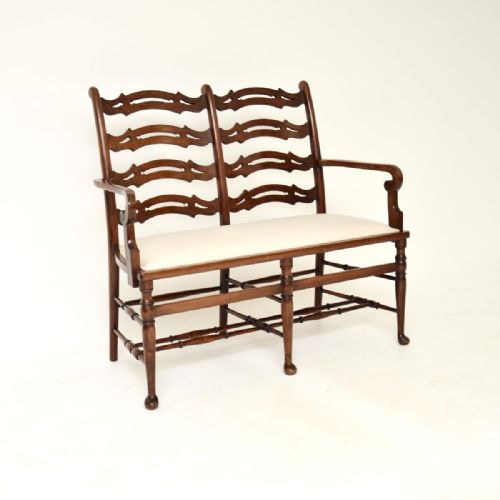
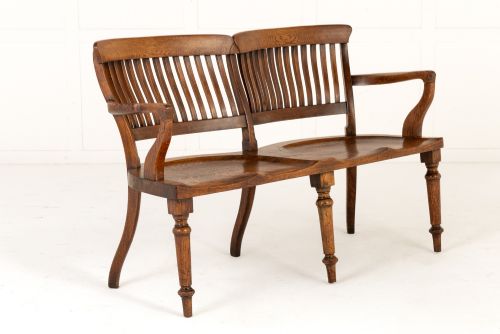
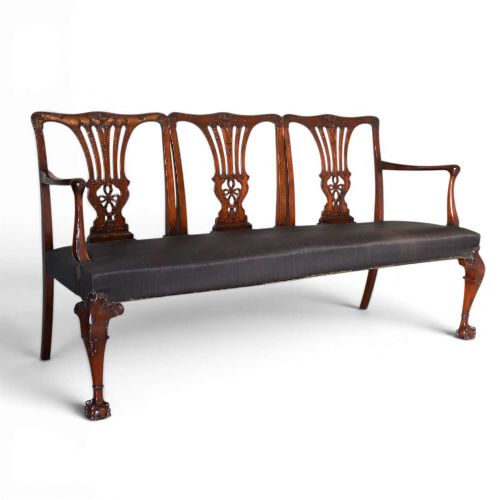
A wooden double chair, commonly encountered as a chair-back settee or two-seater sofa, brings twin seating forms together into a single unified frame. Buyers seeking this phrase frequently encounter pieces reflecting George II, Chippendale, and Edwardian revival styles.
The selections span from the eighteenth century through to the Edwardian period, encompassing oak, mahogany, and walnut construction. Settees, benches, and chair-back sofas dominate the forms available in this category.
Makers across the nineteenth and early twentieth centuries drew heavily on Georgian design principles, producing double chairs with pierced splats and carved wooden frames. Examples range from English country oak benches to refined satinwood-inlaid salon settees.
How they were made
Construction relies primarily on hardwoods such as mahogany, oak, walnut, and elm, often shaped into sturdy frames with double stretchers for structural support. Joinery techniques from the eighteenth and nineteenth centuries ensure the longevity of these extended seating forms.
Surface enrichment involves detailed carving along the back splats and frames, alongside occasional satinwood inlay and brass accents. Upholstered drop-in seats or fabric-covered cushions appear alongside exposed wood surfaces.
Wooden Double Chair Retail Price Guide 2026
Typical asking prices for wooden double chair among the pieces listed under this phrase on Sellingantiques today, from the lower quarter to the upper quarter. They describe what is for sale here now, not the wider market.
Kitchen chairs occasionally arrive in sets featuring double stretchers, built robustly enough to survive centuries of heavy family suppers.
What varies in quality
The standard of carving on the back splats and frame dictates much of the visual distinction between examples, with crisp detailing separating fine interpretations from simpler production. Wood selection, such as the use of burr walnut or figured mahogany, elevates the presence of individual pieces.
Structural integrity of the joints and the preservation of original timber surfaces influence the standing of each wooden double chair. Authenticity of period revivals depends on the fidelity of the proportions and the execution of traditional joinery.
The Wooden Double Chair Glossary
- Chair-back settee
- A double seat designed with a backrest that mimics two or more distinct chair backs joined side by side. This form gained popularity during the Georgian period.
- Splat
- The vertical central strip of wood within a chair or settee back, frequently carved or pierced in revival pieces. Pierced splats are a hallmark of Chippendale designs.
- Double stretcher
- Parallel horizontal wooden rods connecting the legs of a chair or bench for added stability. These frequently appear on nineteenth-century kitchen and country seating.
- Satinwood
- A durable, yellowish wood used for contrasting inlay and decorative banding on mahogany furniture. It adds brightness to late nineteenth-century cabinetwork.
- Revival style
- Design movements that revive earlier historical aesthetics, such as George II or Chippendale styles produced during the Victorian and Edwardian eras. These pieces emulate eighteenth-century forms.
Wooden Double Chair: Frequently Asked Questions
What is a wooden double chair?
A wooden double chair typically refers to a chair-back settee or two-seat bench where individual chair backs are united within a single frame.
These pieces function as compact sofas, offering extended seating while retaining the ornamental backrests characteristic of standalone dining chairs.
How were wooden double chairs used?
Historically, these settees served as secondary seating in parlours, hallways, and bedchambers where full-sized sofas proved too cumbersome.
In contemporary interiors, they fit well in narrow living spaces, entryways, or at the foot of a bed as decorative accent furniture.
How do I identify a revival piece?
Revival pieces, common from the Victorian and Edwardian eras, adopt eighteenth-century motifs such as carved mahogany frames and pierced splats.
Examination of the timber age, construction methods, and secondary woods helps distinguish a nineteenth-century interpretation from an original eighteenth-century artefact.
What woods are commonly found?
Mahogany, oak, and walnut predominate among the surviving examples, often paired with elm, beech, or blonde wood in regional pieces.
Finer decorative variants incorporate burr walnut veneers or satinwood stringing to enhance the visual texture of the wooden frame.