



Wooden Door Arch
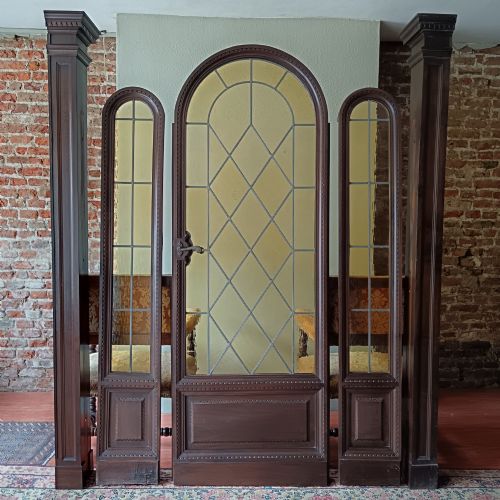
These wooden door arch examples range from Georgian architectural joinery to Victorian architectural salvage, bringing genuine period character to an interior.
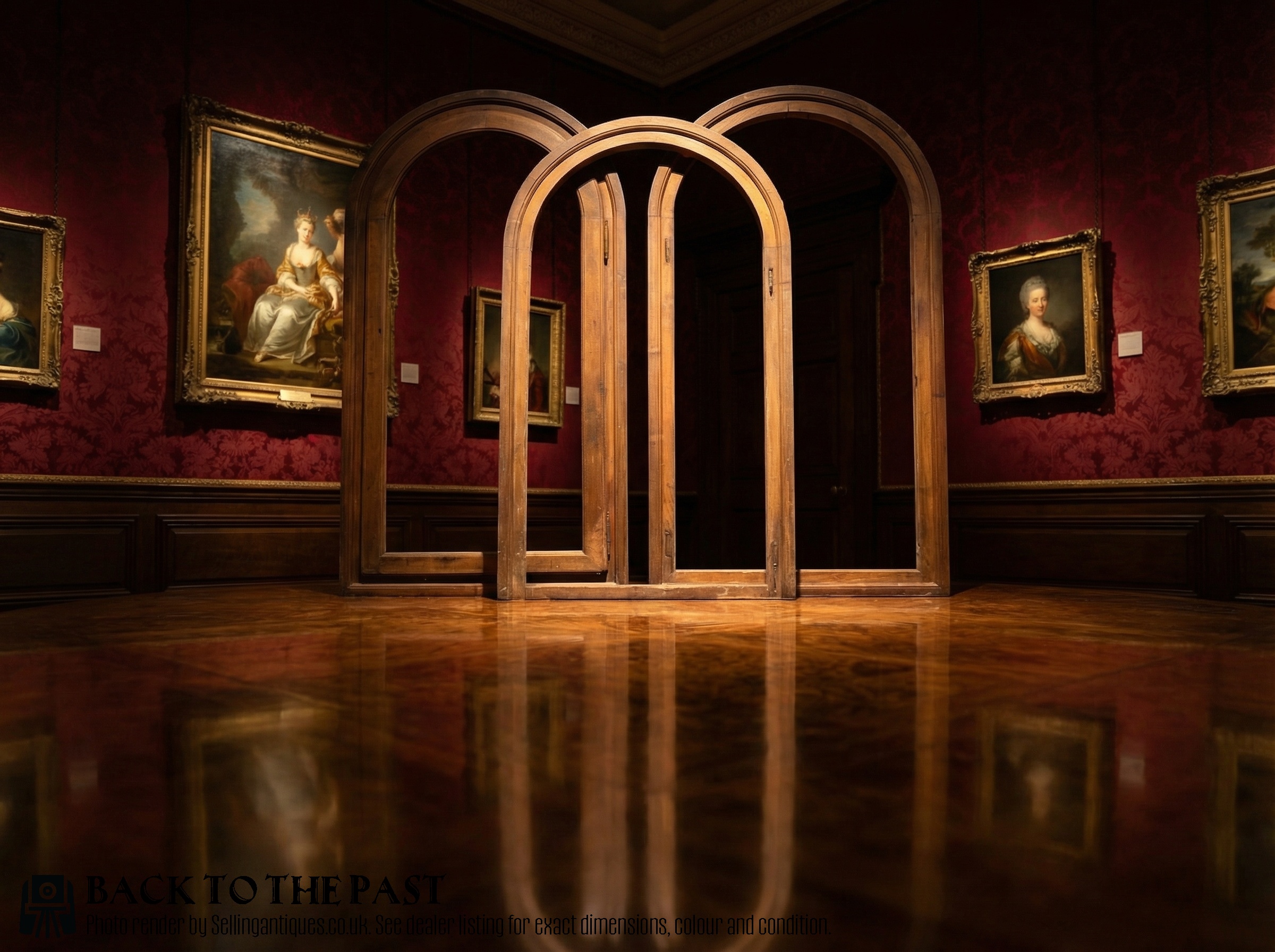
Wooden Door Arch
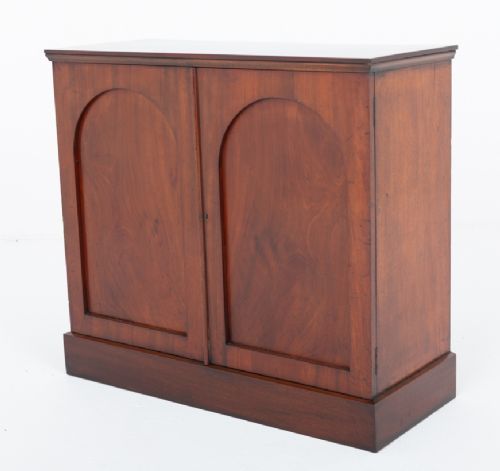
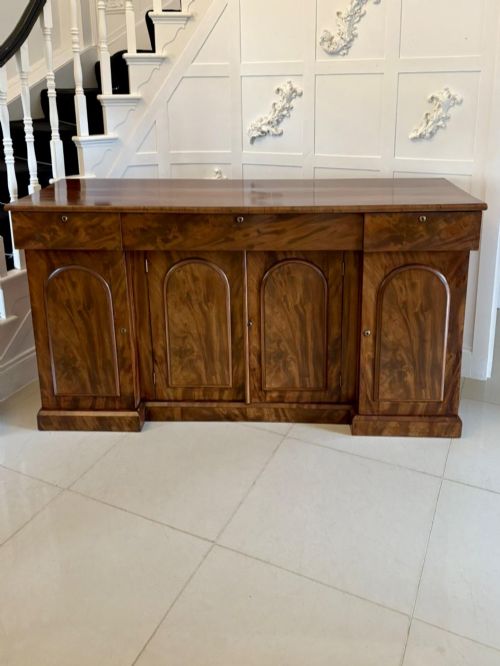
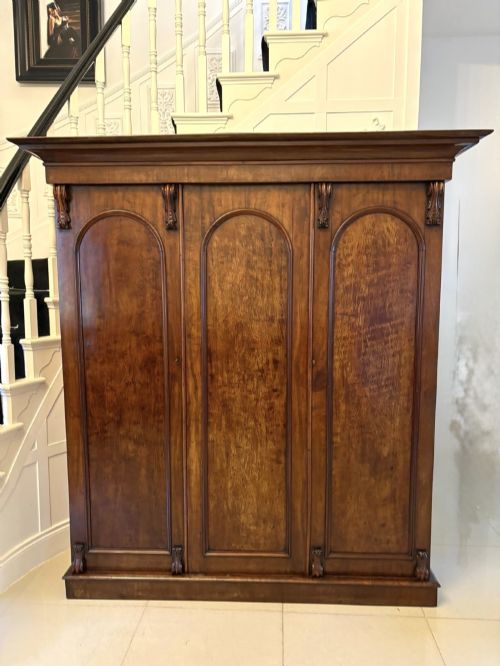
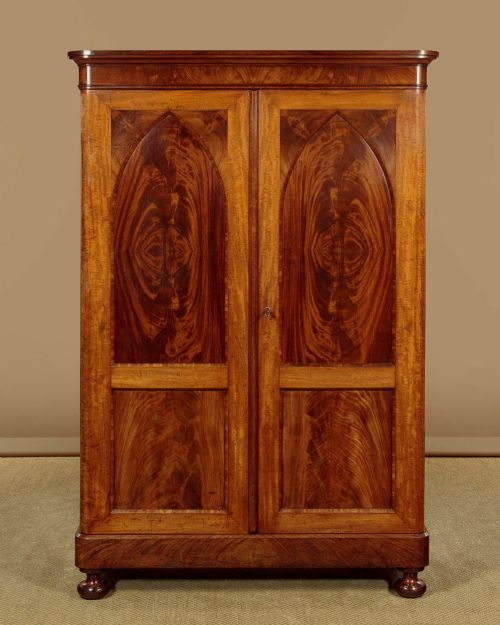
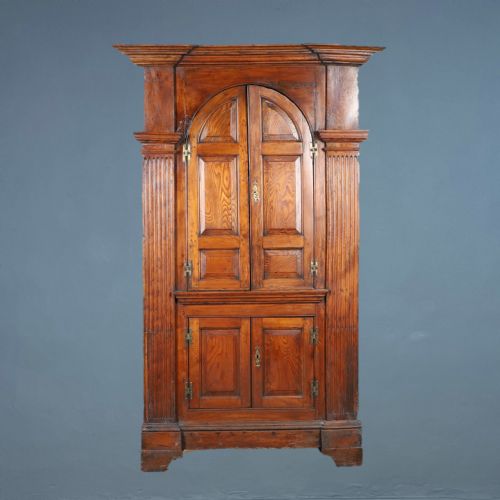
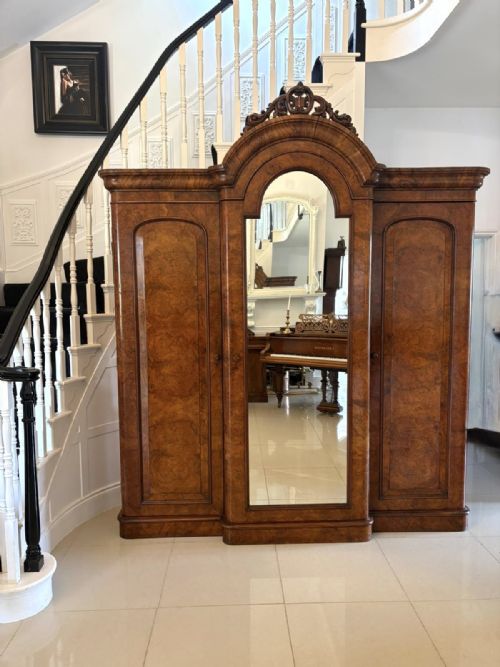
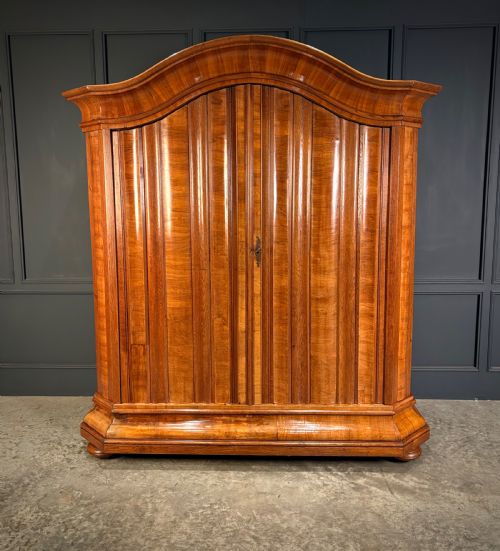
A wooden door arch introduces significant structural presence and period character into a domestic interior. When searching for a wooden door arch, a buyer encounters architectural elements salvaged from historic buildings alongside related fitted furniture pieces like bookcases and cupboards featuring arched designs.
The selection on this page draws from diverse eras, spanning the Georgian period and the Victorian era into the early twentieth century. Pieces originate from domestic properties, institutional buildings and continental workshops, reflecting varied regional joinery traditions.
Assessing quality in period joinery
Quality reveals itself in the selection of timber and the precision of the joinery. Superior examples demonstrate careful figure matching in veneers and cleanly executed mouldings that retain their crisp profiles despite decades of use.
The integrity of the original structure and the survival of surface patination separate standard examples from finer items. Pieces retaining original brass or iron hardware and uncompromised timber frames command greater appreciation among collectors.
Listings incorporate multiple wood species, featuring mahogany, oak, walnut, pine, and satinwood across various architectural fragments and furniture.
The Wooden Door Arch Glossary
- Architrave
- The moulded frame surrounding a door or opening. It provides a decorative transition between the wall and the structural timber opening.
- Veneer
- A thin slice of figured timber applied to a stable secondary wood. This technique allows makers to display striking grain patterns without using solid costly timber.
- Mortise and tenon
- A traditional joint where a projecting tongue fits snugly into a corresponding cavity. This method secures structural stability without relying on modern adhesives.
- Panel
- A flat piece of timber fitted within a grooved frame. Panels accommodate natural timber movement caused by changes in atmospheric humidity.
Wooden Door Arch: Frequently Asked Questions
How do I install a wooden door arch?
Installation requires careful measurement of the existing structural opening to ensure the salvaged timber frame aligns correctly with the surrounding wall. Professional joiners typically secure the elements using traditional fixing methods suited to the weight of the timber.
Adjustment may be necessary to accommodate uneven historic walls or settling within older properties. Preserving the original timber profile during fitting remains a primary consideration.
Can these pieces be adapted for modern interiors?
These architectural elements integrate effectively into contemporary renovations when handled with sensitivity to scale and proportion. They serve as functional room dividers or focal decorative surrounds.
Consulting a skilled craftsperson ensures any necessary alterations respect the integrity of the historic timber. Careful placement highlights the natural grain and carved details.
How do I clean and maintain antique timber?
Regular maintenance involves dusting with a soft, dry cloth to prevent the accumulation of particles that can abrade the surface. Avoid using silicone-based polishes or modern chemical sprays which can degrade historic finishes.
Applying traditional beeswax periodically helps nourish the wood and maintain a gentle sheen. Maintaining stable room humidity protects the timber from warping or splitting over time.
What distinguishes Georgian joinery from Victorian work?
Georgian joinery typically emphasises classical proportions, restraint, and precise geometric mouldings. Timbers like oak and early mahogany feature prominently in these balanced architectural designs.
Victorian pieces frequently display heavier proportions, richer figure matching in veneers like burr walnut, and more exuberant decorative carving. Eclectic stylistic influences also emerge strongly across the later nineteenth century.