





Historic Architectural Frame
A historic architectural frame holds the structure of past centuries, offering a tangible fragment of a building's interior.
Historic Architectural Frame
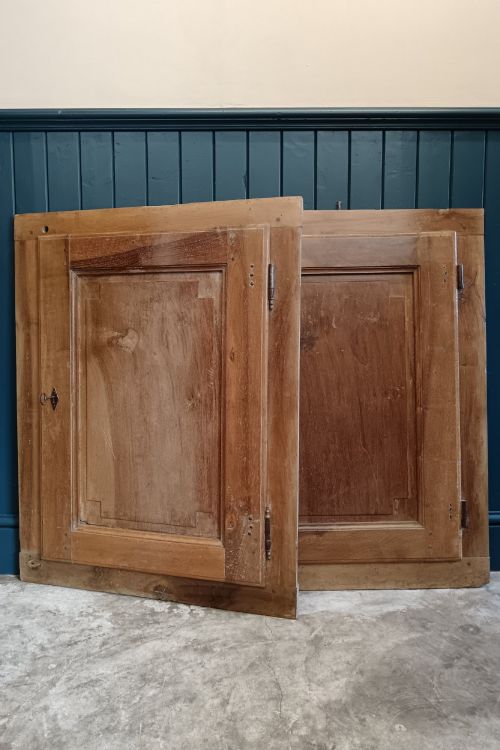
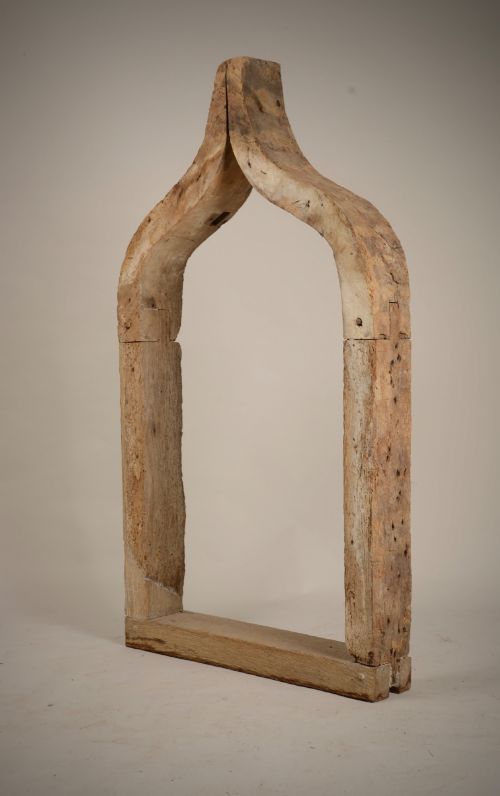
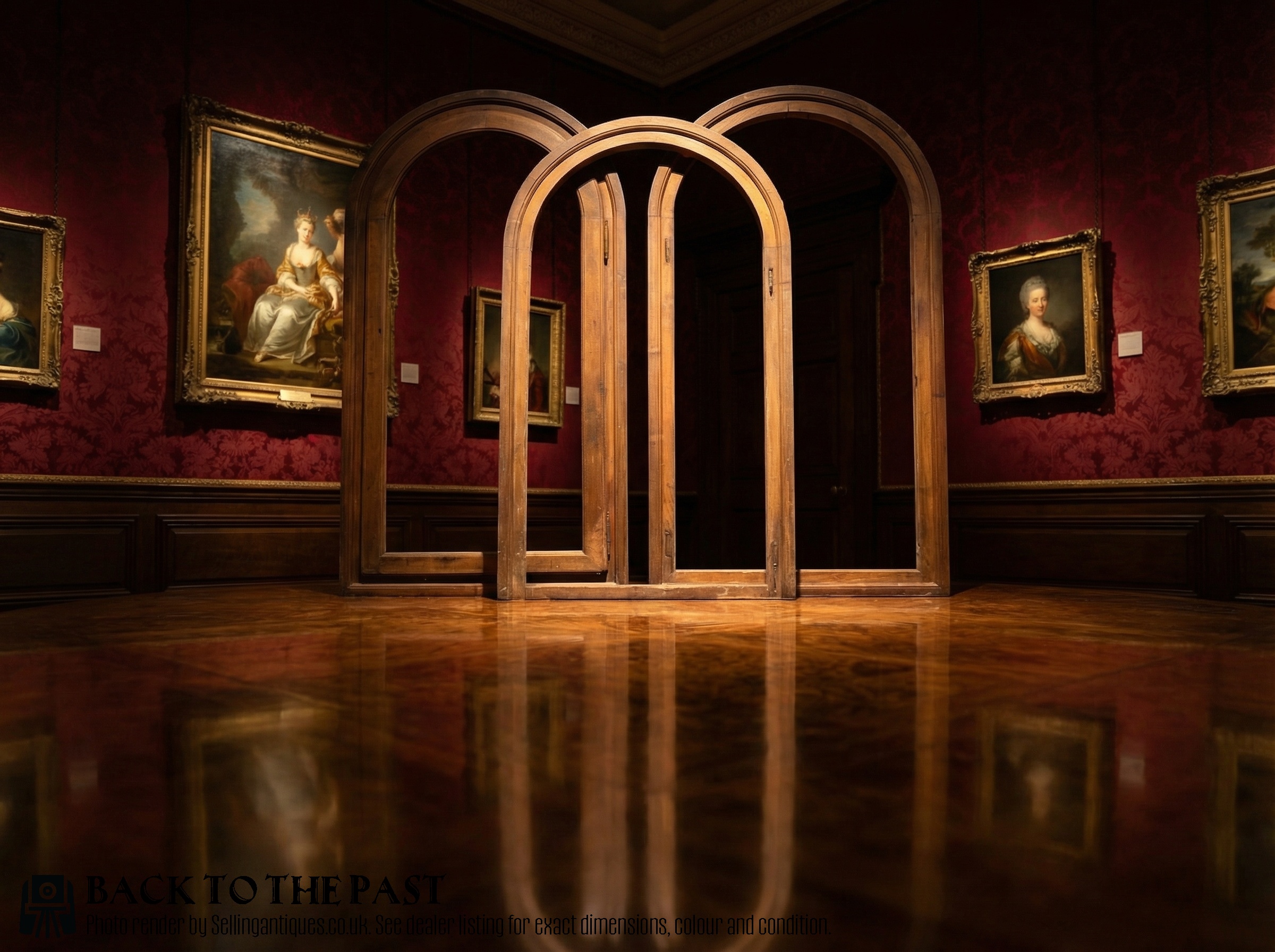
A historic architectural frame represents structural elements and surrounds salvaged from buildings across several periods. Buyers seeking a historic architectural frame will encounter pieces ranging from medieval gothic window structures to walnut cupboard doors and arched door frames.
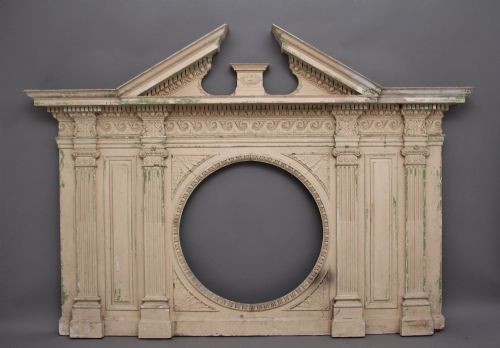
The selection includes 18th century painted pine overmantles alongside Italian walnut frames dating from around 1800. These items function as decorative focal points or architectural salvage, bringing genuine period construction into a contemporary interior space.
How they were made
Makers constructed these frames predominantly from wood such as pine, walnut, and gilt wood, shaping them with hand tools appropriate to their respective eras. Carpenters and joiners utilised traditional joinery techniques to form arches, panels, and structural surrounds.
Surface treatments involve painted finishes, gilding, and the natural grain of walnut, applied to highlight the architectural profiles. The physical substance of each piece reflects the prevailing woodworking methods of centuries past.
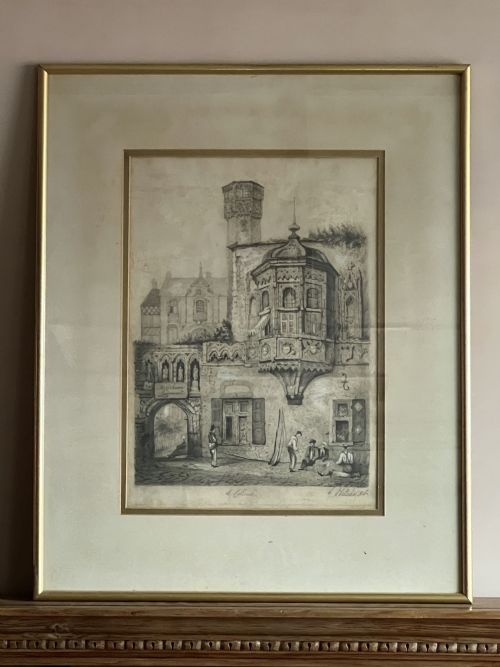
Materials recorded across the inventory include wood, gilt wood, and walnut, alongside paper, glass, and canvas.
What varies in quality
Quality in these frames depends on the depth of hand-carved detail and the integrity of the original construction. Pieces exhibiting crisp joinery and substantial timber retain a stronger presence than simpler utility items.
The sophistication of the architectural moulding and the survival of early painted or gilt surfaces dictate the standing of an individual piece within its period.
The Historic Architectural Frame Glossary
- Overmantle
- A decorative framework or painting positioned directly above a fireplace mantelpiece. It often anchors the visual weight of a chimney breast in period rooms.
- Architectural salvage
- Building components rescued from demolition or renovation for reuse in interior decoration. These fragments preserve historical craftsmanship.
- Gilt wood
- Timber coated with a thin layer of gold leaf or gilt powder over a prepared base. This finish provides a reflective surface that catches interior light.
- Arched door frame
- A structural opening curved at the top, designed to frame a doorway. Such frames define transition spaces within historic buildings.
Historic Architectural Frame: Frequently Asked Questions
What materials make up these frames?
The pieces consist primarily of wood, specifically pine, walnut, and gilt wood surfaces.
Some examples incorporate painted finishes or retain the natural grain of the timber used by period joiners.
How can I tell the period of a frame?
Dating relies on the structural style, such as medieval gothic window arches or 18th century joinery techniques.
Examining the tool marks, wood species, and stylistic details reveals the era in which the frame was constructed.
Where did these frames originate?
The frames originate from domestic and institutional buildings across Britain and Europe, including Italy.
Salvage operations recover them from period houses, churches, and historic architectural settings.