



Wooden Desktop Accessory
A wooden desktop accessory brings order and character to a workspace, combining practical utility with fine period craftsmanship.
Wooden Desktop Accessory
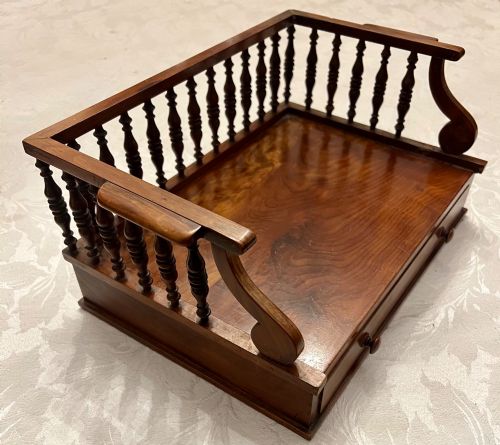
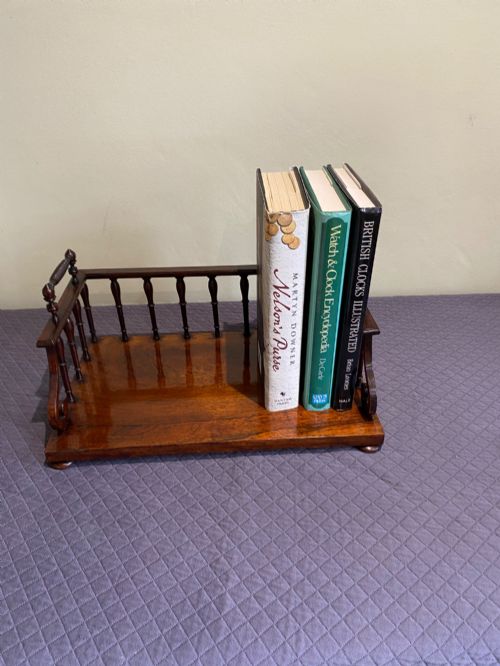
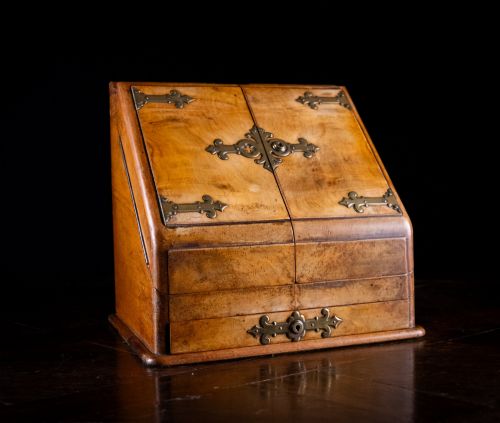
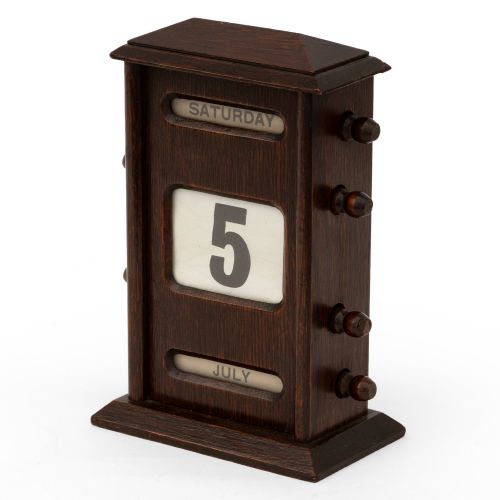
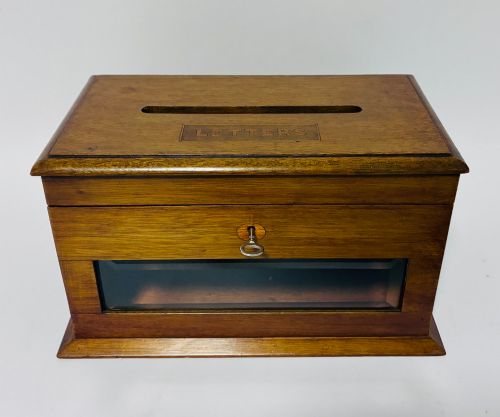
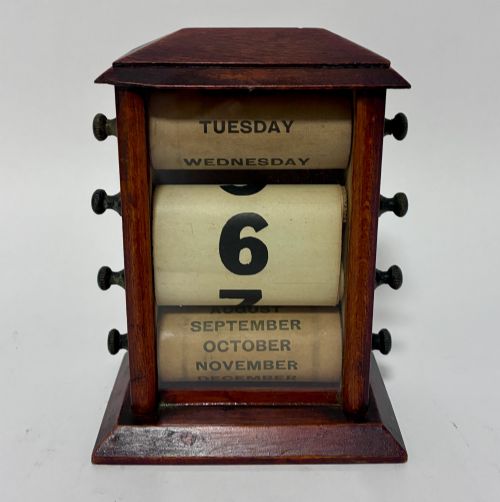
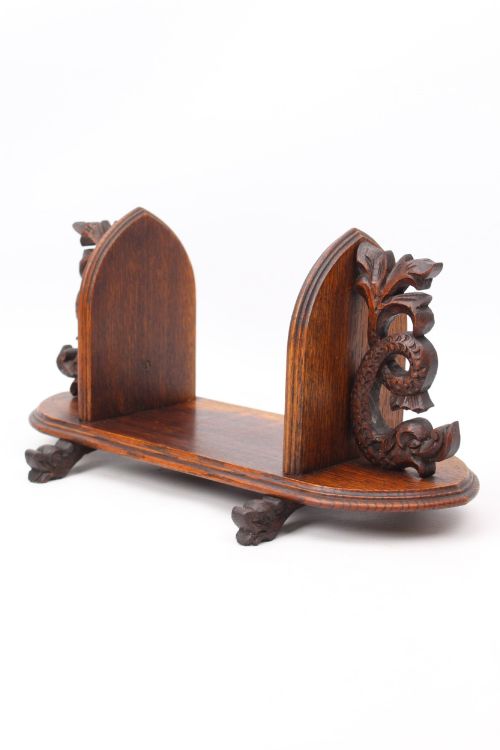
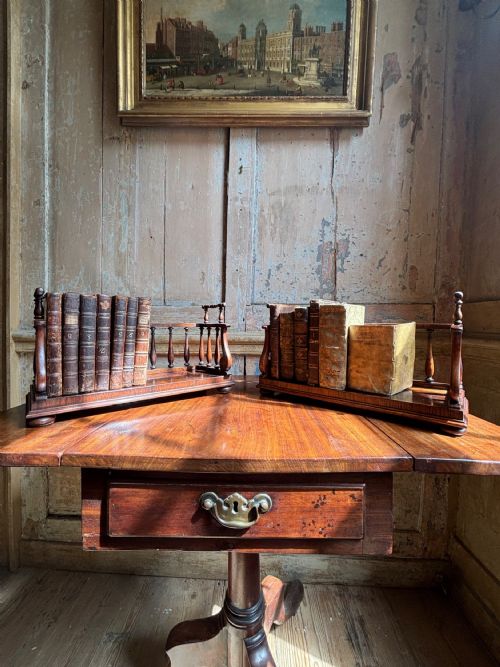
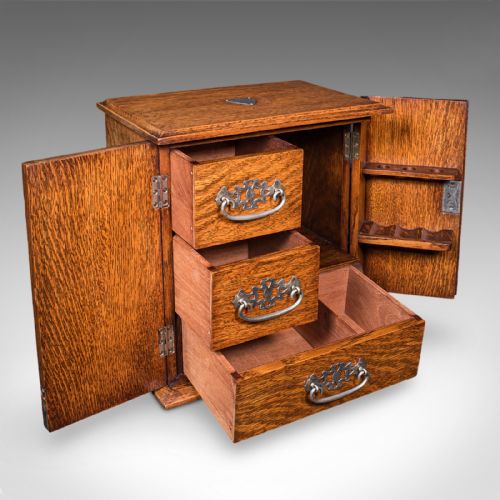
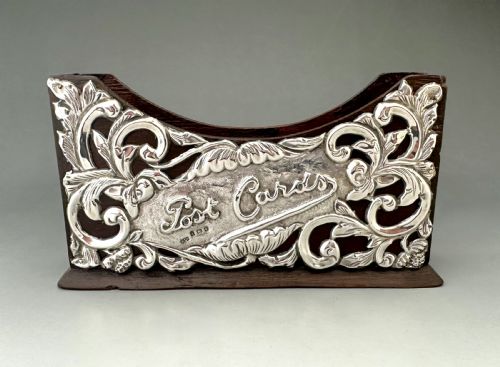
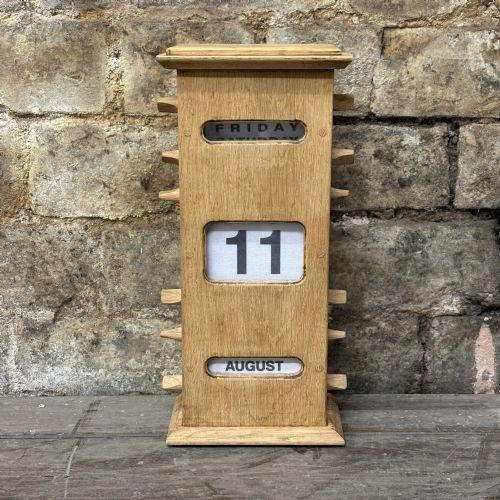
A wooden desktop accessory spans functional objects created to organise writing materials, books, and correspondence in studies and libraries. The selection centres heavily upon Victorian and Edwardian examples, alongside pieces from the Regency period, encompassing practical forms such as extending book slides, stationery boxes, and perpetual calendars.
Materials and Construction
Cabinet makers utilised a rich palette of timbers, choosing figured woods like burr walnut, rosewood, mahogany, and oak for their visual depth and durability. These materials were frequently paired with contrasting brass hinges, locks, and handles to reinforce corners and support expanding or hinged elements.
Decorative techniques varied widely according to the style and origin of the piece, ranging from Tunbridge ware mosaics and pokerwork to intricate hand-carved Black Forest motifs and Anglo-Indian woodwork. Joinery was executed to withstand daily handling, ensuring moving components like extending book rests and locking cabinet doors functioned smoothly.
Wooden Desktop Accessory Retail Price Guide 2026
Typical asking prices for wooden desktop accessory among the pieces listed under this phrase on Sellingantiques today, from the lower quarter to the upper quarter. They describe what is for sale here now, not the wider market.
Intricate hand-carved bears emerge from the Black Forest tradition to guard your ink and logs.
Assessing Craftsmanship
The distinction between standard utility items and finer pieces lies in the selection of timber veneers and the precision of decorative embellishment. Superior examples display carefully matched grain patterns, immaculate parquetry or painted plaques, and robust internal mechanisms for calendars and locking compartments.
Construction integrity also dictates standard, with high-grade items retaining original fitted interiors, functioning brass hardware, and crisp, unsoftened carving details that demonstrate the maker's proficiency.
The Wooden Desktop Accessory Glossary
- Book slide
- An adjustable rack designed to hold a varying number of upright books on a desk, often featuring extending wooden or metal folding actions.
- Stationery box
- A desktop cabinet with a sloping or rising lid and tiered internal dividers intended for holding writing paper and envelopes.
- Tunbridge ware
- A meticulous form of woodworking originating in Kent, characterised by small mosaic tiles assembled from numerous dyed timbers to form geometric or pictorial motifs.
- Perpetual calendar
- A desk device with adjustable rollers, cards, or dials designed to show the correct day and date for any month.
- Black Forest carving
- Highly detailed, naturalistic wood sculpture depicting animals and foliage, typically originating from the mountainous regions of central Europe during the nineteenth century.
Wooden Desktop Accessory: Frequently Asked Questions
What is an extending book slide?
An extending book slide is a desktop rack designed to hold volumes upright while offering an adjustable length via a sliding mechanism. This allows the holder to expand or contract depending on how many books sit between the decorative ends.
Such pieces usually feature hinged or telescoping wooden bases, often lined with felt or baize to protect the desktop underneath. They became especially popular in Victorian libraries and studies for managing working collections of reference books.
How do I care for antique wood desk accessories?
Caring for these items requires keeping them away from direct sunlight and sudden temperature changes, which can dry out the timber or crack delicate veneers. Dusting regularly with a soft, dry cloth preserves the finish without needing aggressive polishes.
Applying a microcrystalline wax occasionally will nourish hardwoods like walnut and mahogany while maintaining a natural, gentle sheen. Avoid placing damp items, such as unsealed inkwells or wet glasses, directly onto historic wooden surfaces.
What is the difference between a desk tidy and a stationery box?
A desk tidy is generally an open compartmentalised tray or rack meant for holding daily writing implements, letters, and smaller tools within immediate reach. A stationery box is a fully enclosed cabinet, often with a locking lid and internal slots specifically proportioned for folded paper and envelopes.
While both served to clear clutter from nineteenth-century writing desks, stationery boxes offered greater security and privacy for correspondence. Desk tidies prioritised quick access during active writing and administrative tasks.
How do I identify a Victorian piece from an Edwardian one?
Victorian pieces often favour heavier proportions, darker ebonised finishes, or elaborate ornamentation such as Tunbridge ware mosaics, heavy brass mounts, and Gothic revival motifs. The craftsmanship tends to reflect a fascination with rich materials and complex, formal design structures.
Edwardian items frequently display lighter oak frames, simpler Arts and Crafts influences, or cleaner lines that anticipate twentieth-century tastes. Examining the interior construction, drawer linings, and hardware styles helps confirm the specific era of manufacture.