




Wooden Desk Candlesticks
These wooden desk candlesticks and lamps bring warmth and character to a workspace, offering solid construction and traditional illumination.
Wooden Desk Candlesticks
Wooden desk candlesticks and associated lighting pieces encompass a range of turned and carved items designed for functional illumination and display. These items span periods from the seventeenth century through to the early twentieth century, reflecting diverse craftsmanship across multiple eras.
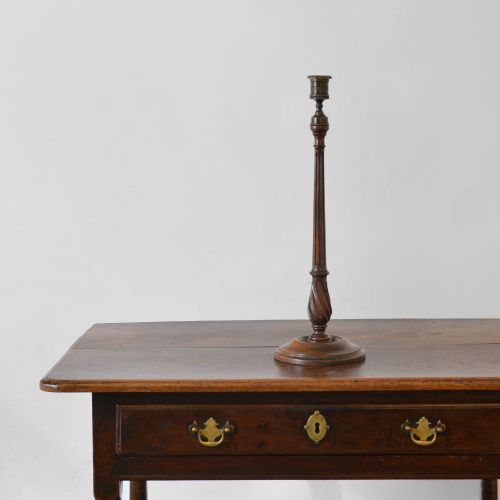
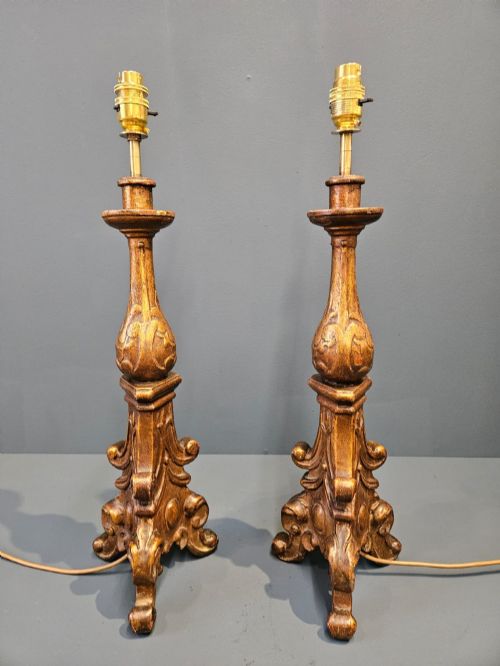
Buyers will encounter various forms including tall Georgian mahogany designs, Victorian timber gilt pieces, and carved oak examples. Many of these items originate from continental workshops, Black Forest carvers, and Anglo-Indian makers, showing a broad geographical spread.
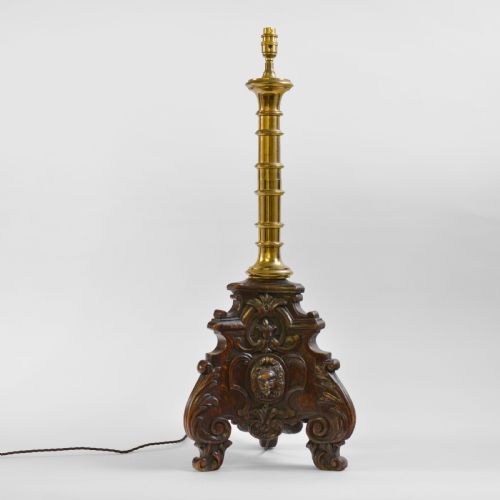
The selection includes specialised items such as treen walnut and brass chamber sticks alongside larger turned mahogany and brass combinations. These pieces demonstrate how traditional desk lighting evolved from holding wax candles to accommodating electrical fittings.
How they were made
Maker construction relies heavily on native and imported timbers, notably mahogany, oak, walnut, and giltwood. Artisans shaped these materials using traditional turning lathes and hand-carving techniques to achieve slender shafts and robust bases.
Metal components such as brass often feature alongside the wood to provide structural support, stability, and functional sockets. Surface treatments include applied paint, gilt highlights, and polished finishes that protect the timber while accentuating the grain.
Wooden Desk Candlesticks Retail Price Guide 2026
Typical asking prices for wooden desk candlesticks among the pieces listed under this phrase on Sellingantiques today, from the lower quarter to the upper quarter. They describe what is for sale here now, not the wider market.
Regional styles represented include Flemish Baroque, Black Forest carving, and Anglo-Indian craftsmanship.
What varies in quality
Quality rests upon the precision of the woodturning and the depth of the hand-carving, where crisp details elevate the appearance of the piece. Proportion and balance between the base and the stem also determine the aesthetic success of each item.
The choice of timber and the preservation of original surface finishes significantly influence desirability. Pieces that retain their historic paint, gilding, or polished wood patination demonstrate superior craftsmanship and age.
The Wooden Desk Candlesticks Glossary
- Treen
- Small handmade wooden objects for domestic use. This term covers items produced with functional purposes from various hardwoods.
- Giltwood
- Wood that has been coated with gold leaf or gold paint. This technique adds decorative brightness to carved details on lamps and candlesticks.
- Chamber stick
- A short candlestick fitted with a pan and a handle. It was traditionally carried around a house or used at a bedside or desk.
- Turned
- Shaped on a rotating lathe using cutting tools. This method creates symmetrical wooden columns and bases for lighting items.
Wooden Desk Candlesticks: Frequently Asked Questions
What are wooden desk candlesticks?
These items are traditional lighting supports fashioned from timber, designed for use on writing surfaces and tables. They range from early seventeenth-century carved oak forms to later turned mahogany pieces.
Over time, many of these traditional holders have been adapted into lamp bases while retaining their original wooden character and historic turning.
How were wooden candlesticks used?
Historically, they held wax candles to provide localized light for reading, writing, and administrative tasks at a desk. Chamber sticks included shallow pans to catch falling wax during movement.
Today, surviving examples function both as decorative desk accessories and as converted lamp bases that accommodate modern electrical wiring.
How do I live with them?
Integrate these wooden pieces into study spaces, libraries, or living rooms to introduce historic texture and traditional craftsmanship. Their warm timber tones complement leather-topped desks and wooden furniture.
Keep them away from direct heat sources and moisture to protect the aged wood, polish, and any applied gilding or paint.
How do I tell periods apart?
Examine the timber choices, turning profiles, and decorative motifs to identify the era of manufacture. Georgian pieces often display rich mahogany, while seventeenth-century examples show heavy carved oak.
Victorian and Edwardian items frequently incorporate brass mounts, painted finishes, or regional styles such as Black Forest carving and Anglo-Indian woodwork.