



Wooden Curve Set
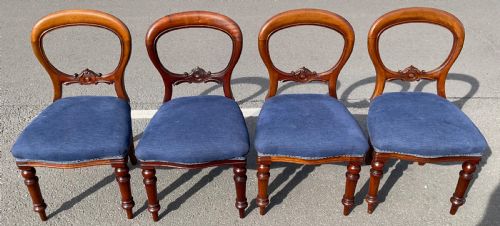
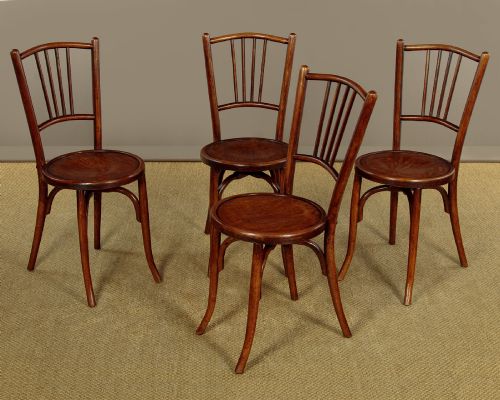
These wooden curve set pieces are matched groups of antique seating defined by their rounded backs and frames, offering both period character and practical use.
Wooden Curve Set
A wooden curve set comprises matched groups of antique seating united by curved backs and frames, ranging from intimate pairs to larger dining collections. These groupings span multiple eras, including Victorian, Georgian, and early twentieth-century examples.
The most common versions met here are dining chairs and bistro seating featuring bent wood or shaped timber backs. Buyers also encounter bench sets, bar stools, and captain's chairs sharing these distinct rounded silhouettes.
Origins vary across British workshop traditions, continental European cafes, and traditional Chinese forms, all unified by the primacy of curved timber construction.
Materials and construction methods
Construction relies heavily on timbers such as mahogany, beech, oak, elm, and walnut, chosen for their strength and response to shaping. Cabinetmakers and joiners utilised solid hardwoods alongside steam-bent components to achieve durable curved frameworks.
Bentwood techniques allowed straight timber to be heated and manipulated into continuous flowing hoops, particularly evident in bistro and cafe seating from the early twentieth century. Traditional joinery such as mortise and tenon joints secure the rigid elements while steam-bent parts create spring and support.
Wooden Curve Set Retail Price Guide 2026
Typical asking prices for wooden curve set among the pieces listed under this phrase on Sellingantiques today, from the lower quarter to the upper quarter. They describe what is for sale here now, not the wider market.
Listings feature wooden curve sets spanning the Georgian, Victorian, and early twentieth-century periods, utilising mahogany, beech, oak, and elm.
Differentiating quality in curved seating
The standard of timber selection largely dictates the grade of a set, with closely figured mahogany or dense oak sitting above simpler utility woods like beech and elm. Figured grains and uniform matching across every chair in a larger group indicate superior workshop selection.
Refinement in the execution of the curves, from hand-carved balloon backs to steam-bent uniformity, separates standard production from exceptional examples. The integrity of the original construction and the harmony between matching pieces define the upper tiers.
Codina
The Wooden Curve Set Glossary
- Bentwood
- Wood that has been rendered pliable by steam and then bent into curved shapes. This technique defines lightweight cafe and bistro seating.
- Balloon back
- A rounded, oval-shaped chair back popular during the Victorian period. It provides ergonomic support through its graceful wooden sweep.
- Smokers bow
- A sturdy, low-backed Windsor-style armchair typically constructed from elm and beech. These feature a continuous curved arm rail supported by turned spindles.
- Sabre leg
- A concave sweeping chair leg that flares outward and backward. This form imitates classical Greek and Roman furniture styles seen in Regency pieces.
- Settle
- A wooden bench with a high back, solid arms, and often an enclosed base to prevent draughts. Antique examples sometimes form matched sets with companion armchairs.
Wooden Curve Set: Frequently Asked Questions
What defines a wooden curve set?
A wooden curve set is a matched collection of antique chairs or seating united by rounded backs, steam-bent frames, or sweeping wooden supports. These groups range from small pairs to large dining sets.
The unifying element is the curved timber silhouette, whether found in Victorian balloon backs, Edwardian bentwood, or Georgian hall chairs.
How were these chair sets used originally?
Most of these sets served around dining tables, in commercial wine bars, or as formal hall seating in large residences. They provided both functional seating and a unified aesthetic for entertaining guests.
Commercial examples furnished public establishments like cafes and bars, while domestic sets remained in private dining rooms and studies.
How do I care for antique curved wood?
Maintain antique timber by keeping sets away from direct heat sources and dramatic humidity changes, which can stress steam-bent joints. Regular dusting and occasional application of appropriate wax polish protect the polished hardwood surfaces.
Avoid excessive moisture and check structural joints periodically to ensure the curved elements remain stable during everyday use.
How can I tell Victorian sets from earlier periods?
Victorian sets often feature machine-assisted shaping, balloon backs, and darker polished hardwoods like mahogany or walnut. Earlier Georgian and Regency examples display hand-carved details, sabre legs, and lighter figured timber.
Construction marks, wood species, and stylistic proportions help distinguish mid-nineteenth-century manufacturing from eighteenth-century craftsmanship.