

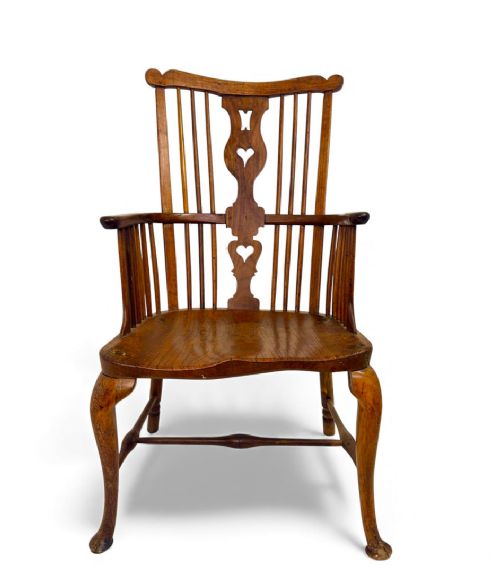
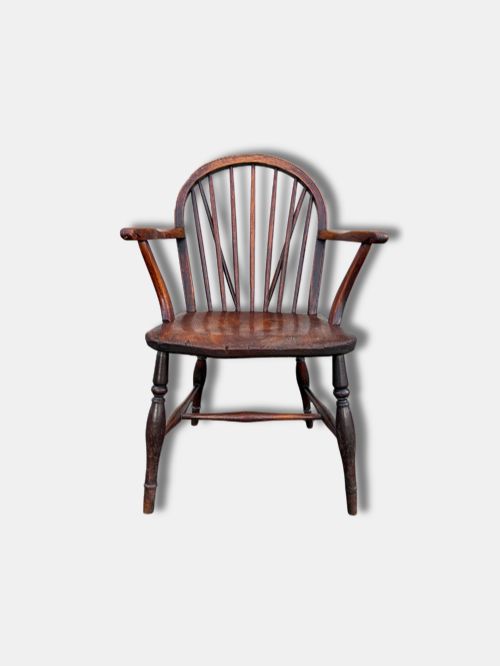
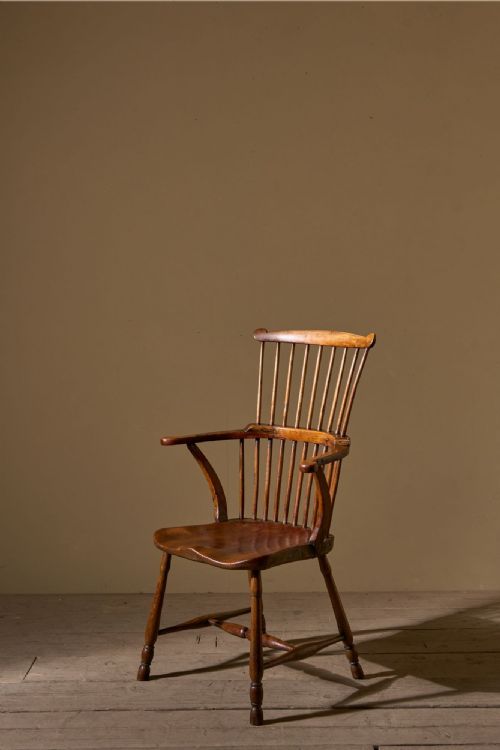
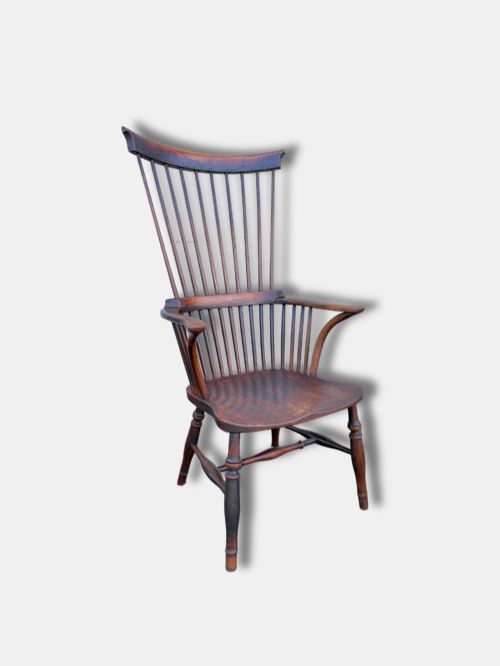
Wooden Comb Back Chair
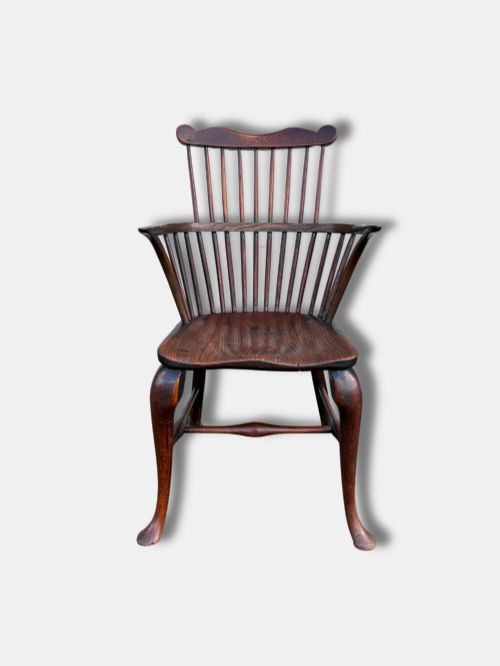
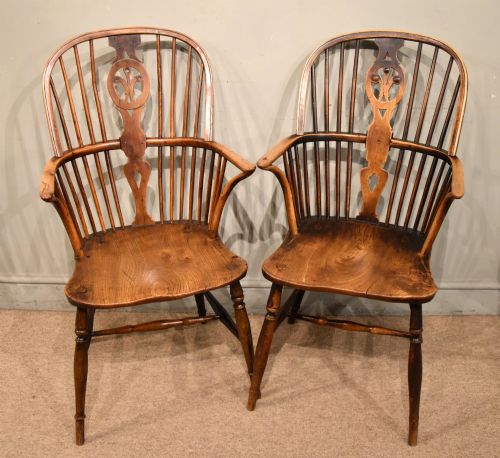
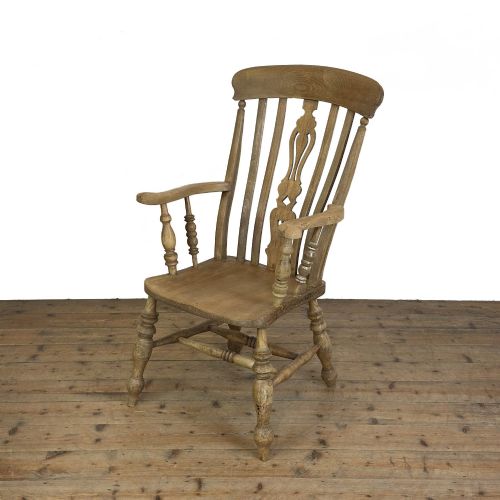
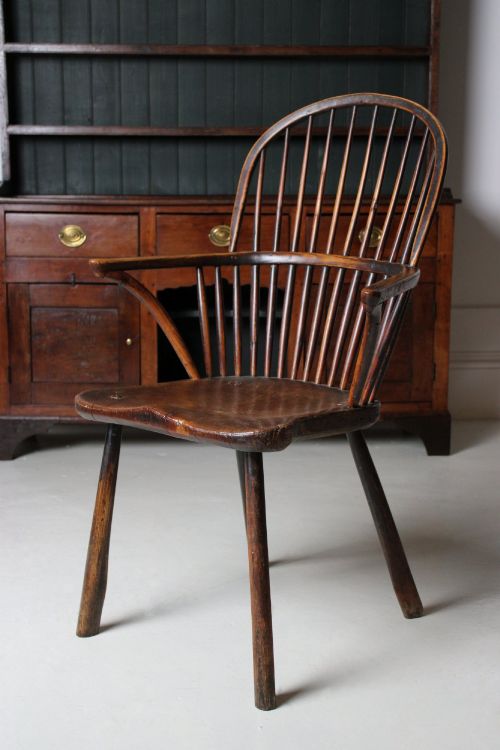
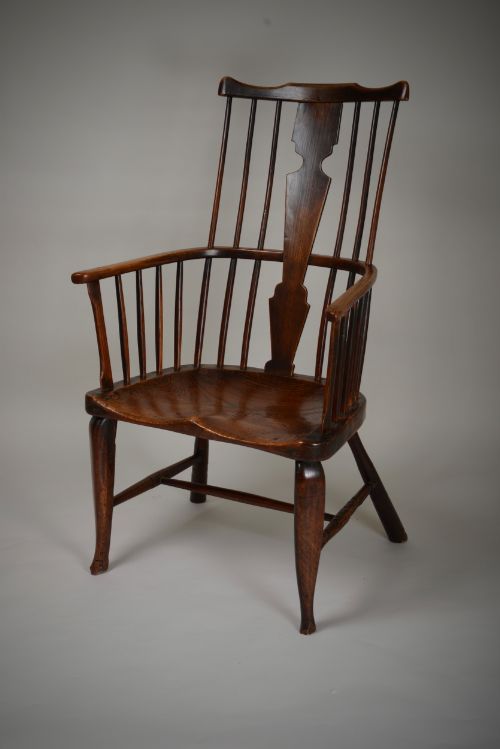
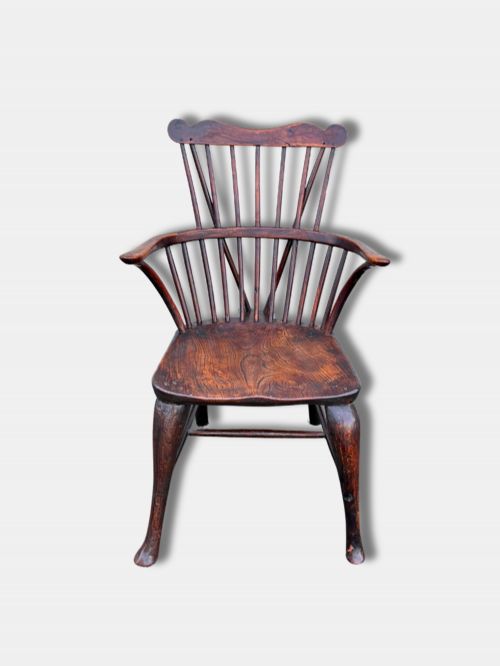
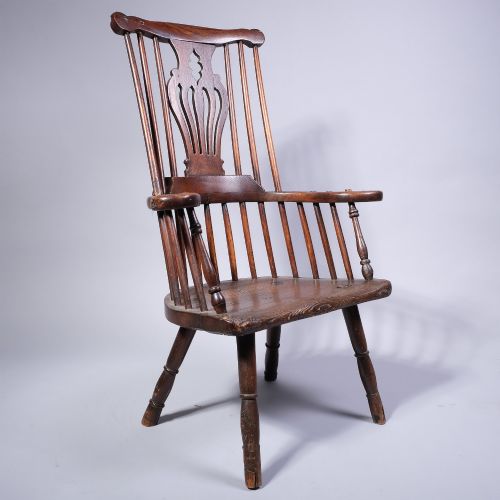
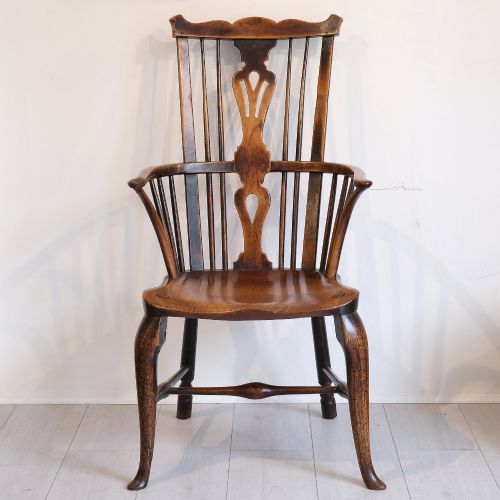
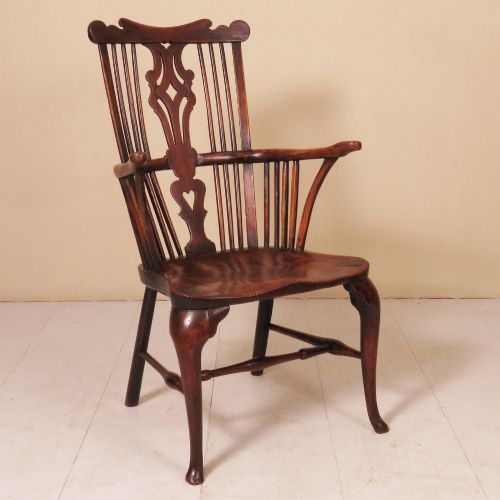
A wooden comb back chair delivers sturdy country seating through a tall spindled crest that supports the sitter.
Wooden Comb Back Chair
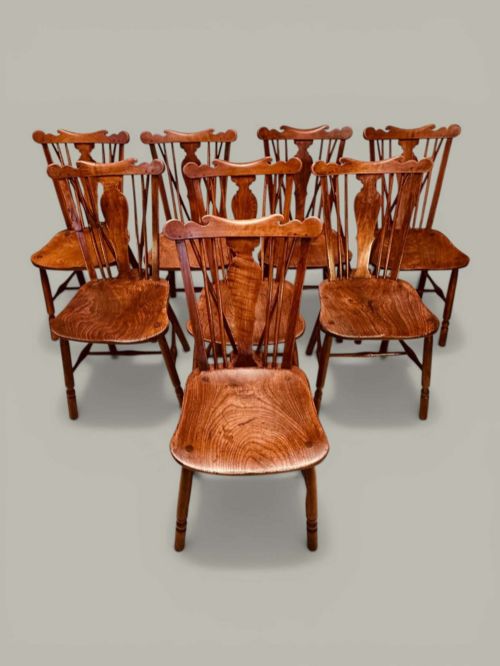
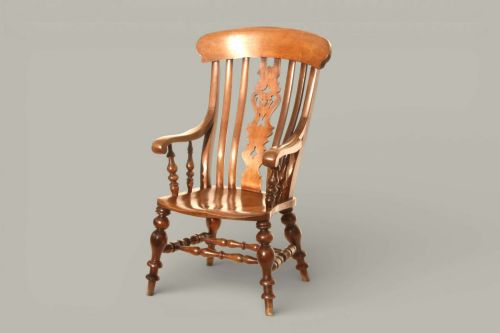
When you search for a wooden comb back chair, you encounter regional forms rooted in Georgian and Victorian country traditions. These pieces function primarily as armchairs, dining chairs, and rocking chairs designed for domestic utility.
The most common examples on this page date from the eighteenth and nineteenth centuries, hailing from English and Welsh vernacular workshops. Makers constructed them with distinctive high stick backs that terminate in a horizontal headrest resembling a traditional hair comb.
Construction and timber selection
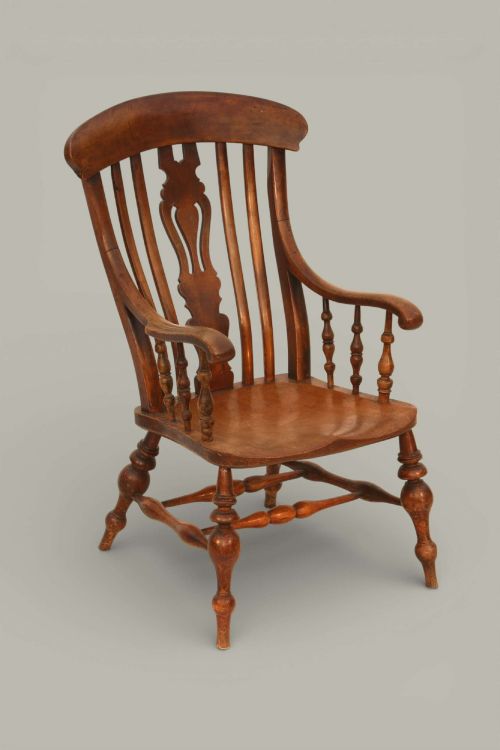
Cabinet makers and rural joiners paired different timbers within a single frame to utilise the specific properties of each wood. They typically turned flexible ash or beech for the spindles and legs, while carving solid elm, fruitwood, or yew for the contoured seats.
The traditional construction method relies on socketing tapered legs and back spindles directly into a thick wooden saddle seat. Regional variations emerged across the Thames Valley and Welsh valleys, shaping the profile of the crest and the rake of the uprights.
Wooden Comb Back Chair Retail Price Guide 2026
Typical asking prices for wooden comb back chair among the pieces listed under this phrase on Sellingantiques today, from the lower quarter to the upper quarter. They describe what is for sale here now, not the wider market.
Assessing quality and craftsmanship
The distinction between standard utility seating and exceptional examples lies in the balance of the proportions and the grace of the turned members. Superior pieces display carefully tapered spindles and well-sculpted arm terminals that integrate harmoniously with the plank seat.
Surface preservation dictates the character of these seating forms, with untouched patination and original timber interfaces holding the greatest interest. Subtle regional flourishes, such as carved snake head details or burr elm figuring, elevate individual examples above standard farmhouse seating.
The Wooden Comb Back Chair Glossary
- Comb back
- A Windsor chair variation where the vertical back spindles extend through a bentwood arm-rail to join a horizontal top rail. This upper member forms the comb shape characteristic of the regional style.
- Windsor chair
- A seat built with a solid wooden saddle into which the legs and backsticks are wedged directly. Regional makers adapted this framework extensively throughout the eighteenth and nineteenth centuries.
- Vernacular
- Objects made by local craftsmen for everyday regional use rather than high urban fashion. These pieces reflect traditional local building methods and available timber resources.
- Saddle seat
- A thick wooden seat base shaped with a scooped depression for sitting comfort. Craftsmen carved these blanks from dense hardwoods like elm or fruitwood.
Wooden Comb Back Chair: Frequently Asked Questions
What is a wooden comb back chair?
A wooden comb back chair is a traditional Windsor seating form featuring a tall back of vertical spindles topped by a horizontal crest rail. Rural joiners built these pieces using a combination of turned timbers and solid plank seats.
These chairs served primarily as functional seating in farmhouses, kitchens, and country dwellings across England and Wales during the Georgian and Victorian eras.
How do I date a comb back chair?
Dating relies on examining the turning style of the legs, the thickness of the seat board, and the construction methods used for the arm bow. Eighteenth-century examples often display deep saddle seats and heavier proportions compared to later Victorian iterations.
Regional differences also provide clues, as specific valleys and counties developed distinct shaping for the crest rails and spindle arrangements.
Where were these chairs made?
These chairs originated in rural workshops across the British countryside, with notable regional concentrations in the Thames Valley and Welsh valleys. Local craftsmen utilised whatever native hardwoods grew abundantly nearby.
Makers in different counties established distinct stylistic traits, such as specific arm shapes or bentwood crest designs unique to their local area.
How do I live with antique wooden chairs?
Living with antique wooden seating involves placing them away from direct heat sources and sudden temperature shifts to protect the dry timber. Regular dusting and occasional wax application help maintain the historic surface patination.
Their robust construction suits everyday use around dining tables or as standalone armchairs in living spaces.