





Wooden Carrier Box
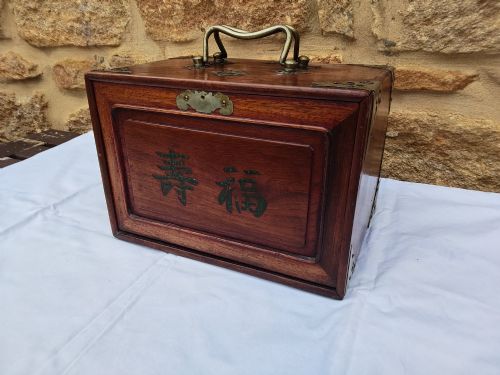
These wooden carrier box examples are sturdy domestic vessels and serving pieces built to move bottles, cutlery, logs, and work materials from room to room.
Wooden Carrier Box
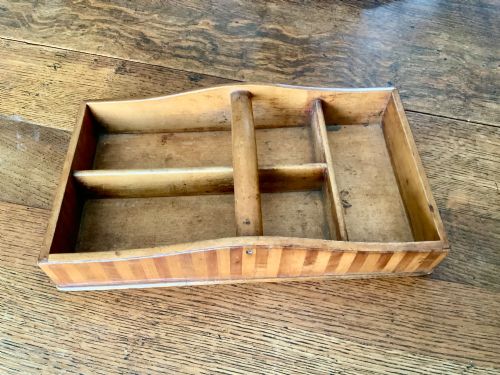
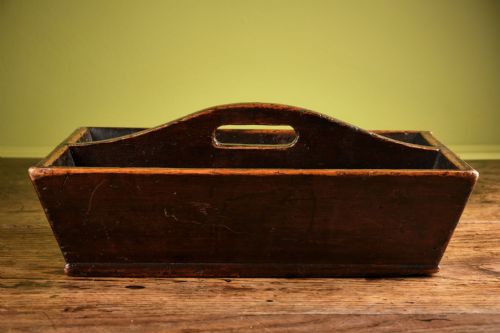
A wooden carrier box encompasses utilitarian forms designed for domestic transport, including cutlery trays, log baskets, decanter cases, and work boxes. When exploring this wooden carrier box selection, buyers encounter functional items spanning the Georgian, Victorian, Regency, and Edwardian eras.
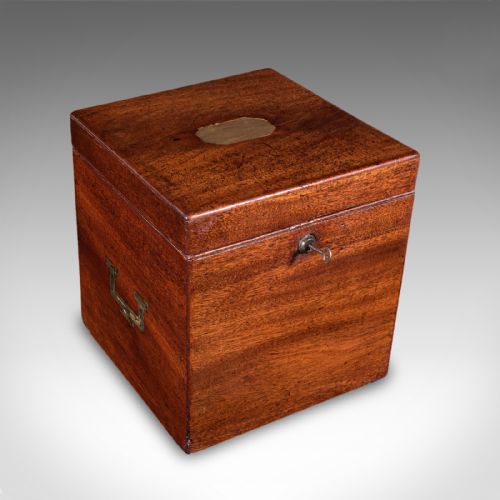
The assortment ranges from refined mahogany wine carriers fitted with brass hardware to rustic Scandinavian and Welsh pine containers. These pieces reflect specific household tasks, from serving bottled wine in formal dining rooms to carrying kitchen tools and garden supplies.
Materials and construction
Cabinet makers and country joiners utilised timber suited to the intended function, selecting dense hardwoods like mahogany and fruitwood for formal serving pieces, alongside sturdy pine, oak, and painted finishes for daily domestic use.
Metal elements such as brass handles, iron fittings, and specialised locks like those by Bramah provide structural reinforcement and secure closure for valuable contents like decanters and wine bottles.
Wooden Carrier Box Retail Price Guide 2026
Typical asking prices for wooden carrier box among the pieces listed under this phrase on Sellingantiques today, from the lower quarter to the upper quarter. They describe what is for sale here now, not the wider market.
Listings feature mahogany, oak, pine, fruitwood, and painted surfaces across Georgian, Victorian, Regency, and Edwardian periods.
Judging quality and craftsmanship
Quality rests upon the selection of timber and the precision of the joinery, distinguishing finely figured mahogany presentation cases from rustic country pine containers. Superior examples display thoughtful proportions, integrated carrying grips, and substantial metal mounts rather than purely decorative additions.
The integrity of the original surfaces and hardware dictates the standing of a piece. Retaining period brass handles, working locks, and honest patina elevates a simple utility box into a notable example of its type.
Liberty London
The Wooden Carrier Box Glossary
- Trug
- A shallow horticultural or domestic basket traditionally used for gathering garden produce or carrying household items. These are frequently fashioned from split wood or sturdy boards.
- Tantalus
- A locking beverage cabinet that secures decanters within a wooden frame while keeping the contents visible. This mechanism prevents unauthorised access to spirits.
- Caddy
- A small container or box originally intended for storing tea, but the term also applies to divided bottle carriers and compartmentalised trays. They often feature central carrying handles.
- Butler's tray
- A portable tray designed to be lifted off a folding stand or carried by hand during service. They typically incorporate raised edges or gallery rails to secure glassware.
- Cutlery tray
- A divided wooden receptacle utilised for sorting and transporting knives, forks, and spoons. Examples range from plain pine kitchen accessories to polished mahogany dining room servers.
Wooden Carrier Box: Frequently Asked Questions
What is a wooden carrier box used for?
These vessels served practical transportation needs around the historic home, moving everything from heavy logs and wine bottles to cutlery and sewing supplies.
Today, they function effectively as decorative storage containers, holding contemporary items while displaying traditional joinery and materials.
How do I identify a Georgian box?
Georgian pieces often feature dense mahogany, restrained classical proportions, and high-status details such as brass carrying handles and fitted interior compartments for bottles.
They reflect the formal dining and entertaining customs of the eighteenth and early nineteenth centuries.
Are rustic pine boxes authentic?
Rustic pine containers from Scandinavian and Welsh traditions prioritise utilitarian construction over fine cabinet work, utilising painted or plain softwood boards.
Their straightforward design reflects everyday domestic and agricultural life in the nineteenth century.
How should I care for antique wood?
Keep wooden carriers away from direct heat sources and extreme humidity fluctuations to prevent the timber from warping or splitting.
Apply a traditional beeswax polish occasionally to nourish the surface and maintain the natural patina.