



Wooden Brass Candlesticks
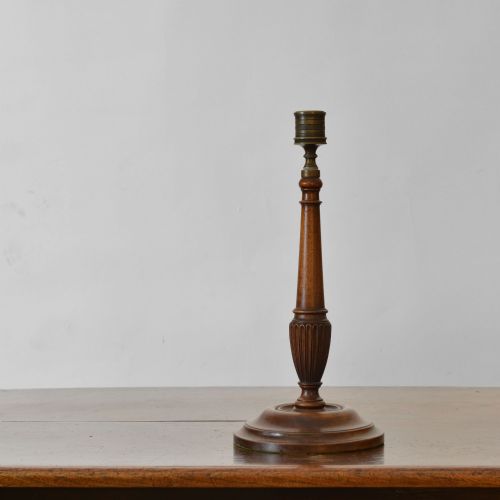
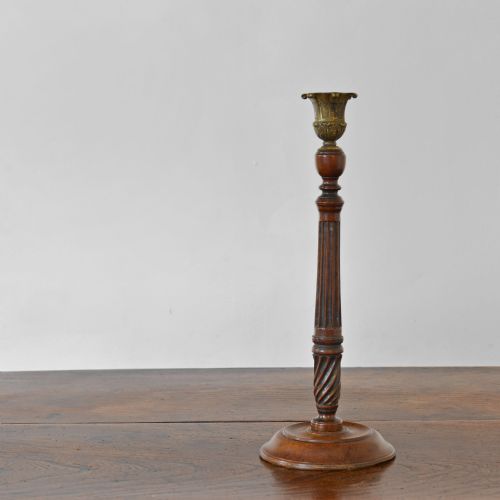
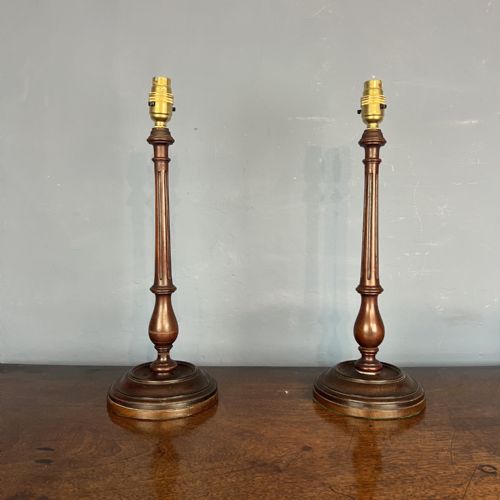
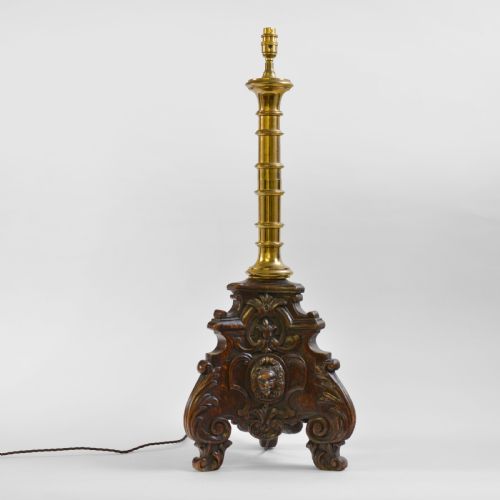
These wooden brass candlesticks combine warm timber and bright metal for a striking tabletop display that suits both traditional and modern rooms.
Wooden Brass Candlesticks
When searching for wooden brass candlesticks, buyers encounter a robust mix of turned timbers and cast metal mounts spanning multiple centuries. The selection ranges from early George III style mahogany examples to sturdy oak pairs produced during the Edwardian era.
Origins stretch across British and continental workshops, including items fashioned from specialised timbers such as the teak recovered from naval vessels. Table lamps adapted from original turned forms also appear frequently alongside traditional candle holders.
Materials and Construction
Turnery forms the backbone of these pieces, utilising lathes to shape dense hardwoods like mahogany, oak, walnut and teak into slender shafts and stepped pedestals. Bobbin and barley twist carvings supply texture and visual rhythm along the stems.
Brass components such as socket cups, nozzle sconces and weighted base plates provide structural contrast and safety. These metal elements are typically cast and turned before being secured to the timber bodies with threaded rods or dowels.
One exceptional pair of bobbin turned teak candlesticks was fashioned directly from the timber of the royal yacht HMS Renown.
Quality and Distinction
The refinement of the turning defines the upper tier of these objects, showing crisp, deep profiling without chatter marks or uneven proportions. Superior examples maintain a balanced weight distribution between the timber body and the fitted brass hardware.
Timber selection and finishing dictate visual depth, with close-grained mahogany and figured oak displaying rich natural patination through transparent wax. Inferior specimens often exhibit mismatched wood grains or poorly seated metal mounts that loosen over time.
The Wooden Brass Candlesticks Glossary
- Barley twist
- A spiral carving resembling a twisted rope, popular on the stems of turned wooden candlesticks. This decorative technique creates strong diagonal shadows along the shaft.
- Sconce
- The metal cup at the top of a candlestick designed to catch dripping wax and hold the candle secure. These are commonly cast in brass.
- Chamber stick
- A low candlestick featuring a wide saucer base and a loop handle for carrying through a house. They are frequently fitted with a small conical snuffer.
- Treen
- Small handmade wooden household objects turned or carved from domestic timbers. The term encompasses utilitarian items as well as decorative desk wares.
- Bobbin turning
- A series of rounded wooden spheres or discs carved sequentially along a shaft. This style creates a distinctive modular silhouette.
Wooden Brass Candlesticks: Frequently Asked Questions
How do I clean the brass parts?
Use a soft cloth to remove dust from both the timber and metal surfaces without applying harsh chemical polishes. Gentle cleaning preserves the natural aged patina on the brass.
Avoid letting liquid polish come into contact with the wood, as it can stain or degrade the traditional wax finish.
Can these hold modern candles?
Most antique brass sockets accommodate standard taper candles, though slight variations in sizing do occur across different periods. Checking the internal diameter of the sconce ensures a snug fit.
Using dripless candles prevents hot wax from overflowing the metal drip pan and damaging the wooden stem below.
Are these pieces heavy enough to be stable?
The combination of dense hardwoods and cast brass components gives these items a reassuring weight at the base. This construction prevents the candlesticks from tipping easily during use.
Heavier pairs often incorporate hidden metal weighting beneath the wooden base plate for added security.
How do I date a turned candlestick?
Dating relies on observing the turning style, timber species, and the method used to join the metal components to the wood. Stylistic markers such as Edwardian barley twists or Georgian proportions offer clear chronological clues.
Tool marks left by hand lathes on the interior surfaces also help differentiate older turned objects from modern reproductions.