





Wooden Boy Sculpture
These carved figures and busts offer characterful presence, and a wooden boy sculpture brings expressive human form and traditional craft into any interior.
Wooden Boy Sculpture
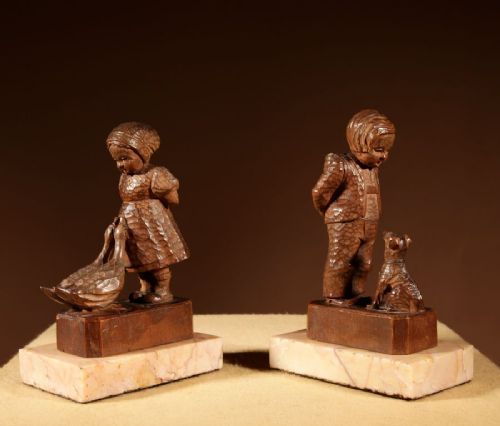
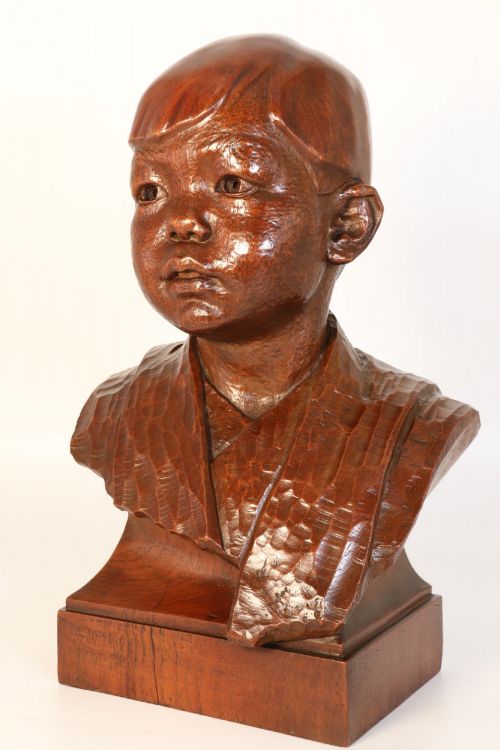
When you search for a wooden boy sculpture, you are looking at figural carvings executed in various regional traditions spanning the Victorian era through the early twentieth century. The selections available encompass European Black Forest work, Scottish walnut portrait busts, and Chinese root wood or hardwood figures.
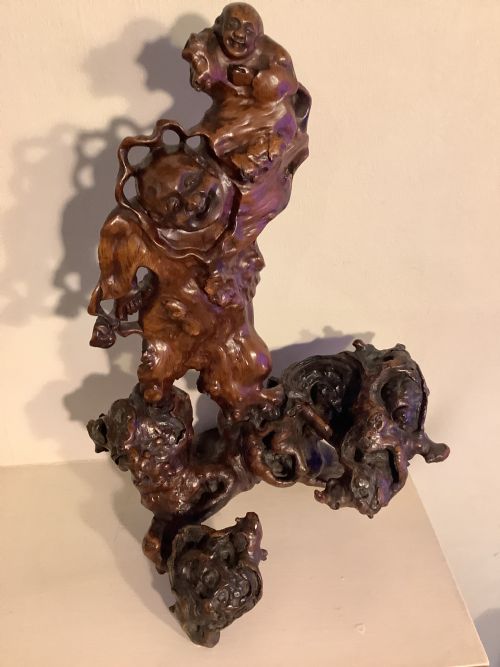
You are most likely to meet European Black Forest carvings or Chinese hardwood and root wood figures on this page. These pieces range from substantial life size busts to smaller decorative carvings and netsuke depicting children, often paired with animals or mythological subjects.
How they were made
Carvers utilised dense materials such as walnut, root wood, and general hardwoods to achieve intricate detail and lasting durability. The natural grain and gnarled formations of the wood frequently dictated the final shape of the sculpture, particularly in Chinese root wood pieces.
Wooden Boy Sculpture Retail Price Guide 2026
Typical asking prices for wooden boy sculpture among the pieces listed under this phrase on Sellingantiques today, from the lower quarter to the upper quarter. They describe what is for sale here now, not the wider market.
Listings feature periods spanning the Victorian era through the early twentieth century, utilising materials such as walnut, root wood, and hardwood.
What varies in quality
The standard of execution in carving defines the upper tier of these pieces, separating naturalistic anatomical rendering from rigid or formulaic production. Master carvers captured fluid movement and lifelike facial expressions, whereas lesser examples remain stiff and lack anatomical conviction.
The selection of the raw material also dictates value, with well figured walnut and expertly chosen gnarled root wood commanding greater attention than plain timber. Furthermore, the preservation of original surface finishes without excessive cleaning or modern intervention maintains the integrity of the piece.
George Henry Paulin RBS
The Wooden Boy Sculpture Glossary
- Black Forest carving
- A style of wood carving originating from the mountainous regions of central Europe, known for realistic representations of animals and human figures. These pieces are typically executed in lime, walnut, or other local timbers.
- Root wood
- Timber sourced from the root system of a tree, prized by carvers for its twisted grain and irregular growth patterns. Artisans often incorporate these natural formations directly into the design of figurative sculptures.
- Netsuke
- A small Japanese toggle carved from wood, bone, or ivory, traditionally used to secure small containers to a kimono sash. They often depict figures, animals, or legendary subjects with minute attention to detail.
- Walnut
- A hard, dark brown timber favoured for high quality furniture and portrait busts due to its fine grain and stability. It allows carvers to achieve sharp edges and smooth polished surfaces.
Wooden Boy Sculpture: Frequently Asked Questions
What is a wooden boy sculpture?
A wooden boy sculpture is a hand carved three dimensional depiction of a male child, created by artisans across various global traditions and historical periods. These objects range from European portrait busts to Asian root wood figures.
They serve primarily as decorative art objects, showcasing the technical skill and artistic styles of carvers from the nineteenth and early twentieth centuries.
How were these sculptures displayed?
Historically, such carvings were placed upon mantelpieces, sideboards, or dedicated pedestals within domestic interiors to display the owner's taste. Life size busts required sturdy furniture or architectural brackets for proper support.
Today, they function well as focal points on tabletops or within cabinet displays, integrating easily into traditional and eclectic decorative schemes.
How do I care for antique wood carvings?
Maintaining these sculptures involves keeping them away from direct sunlight and rapid temperature fluctuations, which can cause the timber to split or warp. Occasional dusting with a soft, dry cloth is usually sufficient.
Avoid applying modern furniture polishes or oils unless recommended by a professional conservator, as these substances can damage historic surface finishes.
How can I tell different regional styles apart?
European Black Forest carvings typically feature deep relief and naturalistic subjects often associated with Swiss or German woodland themes. In contrast, Chinese root wood and hardwood carvings utilise the organic shapes of timber to represent figures and animals in a more fluid style.
Examining the underlying material, tool marks, and specific cultural iconography helps identify the likely geographic origin and period of manufacture.