


Wooden Box with Lock
These wooden box with lock examples span centuries of domestic storage, offering secure keeping for tea, correspondence, and valuables.
Wooden Box with Lock
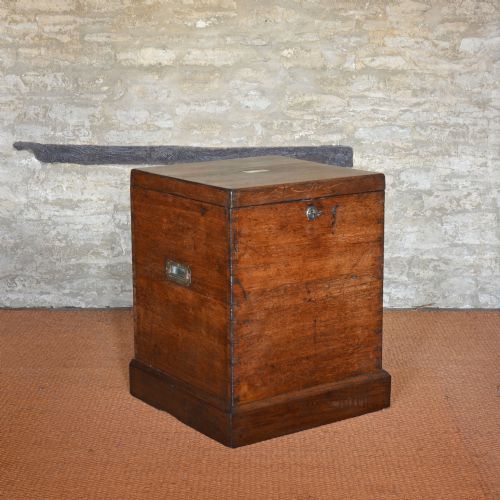
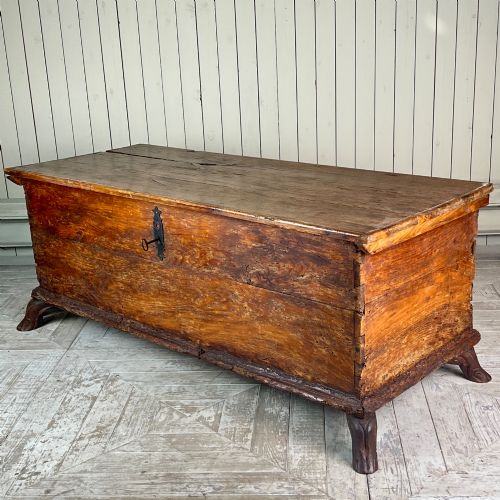
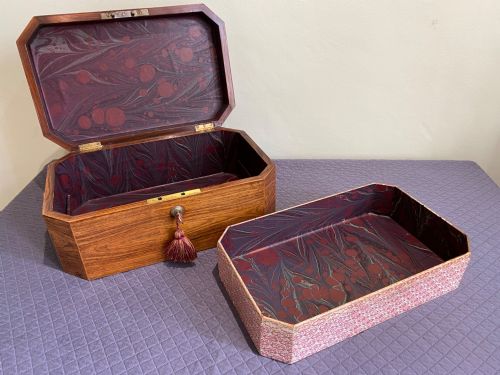
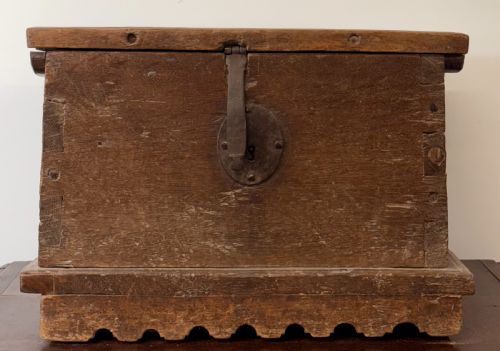
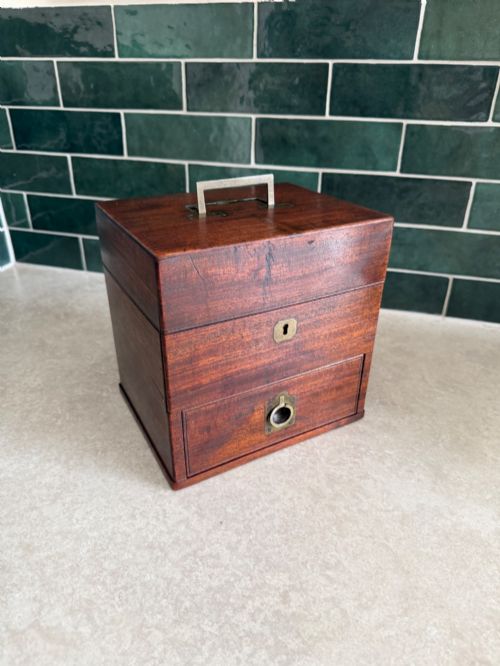
A wooden box with lock covers everything from modest bible boxes and table chests to fitted writing slopes and tea caddies. The examples appearing here stretch across diverse eras, moving from early oak joinery to polished Victorian walnut.
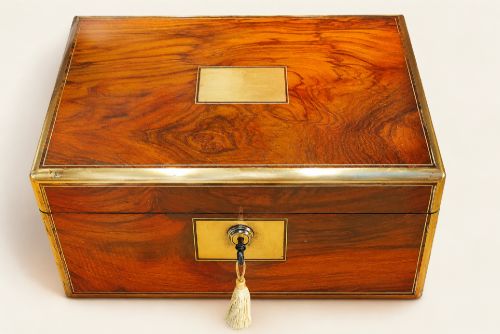
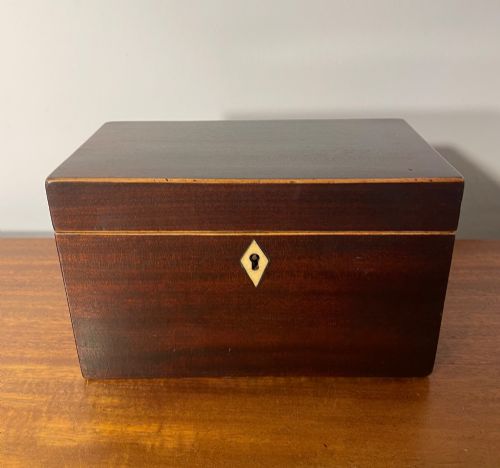
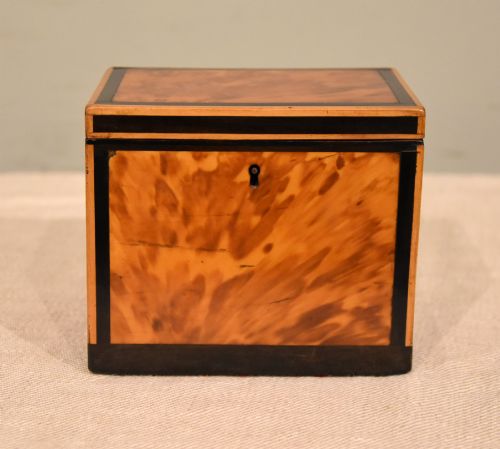
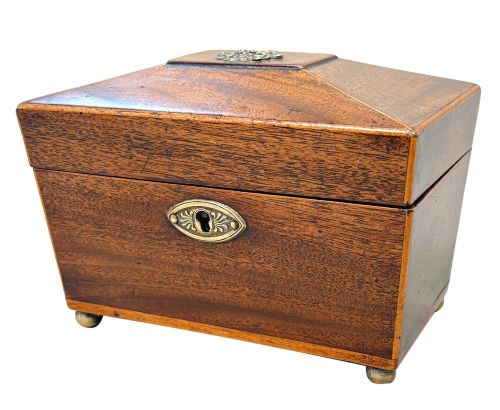
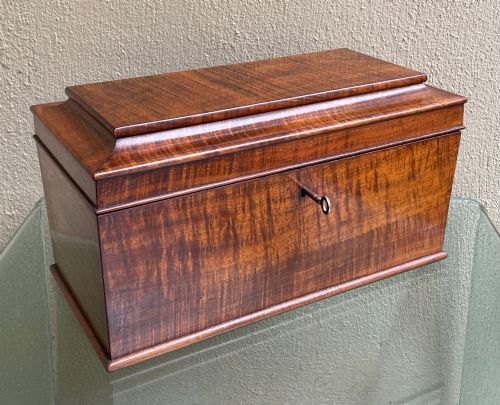
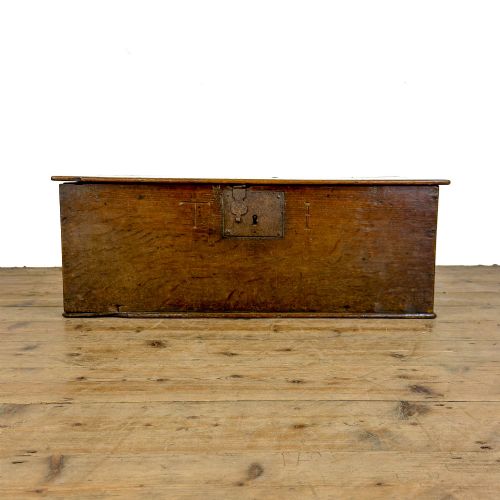
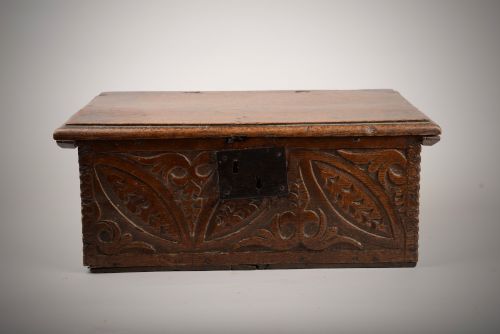
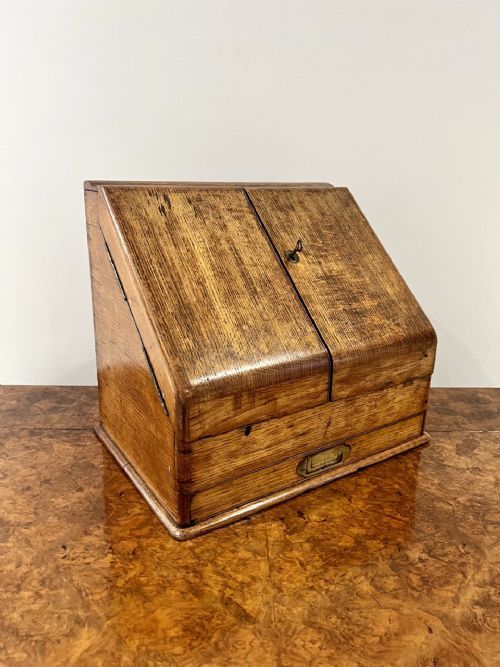
The most common formats on this page are Victorian writing slopes and tea caddies, alongside earlier oak bible boxes and coffers. These pieces served practical household roles, housing precious documents, currency, or dried leaves safely away from prying eyes.
Materials and Construction
Makers relied heavily on native and imported timbers, utilising oak, walnut, mahogany, and rosewood for the main carcass. Grain selection mattered greatly, with figured veneers and marquetry inlay often adorning the more ambitious pieces.
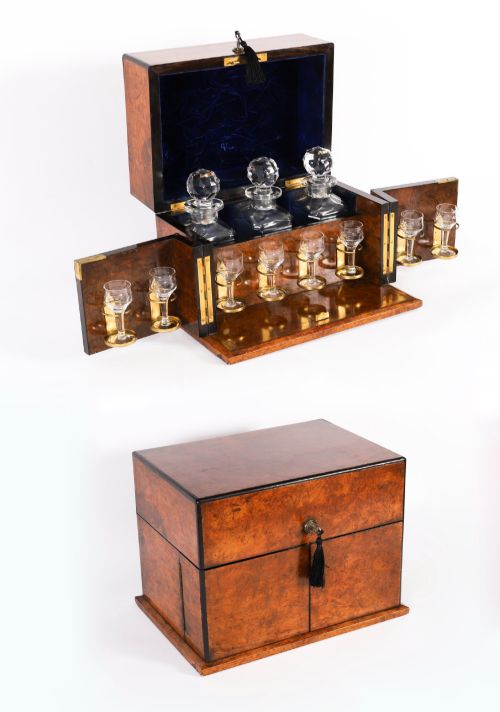
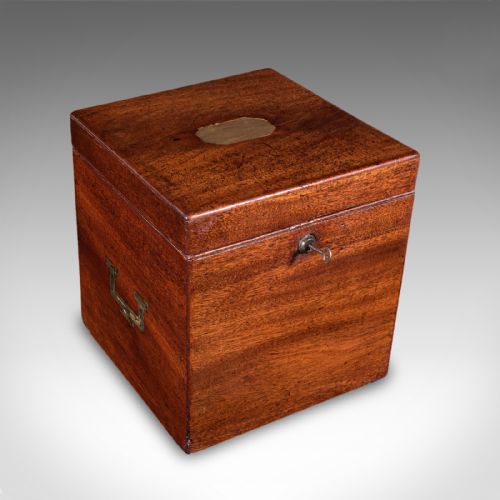
Security depended on inset hardware, incorporating brass mounts, iron banding, and sophisticated locking mechanisms such as Bramah locks. Internal fittings frequently featured secret drawers and compartments concealed within the carpentry.
Wooden Box with Lock Retail Price Guide 2026
Typical asking prices for wooden box with lock among the pieces listed under this phrase on Sellingantiques today, from the lower quarter to the upper quarter. They describe what is for sale here now, not the wider market.
Listings span from the 16th Century to the Edwardian era, featuring oak, mahogany, walnut, and rosewood.
Assessing Quality
Quality rests in the tightness of the joinery and the selection of timber figures, where quartersawn oak or burr walnut elevates the visual weight of a simple chest. Finer examples display meticulous hand-carving and well-fitted internal stationery compartments rather than plain secondary woods.
The sophistication of the hardware tells its own story, distinguishing standard iron hasps from high-security brass lever locks integrated into slope lids and tea containers. Original working keys and intact internal linings add significantly to the integrity of any surviving chest.
The Wooden Box with Lock Glossary
- Bible box
- A small tabletop chest traditionally used for storing folio Bibles and religious texts, often featuring a sloping lid.
- Writing slope
- A portable desk with an angled writing surface that folds open to reveal letter storage, inkwells, and pen trays.
- Tea caddy
- A container designed to store loose tea leaves securely, frequently fitted with internal compartments and a locking lid to protect an expensive commodity.
- Bramah lock
- A patented high-security cylindrical lock invented in the late eighteenth century, known for intricate internal mechanism design.
Wooden Box with Lock: Frequently Asked Questions
What were wooden boxes with locks used for originally?
These containers secured valuable possessions like currency, legal documents, tea, and personal correspondence in domestic settings. Their locking lids kept contents private from household staff and visitors.
Many styles served specific domestic functions, such as holding stationery on a desk or keeping precious tea leaves under lock and key.
How do I know if the lock is original?
Examine the fit of the escutcheon plate and the surrounding timber to check for filled screw holes or altered wood grain. Original mechanisms show consistent patina and wear matching the age of the exterior box.
Replacement locks often leave slight gaps or use modern screw heads that differ from the period fixings elsewhere on the carcass.
What are secret drawers?
Secret drawers are concealed compartments built into writing slopes and table boxes behind removable partitions or false bottoms. Owners used them to hide precious items, jewellery, or sensitive papers.
Accessing them usually requires releasing a hidden spring or sliding a specific panel within the internal stationery fitting.
How should I care for polished wood surfaces?
Keep wooden boxes away from direct sunlight and radiators to prevent the timber and veneers from drying out and splitting. Apply a quality wax periodically to maintain the finish and protect the grain.
Avoid using silicone-based polishes or excessive moisture, which can degrade old French polish and corrode internal iron or brass fittings.