



Wooden Book Storage Cabinet
A wooden book storage cabinet brings order to a room, offering sturdy shelves and enclosed cupboards for a growing library.
Wooden Book Storage Cabinet
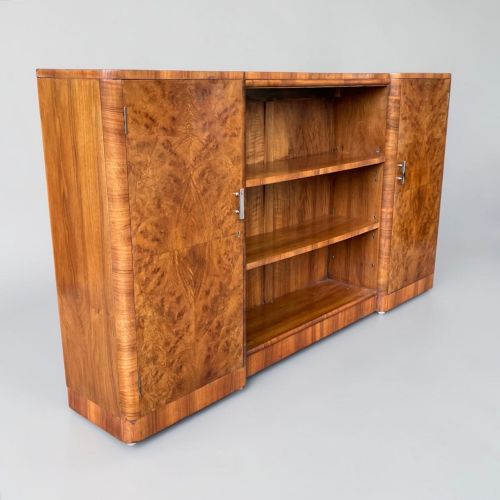
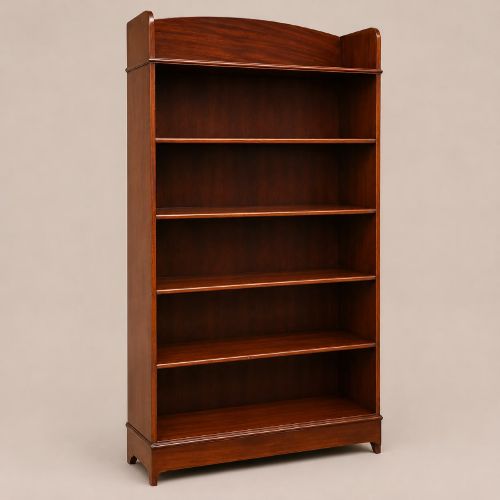
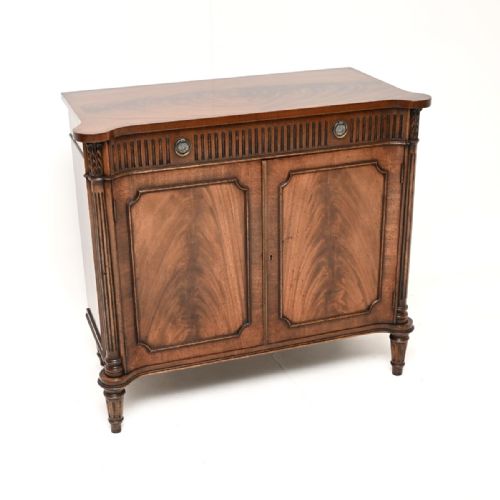
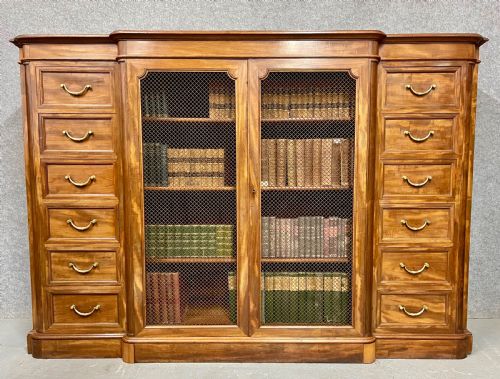
A wooden book storage cabinet encompasses open bookcases, enclosed side cabinets, and two-part library pieces designed for holding volumes. Buyers searching for a wooden book storage cabinet encounter forms ranging from compact Edwardian freestanding shelves to substantial Victorian library bookcases with glass or solid doors.
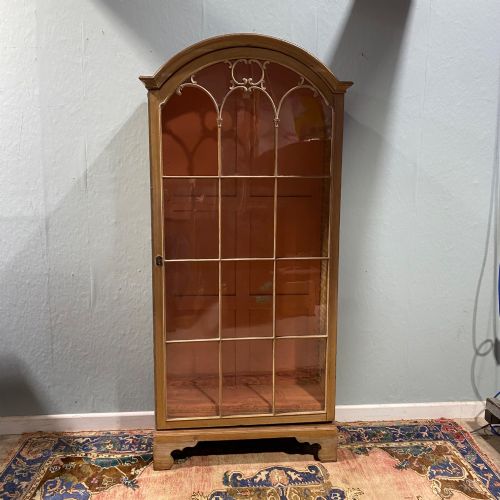
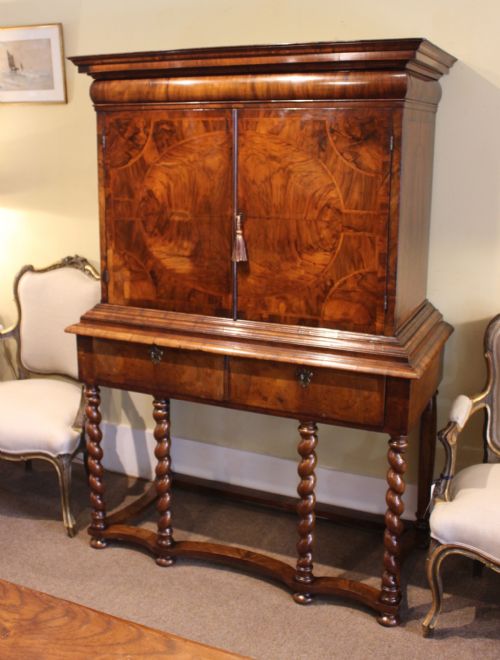
The selection leans heavily toward nineteenth-century craftsmanship, with Victorian and Edwardian examples appearing frequently alongside earlier eighteenth-century walnut cabinets on stands and later twentieth-century stacking designs.
Makers utilised various formats, including open-fronted shelving with adjustable boards, sliding glass display doors, and combination cabinet chests featuring lower storage spaces.
Materials and construction methods
Secondary details involve brass hardware, glass panels for display doors, and decorative marquetry or ebonised wood finishes that elevate the visual weight of the furniture.
Wooden Book Storage Cabinet Retail Price Guide 2026
Typical asking prices for wooden book storage cabinet among the pieces listed under this phrase on Sellingantiques today, from the lower quarter to the upper quarter. They describe what is for sale here now, not the wider market.
The listings span from the eighteenth century through to the 1930s, showcasing materials like solid mahogany, walnut, oak, and brass.
Assessing quality in construction
Quality reveals itself in the selection of timber veneers, the precision of carved details like those found on Arts and Crafts or Victorian pieces, and the integration of functional elements such as adjustable shelving systems.
Finer examples demonstrate careful proportion across multi-part library units and refined joinery that withstands the heavy load of books over generations.
The Wooden Book Storage Cabinet Glossary
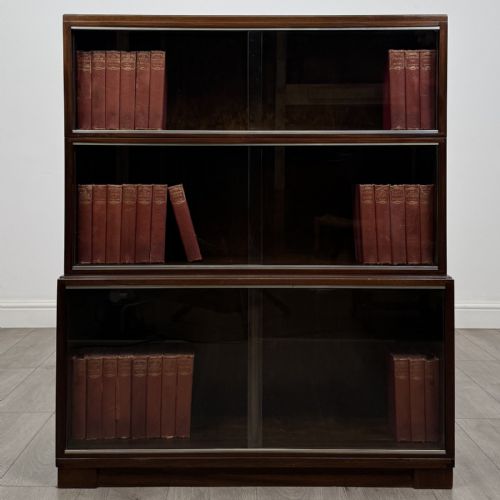
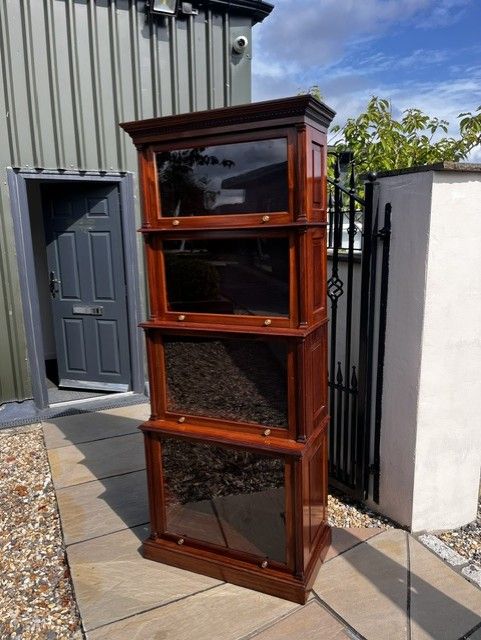
- Barristers stacking bookcase
- A modular bookcase featuring individual glazed sections that lift and slide open to protect stored books.
- Chiffonier
- A low cabinet, frequently equipped with open book shelves or enclosed lower cupboards, popular in nineteenth-century interiors.
- Marquetry
- Decorative patterns formed by fitting together thin slices of various woods and materials onto a solid carcase.
- Ebonised wood
- Timber treated with a chemical stain or finish to imitate the dense, dark appearance of ebony.
- Open bookcase
- A piece of furniture designed for book storage featuring accessible front shelves without doors.
Wooden Book Storage Cabinet: Frequently Asked Questions
What is a barristers stacking bookcase?
A barristers stacking bookcase consists of modular sections with glazed lifting doors that stack vertically. This design allows lawyers to transport and expand their libraries easily.
Each tier operates independently, protecting the books from dust while maintaining a compact footprint in a study or office.
How do I identify a Victorian bookcase?
Victorian bookcases typically feature heavier timber construction in mahogany or oak, often displaying deep carvings or architectural cornices. They range from open-fronted shelves to large two-part library cabinets.
Adjustable wooden shelving systems and brass hardware are common indicators of this period's practical approach to home libraries.
Are cabinet shelves adjustable?
Many traditional bookcases and storage cabinets incorporate adjustable shelving supported by wooden ratchets, metal pins, or sliding grooves. This flexibility accommodates books of varying heights.
Checking the interior walls of the cabinet reveals the mechanism used to alter the shelf positions.
What wood types are most common?
Mahogany and oak dominate the surviving inventory, valued for their structural strength and rich grain patterns. Walnut and rosewood appear in finer, more decorative cabinet pieces.
Selection depends on the stylistic period, with oak favoured in Arts and Crafts designs and mahogany prevalent across the Victorian era.