

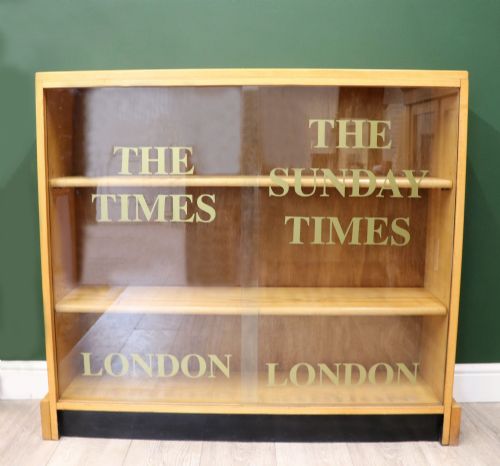
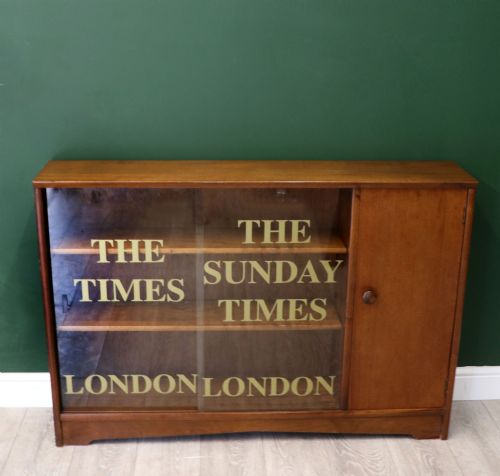
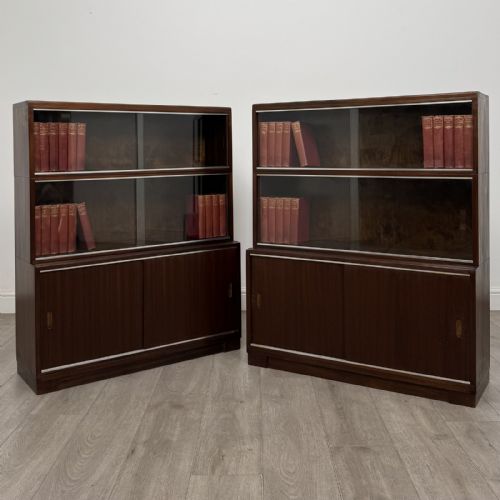
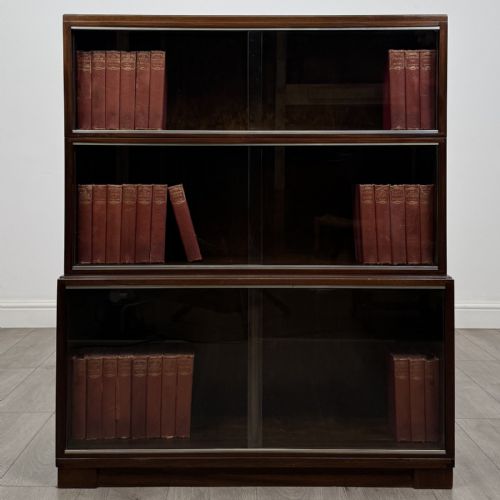
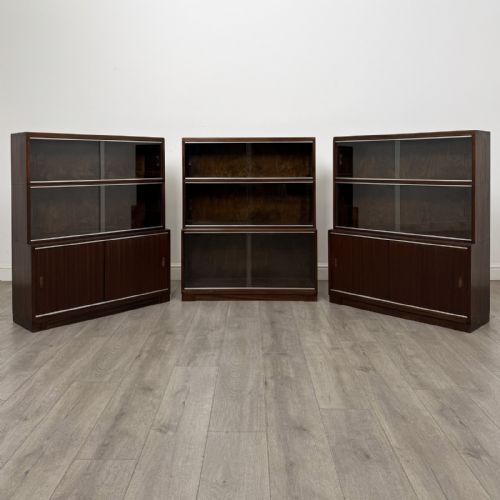
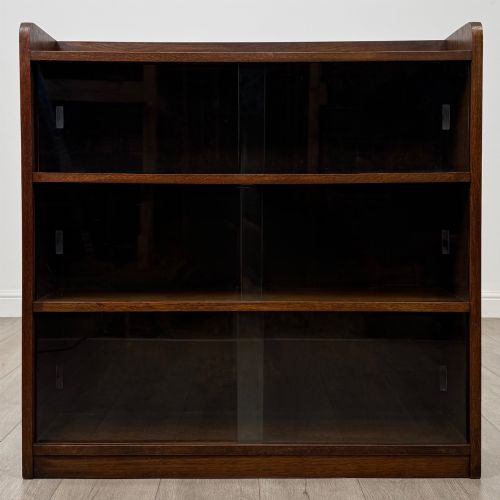
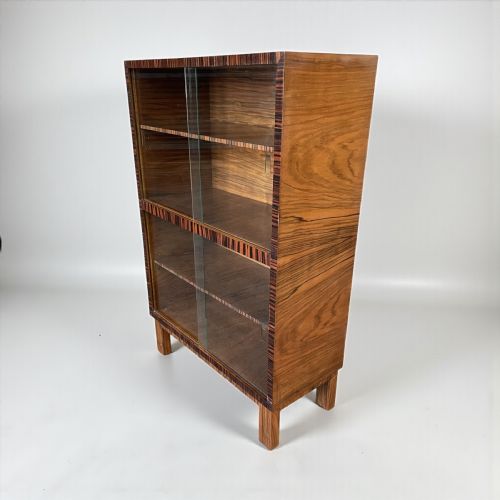


Retro Glazed Cabinet
A retro glazed cabinet brings period character and practical storage to a room, offering glass doors to showcase books or ceramics.
Retro Glazed Cabinet
A retro glazed cabinet combines display space with enclosed storage, appearing in forms such as bookcases, display cabinets, and medical storage.
The pieces available span from the Edwardian period and the 1920s through to Art Deco designs of the 1930s and Mid-Century Modern teak examples from the 1950s.
Buyers searching for a retro glazed cabinet will frequently encounter sliding glass doors paired with timbers like oak, walnut, mahogany, and teak.
Materials and construction
Cabinet makers utilised solid hardwoods and applied veneers, selecting oak, walnut, mahogany, teak, burr walnut, and sycamore for the primary structures.
Glazing takes the form of fitted or sliding glass panels set into wooden frames, sometimes accompanied by brass hardware and secondary materials like white painted metal.
Construction techniques range from traditional cabinet making to mid-century manufacturing methods, incorporating specialised forms like Globe Wernicke stacking sections.
Retro Glazed Cabinet Retail Price Guide 2026
Typical asking prices for retro glazed cabinet among the pieces listed under this phrase on Sellingantiques today, from the lower quarter to the upper quarter. They describe what is for sale here now, not the wider market.
Materials recorded across the selection include glass, brass, and six different woods.
Quality differences
The distinction between standard production items and higher quality pieces lies in the selection of decorative veneers, such as burr walnut, and the precision of the joinery.
Named makers and designated workshops introduce greater craftsmanship through considered proportions, distinctive shapes like clove designs, and signed details.
Herbert Gibbs·Epstein·Arthur Reynolds Of Ludlow·Clarice Cliff·Phoenix Gallery
The Retro Glazed Cabinet Glossary
- Veneer
- A thin layer of finer wood glued to a base timber to provide a decorative surface. Burr walnut veneer displays intricate swirling grain patterns.
- Globe Wernicke
- A modular stacking bookcase system with glass fronted sections that lift and slide inward. It allows units to be stacked together.
- Sliding glass doors
- Glass panels that move sideways on tracks within the cabinet frame. This mechanism saves external space in smaller rooms.
- Art Deco
- A design style prominent in the 1930s characterised by geometric shapes and streamlined forms. Pieces often feature symmetrical wood grains.
Retro Glazed Cabinet: Frequently Asked Questions
How do I date a glazed cabinet?
Dating relies on stylistic clues, materials, and construction methods. Edwardian and 1920s pieces often use solid oak or mahogany, while 1930s items favour Art Deco walnut or burr walnut.
Mid-century examples from the 1950s typically feature teak and minimalist lines. Maker signatures or stamps can also narrow down the production era.
Are sliding glass doors original?
Sliding glass doors appear frequently on 1920s and Edwardian display cabinets as well as later mid-century storage. Their presence depends on the specific design period and manufacturer.
Examine the runners and glass edges to understand how the doors were integrated into the original build.
How do I style a glazed cabinet in a modern home?
Use the internal shelving to display collections of ceramics, books, or glassware where the glass doors protect items from dust. The contrasting wood tones like teak or walnut add warmth to contemporary interiors.
Pairing a cabinet with neutral walls allows the grain and period form to stand out.
What is the difference between a bookcase and a display cabinet?
Bookcases focus primarily on open or shelved storage for books, whereas display cabinets emphasise glass panels designed to showcase decorative objects.
Many listings combine these functions into hybrid bookcase and display cabinet forms.