


Wooden Bedside Stand
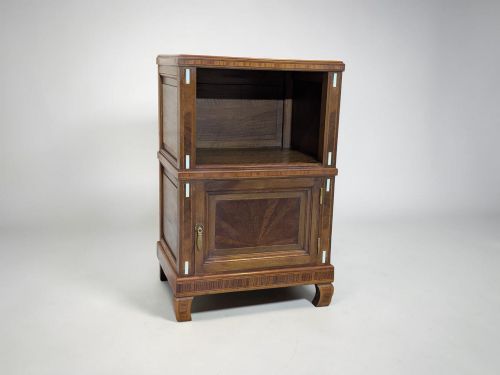
A proper wooden bedside stand brings period character and practical surface space to a bedroom, ranging from compact Georgian cupboards to Edwardian inlaid tables.
Wooden Bedside Stand
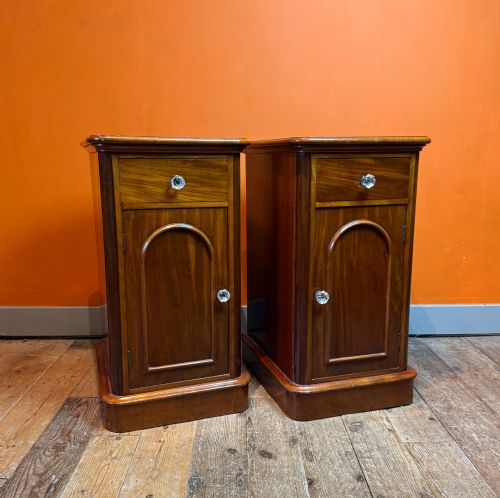
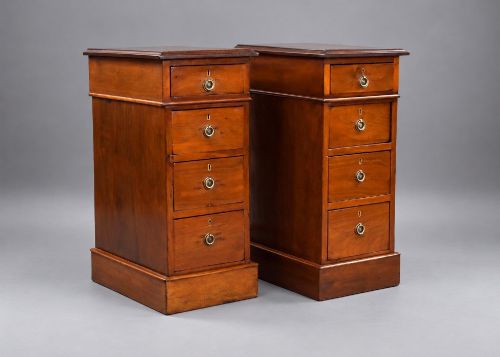
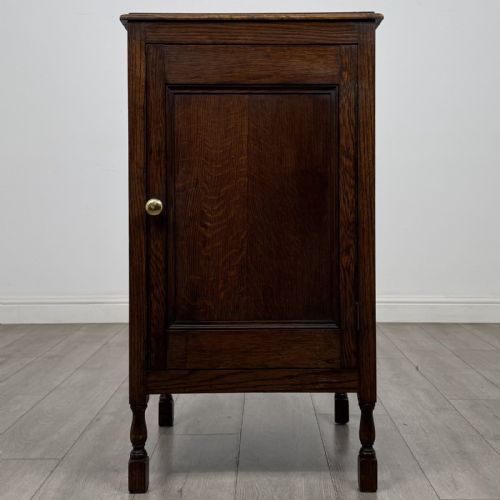
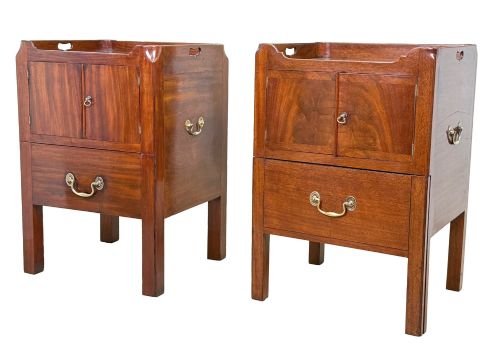
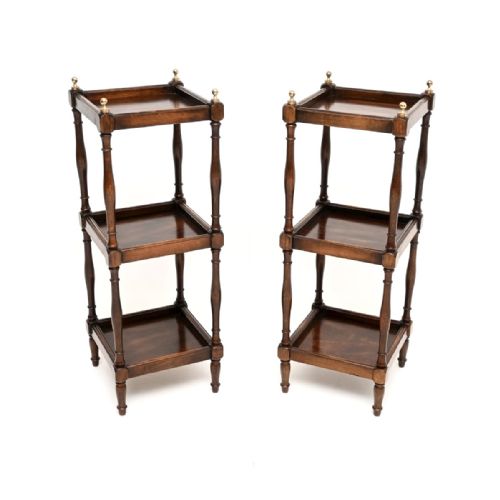
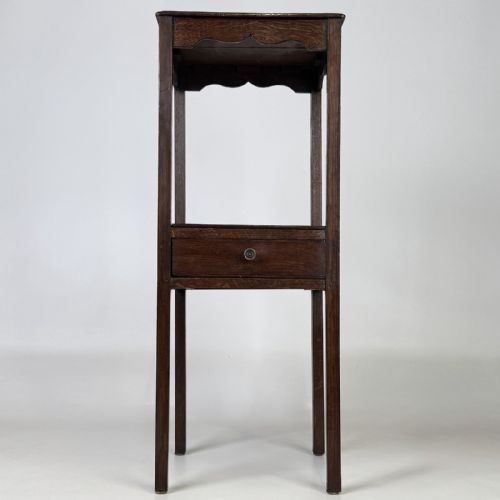
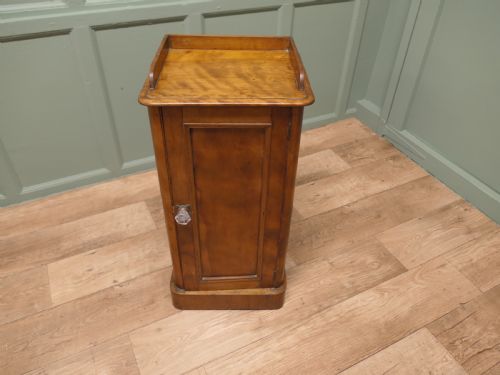
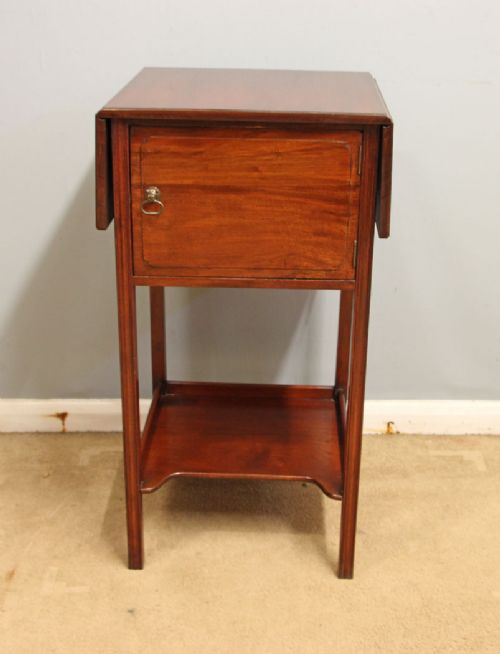
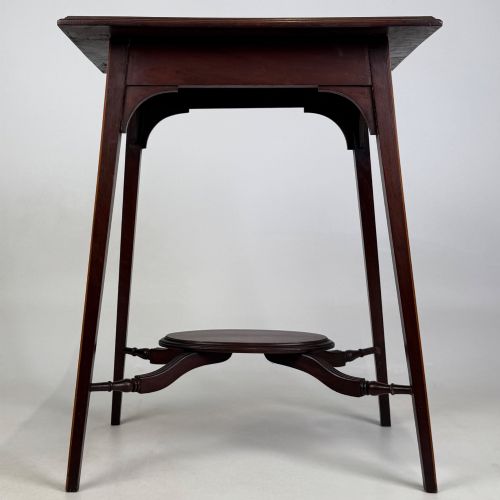
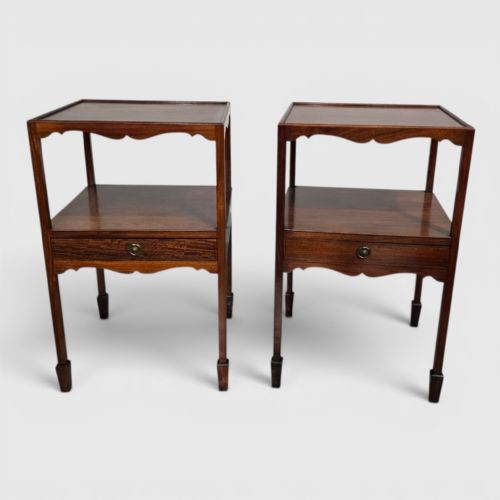
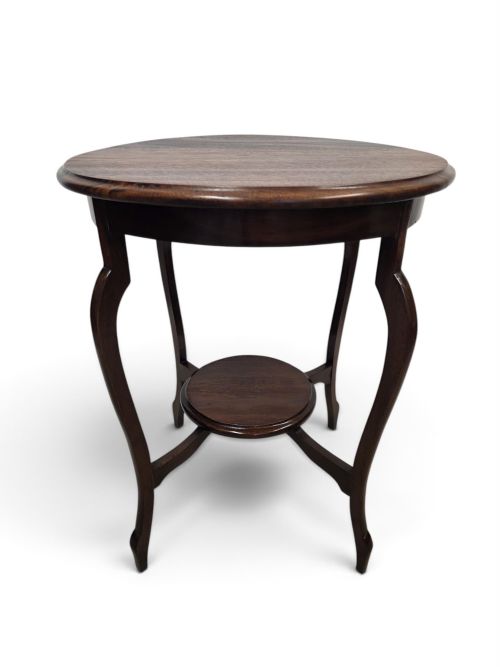
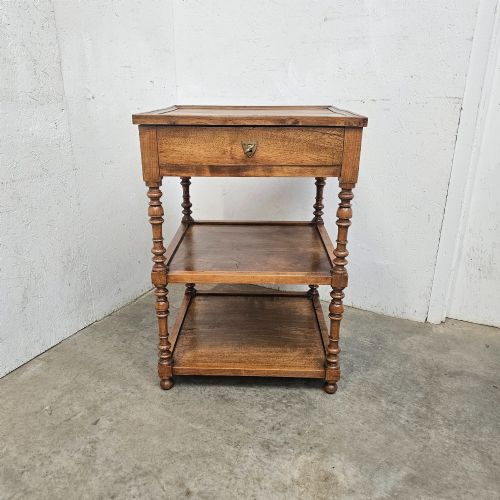
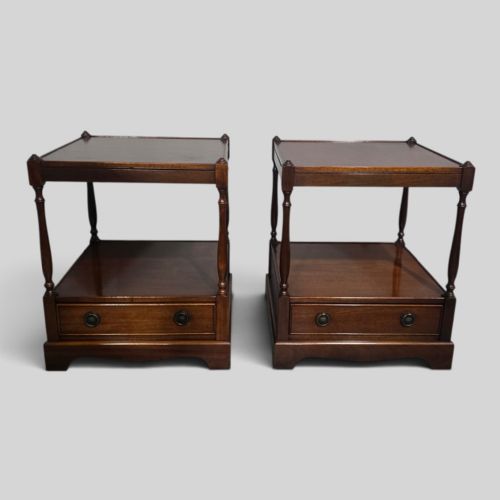
A wooden bedside stand serves as a compact surface next to a bed, encompassing various historical forms designed for nightly convenience. When searching for a wooden bedside stand, buyers encounter everything from enclosed bedside cabinets with doors to open side tables and tiered lamp tables.
The selection draws from multiple eras, with Edwardian inlaid designs, Victorian cupboards, and Georgian mahogany pieces appearing frequently. These items often double as night lockers, washstands, or small occasional tables depending on their original domestic purpose.
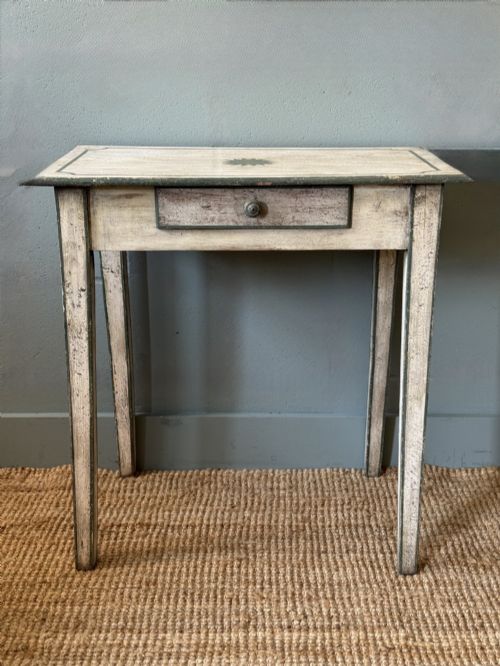
Origins span English country workshops to French provincial makers, offering distinct regional interpretations of small bedside furniture. Buyers select these stands to integrate antique timber grain and period proportions into modern sleeping quarters.
How they were made
Cabinet makers relied heavily on mahogany, walnut, and oak as the primary structural timbers, often accenting pieces with boxwood stringing or brass hardware. Selected pieces incorporate contrasting elements like marble tops or glass components for added durability and surface protection.
Joinery methods reflect traditional workshop practices, utilising turned legs, hand-carved decoration, and fretwork panels rather than modern fasteners. French polishing and natural wax finishes were traditionally applied to seal the wood and highlight the natural figure of the grain.
Wooden Bedside Stand Retail Price Guide 2026
Typical asking prices for wooden bedside stand among the pieces listed under this phrase on Sellingantiques today, from the lower quarter to the upper quarter. They describe what is for sale here now, not the wider market.
The selection includes specialised forms such as night watch holders, wig stands, and multi-tier etageres alongside standard bedside cabinets.
What varies in quality
The distinction between standard utility furniture and superior examples lies in the selection of timber and the crispness of the carving or inlay work. Finer pieces display meticulously matched wood grain, delicate boxwood stringing, and well-executed structural proportions.
Original hardware, sound drawer construction, and intact marble inserts elevate the standing of a piece considerably over later alterations or heavy restorations. The integrity of the original finish and the subtlety of turned or carved details separate ordinary items from exceptional ones.
The Wooden Bedside Stand Glossary
- Bedside cabinet
- A small enclosed cupboard designed to sit beside a bed, usually featuring a single door and interior storage space. These pieces keep night-time essentials hidden from view.
- Night stand
- An open table or small cabinet positioned next to a bed for holding a lamp or book. The term covers various historical forms including washstands and lamp tables.
- Etagere
- A set of open shelves supported by columns or slender uprights, utilised for display or storage. French examples often feature turned legs and delicate wood construction.
- Washstand
- A wooden piece originally constructed to hold a basin and pitcher for morning ablutions, frequently adapted as a bedside table today. Many retain integrated lower shelves or splashbacks.
- Inlay
- A decorative technique where contrasting woods or materials like boxwood are embedded into the primary surface to form patterns. This method adds geometric or floral detail to Edwardian and Georgian pieces.
- Boxwood
- A dense, pale yellowish wood traditionally used for fine stringing and contrasting inlay details on mahogany furniture. Its tight grain allows for precise cutting.
Wooden Bedside Stand: Frequently Asked Questions
What is a wooden bedside stand used for?
These pieces function primarily as a convenient surface beside a bed for lamps, books, and small personal items. Many historical versions also offer enclosed cupboard space or drawers to keep the bedside area tidy.
Over the generations, their domestic role has expanded from specialised items like washstands and night lockers into versatile lamp tables. Today, they serve both practical storage needs and aesthetic roles in period or contemporary bedrooms.
How do I identify an Edwardian wooden bedside stand?
Edwardian pieces often feature lighter mahogany timbers enhanced by delicate boxwood inlay or subtle fretwork decoration. They frequently incorporate lower shelves or slender tapered legs characteristic of the period around nineteen hundred.
Unlike heavier Victorian cupboards, these Edwardian designs lean towards refined elegance and lighter proportions. They bridge the gap between traditional craftsmanship and early twentieth-century domestic convenience.
Are these stands suitable for modern bedrooms?
Their compact dimensions make these stands exceptionally well suited for modern bedroom layouts where floor space is limited. The variety of heights and surface areas accommodates contemporary lighting and charging devices easily.
Mixing antique timber tones with modern interiors adds textural warmth and historical depth to a room. A sturdy wooden bedside stand easily withstands daily use while providing enduring character.
How do Georgian and Victorian stands differ?
Georgian stands typically display restrained classical proportions, solid mahogany construction, and simpler cupboard or wig stand configurations. Their design emphasises architectural balance and high-grade timber selection.
Victorian versions tend to be sturdier, encompassing birch bedside cupboards, heavier lamp tables, and converted washstands. Victorian makers often embraced bolder turned elements and functional hardware suited to robust household use.