

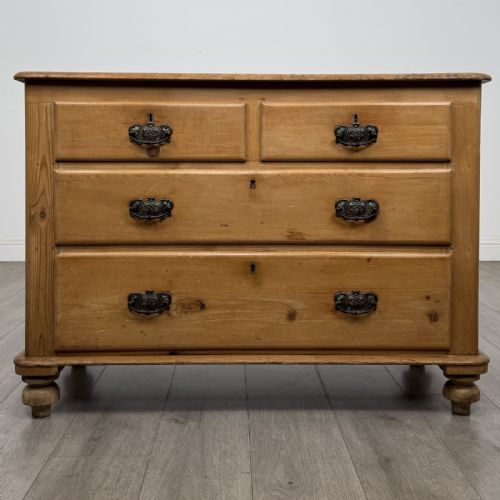
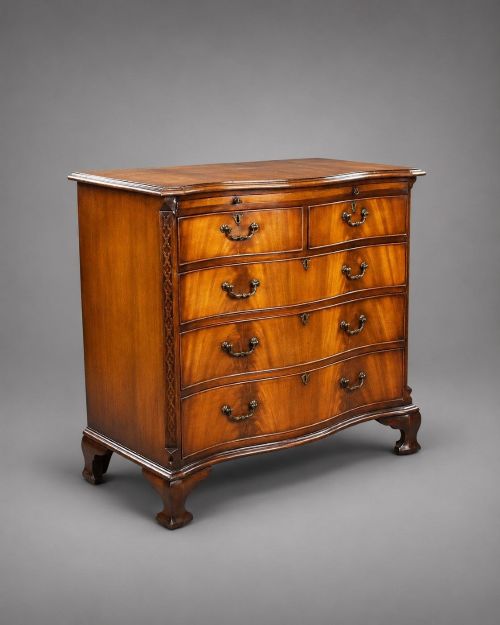
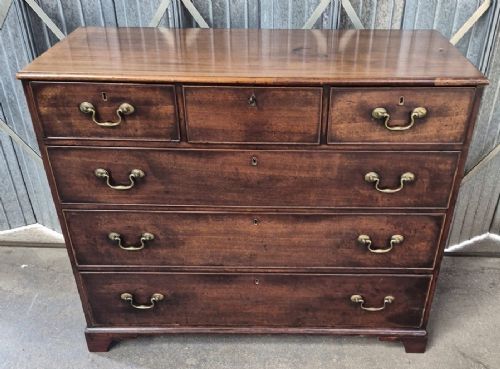
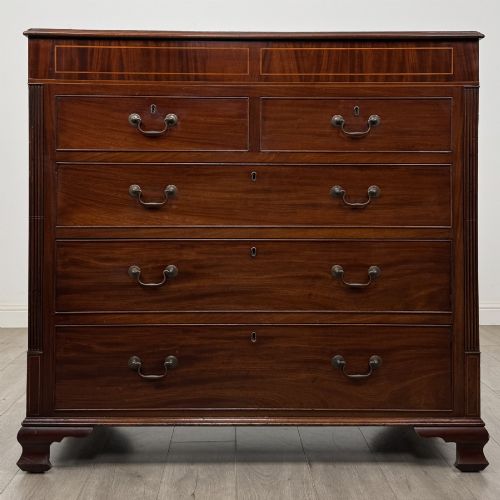
Wooden Bedroom Bureau
These wooden bedroom bureau listings offer substantial storage crafted from solid mahogany, oak, walnut, and pine across Georgian, Victorian, and Edwardian periods.
Wooden Bedroom Bureau
A wooden bedroom bureau search reveals pieces primarily recorded as chests of drawers, spanning George I, George III, Georgian, Victorian, Edwardian, and 1920 styles. These items served traditional domestic storage needs in chambers and sleeping quarters across centuries.
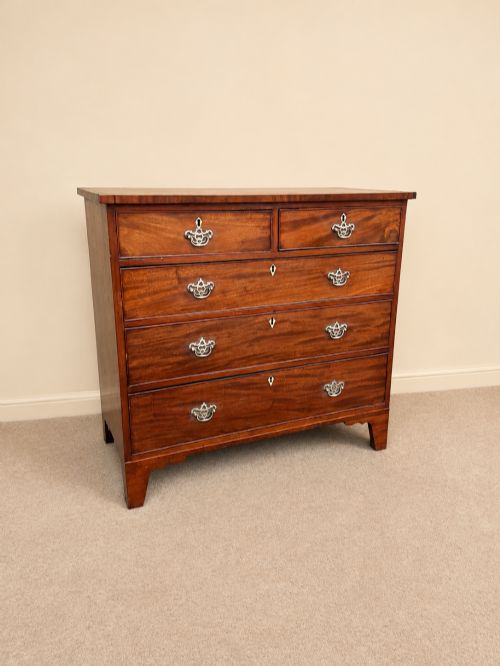
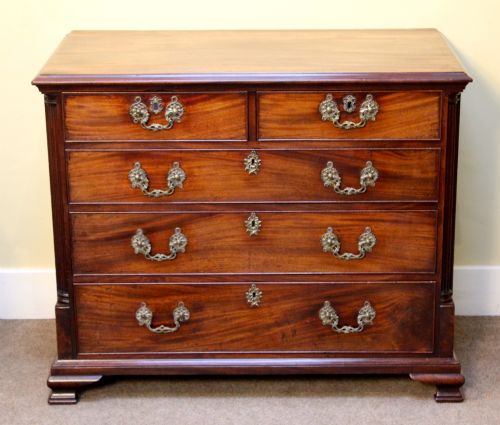
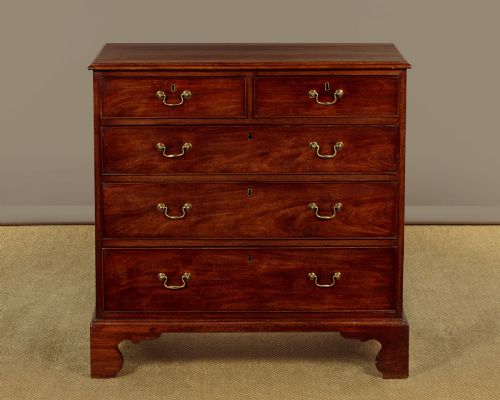
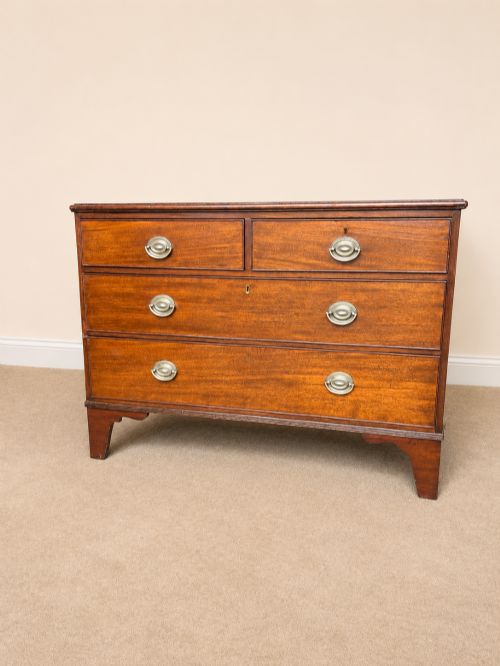
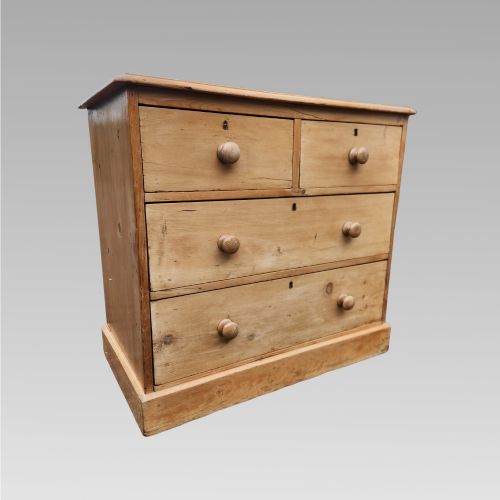
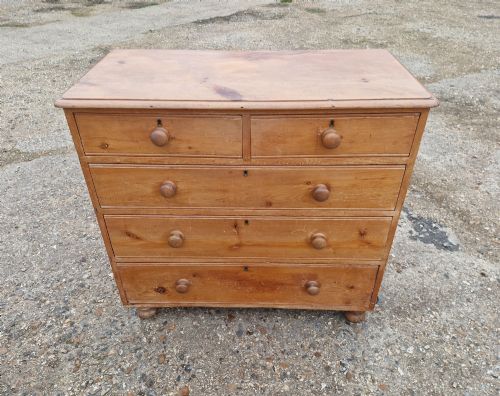
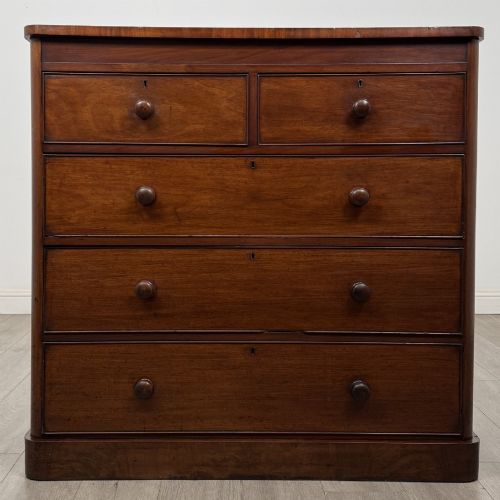
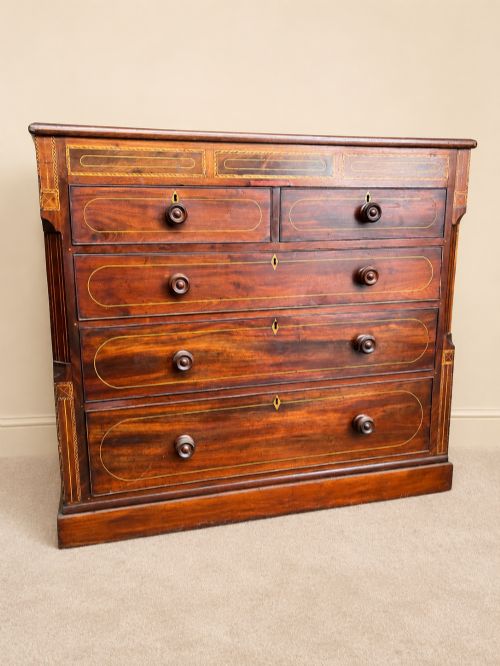
The most frequent form encountered on this page is the upright chest of drawers, often configured with two short drawers over three long drawers, alongside bow front and serpentine variations. Pieces date from the 18th century through to the early 20th century.
Origins range across English workshops, Scottish regional pieces, and colonial mahogany interpretations, utilising cabinet-making traditions specific to each distinct era.
Materials and Construction
Cabinet makers utilised dense hardwoods such as mahogany, flame mahogany veneer, burr walnut, and English walnut, alongside domestic softwoods like oak, pine, and maple. Surface treatments include original paint finishes and polished wood.
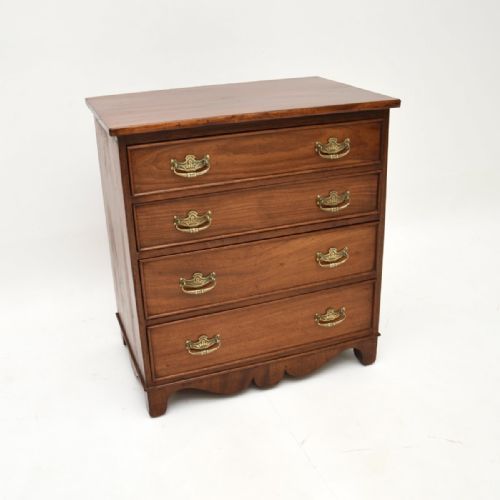
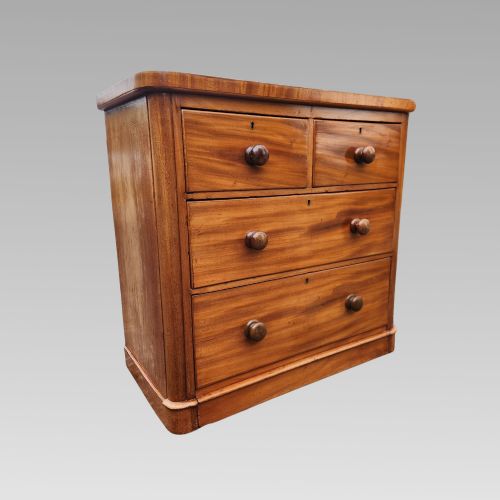
Hardware details feature brass pulls and turned wooden handles or knobs, while structural feet range from bun feet to turned legs and simple plinths. Construction methods reflect the period, joining solid timbers and veneers with traditional drawer linings.
Wooden Bedroom Bureau Retail Price Guide 2026
Typical asking prices for wooden bedroom bureau among the pieces listed under this phrase on Sellingantiques today, from the lower quarter to the upper quarter. They describe what is for sale here now, not the wider market.
Materials documented across the page include mahogany, flame mahogany veneer, oak, pine, walnut, burr walnut, maple, brass, and paint.
Assessing Craftsmanship
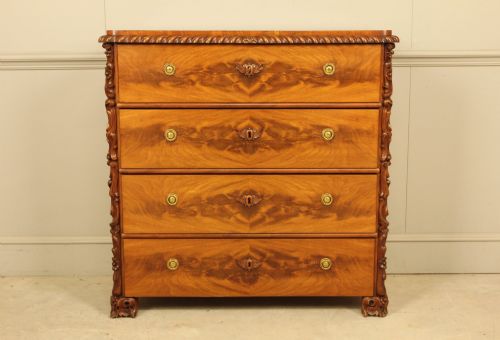
Quality rests in the selection of timber figures, such as highly decorative flame mahogany veneer or burr walnut, matched against secondary woods used internally. The crispness of carved top edges, shaped serpentine drawer fronts, and bow front construction define the level of artisan skill.
Hardware choice contributes to distinction, where cast brass handles or matched turned wooden handles integrate with the period aesthetic. The integrity of original surfaces, whether polished timber or original paint, separates standard items from exceptional examples.
Heals
The Wooden Bedroom Bureau Glossary
- Bow front
- A cabinet front that curves outward in a convex shape. This configuration appears frequently on Georgian and Victorian chests of drawers.
- Serpentine
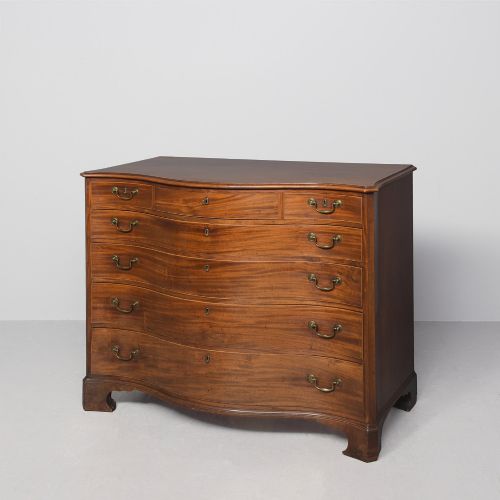
- A furniture front characterised by a central convex curve flanked by concave curves. This contour requires advanced cabinet-making skill.
- Flame mahogany veneer
- A thin slice of mahogany timber cut from the point where a branch joins the trunk, displaying a characteristic flame-like pattern. It decorates the drawer fronts of finer period pieces.
- Burr walnut
- Timber taken from a tree growth deformity that produces intricate, swirling grain patterns. It was favoured by cabinet makers for high-status Victorian and earlier surfaces.
- Bun foot
- A rounded, flattened ball foot supporting the base of a cabinet. These feet lift heavy chests of drawers off the floor.
Wooden Bedroom Bureau: Frequently Asked Questions
What is a wooden bedroom bureau?
A wooden bedroom bureau in these listings refers to tall chests of drawers designed for storing clothing in sleeping quarters.
They utilise timbers like mahogany, oak, and walnut, and date from the Georgian era through to the early twentieth century.
How do I date a chest of drawers?
Dating relies on identifying stylistic markers, timber types, and construction techniques associated with periods like Georgian, Victorian, or Edwardian.
Details such as brass hardware, foot styles, and drawer configurations help establish the period of manufacture.
What woods were used?
Cabinet makers constructed these pieces using both hardwoods and softwoods. Common choices include mahogany, flame mahogany veneer, oak, walnut, burr walnut, pine, and maple.
Some pieces also feature original painted finishes.
Where were these pieces made?
The listings include English furniture, Scottish regional pieces, and colonial mahogany items. Workshops across these regions produced chests suited to domestic chambers.
Design styles followed prevailing British tastes of the eighteenth, nineteenth, and early twentieth centuries.