



Wooden Base Candle Holder
These wooden base candle holder examples bring centuries of craft into the room, offering practical illumination and characterful historic presence.
Wooden Base Candle Holder
A wooden base candle holder encompasses functional lighting pieces anchored by timber foundations, spanning rushlight holders to carved figural sticks. When you search for a wooden base candle holder, you encounter items designed to secure candles or rushlights securely upon a flat surface.
The selections on this page range from eighteenth-century vernacular rushnips to nineteenth-century continental carved figures and pricket sticks. These objects merge utilitarian design with period craftsmanship, utilising durable woods and mixed metals for domestic and institutional illumination.
How they were made
Makers constructed these pieces using solid timbers such as mahogany, alongside carved wood embellished with gesso and giltwood details. Iron and brass components frequently integrate with the wooden foundations to form the functional socket or nip mechanisms.
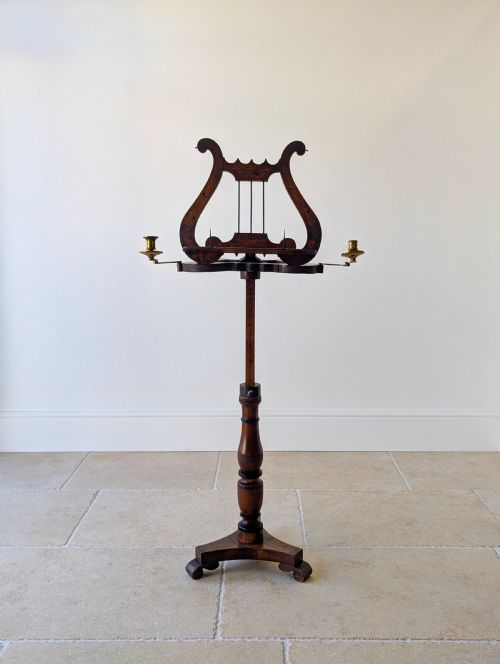
Lathe turning and hand carving shaped the structural elements, from simple socle bases to complex lyre-form music stands adapted for lighting. Traditional joinery and metalworking techniques ensured stability for heavy wax candles and burning rush fibres.
Wooden Base Candle Holder Retail Price Guide 2026
Typical asking prices for wooden base candle holder among the pieces listed under this phrase on Sellingantiques today, from the lower quarter to the upper quarter. They describe what is for sale here now, not the wider market.
A nineteenth-century carved wooden female figure stands ready to hold your candle, proving utility and sculpture make fine company.
What varies in quality
Superior quality in these items shows in the crispness of hand-carved details, such as the facial expressions on figural candlesticks or the precision of turned mahogany columns. Lesser examples rely on simpler, utilitarian execution with minimal decorative ambition.
The integrity of the original materials and surface patination dictate desirability, with untouched timber surfaces commanding greater respect than heavily restored or replaced elements. The integration between the wooden base and the metal hardware must display harmonious proportion and secure construction.
The Wooden Base Candle Holder Glossary
- Rushlight holder
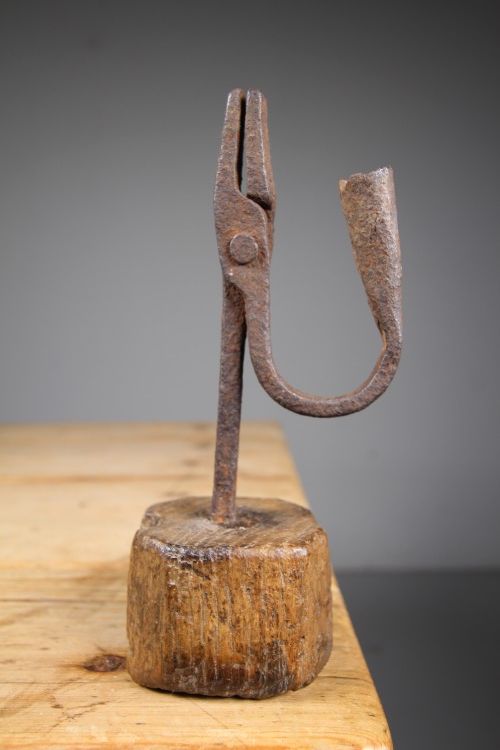
- A spring-loaded iron clip mounted on a stand, designed to grip a dried rush dipped in animal fat for cheap illumination.
- Pricket stick
- A candlestick featuring an upward-pointing metal spike that impels the base of a candle, commonly seen in ecclesiastical contexts.
- Socle base
- A rounded architectural pedestal supporting a figure, column, or candlestick above the tabletop.
- Giltwood
- Timber coated with a thin layer of gold leaf over a prepared gesso ground, adding reflective brilliance to decorative objects.
- Rushnip
- An alternative descriptive term for a mechanical device that grasps a rushlight securely between opposing jaws.
Wooden Base Candle Holder: Frequently Asked Questions
What is a rushlight holder?
A rushlight holder is an early lighting device featuring a weighted wooden or iron base supporting a pivoted jaw mechanism. This mechanism clamped a dried rush coated in grease to provide modest domestic light.
These pieces represent a domestic vernacular tradition from the eighteenth century and earlier. They sit well on side tables as sculptural reminders of past rural self-sufficiency.
How do I date an old candlestick?
Dating relies on examining the timber species, tool marks left by manufacture, and the style of the turning or carving. Eighteenth-century examples often show hand-wrought iron and vernacular joinery, while nineteenth-century pieces display more formalized turning or continental carving influences.
Comparing the base construction and any integrated metal components against known period examples helps narrow the decade of production. Documentation or provenance from previous collections also assists in accurate dating.
Can I use these with modern candles?
Many historical sticks accommodate standard modern tapers, provided the socket diameter matches the candle width. Pricket sticks require candles with a pre-drilled base hole to sit safely upon the central metal spike.
Care should be taken to protect antique wooden surfaces from dripping wax and heat. Using fitted drip pans or modern insert adapters preserves the historic material during use.
Where should I place a pricket stick?
Pricket sticks look striking on sideboards, mantels, or deep windowsills where their vertical silhouette commands attention. Their ecclesiastical origins make them effective focal points in traditional or eclectic interior schemes.
Keep them away from direct heat sources and strong drafts that might cause uneven burning. Stable placement on a level wooden base ensures the tall structure remains secure.