


Wooden Barware Stand
These wooden barware stand pieces bring period charm to home entertaining with fitted decanters and bottle coasters.
Wooden Barware Stand
When you search for a wooden barware stand, you are looking at items designed to hold and display bottles, decanters, and drinking accessories. The pieces on this page span several decades, crossing periods from the Georgian era through Victorian, Edwardian, and Art Deco styles.
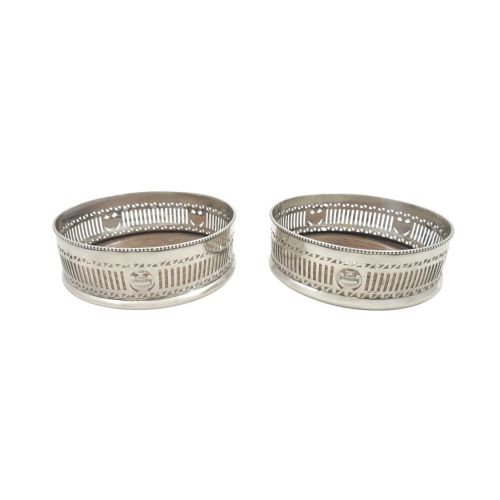
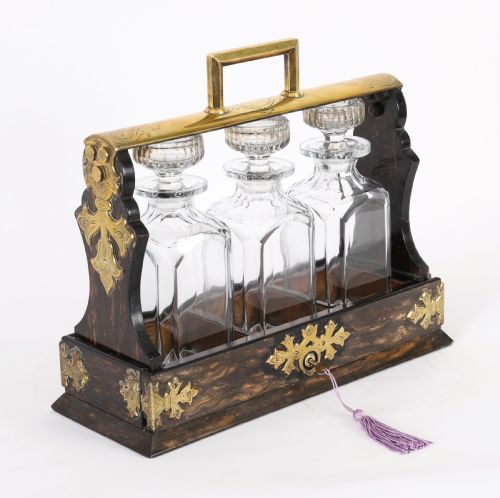
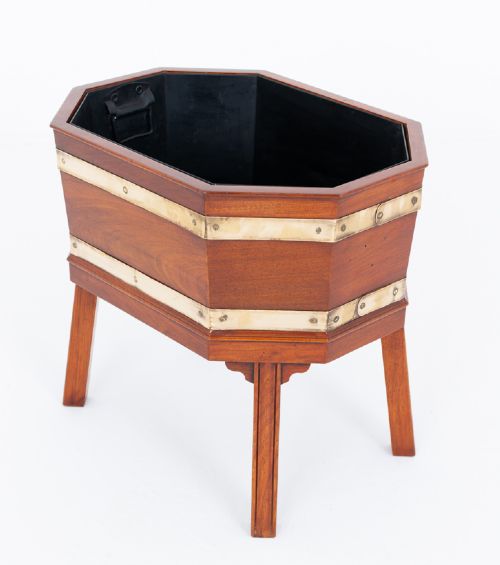
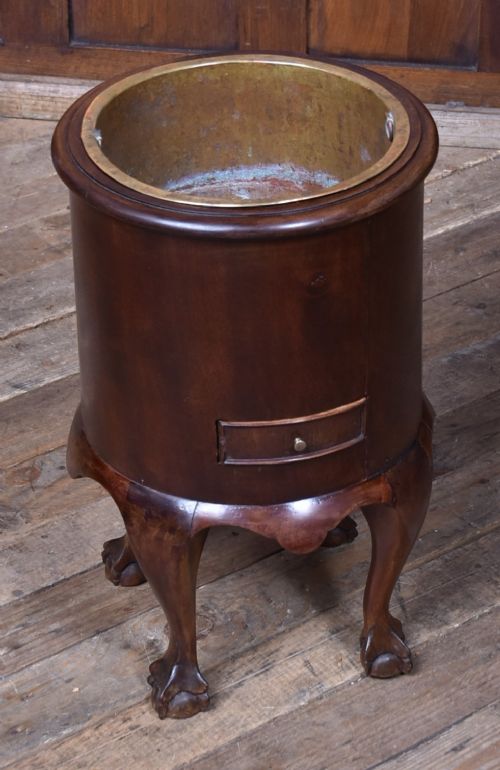
The most common forms you will encounter here include tantalus sets, bottle coasters, and wine coolers. These objects range from heavy oak after-dinner tantalus cabinets to mahogany wine coolers and pairs of silver-mounted bottle coasters.
Originating primarily from English and French workshops, these items reflect the social rituals of nineteenth and early twentieth-century dining. They combine functional storage for spirits and wine with decorative craftsmanship suitable for a sideboard or drinks trolley.
What varies in quality
The distinction between standard pieces and the finest examples lies in the execution of the woodwork and the matching of components. Superior items feature crisp marquetry inlay, tightly fitted locking bars, and robust framing that securely holds heavy glass decanters.
Material integration also separates the tiers of production. Higher quality items use heavy gauge silver plate or sterling silver mounts alongside deeply hand-cut crystal, whereas simpler pieces rely on basic turned wood and minimal metal detailing.
The selection includes Edwardian and Victorian tantalus sets alongside French Art Deco novelty cocktail stick collections.
Sudre·John and Thomas Settle
The Wooden Barware Stand Glossary
- Tantalus
- A locking drink cabinet that holds decanters securely within a wooden frame while displaying the contents. The mechanism prevents guests from pouring spirits without a key.
- Bottle Coaster
- A small circular dish designed to hold a wine bottle and protect the table surface from moisture. These often feature wooden bases fitted with silver-plated or sterling silver rims.
- Marquetry
- Decorative woodwork created by fitting contrasting veneers into a prepared wooden surface. This technique is frequently seen on Victorian and Edwardian furniture and barware stands.
- Old Sheffield Plate
- An early method of fusing a thin sheet of silver to a thicker copper base. It is identified by subtle copper showing through wear points on older items.
- Old Sheffield Plated
- An alternative term for items produced using the fused silver and copper technique. This method predates modern electroplating.
Wooden Barware Stand: Frequently Asked Questions
What is a tantalus?
A tantalus is a locking barware stand that holds decanters in place with a metal security bar. The design prevents unauthorized access to the spirits while displaying the bottles.
Most examples feature a wooden base fitted with a handle and a lockable top strap. They became popular in the Victorian period for after-dinner entertaining.
How do I use a bottle coaster?
Bottle coasters sit on the dining table to hold wine bottles and prevent condensation rings on wooden surfaces. They can be slid across the table between guests.
Many period examples feature baize or felt on the underside to protect polished mahogany or oak tabletops from scratches.
How do I date a wooden barware stand?
Dating depends on the combination of wood types, metal plating techniques, and stylistic markers. Victorian and Edwardian pieces often use oak with silver plate, while Georgian items favour mahogany and older silver methods.
Maker marks on silver mounts or structural joinery methods also help narrow down the period of manufacture.
Are the decanters original to the tantalus?
Decanters were frequently matched to their wooden frames during manufacture, but replacements occurred over time due to breakage. Checking if the cut crystal pattern matches across all bottles provides a good indication.
Fit is another indicator, as original decanters slide precisely into the wooden base partitions designed specifically for them.