



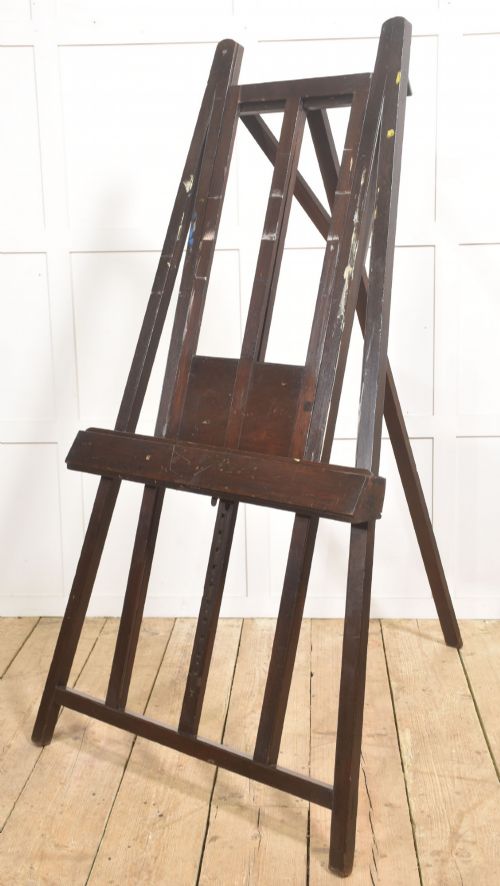

Wooden Artist Stand
A wooden artist stand offers a sturdy practical support for painting and drawing, ranging from heavy studio models to compact display pieces.
Wooden Artist Stand
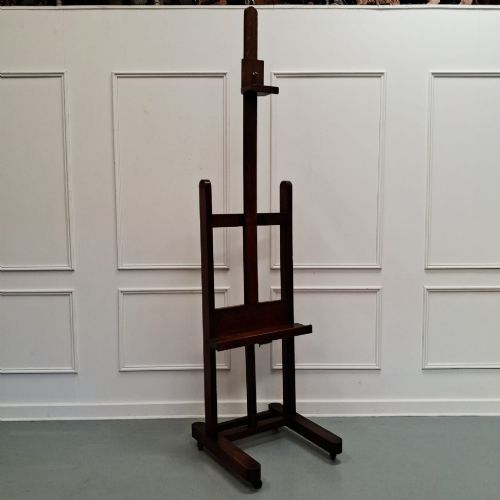
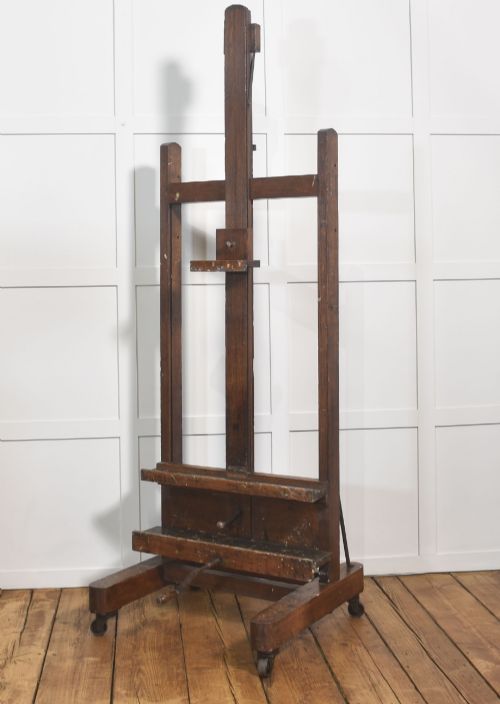
A wooden artist stand covers studio easels, folio stands, and sculptors stands designed for working or displaying pictures. When exploring a wooden artist stand, you will encounter substantial nineteenth century studio models alongside compact tabletop versions.
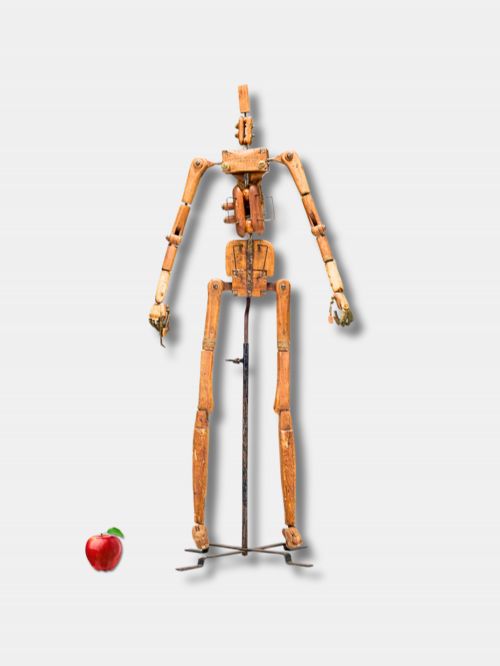
The selection includes specialised forms such as double sided gallery pieces, architectural picture racks, and life-size lay figure supports. Oak and mahogany dominate the larger studio formats, while pine and walnut appear in specific regional or stylistic variations.
Materials and construction methods
Construction relies heavily on hardwoods like oak and mahogany, complemented by pine, walnut, and occasional cast iron adjustment fittings. Joinery techniques prioritize stability under heavy canvases, utilising robust framing and mechanical adjustment screws.
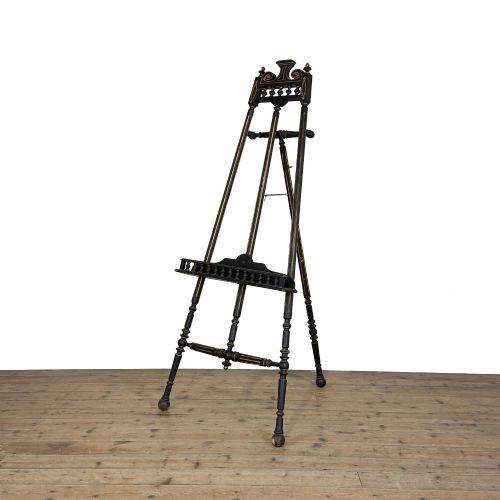
Surfaces exhibit traditional finishes, from ebonised treatments and polished mahogany to painted pine and natural waxed oak. Brass fittings and metal ratchets provide the necessary functional movement for height and angle manipulation.
Wooden Artist Stand Retail Price Guide 2026
Typical asking prices for wooden artist stand among the pieces listed under this phrase on Sellingantiques today, from the lower quarter to the upper quarter. They describe what is for sale here now, not the wider market.
Studio furniture formats include double sided gallery easels, architectural picture racks, and revolving sculptors stands alongside standard domestic models.
Assessing build quality and execution
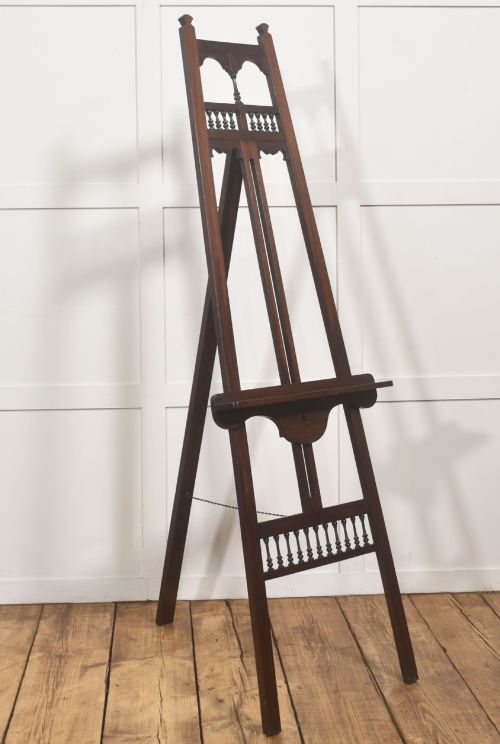
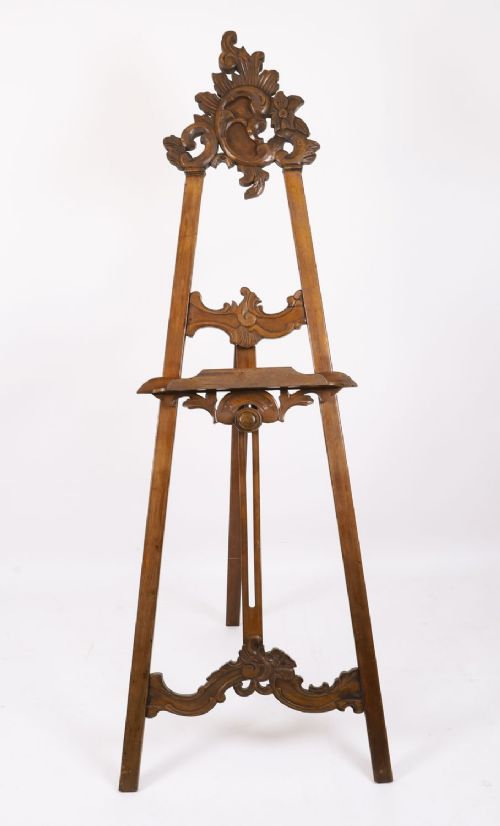
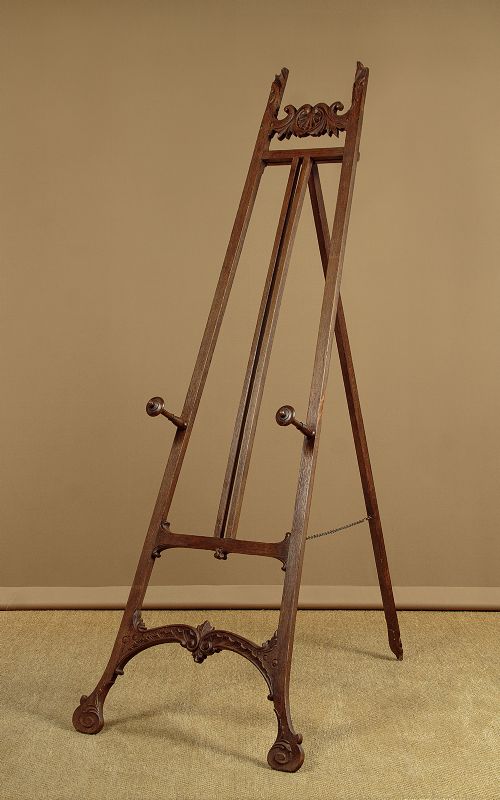
Carved ornamentation and timber selection further distinguish workshop standards, shifting from utilitarian pine frames to richly figured walnut and mahogany structures with intricate stylistic details like Rococo Revival or Aesthetic Movement motifs.
Windsor and Newton·Francois-pierre Guillois
The Wooden Artist Stand Glossary
- Studio easel
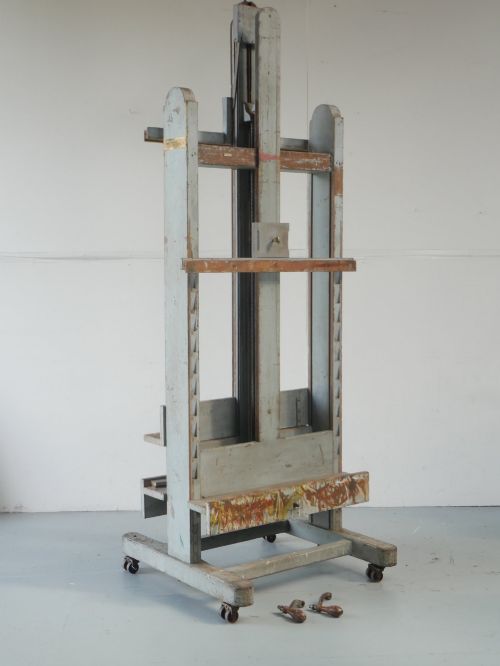
- A heavy floor-standing wooden frame designed to hold large canvases securely during the painting process. These pieces often feature adjustable heights and heavy wheeled bases for mobility.
- Folio stand
- A low rack with folding sides utilised for storing and displaying large flat works on paper, prints, or architectural drawings. These are frequently encountered in mahogany and walnut.
- Sculptors stand
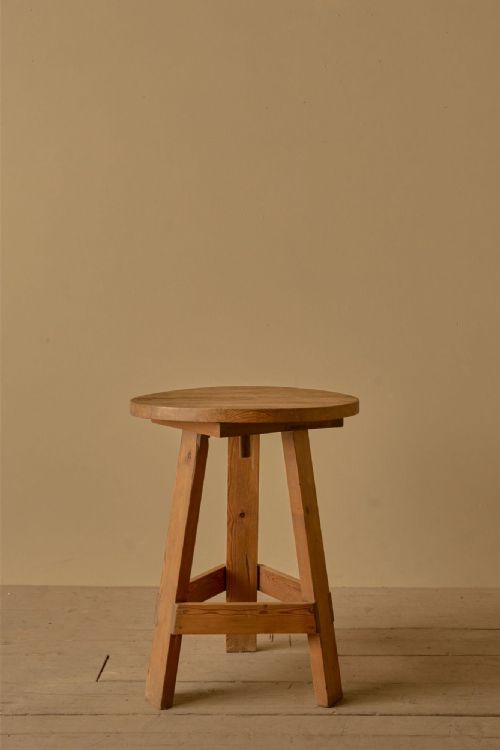
- A heavy revolving platform used primarily for supporting clay models and three-dimensional works in progress. They often combine timber tops with robust iron or cast iron operational bases.
- Chevalet
- An alternative term for an artist easel, frequently associated with decorative continental European designs. These pieces often incorporate elaborate carving and styling.
- Lay figure
- An articulated wooden mannequin utilised by artists for studying drapery and human anatomy. They are mounted on specialised stands for stability.
Wooden Artist Stand: Frequently Asked Questions
What is a studio easel used for?
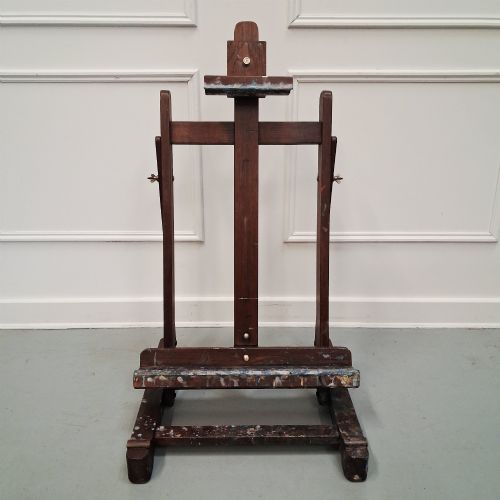
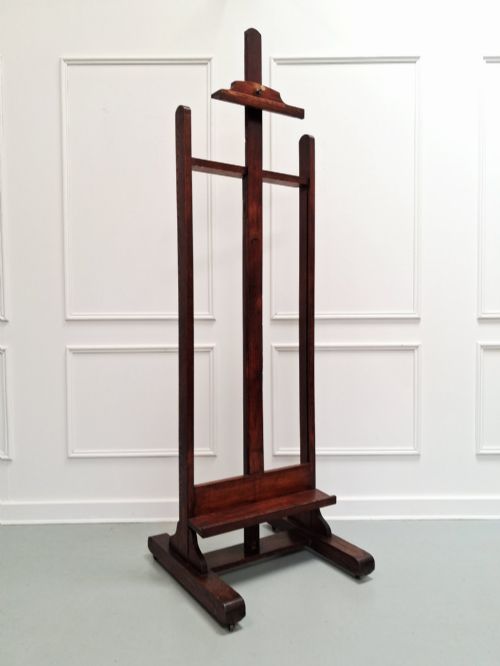
A studio easel supports large canvases at a comfortable working height for painters in a workshop setting. These substantial wooden frames hold heavy works steady during long periods of execution.
They also function effectively in galleries for displaying finished paintings to prospective buyers. Their robust construction allows them to handle significant weight without wobbling.
How do folio stands work?
Folio stands provide an open horizontal or angled rack specifically for large portfolios, prints, and maps. The hinged sides expand to support bulky collections for easy browsing.
They allow artists and collectors to store works safely away from direct light while maintaining quick access. Many feature folding cross-frames for convenient storage when not in use.
Are sculptors stands adjustable?
Many sculptors stands include mechanical screw or ratchet mechanisms to alter the working height. The top platform typically rotates to allow all sides of a piece to be worked on evenly.
Their heavy construction prevents tipping when supporting dense materials like wet clay or plaster. The combination of timber and iron provides the necessary counterbalance.
How do I identify nineteenth century pieces?
Nineteenth century examples generally reveal their age through traditional timber preparation, hand-cut joinery, and patinated surfaces. Look for period-specific brass hardware and mechanical ratchets characteristic of the era.
Stylistic indicators such as Aesthetic Movement ebonising or Rococo Revival carving also point directly to nineteenth century production dates. Makers' stamps on the timber frame provide the most definitive chronological anchor.