




Wooden Art Doll
These wooden art doll pieces are carved figures and miniature furnishings reflecting diverse folk traditions from various centuries.
Wooden Art Doll
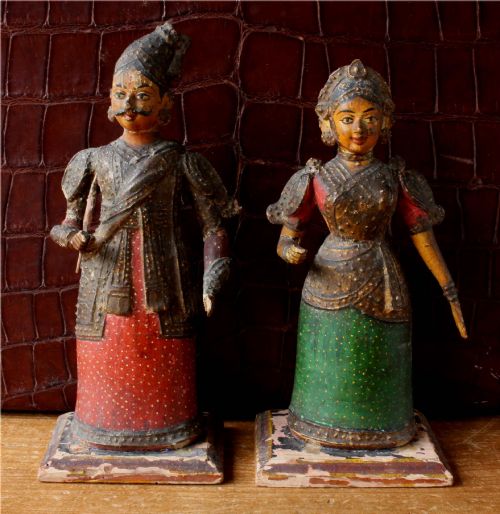
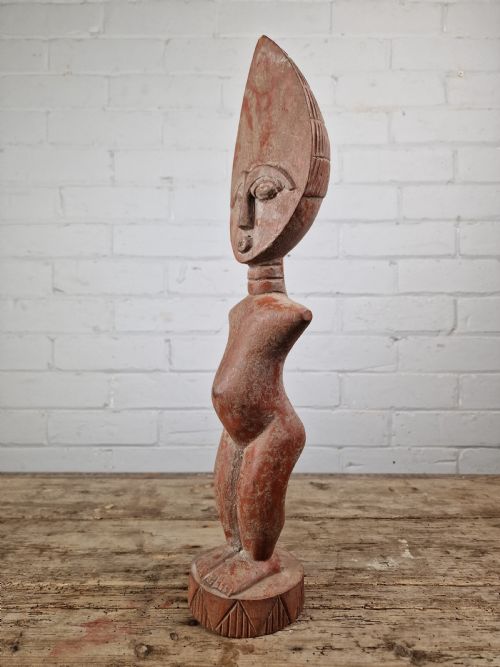
When you search for wooden art doll, you find an eclectic mix of carved figures, religious statues, and miniature furniture spanning multiple centuries. The selection encompasses diverse stylistic origins ranging from English folk art and American folk art to African tribal pieces and Spanish colonial works.
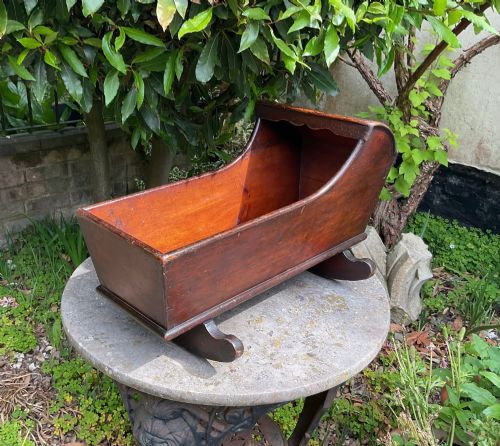
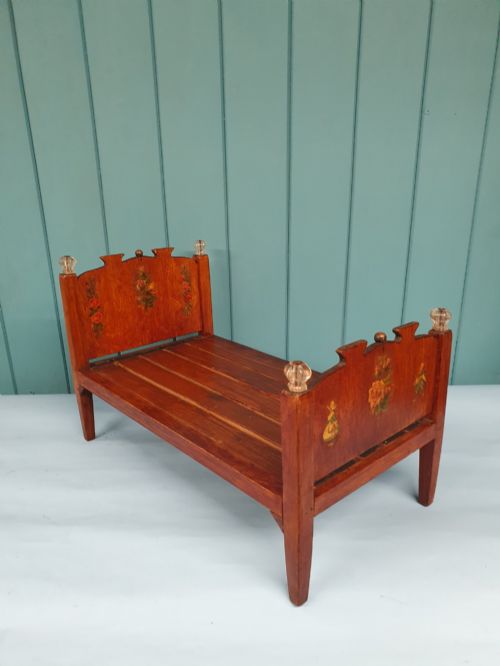
You are most likely to meet 19th-century figures alongside early 20th-century jigger dolls complete with top hats and tails. Miniature pine doll cradles and toy beds also appear frequently among the listings.
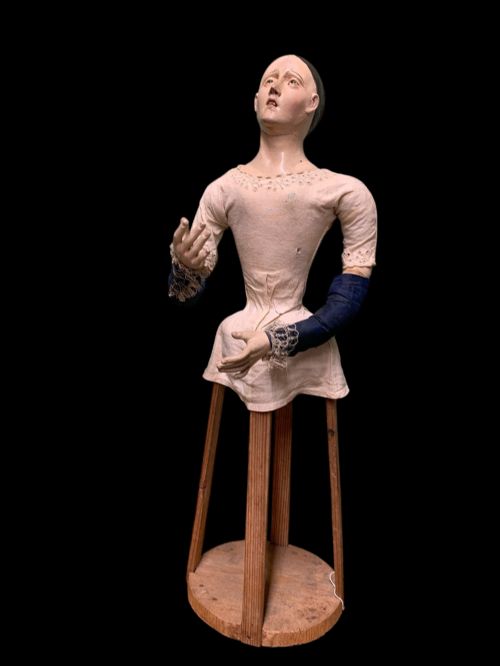
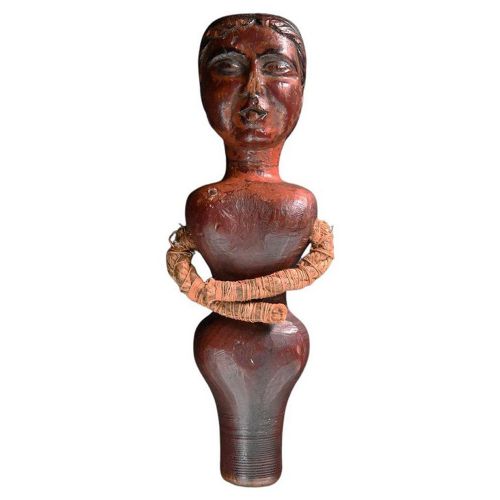
The objects bridge domestic playthings and devotional items, uniting items like Italian Santos processional figures with simple folk art bedpost carvings. Each piece carries the distinct character of its regional and temporal origin.
How they were made
Metal components and glass occasionally appear as functional elements or embellishments, particularly in religious figures and jointed mechanical items. Surface treatments range from simple painted finishes to elaborate layered gesso.
Wooden Art Doll Retail Price Guide 2026
Typical asking prices for wooden art doll among the pieces listed under this phrase on Sellingantiques today, from the lower quarter to the upper quarter. They describe what is for sale here now, not the wider market.
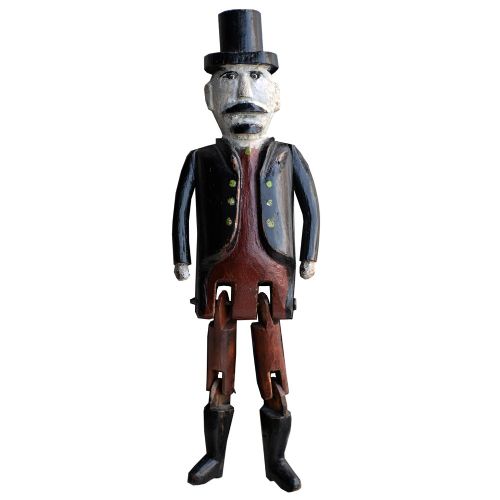
Early twentieth-century jigger dolls arrive dressed for success in miniature top hats and tailcoats, ready to dance.
What varies in quality
The degree of carving expression and fine detail distinguishes standard utility pieces from more refined sculptural examples. Handling wear and surface preservation also influence the visual impact of the original paint and gesso.
Authenticity of regional materials and the sophistication of the mechanical joints in jigger dolls reveal the maker's underlying skill. Proportion and balance in miniature furniture reflect the care taken during initial construction.
The Wooden Art Doll Glossary
- Santos figure
- A carved religious statue representing a saint, traditionally used in processions or domestic shrines. These often feature wooden cores covered in gesso and painted finishes.
- Jigger doll
- A mechanical folk toy designed to dance or jig when placed on a vibrating surface. They typically date from the early twentieth century and wear distinctive attire like top hats.
- Folk art
- Utilitarian or decorative objects created by self-taught or traditional artisans. These pieces prioritise practical function or expressive character over academic precision.
- Gesso
- A plaster-like mixture applied to wooden surfaces to create a smooth base for painting. It provides a durable ground for fine surface decoration.
- Pine
- A softwood commonly utilised in the construction of historic doll furniture and cradles. It offers a workable medium for simple regional carpentry.
Wooden Art Doll: Frequently Asked Questions
What is a jigger doll?
A jigger doll is an articulated wooden toy designed to move and dance when placed on a responsive surface like a board or table. They date predominantly to the early twentieth century and often wear detailed miniature garments such as tailcoats.
These pieces were used for entertainment in domestic settings, relying on manual vibration to animate the joints. Collectors appreciate them for their quirky mechanical nature and handmade charm.
How old are these wooden figures?
The pieces span from the Georgian era through the nineteenth century and into the early twentieth century. Each period exhibits distinct stylistic traits and regional carving techniques.
Material analysis and construction methods help indicate the approximate age of individual items. Wear patterns and original surface finishes also offer clues to their historic origins.
What is a Santos figure?
A Santos figure is a carved devotional statue originating from religious traditions, notably Italian and Spanish colonial contexts. These figures were utilised in processions or domestic prayer spaces.
They are constructed from wood and frequently coated in gesso before being painted. Their presence reflects the intersection of religious devotion and folk craftsmanship.
How should I display miniature beds?
Miniature doll beds and cradles can be displayed on tabletops or within dedicated cabinet spaces as standalone decorative objects. Their small scale allows them to fit easily into various room settings.
Keep them away from direct sunlight and extreme humidity to protect the aged pine and historic paint surfaces. Gentle dusting with a dry cloth is sufficient for ongoing maintenance.