

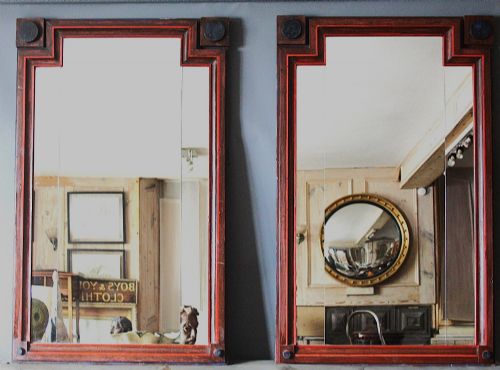


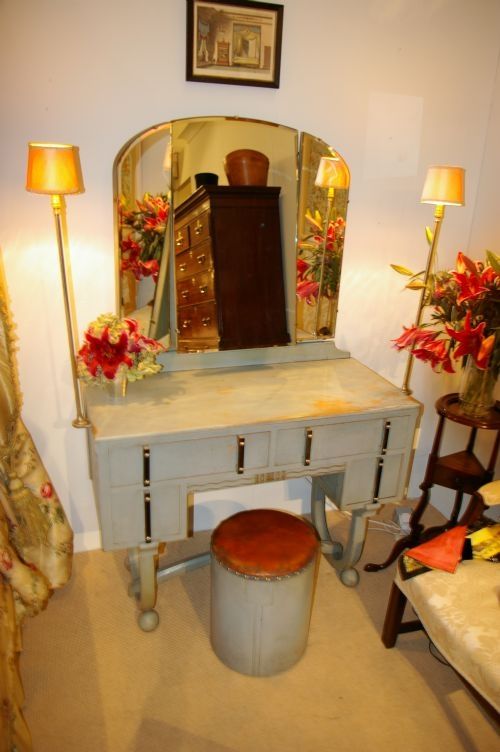


Wooden Art Deco Mirror
A wooden art deco mirror brings architectural geometry and period warmth to a room.
Wooden Art Deco Mirror
When you search for a wooden art deco mirror, you encounter pieces defined by geometric framing, clean lines, and architectural presence. The selection spans straightforward wall hangings to complex designs featuring stepped arches and flanking panels.
Beyond standard wall mirrors, the category encompasses cheval dressing mirrors and specialised forms like Odeon designs. These pieces draw on French Art Deco and British craftsmanship to deliver strong visual character.
How they were made
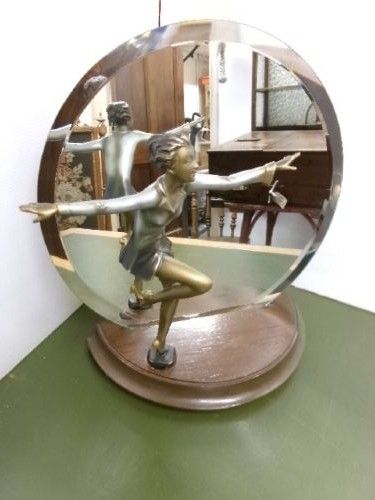
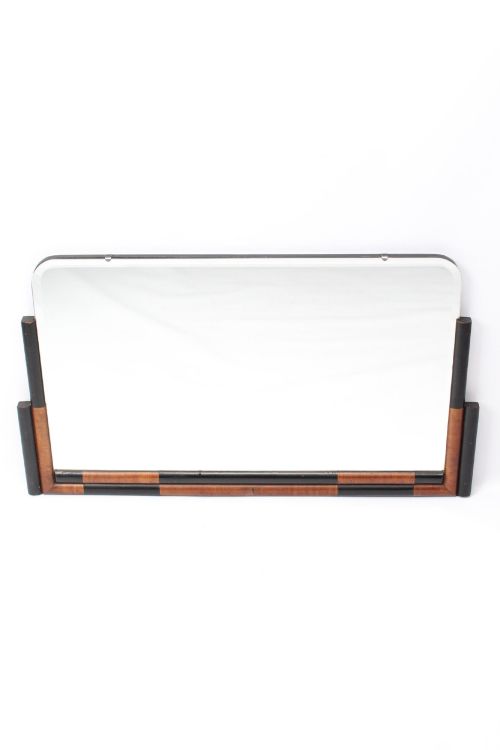
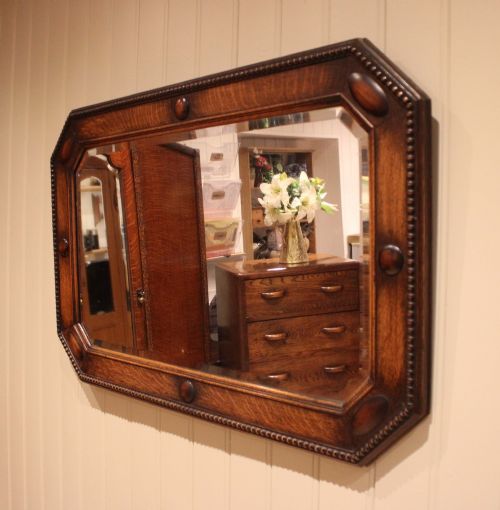
Makers constructed these frames using solid timbers and veneers such as walnut, oak, and burr oak, frequently combining them with ebonised details or painted accents. The woodwork often supports bevelled glass, coloured mirror panels, and occasionally marquetry or silver-gilt work.
Structural integrity relies on original wooden backs and secure hanging chains, with decorative metal elements like brass and spelter integrated into the design. Specialised techniques include segmented glass cutting for fan or arched top formations.
Wooden Art Deco Mirror Retail Price Guide 2026
Typical asking prices for wooden art deco mirror among the pieces listed under this phrase on Sellingantiques today, from the lower quarter to the upper quarter. They describe what is for sale here now, not the wider market.
One cheerful mirror once did duty in a gents' outfitters before finding a second life on the open market.
What varies in quality
The sophistication of the timber selection and the complexity of the glass work distinguish finer examples from simpler production. Subtle grain matching in walnut or oak veneer elevates the visual weight of the frame.
Artisanal involvement, such as specialist marquetry panels or custom coloured glass detailing like amber and peach sections, separates standard mirrors from exceptional signed workshop pieces.
Heals·A.J Rowley·Rowley Gallery
The Wooden Art Deco Mirror Glossary
- Cheval mirror
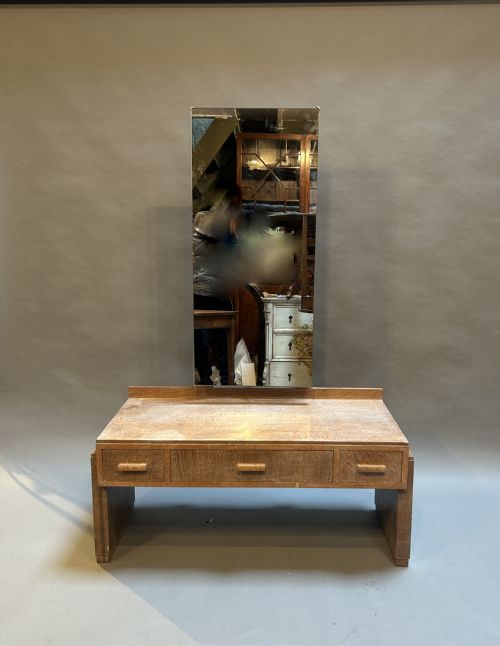
- A full-length floor mirror mounted on a swivel frame between two upright pillars, allowing the glass to tilt. These frequently appear in dressing rooms and outfitters.
- Marquetry
- The art of applying pieces of veneer to a structure to form decorative patterns and pictorial designs. This technique appears in specialist wall mirrors and cabinet work.
- Bevelled glass
- Glass with an angled, polished edge cut around the perimeter to catch and refract light. It adds depth and a finished appearance to period mirrors.
- Spelter
- A zinc alloy frequently cast into sculptural figures and decorative mounts during the period. It was often painted or patinated to resemble bronze.
Wooden Art Deco Mirror: Frequently Asked Questions
How do I hang a heavy wooden mirror safely?
Most period mirrors rely on an original wooden backing and a sturdy hanging chain attached to the frame. Ensure your wall fixings match the weight of the timber and glass.
Distribute the load evenly across solid wall anchors to protect the original construction and maintain stability.
What woods were used in art deco mirrors?
Makers predominantly utilised walnut and oak, often selecting figured veneers to create striking grain patterns across the frame. Ebonised wood and paint also appear as contrasting details.
These timbers reflect the shift towards rich, tactile materials in interior design during the interwar decades.
Are coloured glass panels original to these mirrors?
Many mirrors feature pink, blue, amber, or peach glass panels arranged around a central clear plate. These coloured sections are typical of 1920s and 1930s aesthetic preferences.
They contribute to the geometric styling and provide the characteristic layered colouration found in period pieces.
How do I date a wooden art deco mirror?
Dating relies on stylistic markers such as stepped Odeon arches, fan shapes, and the integration of coloured glass. Construction methods like original wooden backs offer further chronological clues.
Most examples date between the 1910s and 1930s, reflecting changing tastes from early century forms to high deco modernism.