

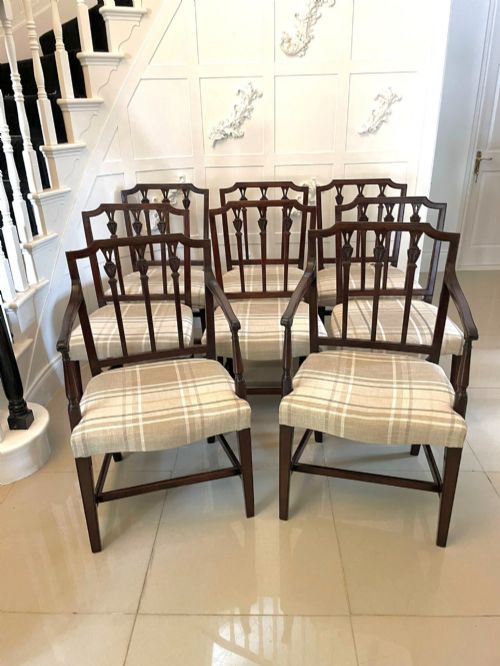
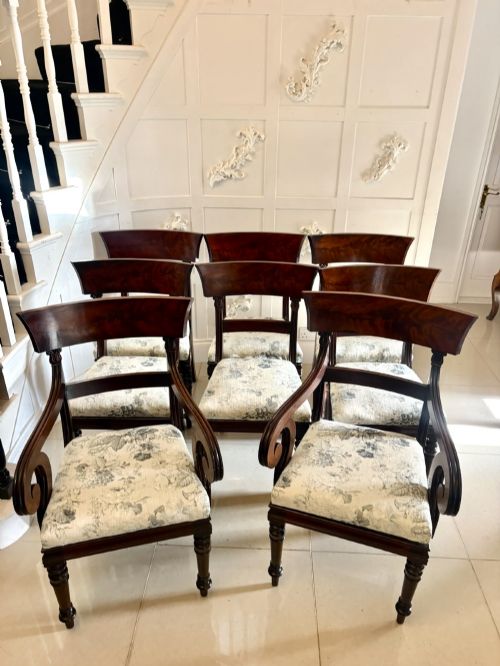
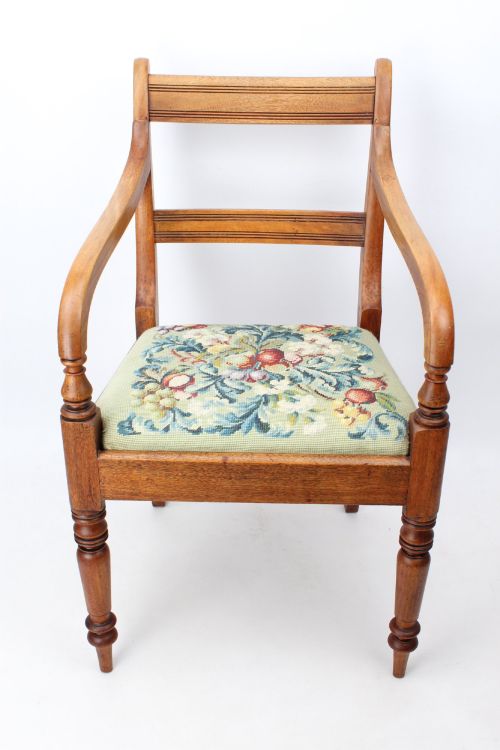
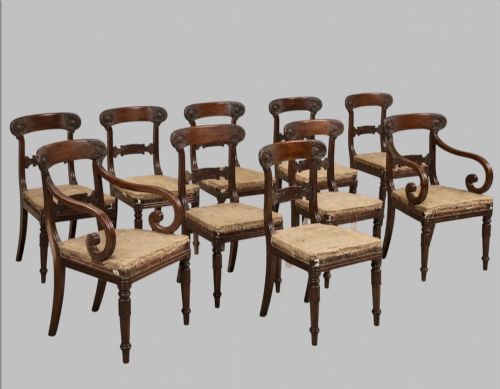
Wooden Armchairs and Side Chairs
These wooden armchairs and side chairs span centuries of domestic seating, offering solid timber frames and varied regional forms to anchor any room.
Wooden Armchairs and Side Chairs
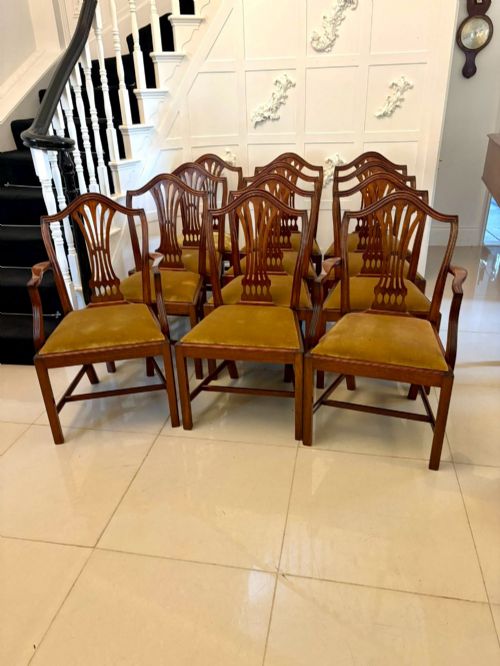
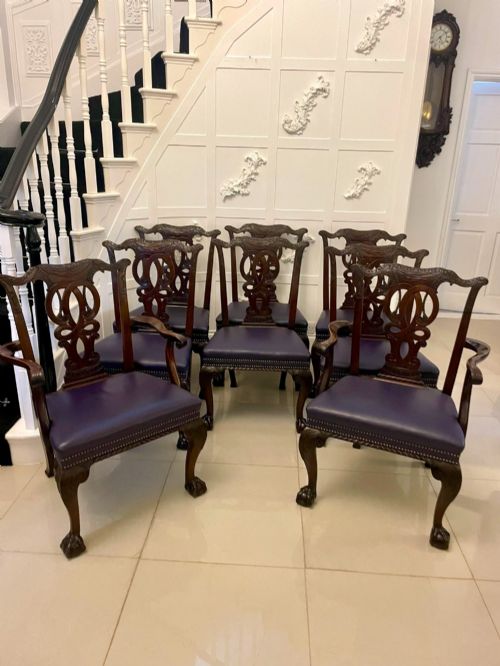
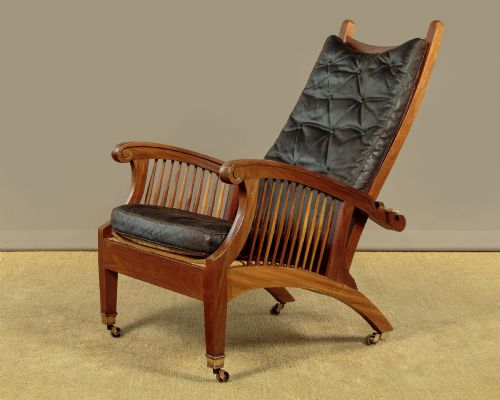
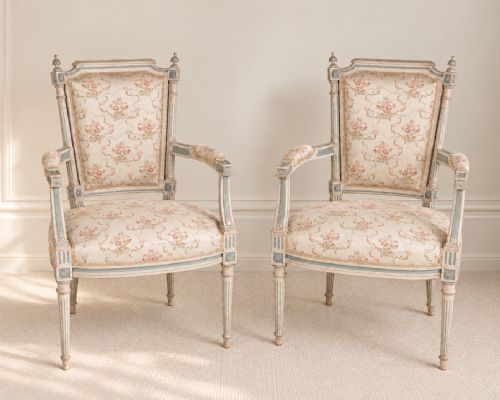
Wooden armchairs and side chairs encompass diverse seating forms ranging from formal dining sets to individual salon pieces and library chairs. The selection draws on periods from the Georgian era through Victorian, Edwardian, and Regency times, alongside later revival styles.
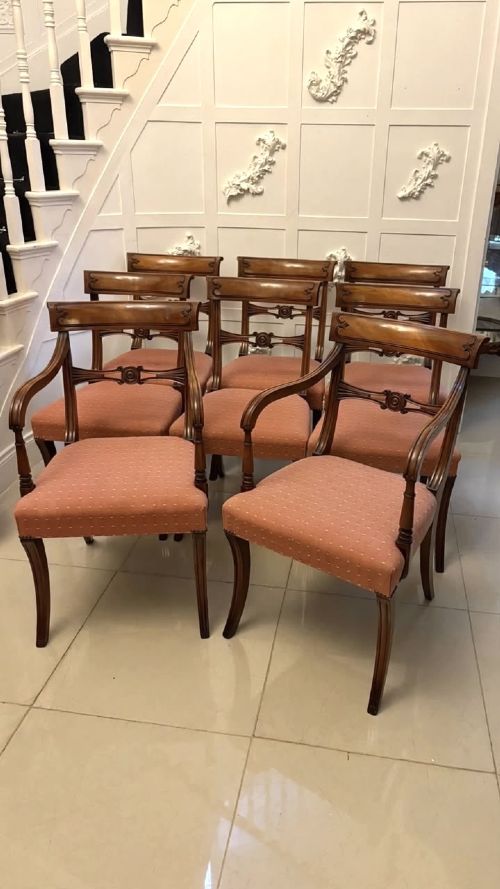
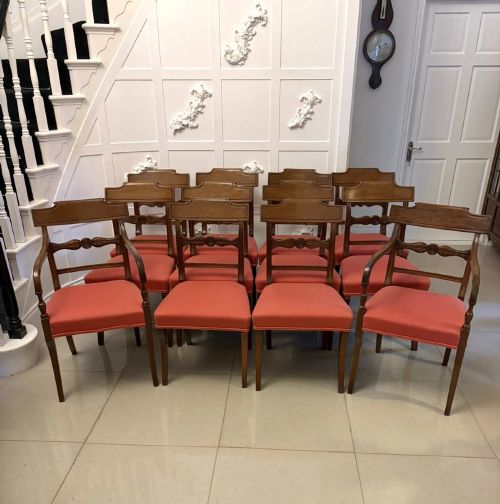
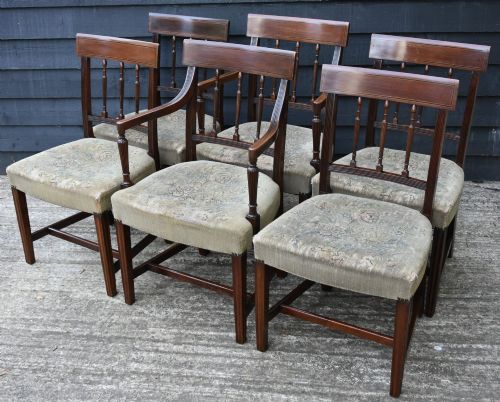
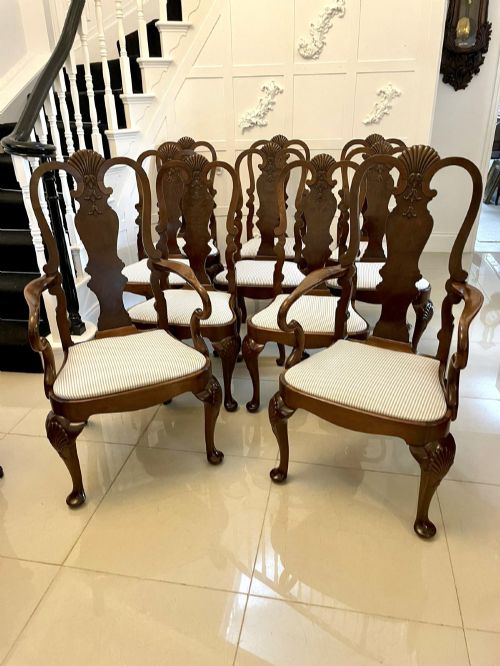
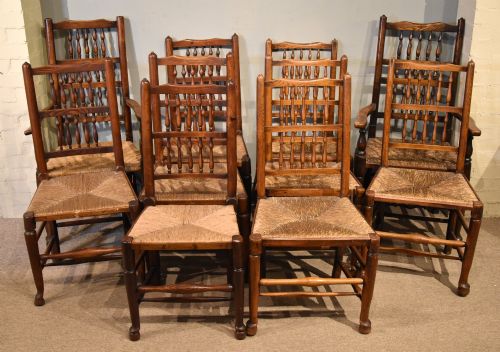
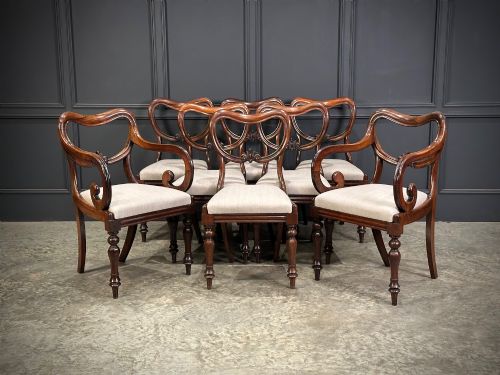
Buyers frequently encounter mahogany dining chairs offered in large sets, alongside occasional chairs, spindle backs, and robust country seating in oak, elm, or ash. Individual armchairs and carvers appear alongside sets designed for formal dining rooms and morning rooms.
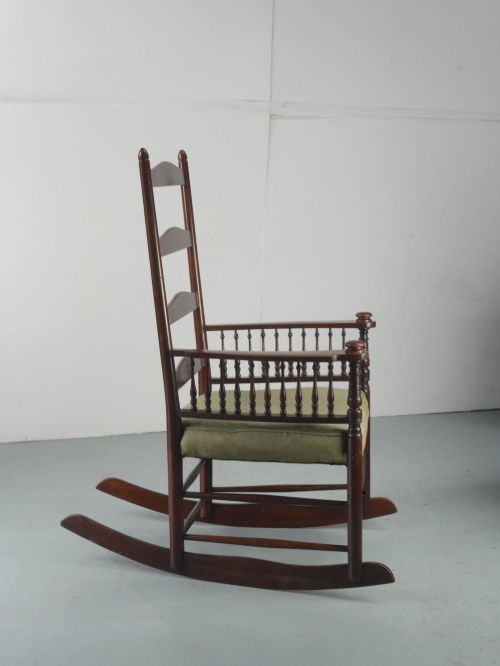
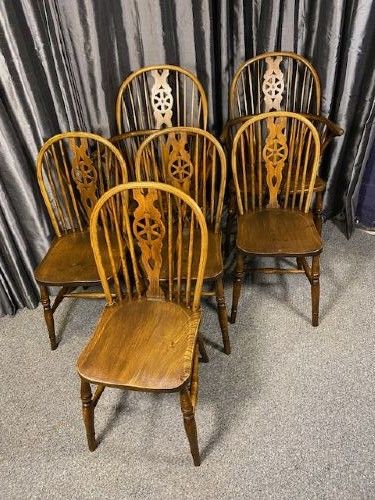
Forms include Windsor chairs, shield backs, open armchairs, and hall chairs displaying regional variations and stylistic revivals. These pieces serve daily seating needs while carrying the distinct aesthetic markers of their respective decades.
How they were made
Cabinet makers utilised dense hardwoods such as mahogany, walnut, rosewood, and oak for formal seating, while country makers employed elm, ash, and beech for Windsor and spindle back designs. Frames frequently incorporate carved details, turned legs, and curved crest rails.
Upholstered elements rely on traditional textiles including fabric, leather, and velvet, sometimes paired with rush seating on country ladder backs and spindle chairs. Secondary woods and structural joints reflect the standard joinery techniques of each period, from Georgian cabinet work to bentwood production.
Wooden Armchairs and Side Chairs Retail Price Guide 2026
Typical asking prices for wooden armchairs and side chairs among the pieces listed under this phrase on Sellingantiques today, from the lower quarter to the upper quarter. They describe what is for sale here now, not the wider market.
Grotto style carvers bring the seaside indoors with shell-carved woodwork that lets guests sit like Neptune without getting wet.
What varies in quality
The degree of hand-carved detail and the selection of timber figure, such as flame mahogany or satinwood, distinguish standard seating from exceptional examples. Timber selection dictates the weight and visual depth of the frame.
Originality of surface finish and the integrity of frame construction separate untouched examples from heavily restored or assembled sets. Cohesion across a large dining set indicates whether the chairs were born together in a single workshop.
Thonet·Philip Webb
The Wooden Armchairs and Side Chairs Glossary
- Carver
- An armchair designed to match a set of dining side chairs, typically placed at the head of the dining table.
- Yokeback
- A style of chair back featuring a curved top rail reminiscent of a traditional ox yoke, seen in Chinese elm seating.
- Shield back
- A chair back shape resembling the outline of a heraldic shield, popularised during the late eighteenth century and later revival periods.
- Rush seat
- A seating surface woven from dried marsh rushes, commonly found on country spindle back chairs and ladder backs.
- Bentwood
- Timber heated with steam and bent into curved structural forms, characteristic of late nineteenth and early twentieth century production.
Wooden Armchairs and Side Chairs: Frequently Asked Questions
How do I spot a true Georgian chair?
Examine the timber density and the hand-carved details on the splat and crest rail, which show crisp tool marks absent in later machinery.
Check the structural joinery underneath, where pegged joints and native secondary timbers indicate eighteenth-century workshop practices.
Can I mix armchairs with side chairs?
Mixing carvers and single side chairs follows historical dining room layouts where armchairs sat at the table ends while side chairs lined the sides.
Ensure the timber tone and period style align closely so the seating arrangement maintains visual harmony around the table.
How do I care for antique wood chairs?
Keep wooden frames away from direct heat sources and sudden temperature shifts to prevent the timber from splitting or joints from loosening.
Apply microcrystalline wax periodically to nourish the surface patina and protect the exposed mahogany, oak, or walnut.