





Wooden Architectural Model
These wooden architectural model pieces offer scaled representations of buildings, shrines, and structures, bringing historic craftsmanship and design directly into your collection.
Wooden Architectural Model
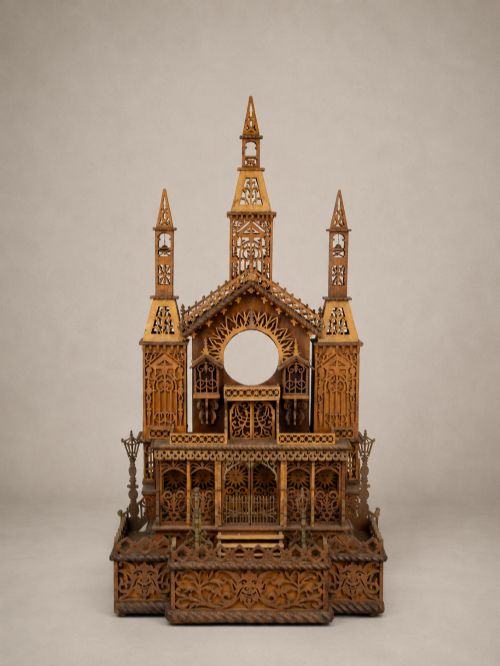
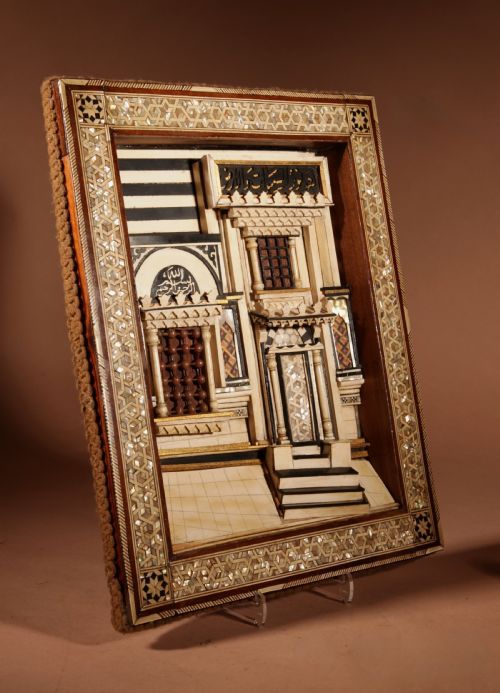
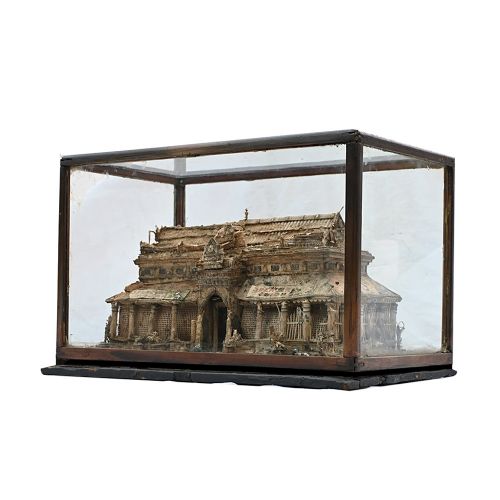
A wooden architectural model encompasses everything from detailed church carvings and historic shrines to folk art houses and structural dioramas. When exploring this selection, buyers frequently encounter pieces spanning the eighteenth, nineteenth, and early twentieth centuries, reflecting diverse global building traditions.
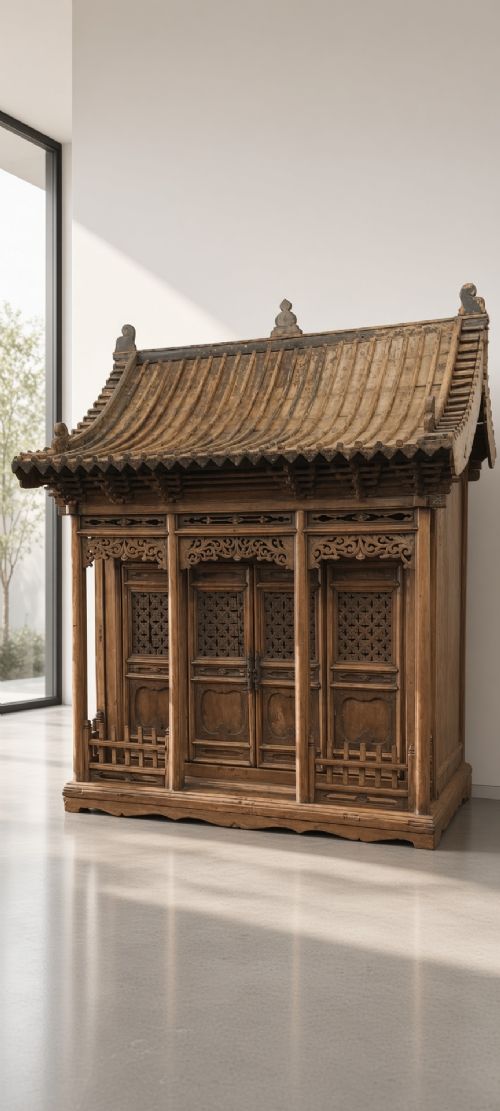
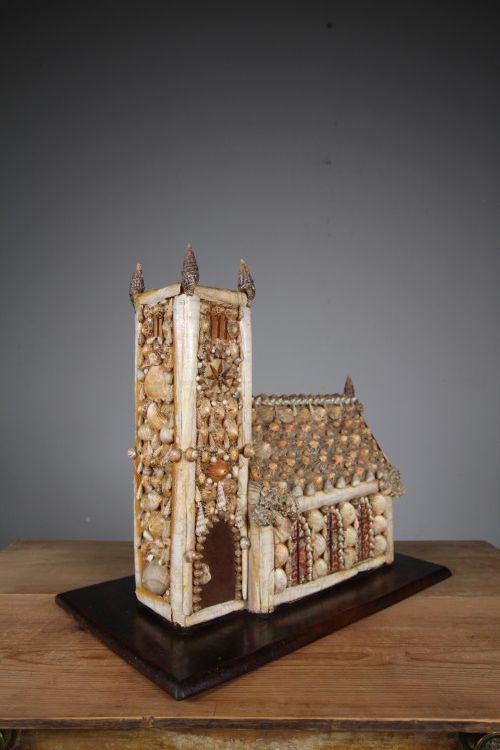
The objects take many forms, including intricate gothic churches, Moorish relief dioramas, Chinese shrines, and vernacular folk art creations made from materials like matchsticks or pine. Each survivor demonstrates how makers interpreted real or imagined structures through miniature carpentry and joinery.
Origins range across English, American, Chinese, and Dutch traditions, offering varied stylistic influences from Gothic Revival to Moorish Revival and Chippendale designs. These works serve as tangible records of historical building forms and decorative arts.
Materials and construction techniques
Construction relies heavily on traditional timber working, utilising pine, mahogany, and oak shaped through careful sawing, jointing, and carving. Many examples incorporate applied paint finishes, delicate fretwork, and auxiliary elements like brass, bone, glass, and paper to detail windows and interiors.
Specialised techniques distinguish different traditions, such as the intricate cork work found in certain dioramas, precision fretwork on clock cases, and vernacular assemblage seen in folk art models constructed from matchsticks. Secondary materials often highlight the specific function or decorative ambition of the miniature.
Wooden Architectural Model Retail Price Guide 2026
Typical asking prices for wooden architectural model among the pieces listed under this phrase on Sellingantiques today, from the lower quarter to the upper quarter. They describe what is for sale here now, not the wider market.
Listings feature models spanning the eighteenth century through to the early twentieth century, utilising pine, mahogany, oak, paint, brass, bone, glass, and paper.
Distinguishing quality across examples
The hierarchy of quality rests upon the precision of scale, the complexity of the architectural joinery, and the ambition of the original design. Finer pieces demonstrate rigorous adherence to historic proportions and sophisticated surface detailing, whereas simpler folk art examples rely on charming ingenuity and humble materials.
Condition and originality dictate standing, with preference given to models retaining their original painted surfaces, delicate fretwork, and structural integrity without heavy modern restoration. The sophistication of the carving and the clarity of the architectural style ultimately determine the distinction between ordinary workshop pieces and masterwork models.
W. Grey & Co·Liverpool Ship Building Co
The Wooden Architectural Model Glossary
- Fretwork
- Ornamental design created by cutting patterns through thin wood using a fretsaw. This technique appears frequently on decorative clock cases and architectural facades.
- Diorama
- A three-dimensional scene depicting a building front or interior space in miniature. These often incorporate layered materials like cork, paper, and painted wood.
- Gothic Revival
- An architectural style reviving medieval forms, characterised by pointed arches and ribbed vaults. This aesthetic appears on church models and ecclesiastical carvings within the listings.
- Half Hull Model
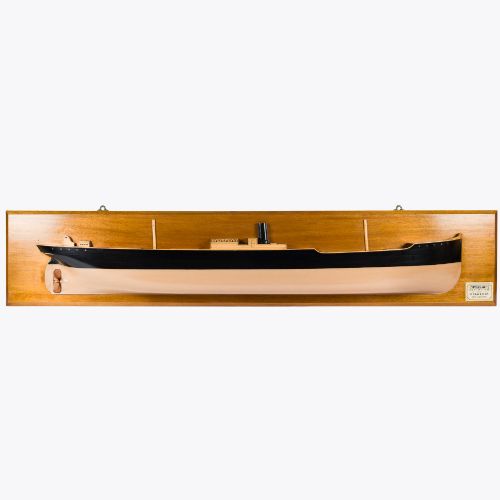
- A representation of one side of a ship hull mounted on a backboard, used historically for design and display. Examples are documented from nineteenth-century maritime workshops.
- Folk Art
- Objects created by self-taught makers using accessible materials such as pine or matchsticks. These pieces prioritise creative expression and personal interpretation over strict academic rules.
Wooden Architectural Model: Frequently Asked Questions
What is a wooden architectural model?
A wooden architectural model is a three-dimensional scaled representation of a building, church, shrine, or structural detail created by craftsmen, sailors, or folk artists.
These pieces capture historic building styles, ranging from precise academic studies to vernacular interpretations built from pine, mahogany, and alternative everyday materials.
How were these models used historically?
Historically, some models served as design proposals for builders or displays for shipyards and architects, while others functioned as devotional shrines, domestic ornaments, or folk art pastimes.
Many reflect the maker's personal interest in notable buildings like cathedrals or regional dwellings, translating large structures into portable miniature formats for display.
How should I display a model?
Display these fragile wooden structures on stable surfaces away from direct sunlight and dramatic humidity shifts to protect painted surfaces, delicate fretwork, and auxiliary materials like paper or bone.
Keeping them in stable room environments preserves the integrity of the historic timber and any intricate applied decoration.
How do I identify the period?
Dating relies on examining the timber species, construction methods, tool marks, and stylistic indicators such as Gothic Revival or Moorish Revival design motifs.
Comparing the structural details and materials to documented pieces from the eighteenth, nineteenth, or early twentieth centuries helps narrow down the probable era of creation.