



Wood Veneer Chest
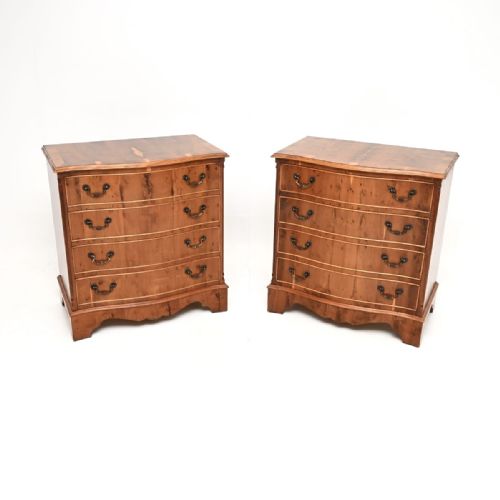
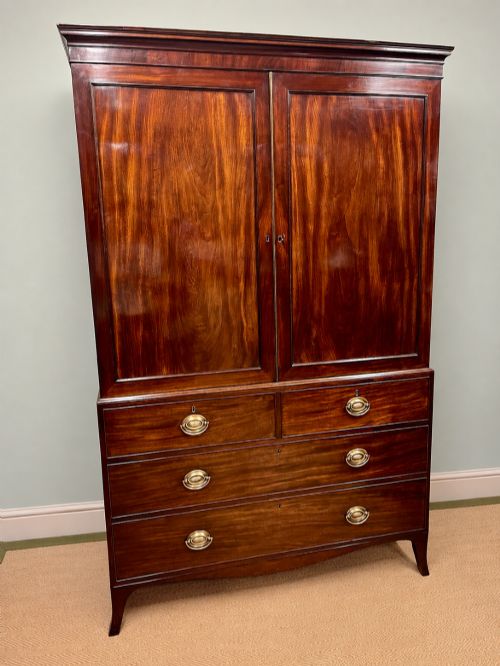
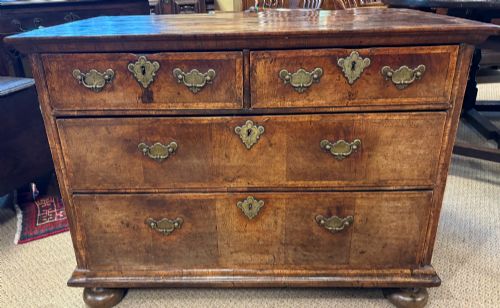
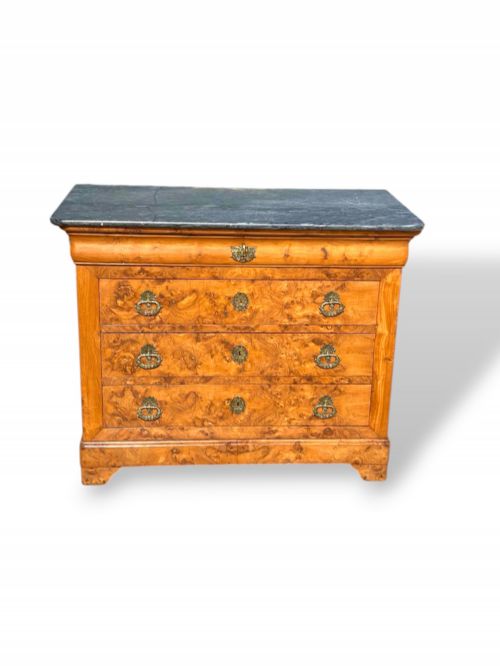
A wood veneer chest displays the natural grain of timbers like walnut, mahogany, and olive, offering pattern and texture on storage furniture.
Wood Veneer Chest
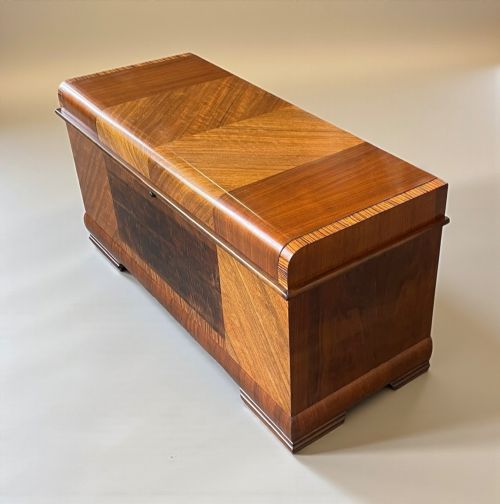
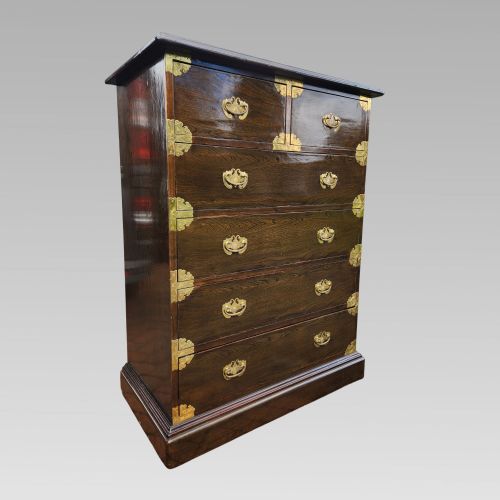
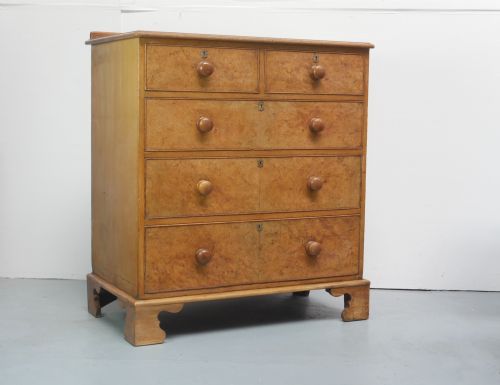
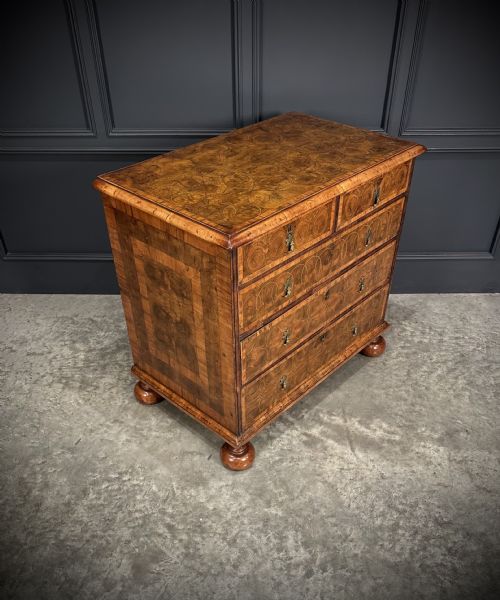
A wood veneer chest provides storage through drawers or compartments while displaying patterned timber surfaces across the front and top. Buyers seeking this phrase encounter pieces ranging from seventeenth-century oyster-cut cabinets to nineteenth-century commodes and twentieth-century modernist designs.
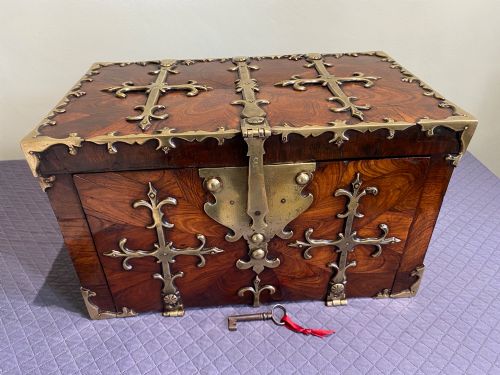
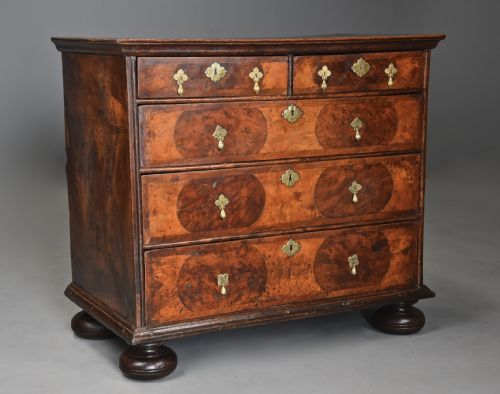
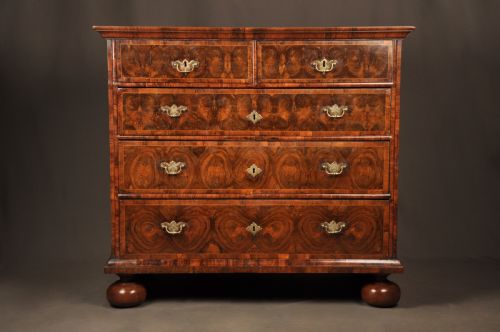
The selection includes tall chests of drawers, compact cabinets on stands, blanket boxes, and smaller tea caddies or collector boxes. Seventeenth-century examples often feature circular cross-sections of olive, laburnum, or yew wood arranged in geometric patterns.
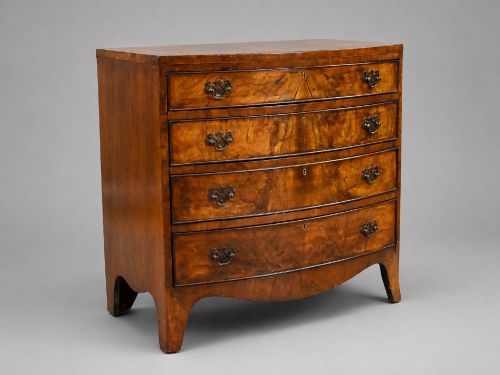
Later periods bring flame mahogany, burr ash, and figured walnut surfaces shaped into bow fronts or clean art deco lines. These pieces function as focal points in a room, utilising the natural figure of the wood rather than applied ornament.
How they were made
Cabinetmakers applied thin slices of decorative timber onto secondary structural woods like oak or pine to stabilise the carcase and display expensive grain patterns. Timbers such as kingwood, rosewood, and amboyna were sawn into thin leaves and laid down using animal protein glues.
Oyster cutting involved slicing small branches transversely to produce circular rings of grain, which workers arranged closely together across the surface. Featherbanding and crossbanding added contrasting borders around the main veneer panels using strips of boxwood or walnut.
Seventeenth-century makers turned humble tree branches into prized oyster patterns, proving that even a humble twig has star quality.
What varies in quality
Quality depends on the selection of the timber and the precision with which the grain patterns align across the drawers and carcase. Early pieces demonstrate tight, uniform oyster cutting and careful symmetry in the arrangement of burr or figured sections.
The integrity of the underlying foundation wood and the condition of the surface finish dictate how well the piece has survived centuries of atmospheric change. Superior examples retain their original drawer linings, backboards, and brass hardware without excessive intervention.
The Wood Veneer Chest Glossary
- Veneer
- A thin layer of figured wood applied to a solid secondary carcase to create decorative surfaces. This technique allowed makers to utilise scarce exotic timbers efficiently.
- Oyster veneer
- Circular pieces of wood cut across the branch to display annual growth rings resembling oyster shells. Cabinetmakers arranged these closely in geometric patterns during the seventeenth century.
- Crossbanding
- Border strips of veneer laid with the grain running perpendicular to the main panel. This frames the primary timber and adds visual definition to drawer fronts.
- Featherbanding
- Narrow banded inlay made by cutting veneers at an angle to produce a herringbone chevron effect. It often borders larger veneered surfaces on Georgian furniture.
- Parquetry
- Geometric mosaic work formed of small wood veneer pieces arranged in patterns. It creates tessellated designs across tabletops, drawers, and cabinet doors.
Wood Veneer Chest: Frequently Asked Questions
How do I clean a wood veneer chest?
Dust the surface regularly with a soft, dry cloth to prevent abrasive particles from settling into the grain. Avoid modern chemical polishes and silicone sprays, which can penetrate old finishes and soften the underlying animal glue.
Apply a microcrystalline wax sparingly once or twice a year to nourish the timber and protect the surface from moisture. Buff gently with a clean cloth to maintain a natural sheen without building up thick residue.
Can I put a veneer chest in direct sunlight?
Direct sunlight causes natural wood veneers to fade and alters the warm tones of species like mahogany, walnut, and kingwood. Ultraviolet rays break down historic finishes and dry out the timber, leading to shrinkage and splitting.
Position the chest away from south-facing windows or use UV-filtering window treatments to protect the surface. Rotating objects placed on top prevents uneven colour changes across the timber.
How do I tell seventeenth-century veneer from later work?
Seventeenth-century pieces typically employ thick, hand-sawn veneers applied to solid oak or pine carcases using hot hide glue. The grain patterns often feature oyster-cut olive, laburnum, or yew arranged in dense, repeating geometric fields.
Later nineteenth- and twentieth-century versions utilise machine-sawn veneers on different secondary woods like deal or mahogany. The underlying construction, drawer dovetailing, and tool marks help confirm the period of manufacture.
Are these chests suitable for everyday bedroom use?
Historic chests of drawers provide practical storage for clothing and linens, though drawer depths and internal configurations vary by period. Seventeenth-century and early eighteenth-century models often feature smaller proportions compared to later Victorian or Edwardian examples.
Maintain stable indoor humidity and temperature levels to prevent the wood and glue from reacting to seasonal changes. Placing cedar blocks inside helps protect stored textiles naturally.