

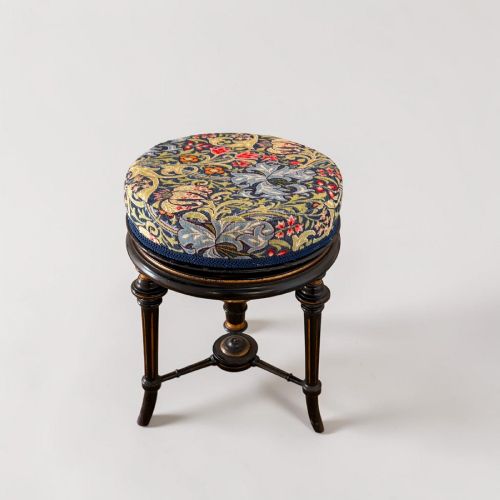
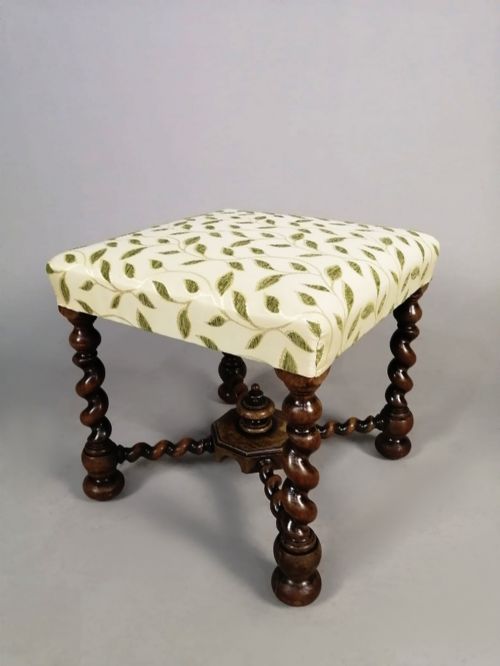
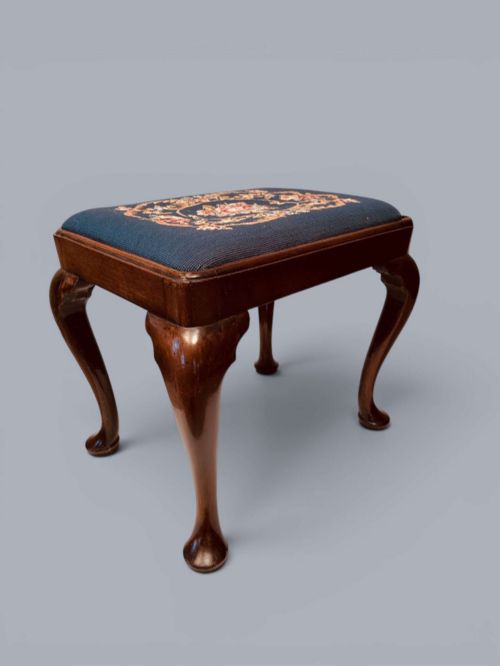
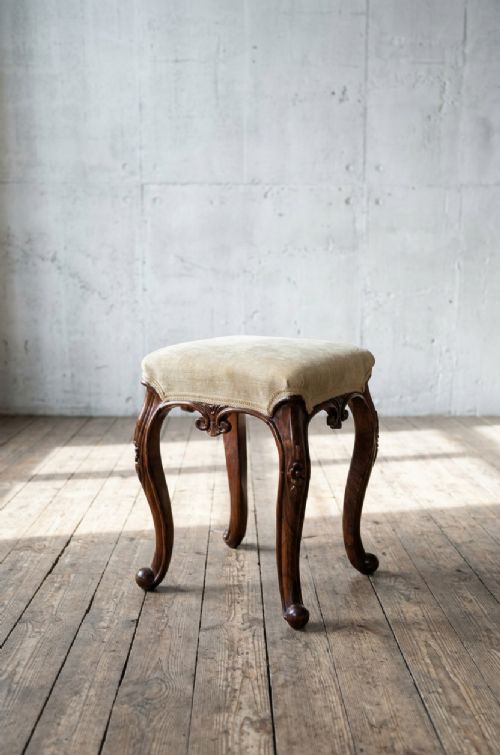
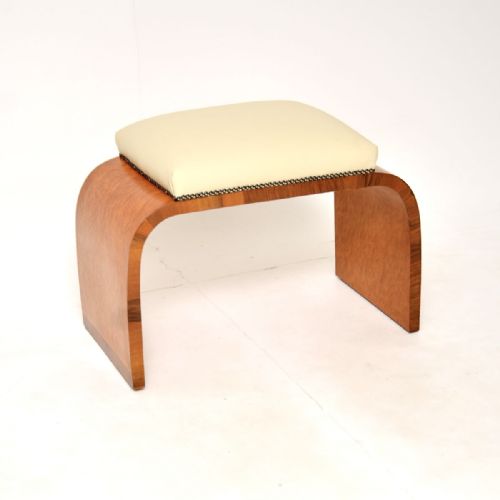
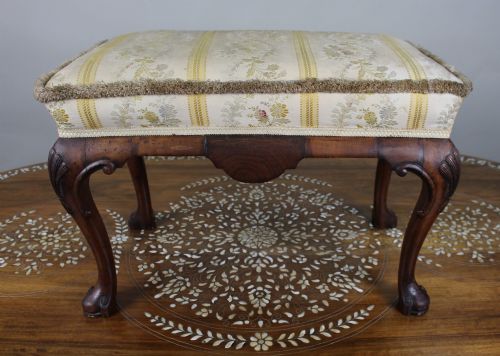
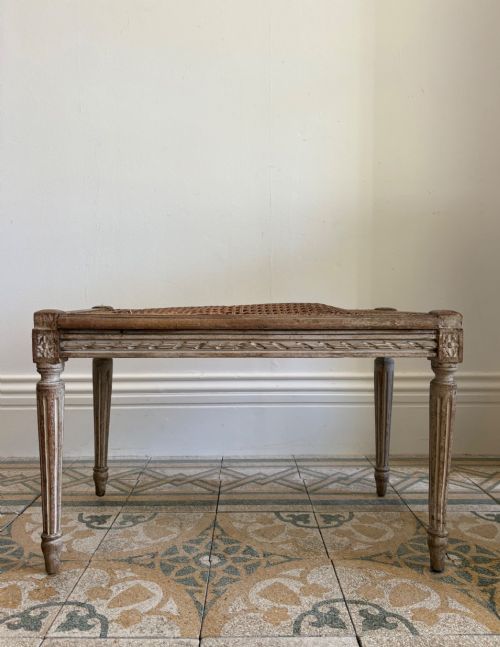
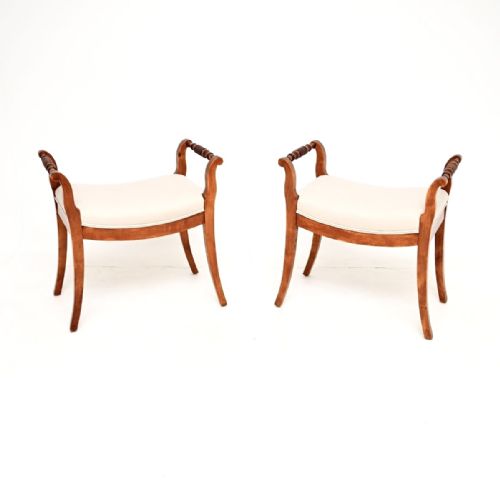
Wood Vanity Stool
A wood vanity stool brings period character and practical seating to a dressing area, drawing on styles from the Regency era through to Art Deco.
Wood Vanity Stool
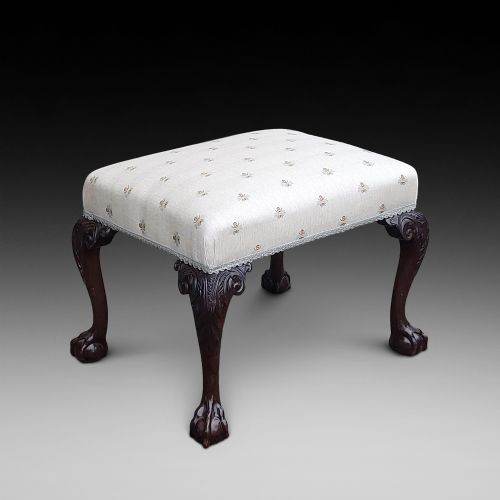
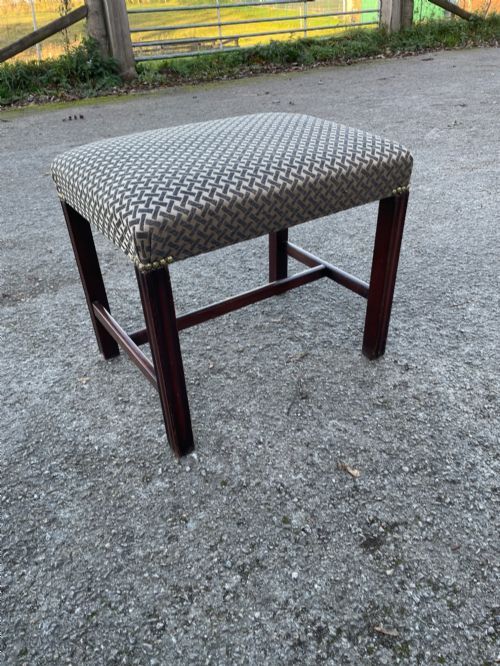
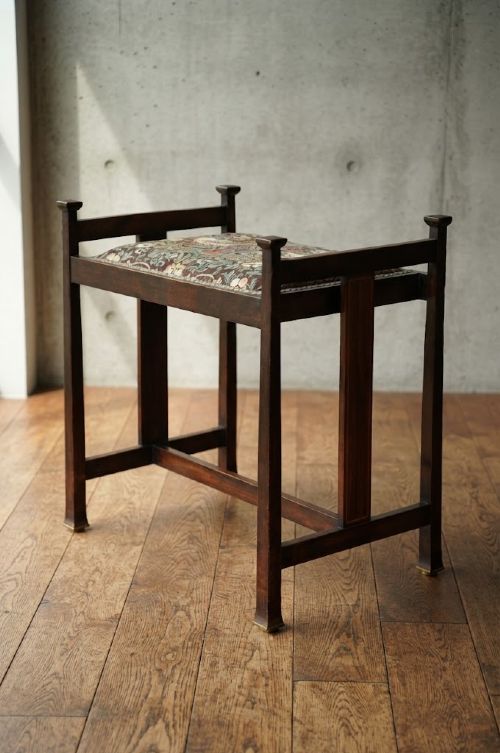
A wood vanity stool serves as a low seat primarily designed for dressing tables, featuring in various forms such as dressing stools, piano stools, and window stools. When searching for a wood vanity stool, buyers encounter pieces spanning from the early nineteenth century through to the 1930s.
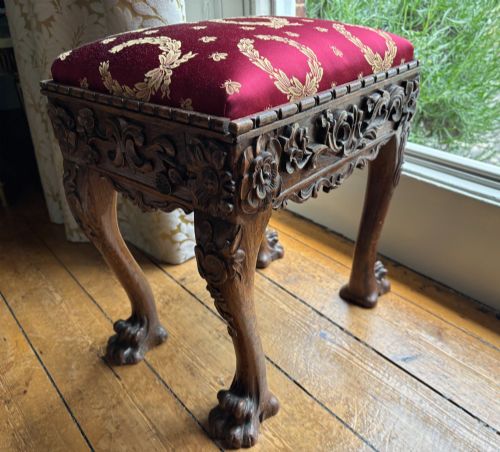
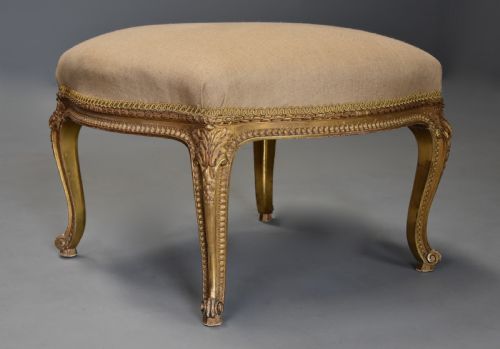
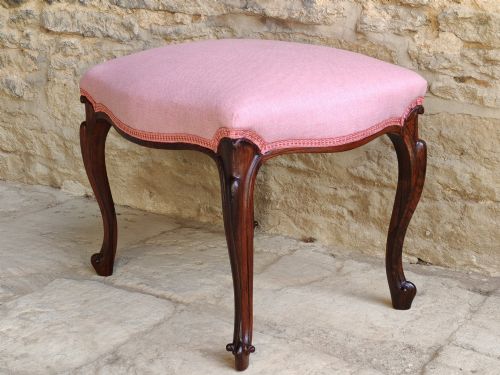
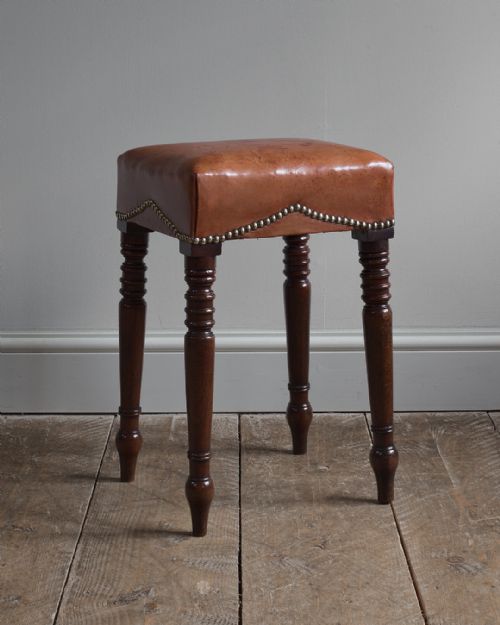
The selection ranges from simple turned-leg Edwardian examples in mahogany to ornate carved walnut pieces from the Victorian period and sleek sycamore designs from the Art Deco era. Continental pieces also appear frequently, including French giltwood and Swedish birch items.
Many examples directly match dressing tables, while others function independently as footstools or piano seats, reflecting diverse domestic uses across the nineteenth and twentieth centuries.
Construction and materials
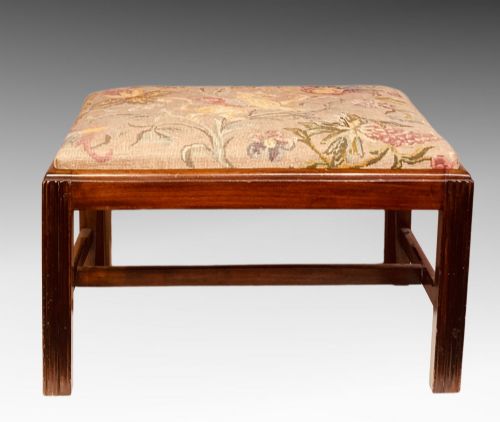
Cabinet makers utilised a range of timbers including mahogany, walnut, rosewood, satin birch, and burr maple, often shaping the wood through turning, carving, or framing into X-shapes and cabriole legs. Structural joinery varied from traditional pegging to later twentieth-century assembly.
Upholstery forms an integral part of the construction, utilising materials like leather, velvet, silk, fabric, and cane to form the seat pads. Giltwood, gesso, and painted finishes also feature prominently on Continental and revival styles.
Wood Vanity Stool Retail Price Guide 2026
Typical asking prices for wood vanity stool among the pieces listed under this phrase on Sellingantiques today, from the lower quarter to the upper quarter. They describe what is for sale here now, not the wider market.
Listings feature woods spanning mahogany, walnut, rosewood, satin birch, and sycamore across the nineteenth and twentieth centuries.
Assessing quality in construction and finish
The standard of a wood vanity stool rests upon the crispness of the timber carving, the choice of figured veneers such as burr maple or rosewood, and the solidity of the frame construction. Pieces with original gilded surfaces or specialist woodwork display superior craftsmanship.
Subtleties in proportion and the integrity of the joinery separate standard workshop output from finer cabinet work, while the preservation of original timber patination enhances the overall character.
LOIDRAULT FRERES PARIS
The Wood Vanity Stool Glossary
- Cabriole leg
- A furniture leg that curves out and then in, resembling an animal's leg, commonly found on Victorian and revival pieces. This form became popular during the eighteenth century and saw frequent revival in later periods.
- Biedermeier
- A Central European style from the nineteenth century characterised by clean lines and utilitarian focus, often executed in light satin birch. It prioritises domestic comfort and minimal ornamentation over excessive display.
- Giltwood
- Wood that has been coated with a thin layer of gold leaf or powder, frequently utilised on decorative nineteenth-century frames. It requires careful handling to preserve the delicate metallic surface.
- X-frame
- A stool structure supported by intersecting diagonal wooden members forming an X shape, seen in Empire and nineteenth-century designs. This architectural form provides robust weight distribution.
- Sycamore
- A light-coloured hardwood utilised by cabinet makers, particularly during the Art Deco period for modern furniture designs. Its pale tone offers a smooth surface for staining or clear finishing.
Wood Vanity Stool: Frequently Asked Questions
What is a wood vanity stool used for?
These low seats were originally placed in bedrooms or dressing rooms to provide comfortable seating while using a dressing table or vanity.
They also function easily as piano seats, window benches, or small footstools in various living spaces.
How do I date a wood vanity stool?
Dating relies on identifying the prevailing timber choices, structural forms, and decorative styles, such as heavy Victorian walnut or streamlined Art Deco sycamore.
Secondary indicators include the construction methods of the frame and the style of the upholstery support.
Are these stools sturdy enough for daily use?
Most solid wood frames constructed from dense timbers like mahogany, walnut, or rosewood remain robust and durable for everyday seating.
Checking the joints and the tightness of the leg assembly ensures the piece safely bears regular weight.
Can I replace the upholstery easily?
Drop-in seat pads and standard frame upholstery allow for straightforward re-covering to match modern interior colour schemes.
Retaining the original webbing or padding style helps maintain the historical integrity of period pieces.