





Wood Taxidermy Mount
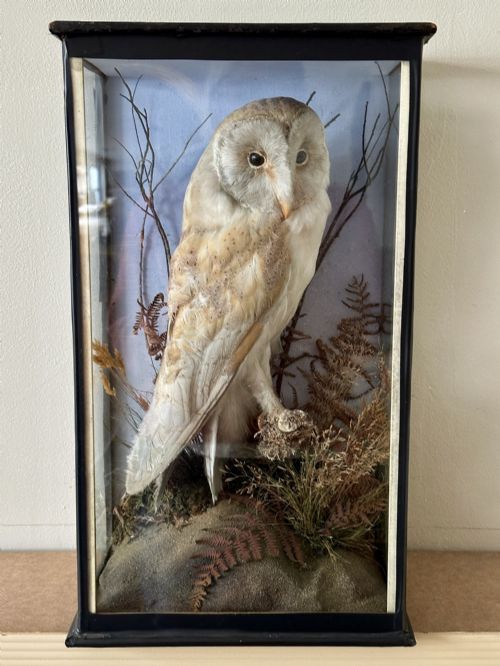
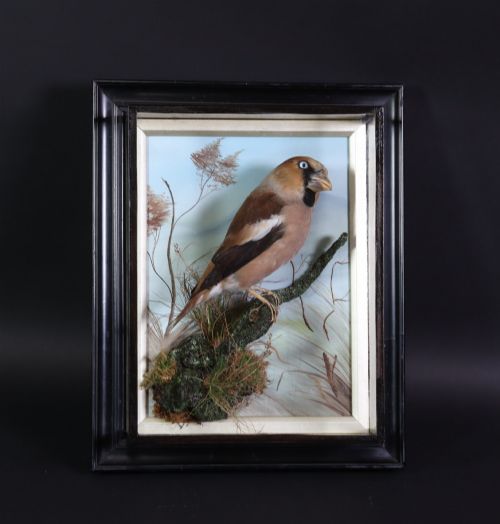
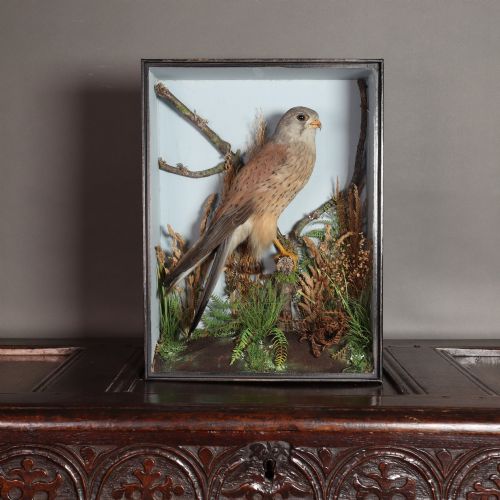
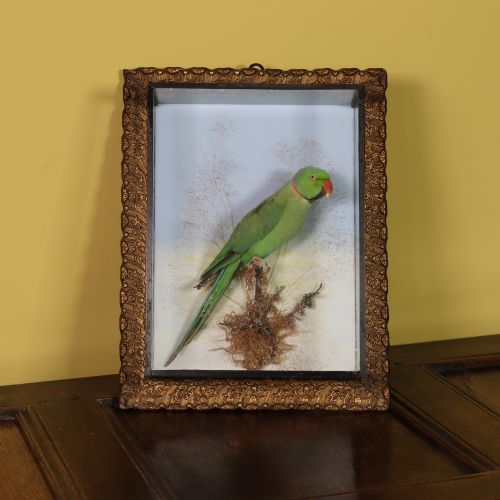
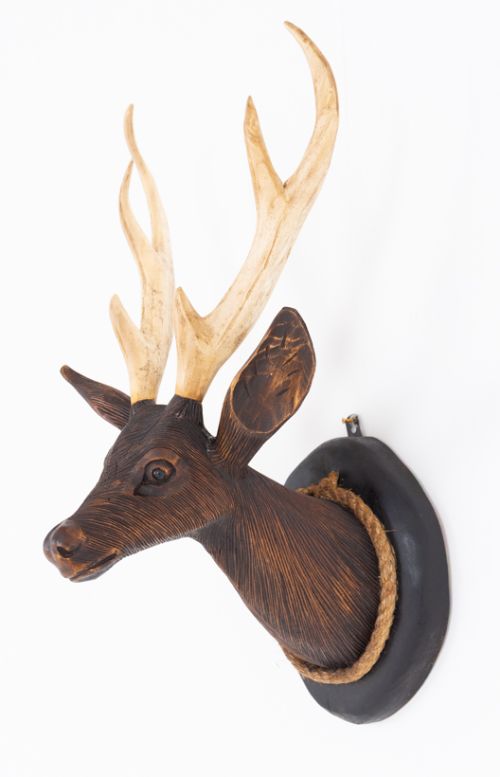
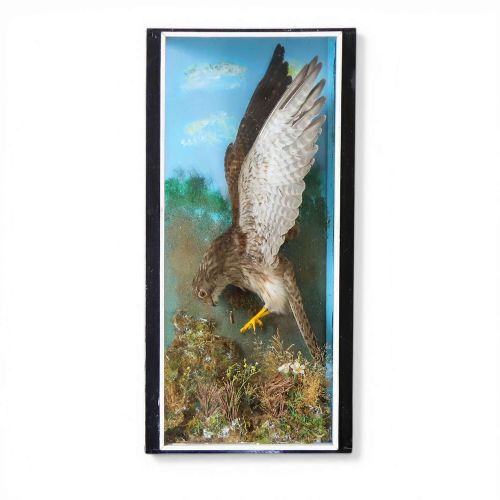
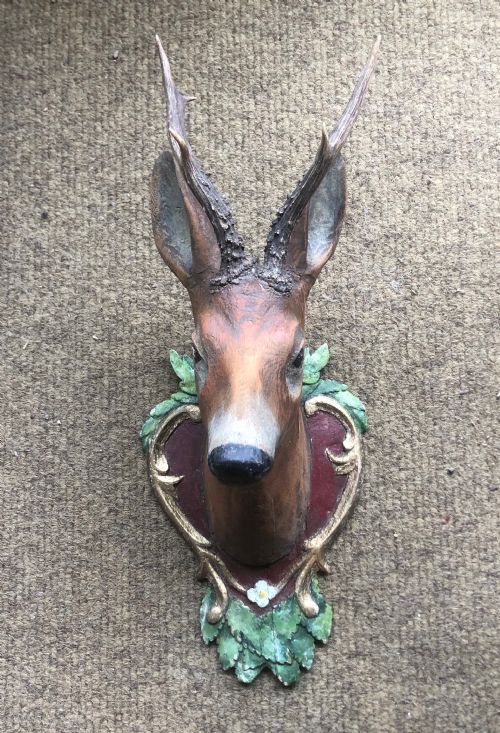
These wood taxidermy mount pieces bring natural history and folk art into rooms with carved wooden shields, glass domes, and framed dioramas.
Wood Taxidermy Mount
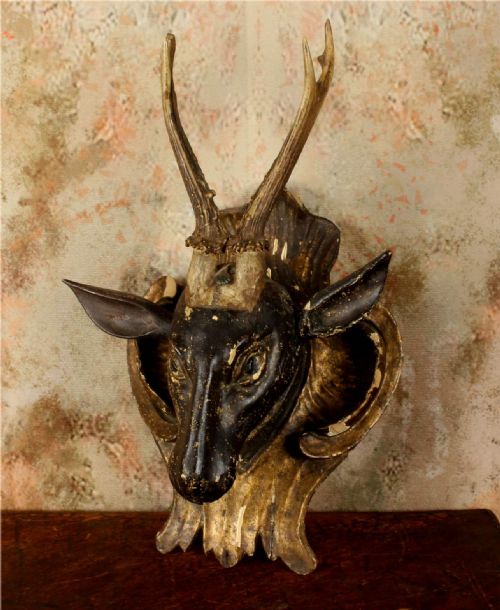
A wood taxidermy mount combines preserved natural specimens with wooden backings, carved shields, frames, or entire glazed dioramas. When searching for a wood taxidermy mount, buyers encounter pieces ranging from Victorian natural history displays to Black Forest stags heads and folk art carvings.
The selections span the nineteenth century through the early twentieth century, taking the form of wall sculptures, picture frame cases, glass domes, and trophy mounts. Birds, fish, and deer feature prominently across these domestic displays.
Victorian natural history dominates the offerings, alongside Black Forest style carvings and early twentieth century English and European works. Each piece reflects period interior tastes for cabinets of curiosities and hunting trophies.
How they were made
Makers combined preserved specimens with carved wood, glass, and painted paper backgrounds. Feathers, antlers, and preserved specimens were arranged inside painted cases or mounted directly onto carved wooden shields.
Woodworking techniques involved carving detailed shields and frames, often incorporating Black Forest foliage motifs or folk art designs. Glass domes and glazed front cases protected delicate feathers and painted snow scenes from dust and damage.
Wood Taxidermy Mount Retail Price Guide 2026
Typical asking prices for wood taxidermy mount among the pieces listed under this phrase on Sellingantiques today, from the lower quarter to the upper quarter. They describe what is for sale here now, not the wider market.
Some Victorian birds permanently enjoy a perpetual snow scene behind glass.
What varies in quality
Quality rests in the precision of the taxidermy work and the depth of the accompanying wooden setting. Finely painted snow scenes and detailed diorama backgrounds elevate a piece above simpler wall mounts.
The crispness of the wood carving on shields and frames distinguishes individual workshops. Pieces retaining original glass, intact paper linings, and well-preserved specimen plumage command greater attention.
T. E. Gunn·William Bazeley & Sons·James Jones·James Gardner
The Wood Taxidermy Mount Glossary
- Black Forest style
- A carving tradition originating in central Europe, known for realistic representations of animals and deep foliage motifs. These pieces often feature stags and deer.
- Diorama
- A three-dimensional scene featuring preserved specimens set against a painted background inside a glazed case or dome. Snow scenes and natural habitats frequently appear in these settings.
- Folk art
- Items created by traditional craftspeople outside academic art circles, often displaying regional decorative characteristics. Swedish painted deer and carved wooden trophies fall into this category.
- Trophy mount
- Antlers or horns attached to a carved wooden shield or plaque for wall display. These objects stem from hunting traditions of the nineteenth and early twentieth centuries.
Wood Taxidermy Mount: Frequently Asked Questions
What periods do these pieces date from?
The listings span the nineteenth century, Victorian era, Edwardian period, and early twentieth century. Most items originate between eighteen eighty and nineteen thirty.
Dates are determined by construction styles, framing techniques, and historical documentation associated with the makers.
How were these displays used originally?
Owners placed them in studies, libraries, and hallways as part of cabinets of curiosities or hunting displays. They reflected scientific curiosity and sporting pursuits of the period.
Glazed cases and domes protected delicate specimens from domestic soot and handling in period homes.
How do I care for a wood taxidermy mount?
Keep pieces out of direct sunlight to prevent fading of feathers, painted backgrounds, and wood tones. Maintain stable indoor humidity to protect preserved specimens and wooden frames.
Dust glass exteriors gently and avoid opening sealed historical cases to preserve the internal microclimate.
What materials appear most frequently?
Wood, glass, feathers, paint, antler, and paper form the primary physical components across these listings. Preserved specimens serve as the central focus of each display.
Wooden elements range from plain backing shields to deeply carved Black Forest foliage and painted folk art figures.