

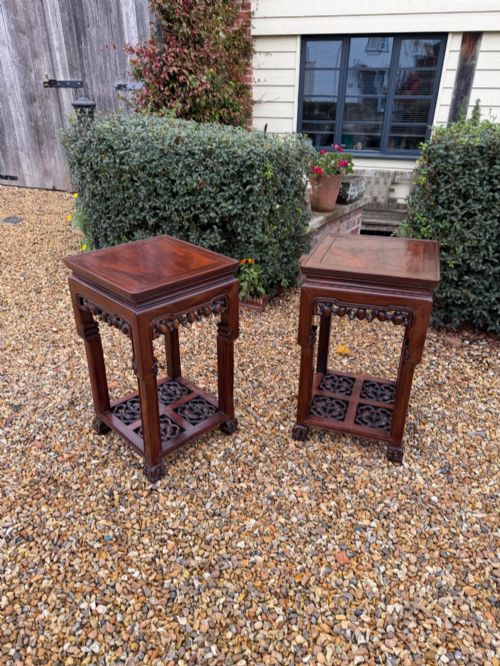
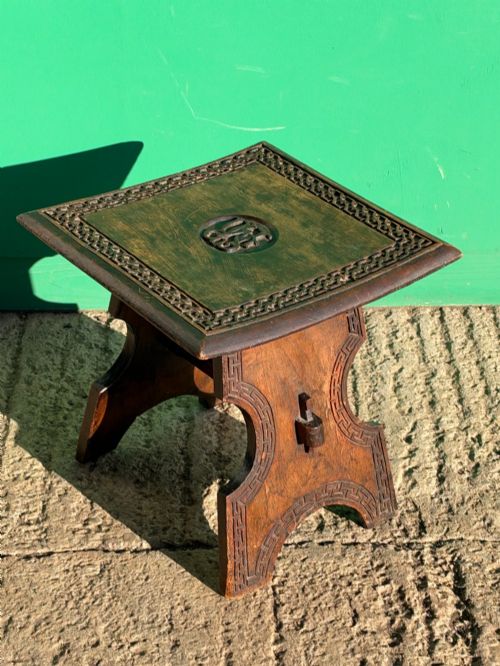
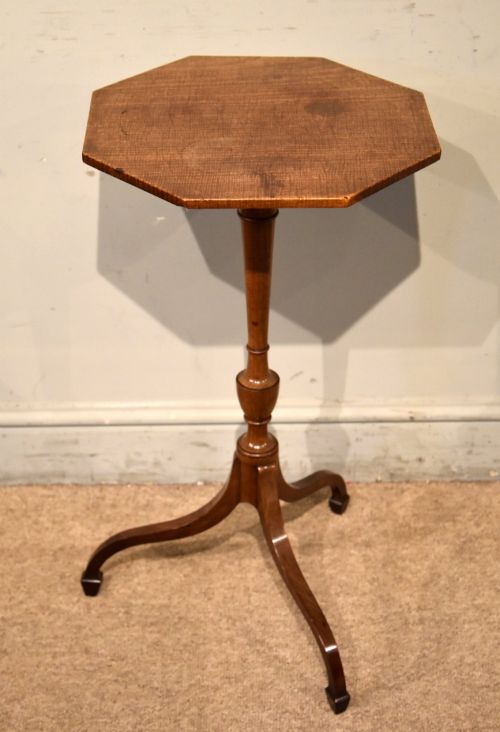
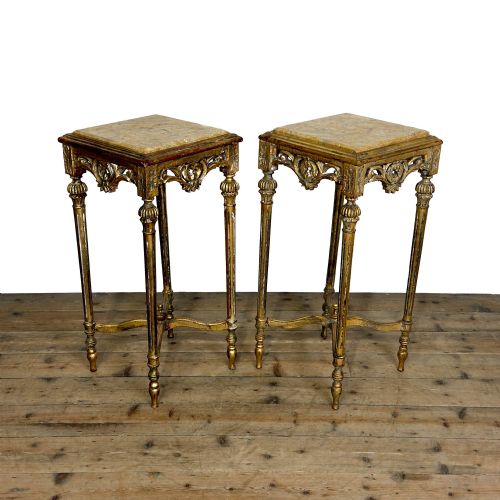
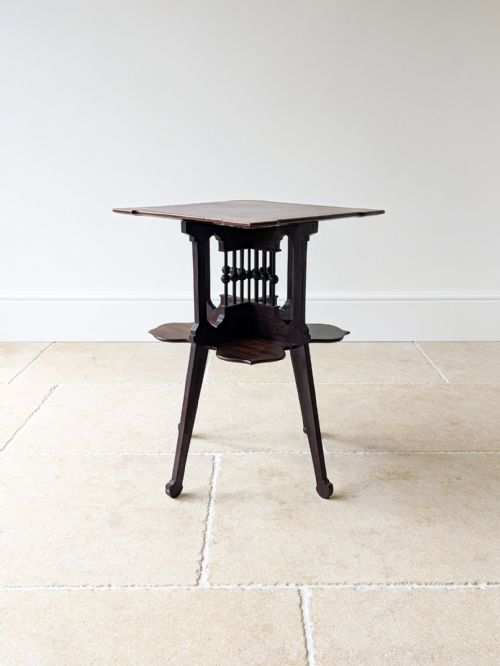
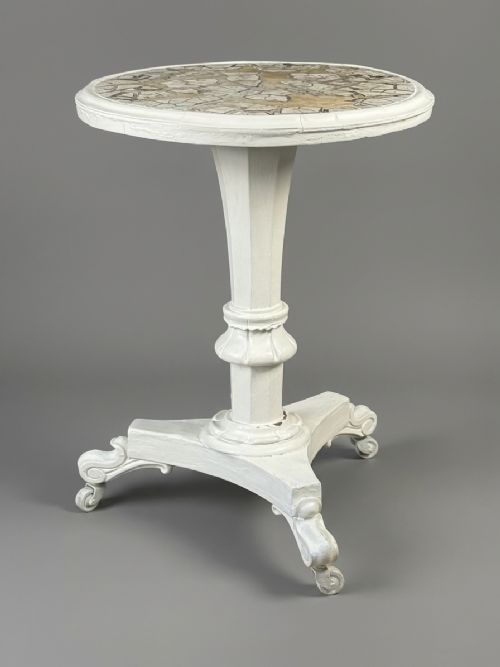
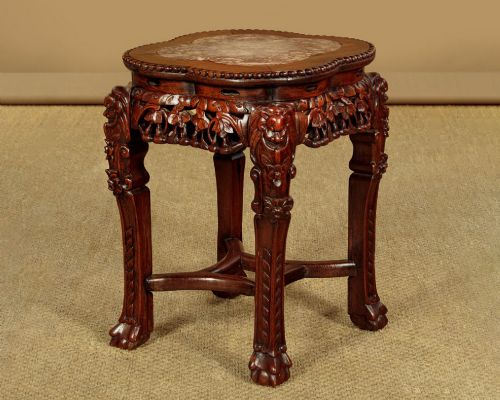
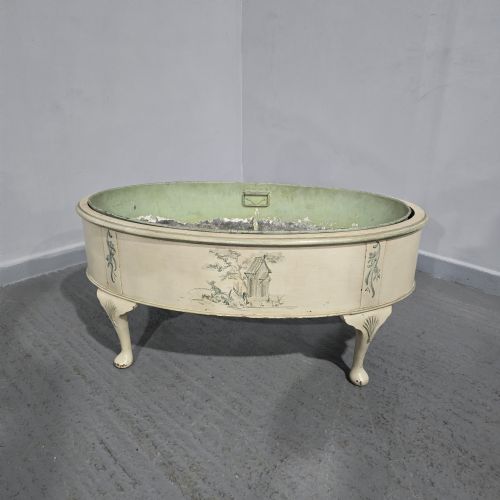
Wood Plant Table
A wood plant table brings botanical focus to a room, holding greenery on timber surfaces shaped across the eighteenth, nineteenth, and early twentieth centuries.
Wood Plant Table
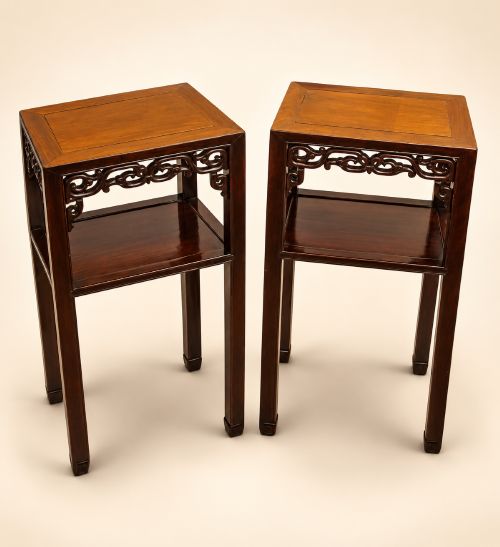
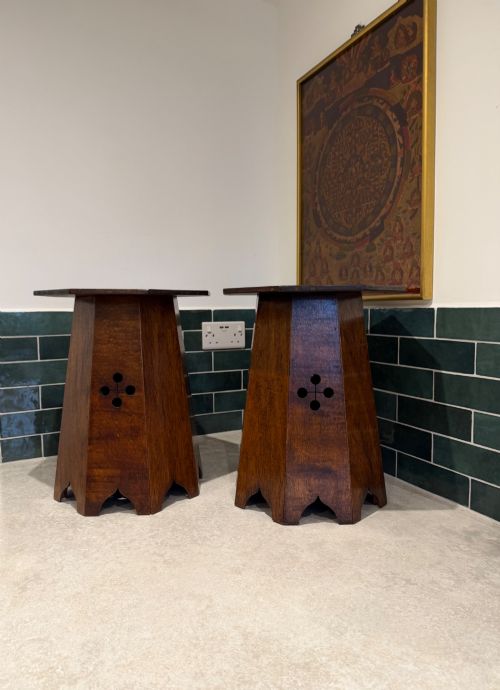
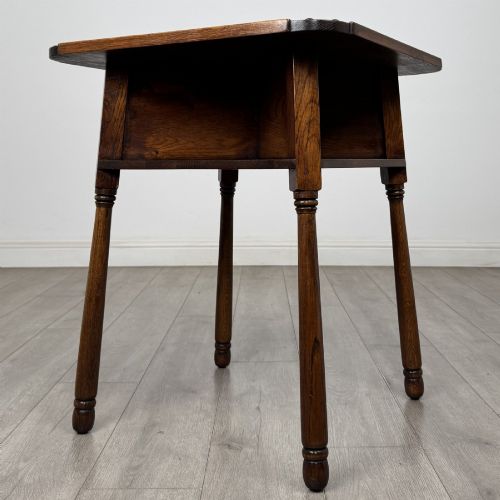
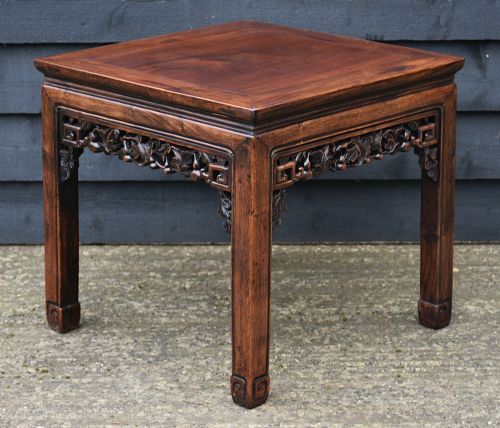
A wood plant table encompasses elevated surfaces designed to hold pots, jardinieres, and lamps, drawing from diverse traditions including Edwardian, Victorian, and Arts and Crafts aesthetics. Buyers examining this page encounter varied formats such as tripod candle stands, low Chinese marble top tables, and tiered French etageres.
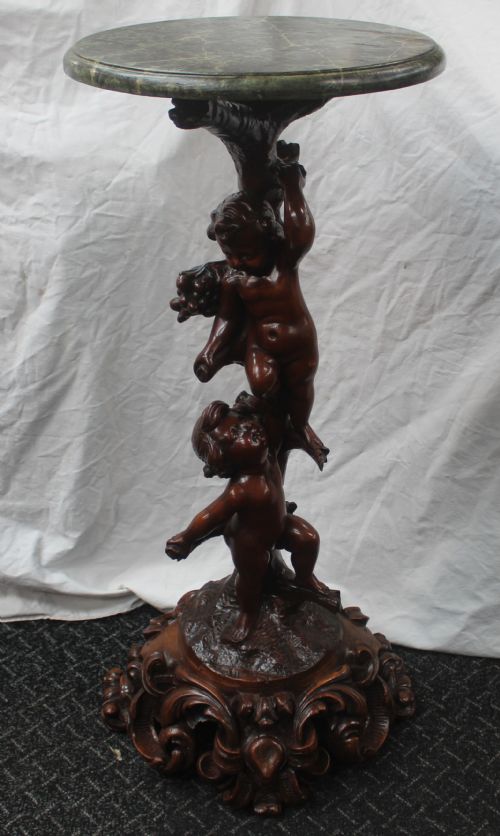
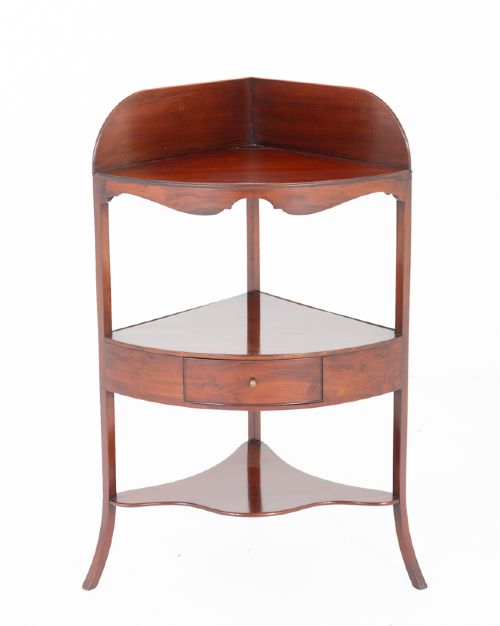
The selections span centuries from the eighteenth to the early twentieth, utilising forms like the corner washstand, the wine table, and the pedestal stand. Mahogany, oak, and walnut predominate, often accompanied by brass galleries, marquetry, and hand-painted details.
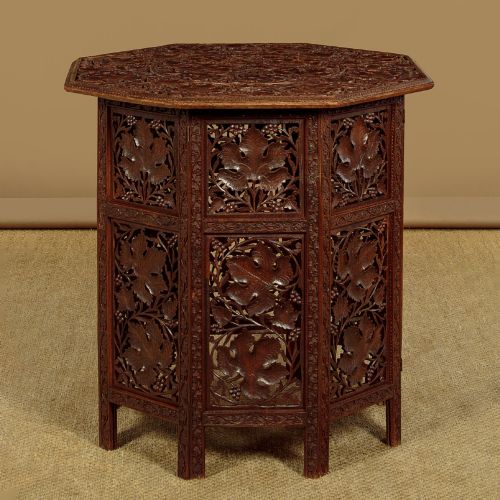
Makers and regional styles introduce specific regional characteristics, from Anglo-Indian and Kashmiri carving to French chateau and Japanese side tables. These pieces function equally as bedside tables, lamp tables, and dedicated plant stands within domestic interiors.
Materials and Technique
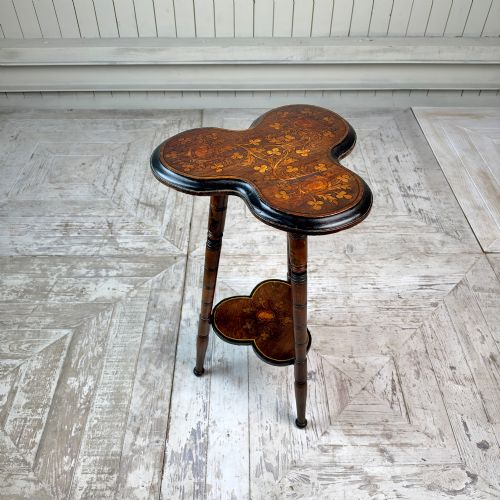
Carpenters utilised dense hardwoods like mahogany, oak, rosewood, and ebony, shaping them with bobbin-turned bases, barley twist legs, and tripod configurations. Inlays of satinwood, kingwood, and amboyna add surface pattern to structural timber frames.
Decorative elements involve detailed carving, fretwork galleries, brass fittings, and painted or lacquered finishes including Chinoiserie motifs. Caned panels, porcelain plaques, and marble inserts integrate contrasting textures into the wooden framework.
Wood Plant Table Retail Price Guide 2026
Typical asking prices for wood plant table among the pieces listed under this phrase on Sellingantiques today, from the lower quarter to the upper quarter. They describe what is for sale here now, not the wider market.
Elephants occasionally hold up the tabletop.
Craftsmanship and Proportion
Superior examples demonstrate precise joinery and refined carving, where structural elements like tripod legs and pillar supports balance the weight of stone tops or heavy timber. Lesser pieces rely on simpler joints and unadorned surfaces without integrated inlay or gallery work.
The selection of timber grain and the execution of auxiliary details, such as brass galleries, fretwork borders, or hand-painted lacquer, separate standard utility items from finely resolved artistic objects. Proportion and stability remain central to the success of taller plant stands and multi-tiered etageres.
Liberty & Co·Gabriel Viardot·E W Godwin
The Wood Plant Table Glossary
- Jardiniere
- A decorative pot or stand intended for holding plants or flowers. These vessels often incorporate porcelain plaques, brass liners, or inlaid wood veneers.
- Etagere
- A piece of furniture consisting of a set of open shelves for displaying small objects. They appear in tiered formats utilising mahogany, giltwood, or exotic hardwoods.
- Tripod base
- A three-legged support structure commonly found on candle stands and small occasional tables. This design ensures stability on uneven floorboards.
- Marquetry
- Decorative veneer work where pieces of wood are fitted together to form pictorial patterns. Artisans apply this technique to tabletop surfaces using contrasting timber tones.
- Gadrooned edge
- A carved ornamental border featuring convex curves, frequently seen on the perimeters of mahogany tabletops from the Georgian and Edwardian periods.
Wood Plant Table: Frequently Asked Questions
What is a wood plant table used for?
These tables provide an elevated surface specifically suited for displaying potted plants, ferns, and floral arrangements within domestic rooms. Their sturdy timber construction also accommodates lamps, books, and decorative ceramics.
Historically, specialised stands protected flooring from damp soil while positioning greenery near natural light. Today, they serve practical display functions in hallways, living spaces, and bedrooms.
How do I identify a Victorian plant table?
Victorian examples frequently feature dense mahogany or oak, often displaying heavy carving, barley twist legs, or bobbin-turned bases. Many incorporate tripod supports or lower shelves designed for additional display.
Construction methods from this era involve solid timber framing and traditional joinery techniques. Stylistic influences range from Gothic revival elements to rustic folk art interpretations.
Where should I place a plant stand at home?
Position these tables near windows to give potted plants adequate sunlight while utilising vertical space efficiently. Corner locations and empty wall spaces benefit particularly from slim pedestal and tripod formats.
Ensure the surface material matches the environment, placing marble or glazed tops where moisture from watering is most likely to occur. Lower shelves can hold extra botanical accessories or small pots.
How do Edwardian tables differ from earlier periods?
Edwardian pieces generally exhibit lighter proportions, brighter satinwood or mahogany timbers, and refined inlay work. Fretwork galleries and oval top shapes appear frequently in this era.
In contrast to heavy Victorian designs, Edwardian furniture favors neoclassical revival motifs and delicate structural framing. The emphasis shifts toward elegant utility in domestic drawing rooms.