





Wood Medicine Cabinet
A wood medicine cabinet brings honest utility and quiet craftsmanship into a room, offering clever storage disguised in rich timber.
Wood Medicine Cabinet
When you search for wood medicine cabinet, you are looking at functional wall storage, apothecary chests, and wall cupboards spanning centuries of domestic and professional life. The pieces range from simple estate-made cupboards in oak and elm to polished mahogany boxes fitted with original bottles.
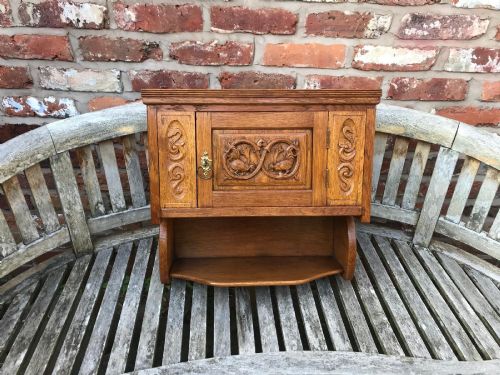
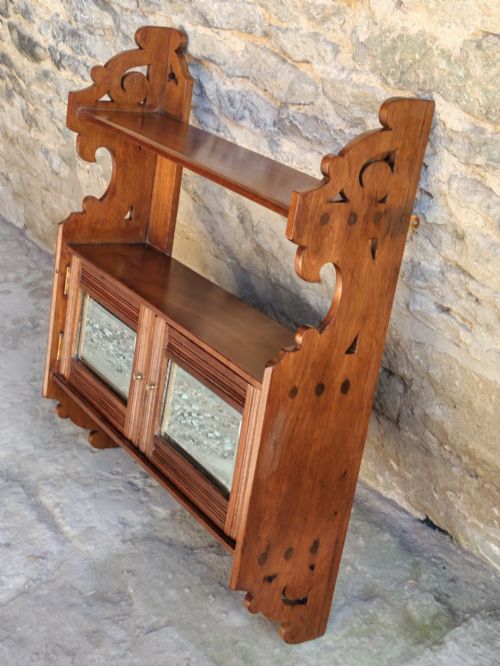
You are most likely to meet 19th-century and Victorian wall-hanging cabinets constructed from oak or mahogany. These practical designs often feature panelled doors, brass hardware, and internal shelving intended to hold remedies and personal provisions.
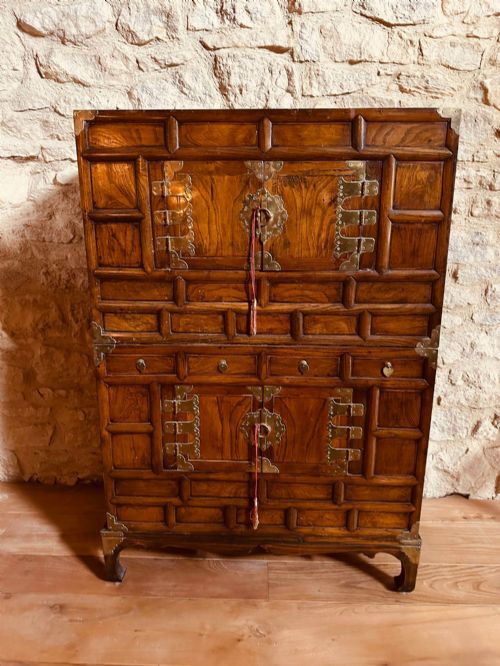
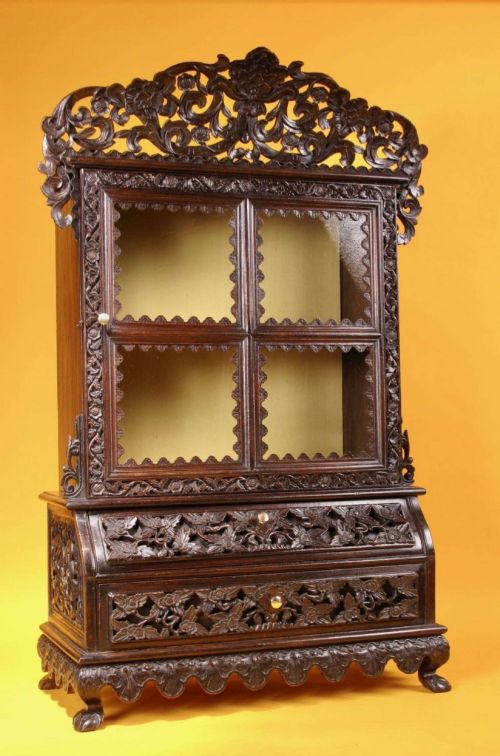
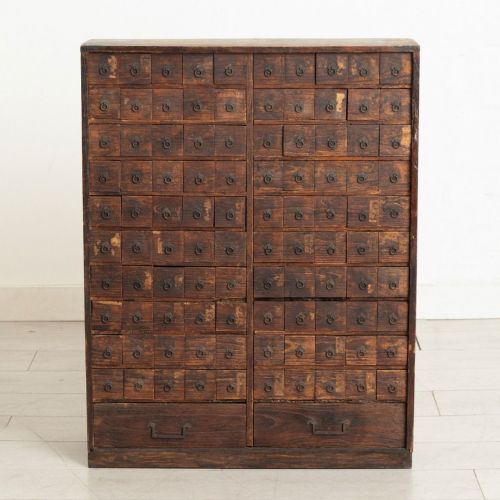
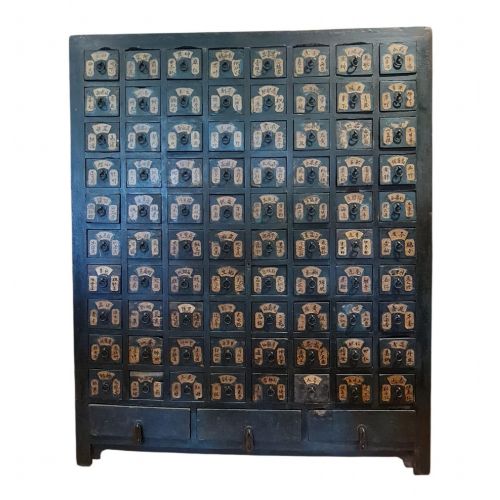
The selection also extends to international forms, including Chinese elm apothecary chests with numerous small drawers and Anglo-Indian hardwood display cabinets. Each variation reflects the specific medical, herbal, or household storage needs of its era and region.
How they were made
Joinery relies heavily on solid woods such as oak, mahogany, walnut, and elm, often shaped with hand-carved details or left with a polished finish. Cabinetmakers utilised durable construction methods like mortise and tenon joints to ensure wall-hung items could safely bear weight.
Metal fittings in brass and iron provide structural support and security, appearing as hinges, drop handles, and locking escutcheons with keys. Glass inserts are frequently integrated into doors for display cabinets and apothecary units, allowing contents to be viewed easily.
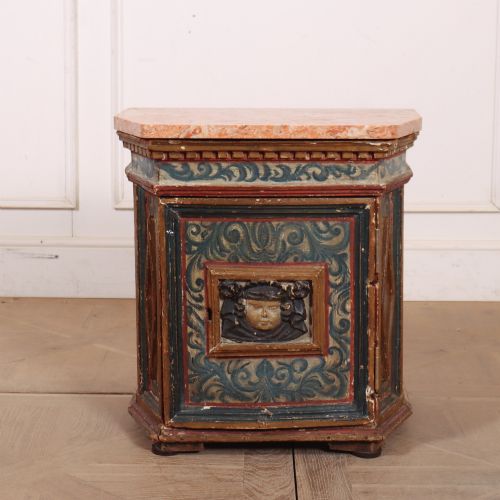
Painted surfaces appear on Scandinavian and Italian pieces, adding colour and protection to the underlying timber. In more complex designs, multiple internal drawers or descending compartments are fitted closely together to organise small bottles and instruments.
Wood Medicine Cabinet Retail Price Guide 2026
Typical asking prices for wood medicine cabinet among the pieces listed under this phrase on Sellingantiques today, from the lower quarter to the upper quarter. They describe what is for sale here now, not the wider market.
Periods represented stretch from mid-eighteenth-century Italian and English pieces through the Victorian era and into early twentieth-century Arts and Crafts designs.
What varies in quality
The calibre of a piece rests largely on the choice of timber and the precision of its joinery. Superior examples show carefully selected grains like burr walnut or figured mahogany, paired with tight, clean joints that have remained stable over generations.
Hardware and internal fittings distinguish standard utility pieces from finer work. Original brass locks, matching hinges, intact glass, and complete sets of internal apothecary bottles elevate a cabinet's integrity and historical completeness.
Carving and decorative restraint also set items apart. While simple estate-made cupboards rely on plain utility, Arts and Crafts or Italian Baroque pieces demonstrate deliberate artistic intention through balanced proportions and considered ornamentation.
The Wood Medicine Cabinet Glossary
- Apothecary chest
- A multi-drawer cabinet traditionally used by pharmacists to store dried herbs, roots, and medical ingredients. These often feature numerous small, labelled drawers.
- Escutcheon
- A flat plate of brass or iron surrounding a keyhole to protect the surrounding wood from wear. It frequently holds a small swinging cover.
- Wall cupboard
- A compact storage unit designed to be mounted directly onto a wall rather than resting on the floor. These typically feature one or two hinged doors.
- Burr walnut
- A prized timber harvested from the gnarled growths on walnut trees, yielding complex swirling grain patterns. It is sliced into veneers for decorative cabinet fronts.
Wood Medicine Cabinet: Frequently Asked Questions
How were wood medicine cabinets used?
These cabinets served to store household remedies, bandages, and personal tonics securely away from moisture and dust.
Many units were kept in private quarters, hallways, or dispensaries where quick access to medical supplies was necessary.
Where should I hang a wall cabinet?
Wall-mounted pieces suit kitchens, bathrooms, or hallways where they provide compact storage without occupying floor space.
Ensure the fixings are secured into solid wall studs, as older hardwood cabinets carry considerable weight.
How do I care for antique timber?
Keep wooden cabinets away from direct heat sources and strong sunlight to prevent the timber from drying out or splitting.
Apply a gentle beeswax periodically to nourish the grain and maintain the natural lustre of the polished surface.
How can I tell the period of a cabinet?
Examine the construction methods, secondary woods, and hardware styles to gain clues about the date of manufacture.
Stylistic markers such as Art Nouveau curves or Victorian proportions help place the piece within its historical context.