


Wood Marquetry Stands
Wood marquetry stands bring patterned timbers and floral scenes into a room, offering surface detail and sturdy display space.
Wood Marquetry Stands
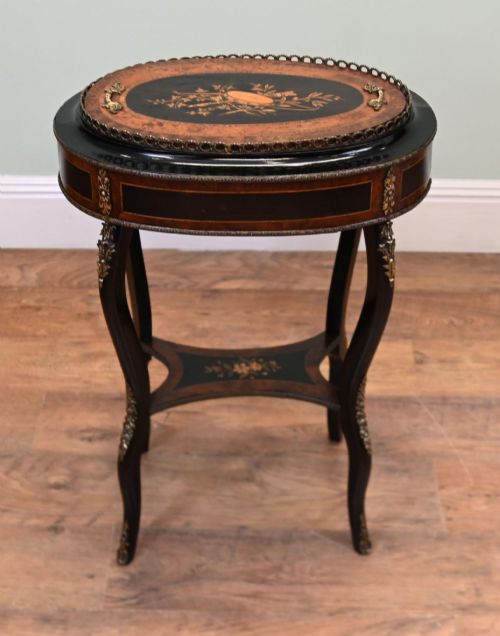
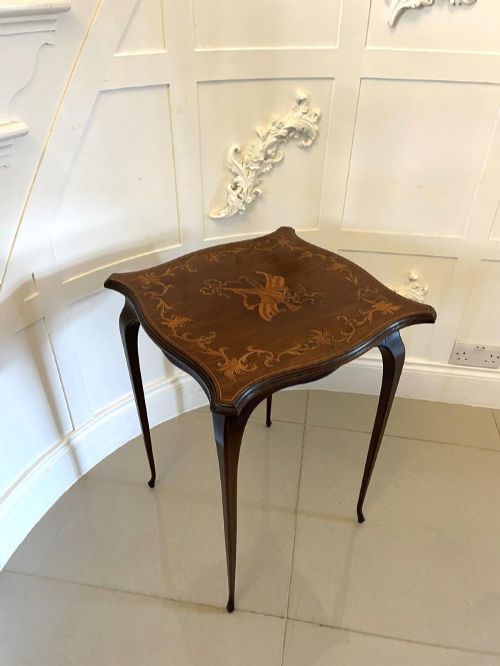
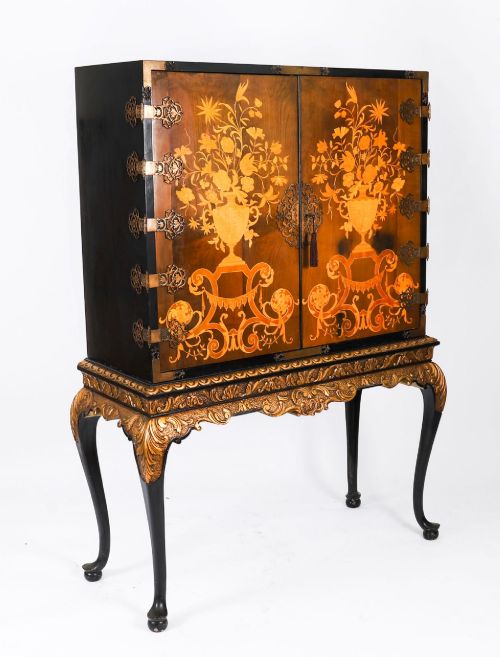
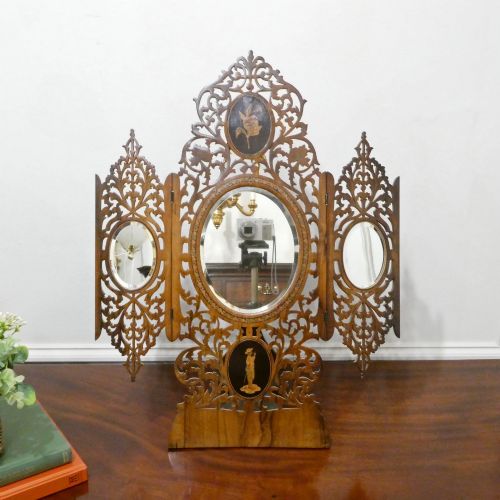
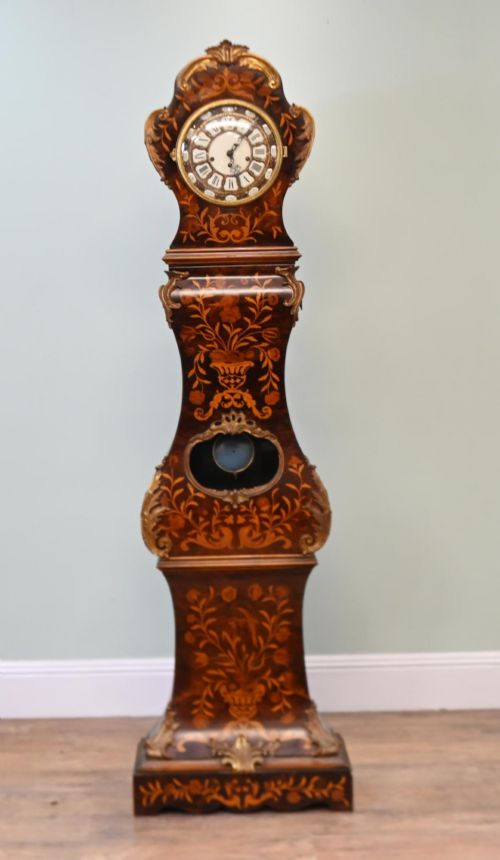
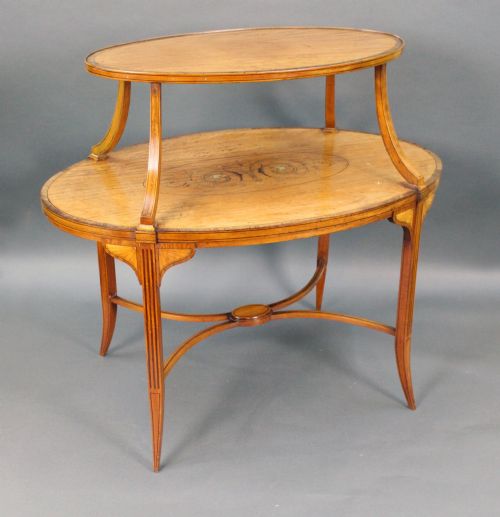
Wood marquetry stands encompass small tables, plant supports, and display pieces created across the nineteenth and early twentieth centuries. These items feature patterned veneers shaped into floral, scroll, or architectural motifs across their tops and panels.
The pieces appearing on this page span Victorian, Edwardian, and later periods, with occasional pieces from the seventeenth and eighteenth centuries also represented. Buyers will frequently encounter occasional tables, lamp tables, and two-tier etagères rendered in mahogany, walnut, or satinwood.
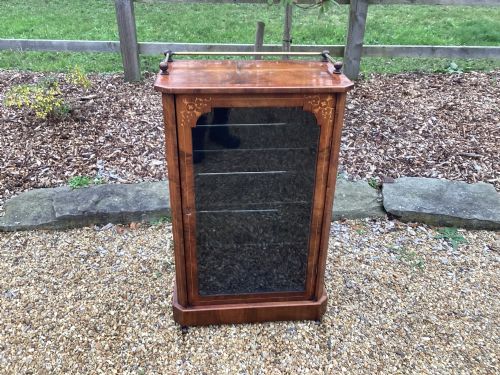
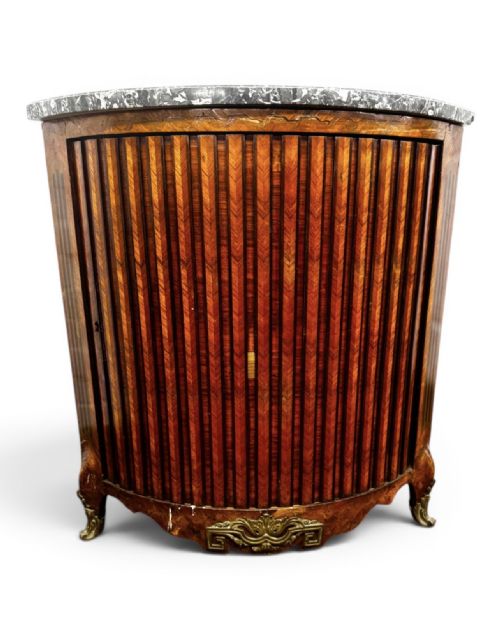
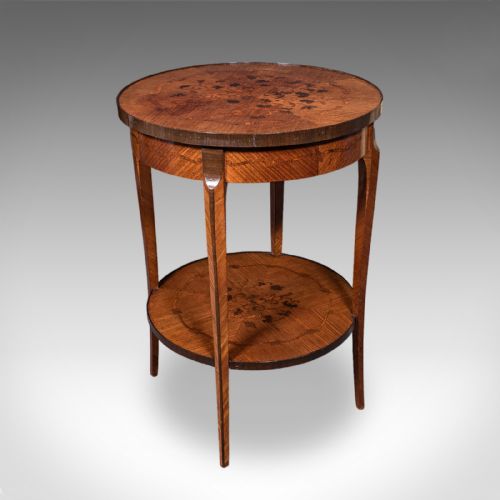
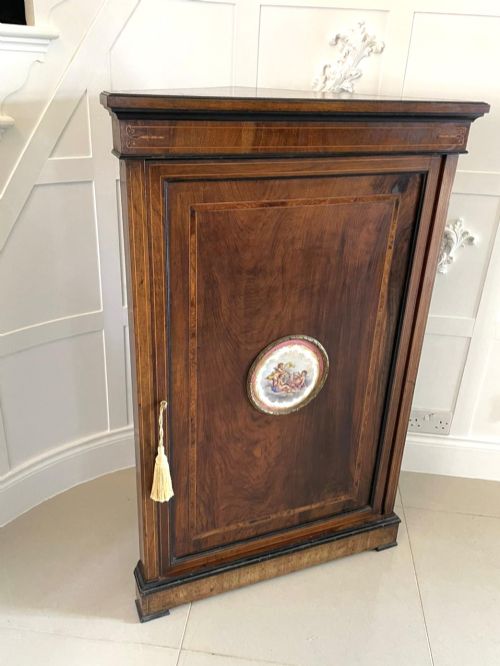
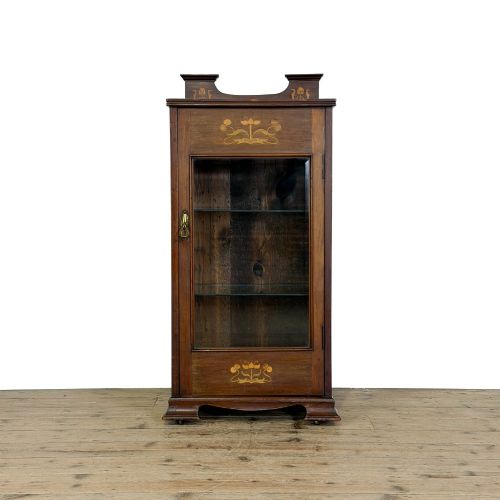
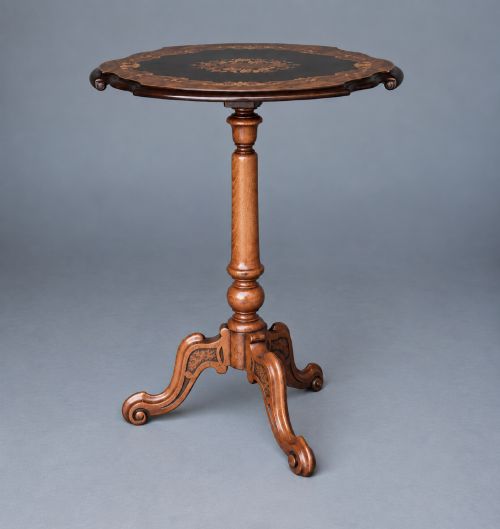
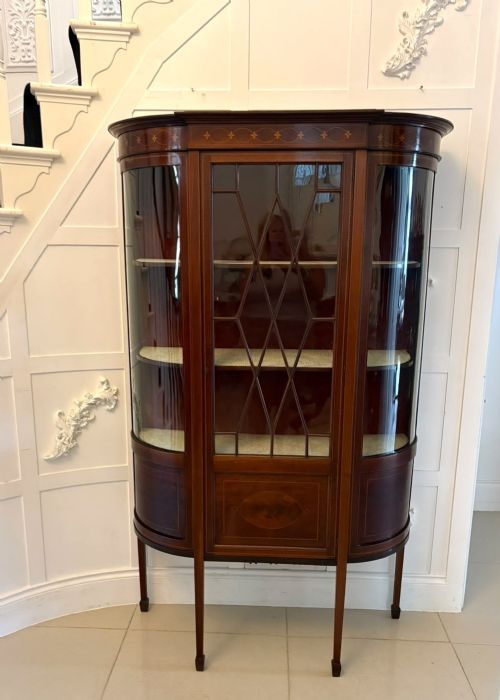
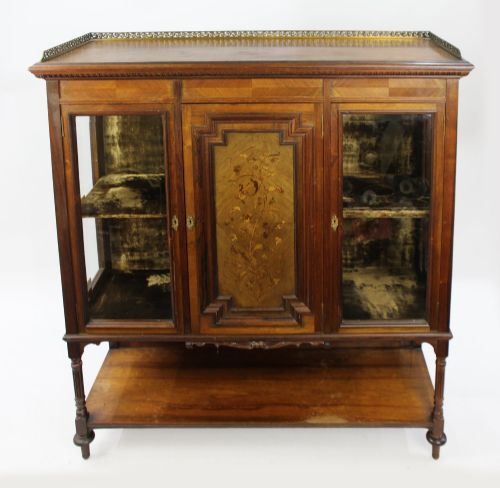
Forms range from simple circular wine tables to multi-tiered display stands and corner cabinets fitted with glass doors. Each type serves a domestic function, combining practical surface areas with decorative surface veneers.
How they were made
Cabinet makers constructed these pieces using a solid timber frame of mahogany, walnut, or oak as a foundation for intricate surface decoration. Finer timbers such as satinwood, kingwood, tulipwood, and rosewood were sliced into thin veneers to form the patterned top surfaces.
Craftsmen cut contrasting woods together using a saw while held in a donkey, then fitted the pieces tightly into a ground veneer background. Engraving lines added detail to petals and leaves before the assembled veneer was glued to the carcase and polished.
Wood Marquetry Stands Retail Price Guide 2026
Typical asking prices for wood marquetry stands among the pieces listed under this phrase on Sellingantiques today, from the lower quarter to the upper quarter. They describe what is for sale here now, not the wider market.
Listings feature pieces from the Victorian and Edwardian eras, alongside items reflecting Art Deco and Arts and Crafts styles.
What varies in quality
The standard of a piece rests upon the crispness of the cutting and the variety of woods utilised within the design. Finer examples display subtle tonal shifts and tight grain alignment that create a convincing sense of depth.
Construction methods also separate standard production from superior workshops, visible in the stability of joints and the retention of original brass or ormolu mounts. The complexity of the marquetry layout and the choice of secondary timbers indicate the level of care invested by the maker.
Liberty & Co.·Edwards & Roberts
The Wood Marquetry Stands Glossary
- Marquetry
- The art of creating decorative patterns on a wooden carcase by fitting together small pieces of tinted or textured veneer. This technique differs from inlay by covering the entire surface rather than resting inside carved recesses.
- Etagere
- A set of open shelves supported by small columns, designed for displaying ornaments or holding books. These tiered pieces gained popularity during the Victorian and Edwardian periods.
- Torchere
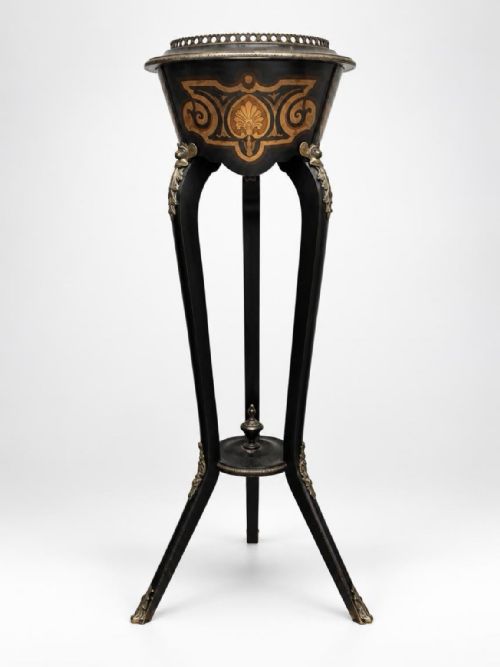
- A tall, slender stand meant to support a candle, lamp, or plant. They often feature circular tops and tripod bases.
- Jardiniere
- A decorative container or stand designed to hold plants or floral arrangements, frequently fitted with a metal liner to protect the wood. French examples from the nineteenth century often incorporate extensive marquetry.
- Satinwood
- A lustrous, hard timber native to Ceylon and India, prized for its yellow colour and reflective grain. It was heavily utilised during the Sheraton Revival period.
Wood Marquetry Stands: Frequently Asked Questions
What is a marquetry stand used for?
These pieces serve as occasional tables, display surfaces for lamps, or stands for plants and decorative objects within a room.
Their compact footprints allow them to fit easily beside seating or in corners while adding decorative warmth.
How do I care for antique marquetry?
Keep wooden stands away from direct sunlight and sudden temperature changes to prevent the delicate veneers from lifting or drying out.
Apply a traditional wax polish occasionally to nourish the timber and maintain the finish.
How do I date a wood marquetry stand?
Examine the secondary timbers beneath or inside the piece, alongside the style of the legs and the complexity of the veneer work.
Victorian and Edwardian pieces often exhibit machine-sawn backing boards and specific revival motifs that help narrow their era of manufacture.
What is the difference between marquetry and inlay?
Marquetry covers the entire surface of a piece with a mosaic of fitted veneers that form a complete pictorial or geometric scene.
Inlay involves sinking small pieces of contrasting material into shallow cavities carved directly into a solid wooden background.